


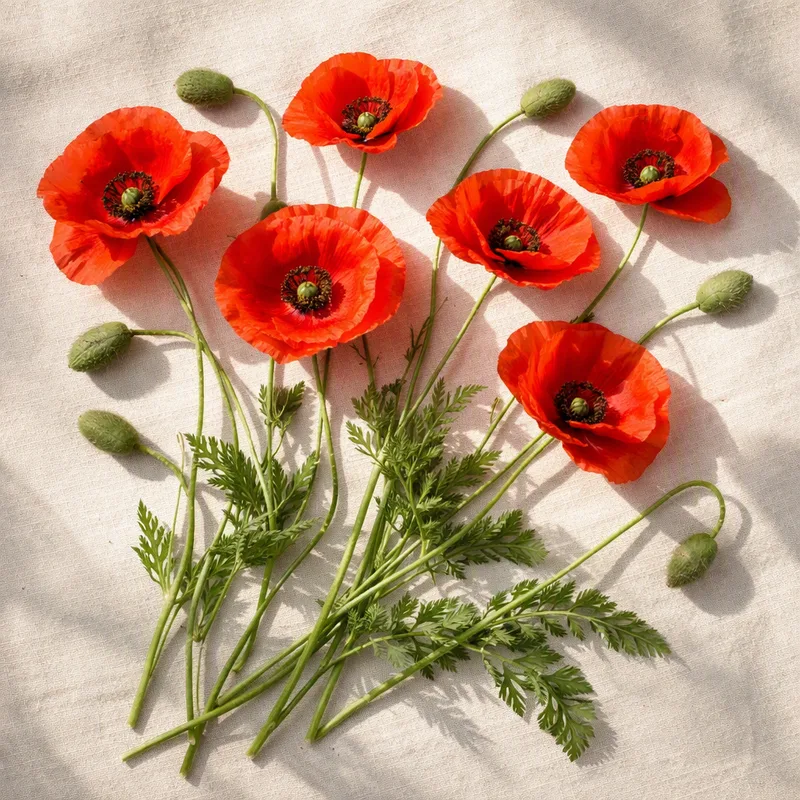
The flower of disturbed ground
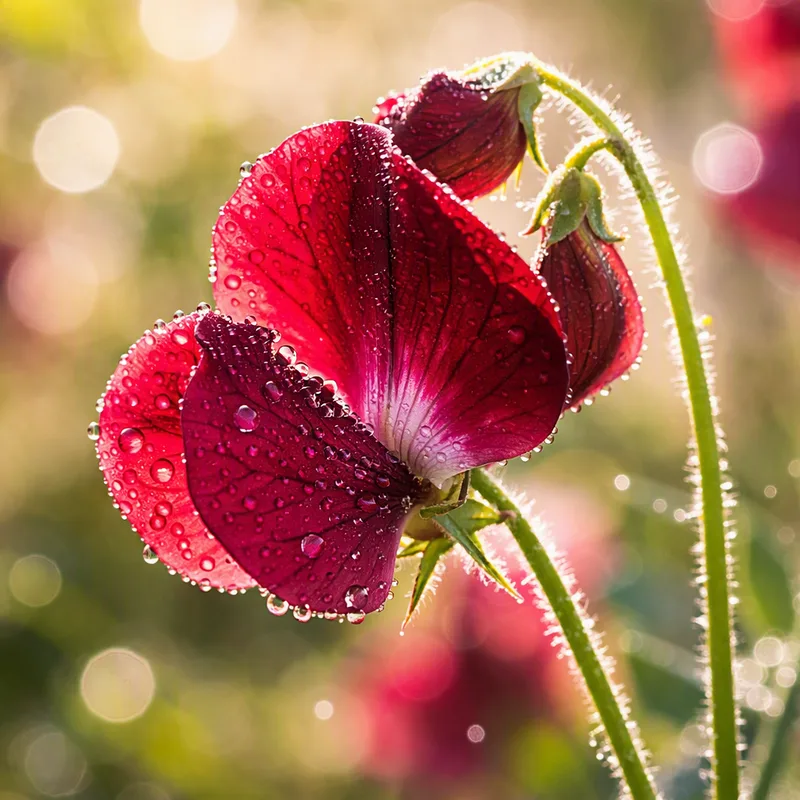
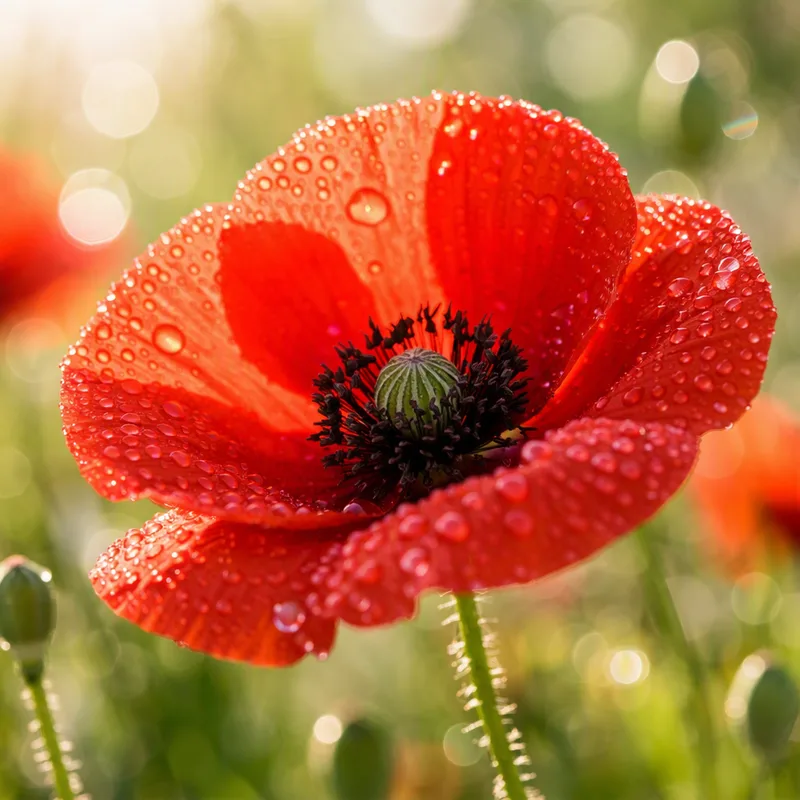
Papaver rhoeas is an annual with thin, hairy stems and crinkled scarlet petals, often with a dark blotch at the base. It goes by many names, including field poppy, corn poppy and Flanders poppy. Each flower lasts only a day or two, but a healthy plant keeps producing buds for weeks. The "corn" in corn poppy gives the game away: it grew in arable fields for thousands of years, and was abundant until herbicides arrived.
Why they pop up after digging
The plant builds a long-lived seed bank in the soil. Seeds can sit in the ground for years and germinate when earth is turned over and light reaches them. That is why a new roadside bank, a building site or a freshly dug allotment plot may turn red the following summer.
Sowing a patch
- Scatter seed on bare, firm soil in spring or early autumn.
- Press it in lightly without covering it, because seed needs light to germinate.
- Choose a sunny spot. Poppies dislike being transplanted.
- Thin seedlings if they are crowded.
Field poppies appear in many packets labelled "wildflower mix", which is why a border can suddenly fill with them.
Picking for the vase
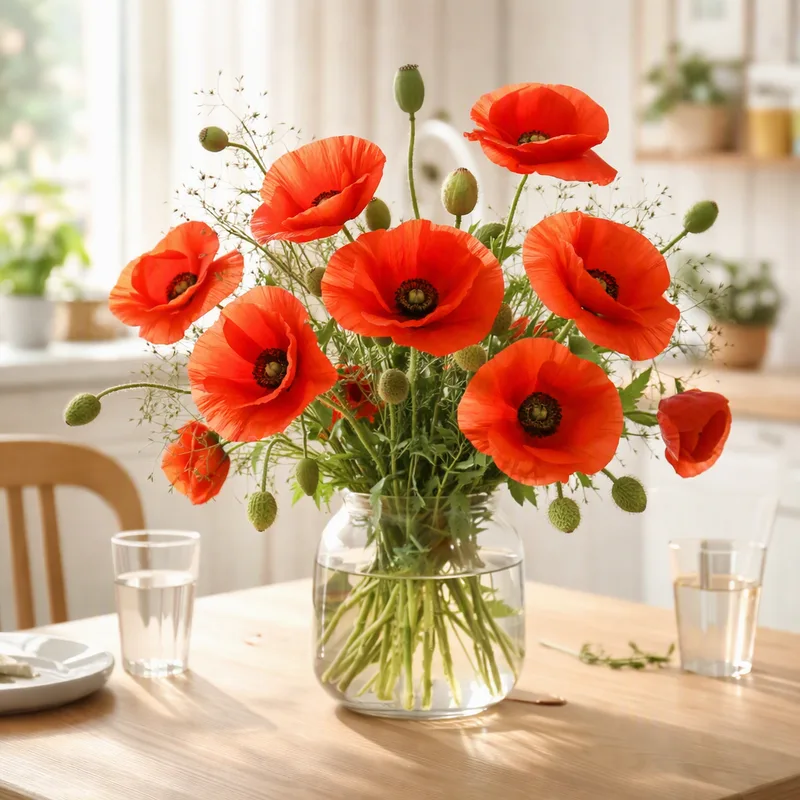
Fresh poppies droop quickly. Cut stems when the buds are just showing colour, and sear the ends in boiling water for a few seconds or hold them over a flame, then stand them in deep cool water. Even so, expect only a few days.
Mildly poisonous
The leaves and latex taste bitter and are mildly poisonous to grazing animals. Pet Poison Helpline reports stomach upset in dogs. Contact your vet if an animal eats a quantity, and NHS 111 if a child has eaten some.