
Flowers for hospital – how to choose the right bouquet
Few things brighten up a hospital stay like a beautiful flower bouquet. Flowers provide comfort, energy and a feeling of care. But not all flowers are suitable for hospitals – here you'll find the guidance you need.


Are you allowed to bring flowers into hospital?
Less and less - and never everywhere. There is no official Department of Health rule; each NHS trust, hospital and often each ward sets its own policy. Flowers and plants are not allowed in intensive care and high dependency units, and many trusts have extended restrictions to other wards, citing stagnant water as a breeding ground for bacteria and lack of space around the bed. Some wards still welcome them. The rule of thumb is simple: ring the ward before you order.
| Ward | Flowers | Why |
|---|---|---|
| General ward (orthopaedics, surgery, medical) | Varies | Some trusts and wards accept cut flowers in a vase, many do not. Ask - other patients in the bay may be allergic. |
| Maternity | Often yes | A popular place to send flowers where they are allowed. Avoid strong scents near newborns. |
| Intensive care and high dependency | No | Infection risk and sensitive equipment. Send to the home instead, or wait until the patient is moved. |
| Infectious diseases, haematology, transplant | No | Immunocompromised patients - soil, water and pollen are risk factors. |
| Oncology | Usually no | Many cancer units ban lilies in particular (pollen, scent). Always ask. |
| Mental health | Varies | Glass vases are sometimes not allowed - a hand-tied bouquet without a vase is the safer choice. |
How to send flowers to a patient
- Check with the ward
Ring and ask whether flowers are accepted and whether there are restrictions (scent, glass vase). Confirm the patient is still there while you are at it.
- Give the right recipient
Hospital name, ward and the patient’s full name. Add "patient" to the address line so reception understands.
- Choose a hospital-friendly bouquet
Low scent, low pollen, ideally already in a vase or with a water reservoir so staff do not have to hunt for one. No potted plants.
- Order in time
Order by 5:15pm Mon-Fri for next-day delivery. The bouquet is delivered to the main reception or mailing room, and hospital staff take it to the ward. A weekday delivery is safer than a Saturday.
If the patient has been discharged
It happens a lot - stays are short. If the bouquet has not been dispatched yet, contact customer service as soon as you hear and ask about changing the address; once delivered, it stays with the hospital reception or ward staff. Tip: send flowers to the home after discharge - they land right in the middle of recovery, and you avoid the ward rules altogether.
Order flowers easily online – next day delivery.
Order flowers nowFlowers that lift your mood
Studies have shown that flowers have a real positive effect on patients' wellbeing – they contribute to lower stress levels, reduced blood pressure and better mood. When you want to send flowers to hospital, you should choose bright, cheerful colours that convey hope and positive energy.
Tulips – fresh and cheerful
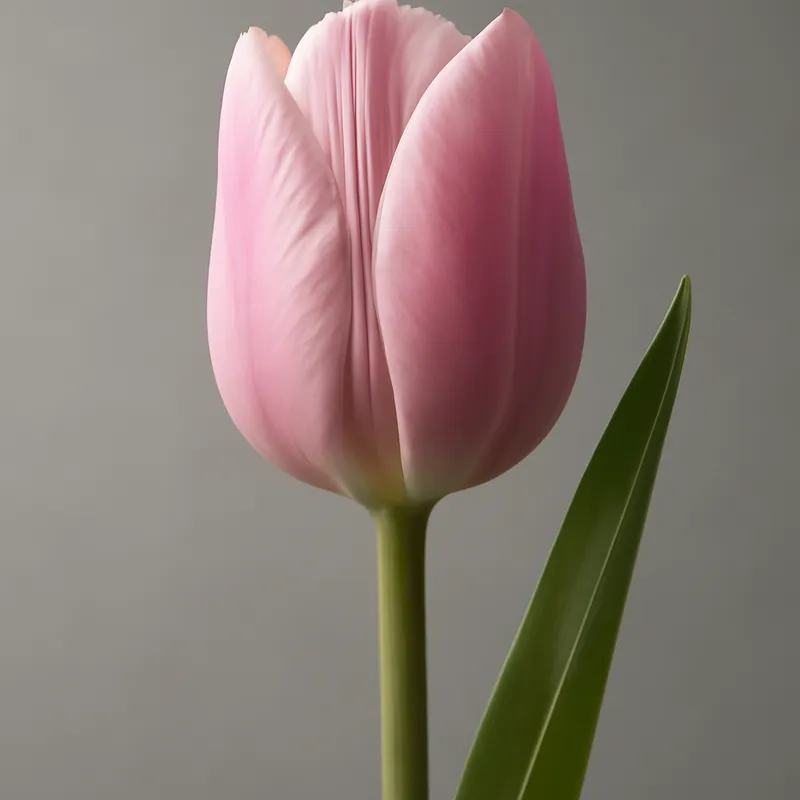
Tulips in pink, yellow and purple are an excellent choice for hospital visits. They have little or no scent (which is important in hospitals!), last a long time and radiate freshness. A colourful tulip bouquet really works wonders for the mood in a hospital room.
Gerbera – the flower of joy
With their strong, cheerful colours, gerberas are ideal for hospital visits. The flower is virtually scent-free, has long-lasting blooms (up to 14 days) and symbolises pure joy. Mix orange, yellow and pink gerberas in a bouquet to create a warmer and happier atmosphere in the room.
Daffodils and hyacinths
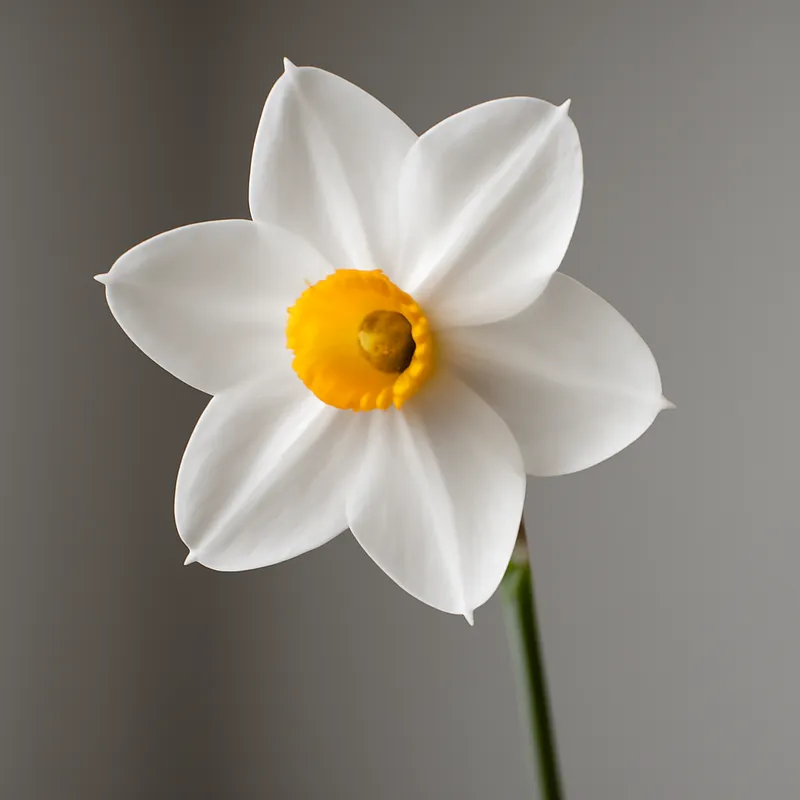
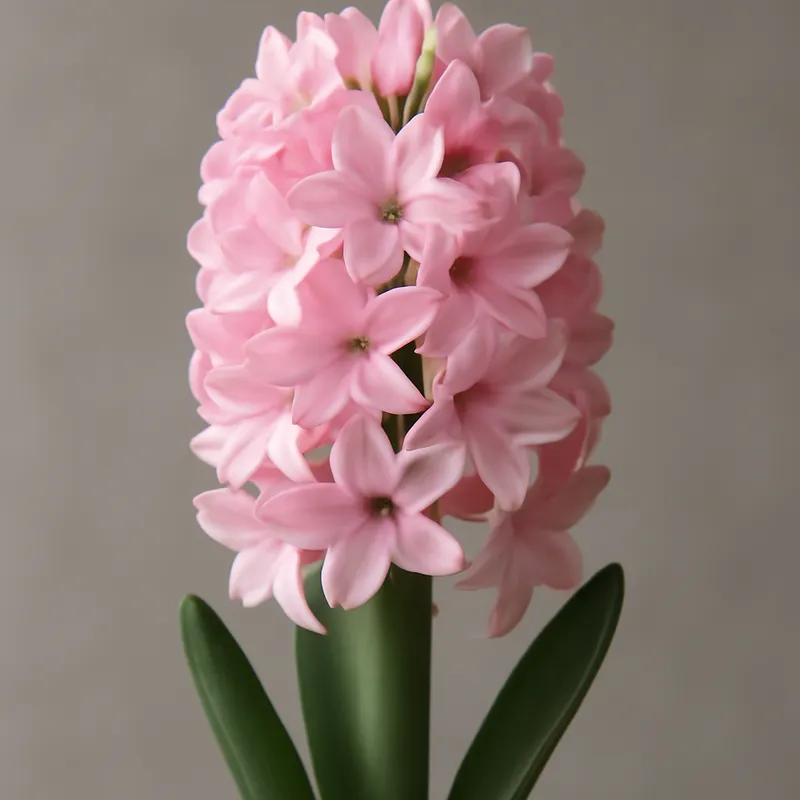
Daffodils stand for new life and hope – an encouraging message for someone who is ill. Hyacinths in light colours give a lovely warm feel. Be aware that hyacinths have a strong scent – check with the ward first if scented flowers are acceptable. You can order flowers with delivery directly to the hospital.
Send flowers quickly and safely throughout the UK.
View prices and selectionWhat should you avoid at the hospital?
- Strongly scented flowers: Oriental lilies, stargazer lilies and strongly scented roses can disturb patients with nausea or allergies. Check with the ward in advance.
- Allergy-triggering flowers: Pollen from lilies and chrysanthemums can trigger allergic reactions. Gerbera and tulips are safer alternatives.
- Lilies on cancer wards: Many cancer wards do not allow lilies at all, due to pollen and strong scent. Always check with the ward.
- Potted plants with soil: A number of hospitals do not allow potted plants with soil due to infection risk. Cut flowers are the safest choice.
Read our guide to sending flowers for more information about delivery times and practical tips. Also see flower language to choose the right symbolism for someone who is ill.
Safe choices for hospital visits
- Gerbera (virtually unscented, long-lasting)
- Tulips (unscented, cheerful colours)
- Alstroemeria (unscented, very long-lasting)
- Chrysanthemum (long-lasting, mild scent)
- Wax flower/sunflower (cheerful, low allergy risk)
Send flowers to the hospital to spread joy – see the selection of flowers online with fast delivery.
Quick guide: choose well
Works in hospital
- Gerbera - almost scent-free, lasts up to 14 days
- Tulips - scent-free, cheerful colours
- Alstroemeria - scent-free, very long-lasting
- Ranunculus and chrysanthemums - low scent, sturdy
- Bouquet with water reservoir - needs no vase
Avoid
- Lilies - strong scent and pollen that stains; often banned
- Hyacinths - overpowering in small rooms
- Potted plants with soil - infection risk, usually not allowed
- Large arrangements - bedside tables and windowsills are small
- Glass vases on wards where they are not permitted
We have delivery information for hospitals in the UK - find the right hospital, check delivery times and order directly.