Tulips – colours, history and care tips
Few flowers say 'spring' quite as clearly as the tulip. With vibrant colours and an elegant, slender form, it has become one of the world's most popular flowers – just as beautiful as a gift as in a vase at home. Here you'll find everything you need to know about tulips.

Order flowers easily online – next day delivery.
Order flowers nowThe history of tulips
Although most people associate tulips with the Netherlands, the flower originally comes from Central Asia and the Ottoman Empire. In the 16th century, it was brought to Europe and quickly reached the Netherlands, where it triggered one of history's most famous speculative booms – tulipomania – in the 1630s. Tulip bulbs were sold for astronomical sums, and the episode is considered one of the world's first financial bubbles.
Today, tulips are grown in the billions every year, and the Netherlands continues to dominate the global market. The UK imports large quantities during spring and autumn seasons. Would you like to send flowers with tulips, it's easy to order online.
What do tulips symbolise?
The tulip is generally associated with love, happiness and prosperity. As with roses, the meaning varies by colour:
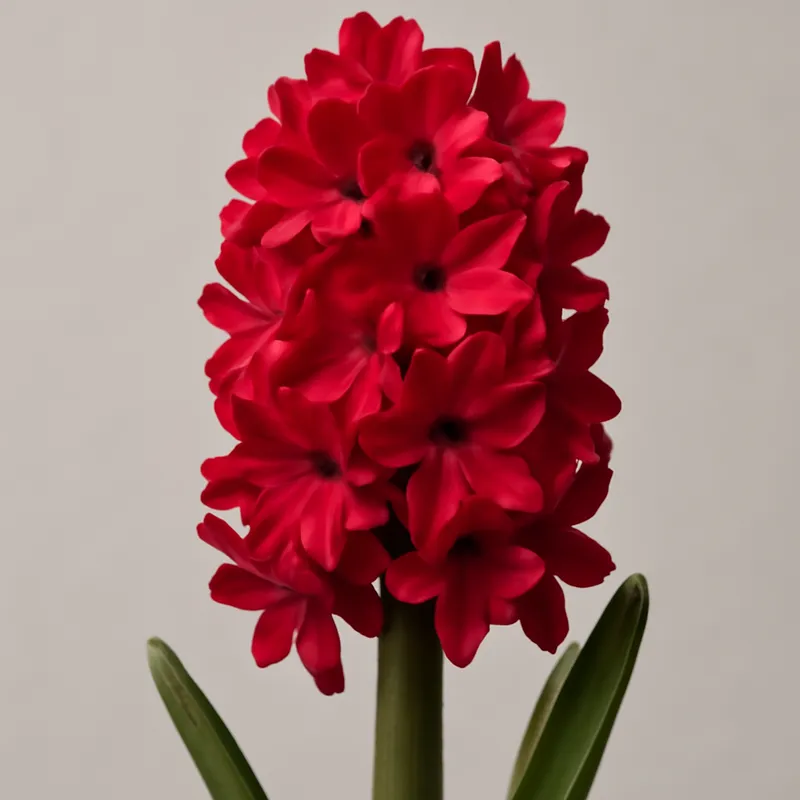
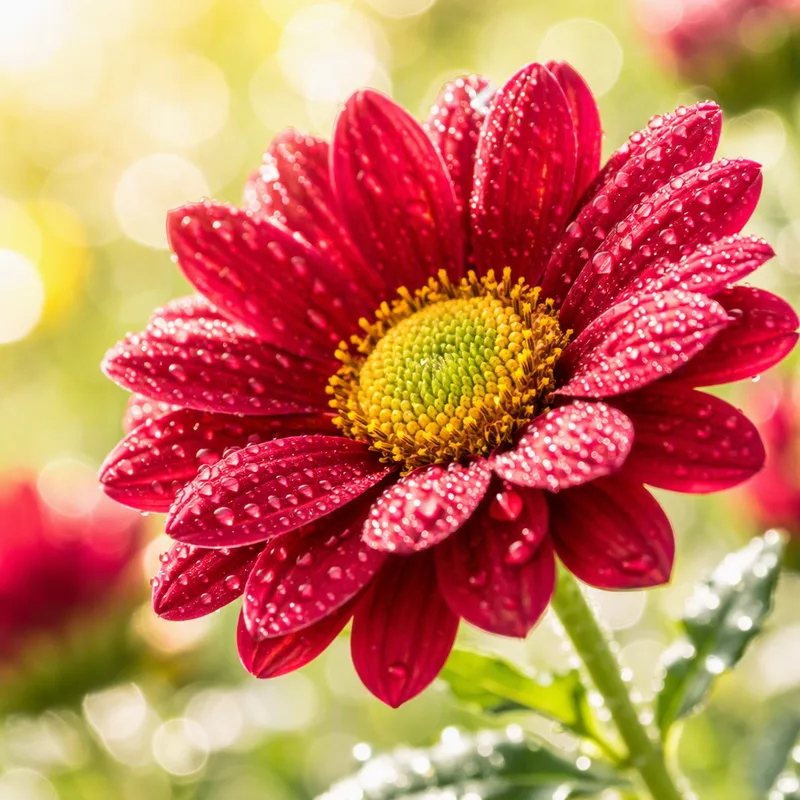
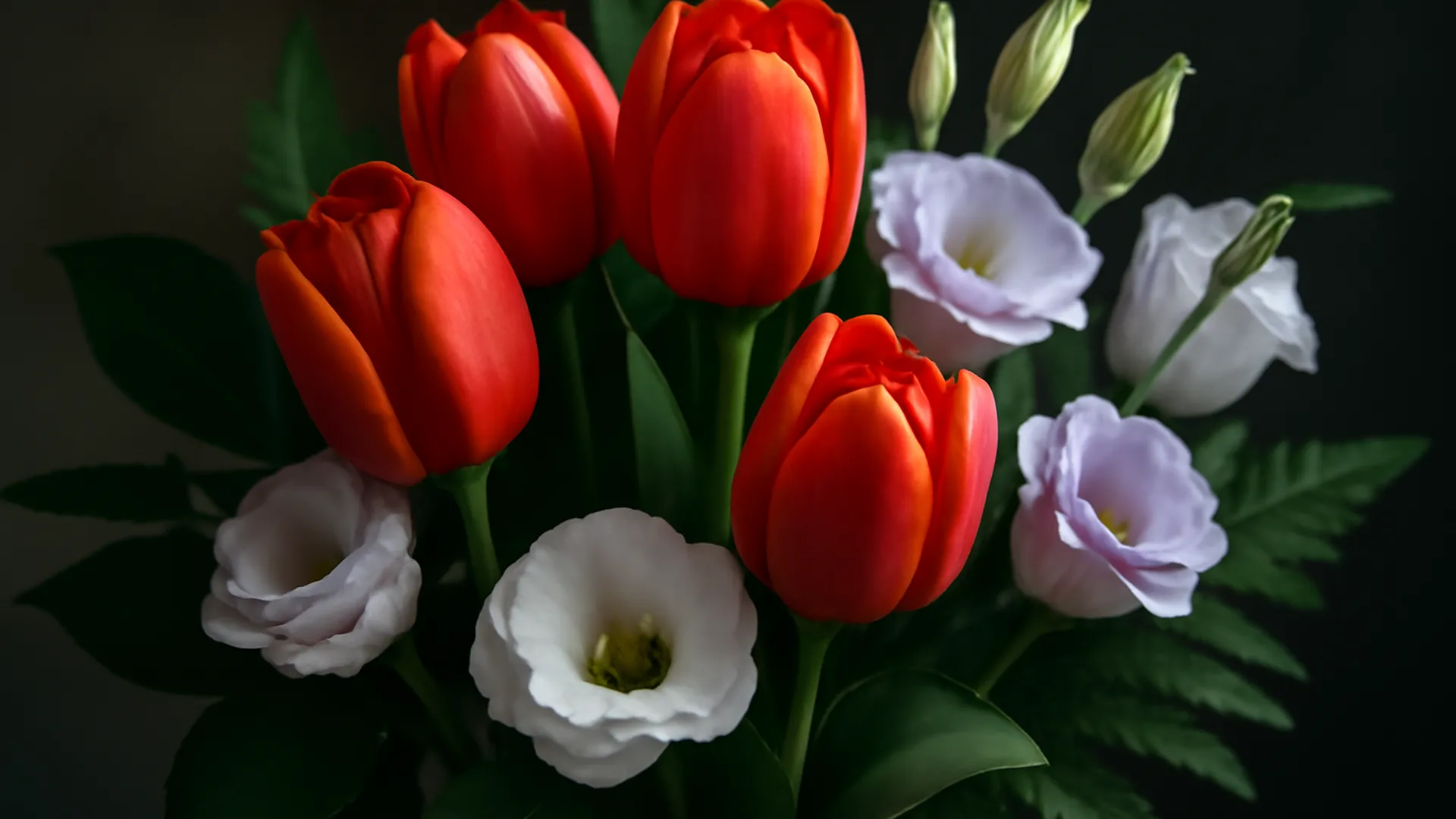
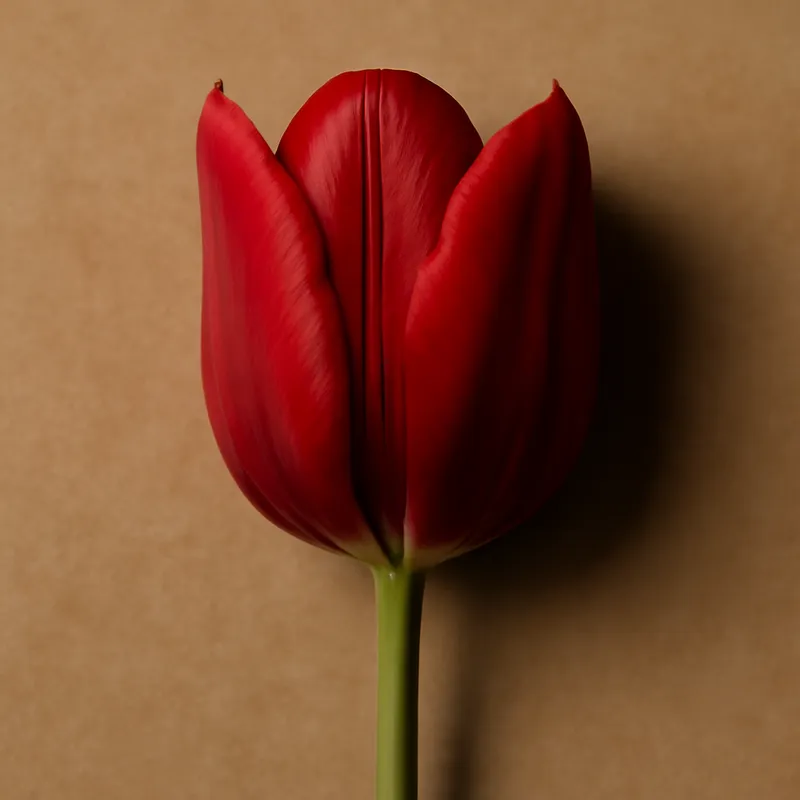
- Red tulip: Love and passion – a romantic alternative to the classic red rose.
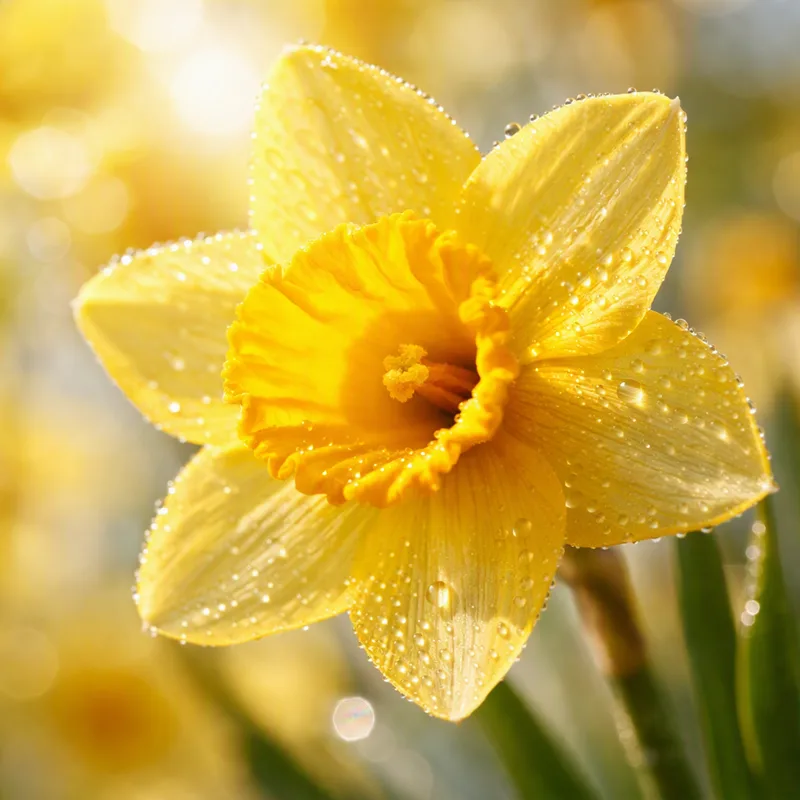
- Yellow tulip: Joy, friendship and sunshine. Perfect for brightening an ordinary day.
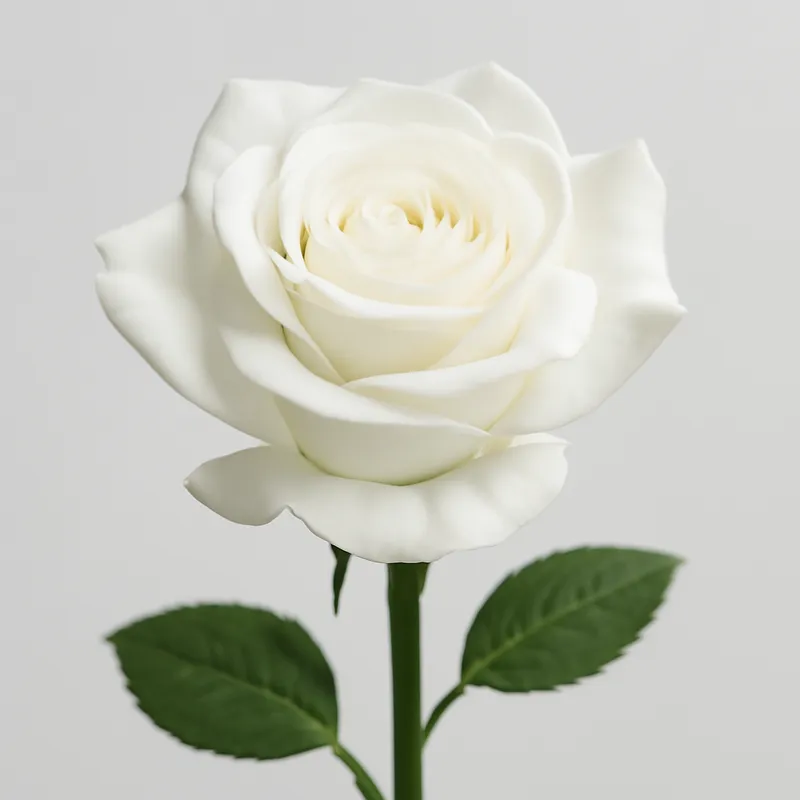
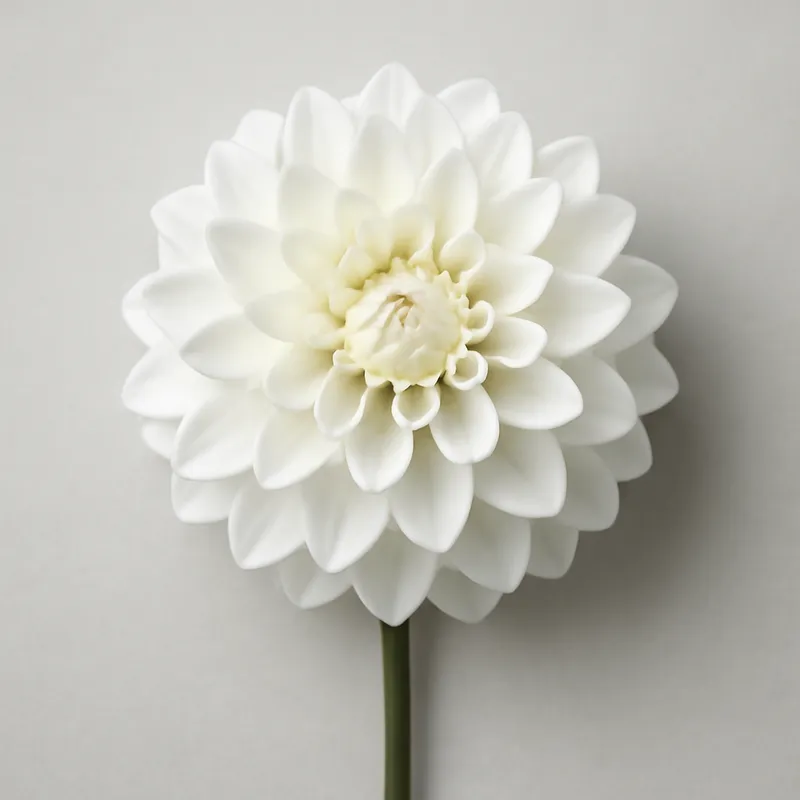
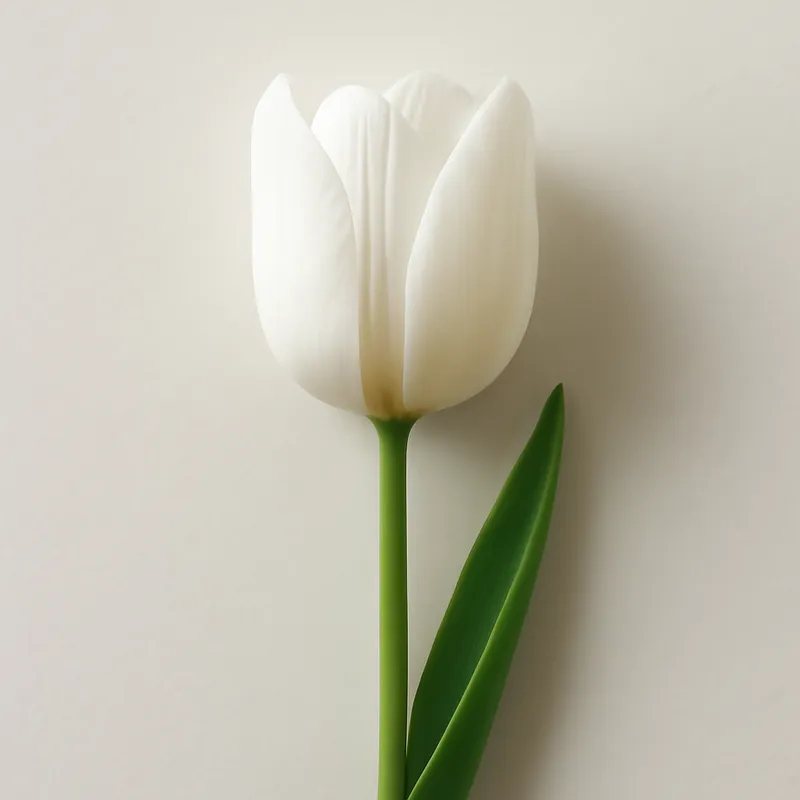
- White tulip: Purity and forgiveness. Often used as an 'I'm sorry' flower.
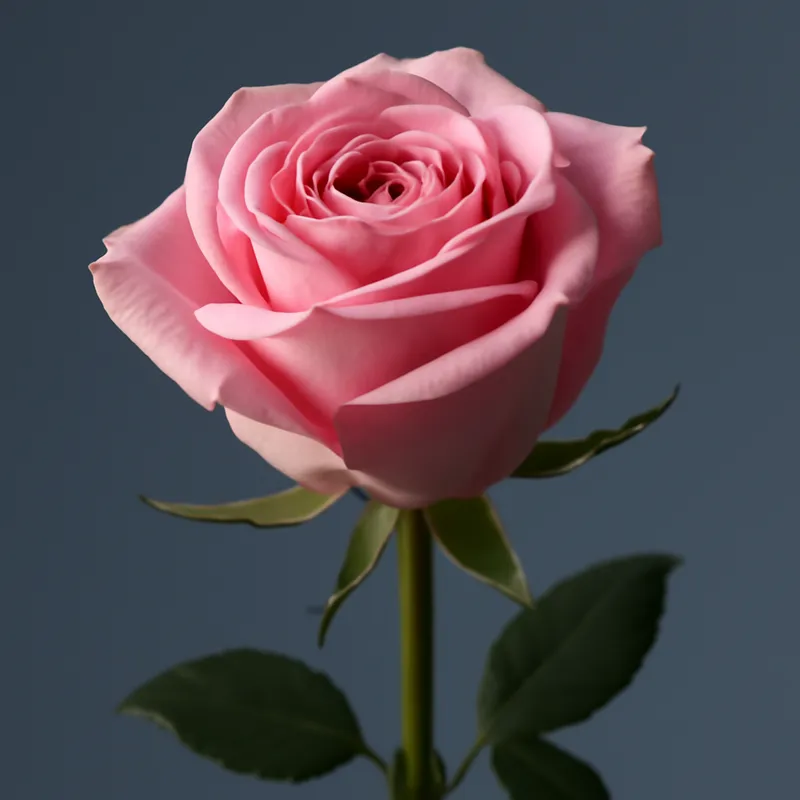
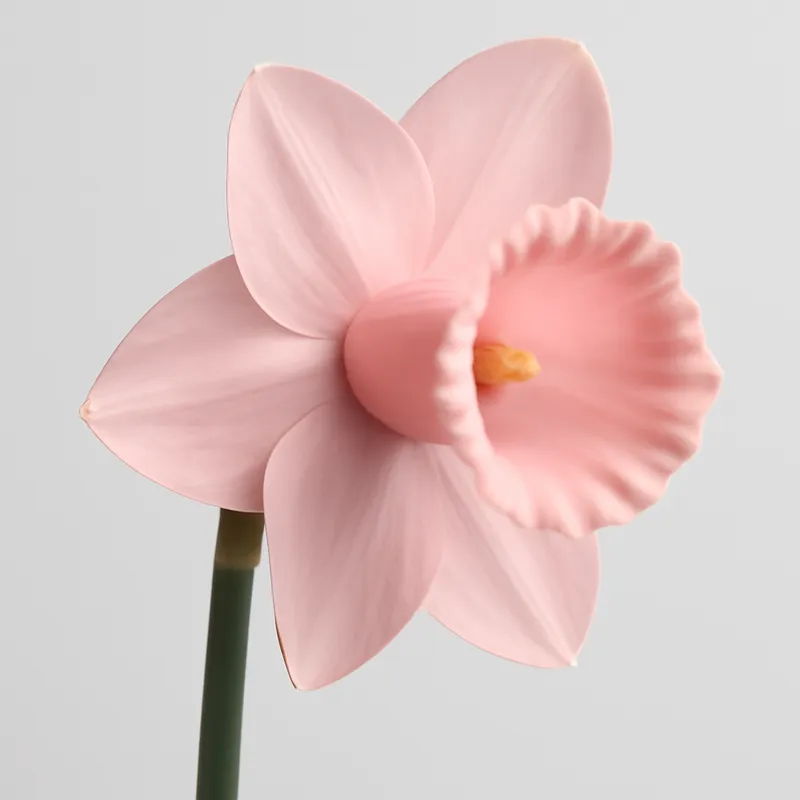
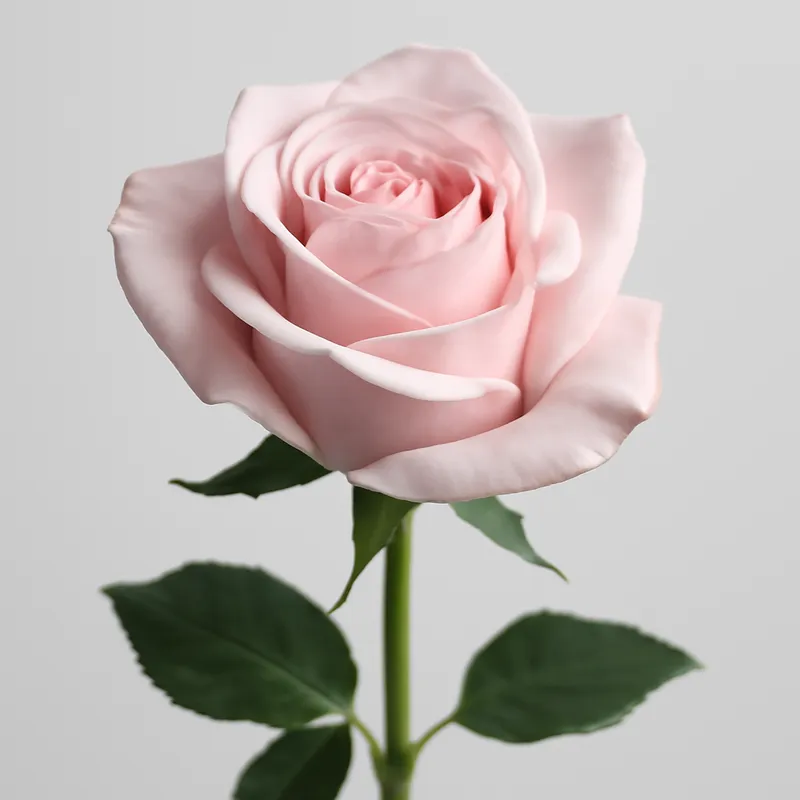
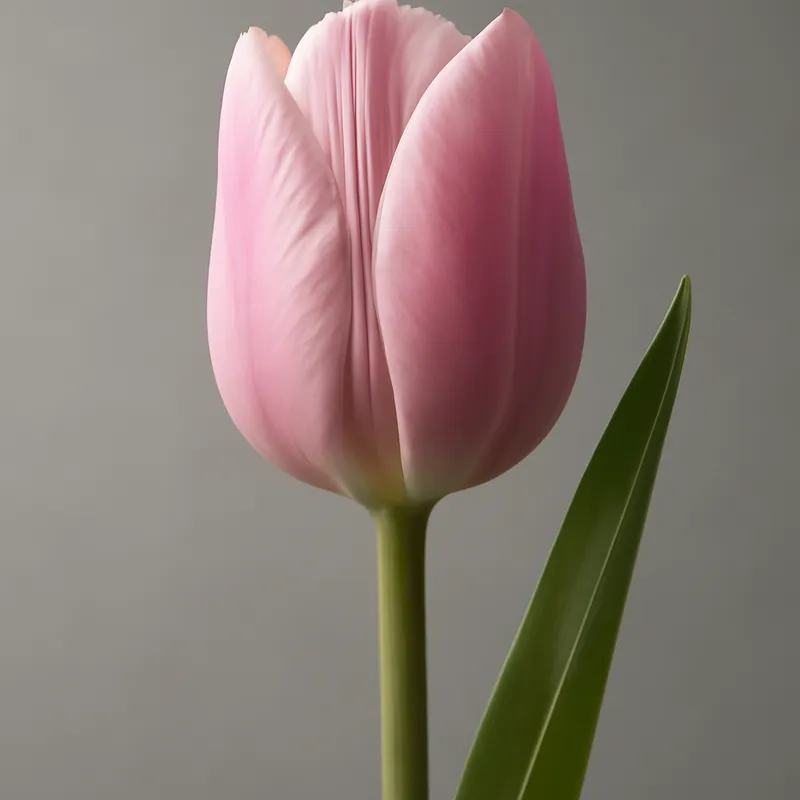
- Pink tulip: Care and happiness. A lovely gift for Mum or a good friend.
- Purple tulip: Royal elegance and admiration.
- Orange tulip: Enthusiasm and energy – a cheerful and unexpected gift.
Send flowers quickly and safely throughout the UK.
See prices and selectionPopular tulip varieties
There are over 3,000 registered tulip varieties, divided into 15 classes. Here are some you often find in bouquets:
- Triumph tulip: The most common variety class. Robust and long-lasting with a broad colour spectrum.
- Darwin Hybrid: Large, vigorous flowers with long stems. Popular as a cut flower.
- Parrot tulip: Feather-like petals in bold colours – a dramatic and unique choice.
- Double tulip: Double petals reminiscent of a peony. Luxurious appearance.
- Lily tulip: Pointed petals resembling a lily – elegant and sophisticated.
Care tips – how to keep tulips fresher for longer
Tulips are known for continuing to grow in the vase – stems can stretch up to 10 cm after being placed in water. When you order flowers with tulips, the recipient receives a bouquet that lives and changes. Here are the most important tips:
- Cut the stems straight across (unlike roses which are cut at an angle) and remove leaves below the waterline.
- Use a tall, narrow vase – tulips hold up better with support.
- Cold water is best. Change the water daily.
- Place tulips in a cool spot overnight, for example in a cold room – they last much longer at cool temperatures.
- Avoid placing in direct sunlight and near heat sources.
- A copper coin in the water is an old remedy that actually works – copper inhibits bacterial growth.
Quick overview – tulip vase life
| Colour | Vase life |
|---|---|
| Red tulip | approx. 3 days |
| Classic tulip | approx. 5 days |
| White / pink tulip | up to 10 days |
It's easy to buy flowers online – explore the range and learn more about what tulips mean in our guide to flower language, or read our care tips to keep your bouquet fresh for as long as possible.
Send tulips to someone you love – delivery throughout the UK.
Order tulips now →