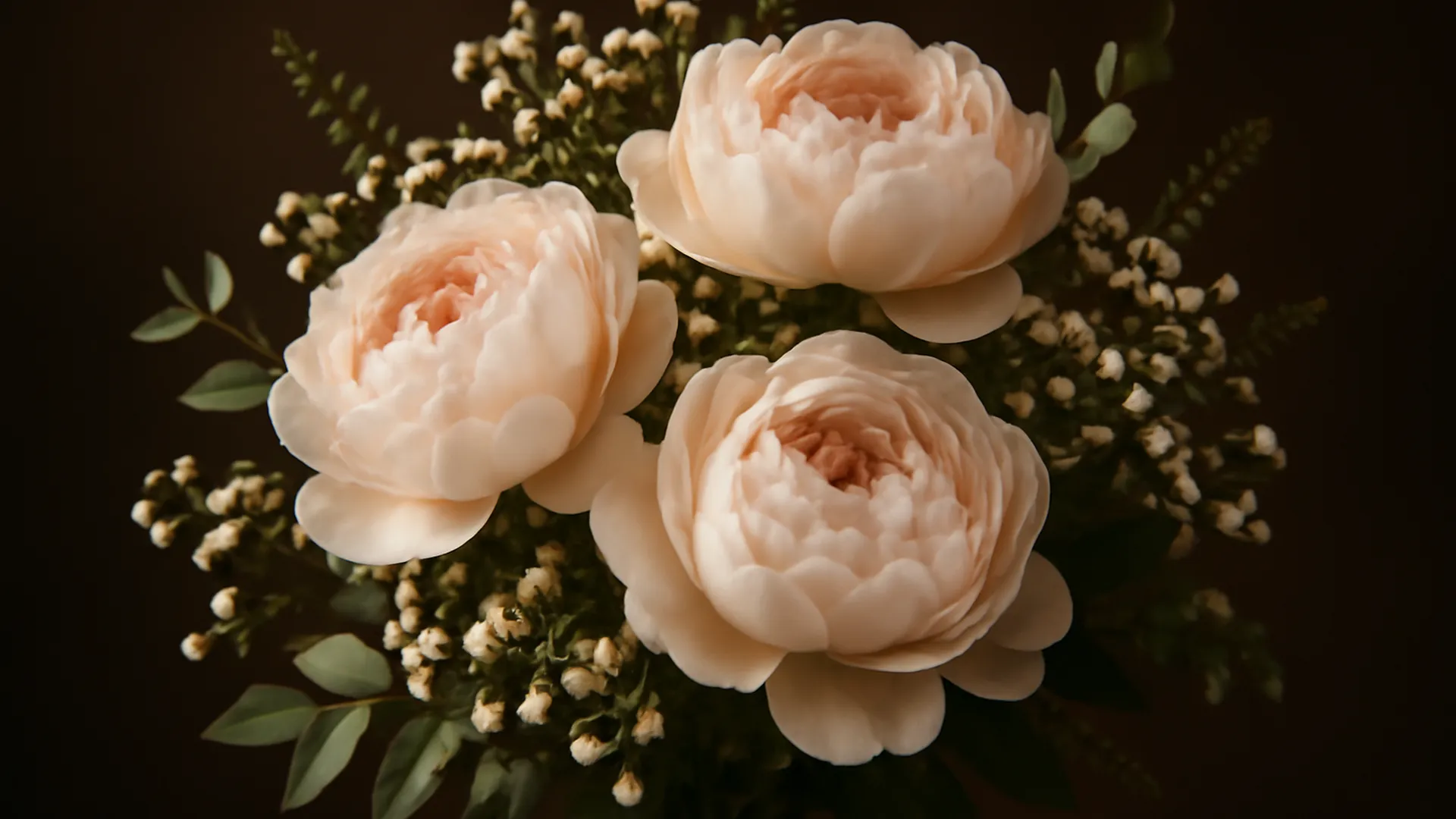
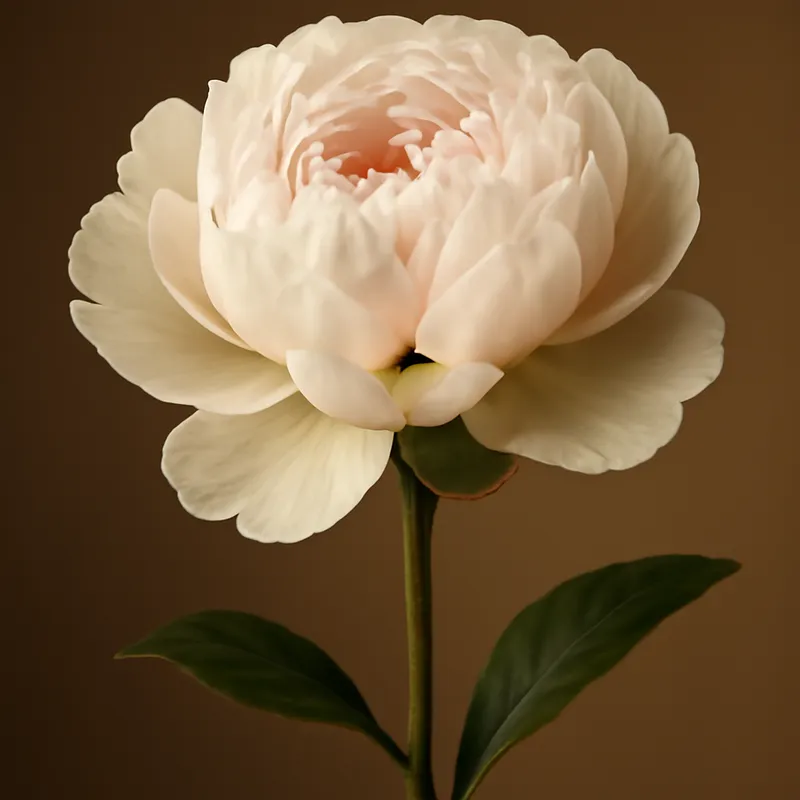
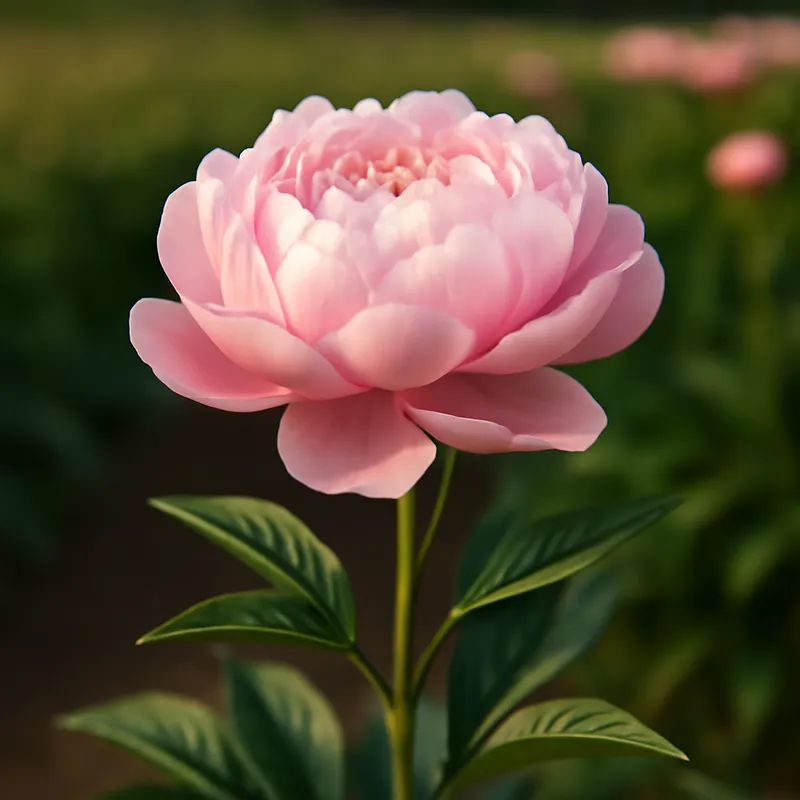
Classic peonies (Paeonia) are amongst the most beloved perennials in gardens. With their large, full flowers and intoxicating fragrance, they create a romantic atmosphere that few other plants can match. These majestic blooms have been cultivated for ornamental purposes for over a thousand years and continue to enchant gardening enthusiasts around the world.
Why choose classic peonies for your garden
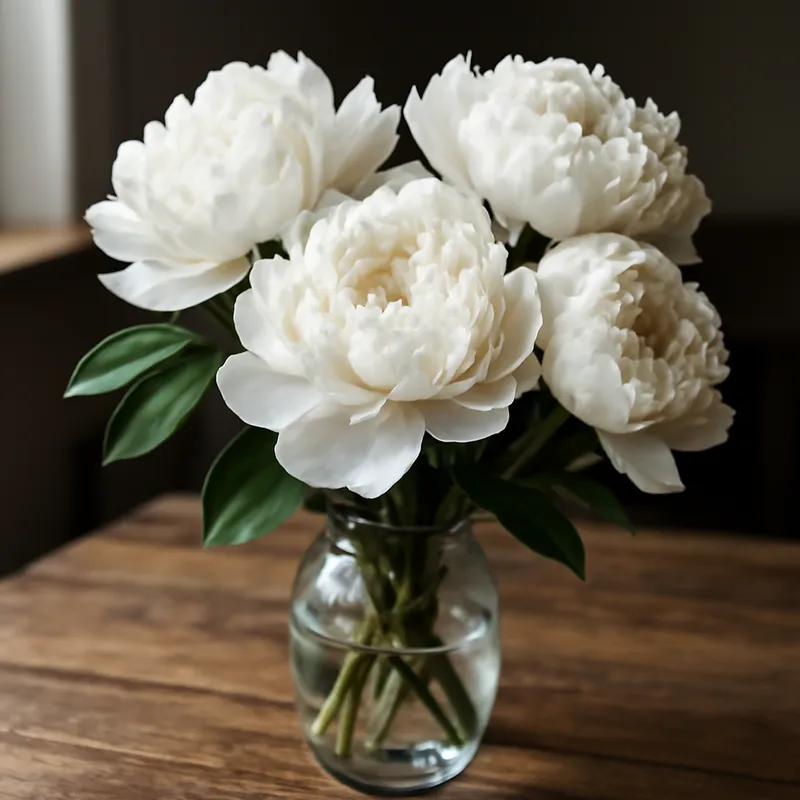
Classic peonies offer a unique combination of beauty and durability. These robust perennials can live for decades in the same spot and become only more beautiful with age. The flowers vary in colour from pure white to deep red, with every shade of pink in between. The characteristic fragrance is both sweet and spicy, making them perfect as cut flowers.
Planting and establishing peonies
Timing is crucial when planting classic peonies. The best time to plant is early autumn, from September to October, when the plant is preparing for winter dormancy. Choose a sunny to partially shaded spot with good drainage. Peonies thrive best in nutrient-rich, well-drained soil with a neutral to slightly alkaline pH.
Dig a generous planting hole and work in compost or well-rotted manure. Position the root so the buds sit approximately five centimetres below soil level. Planting too deeply is a common reason why peonies fail to flower.
Care during the growing season
In spring, the characteristic red shoots emerge from the ground. Water the plant thoroughly when the soil begins to dry out, but avoid watering the foliage to prevent fungal diseases. A thick mulch layer around the plant helps retain moisture and keep weeds at bay.
As the flowers begin to develop, you may need to support the heavy flower stems with discreet supports. This is especially important for double varieties with extra-large flowers.
Pruning and aftercare
After flowering, remove the faded flowers to prevent seed formation and conserve plant energy. Leave the foliage in place throughout the growing season as it's needed to build up nutrients for next year's blooms. In late autumn, once the leaves have yellowed and wilted, you can cut the entire plant back to ground level.
Long-term care of peony plants
Classic peonies are long-lived plants that don't like being disturbed. Avoid moving established plants unless absolutely necessary. A well-maintained peony can flower for 50 years or more in the same spot. Give the plant an annual application of compost or well-rotted farmyard manure in early spring to maintain soil fertility.
Common problems and solutions
The most common problem with peonies is a lack of flowering, which is usually due to planting too deeply or insufficient sunlight. Grey mould can occur in damp conditions, but good air circulation and correct watering techniques prevent this effectively.