Classic Lilies: A Guide to Growing These Elegant Flowers
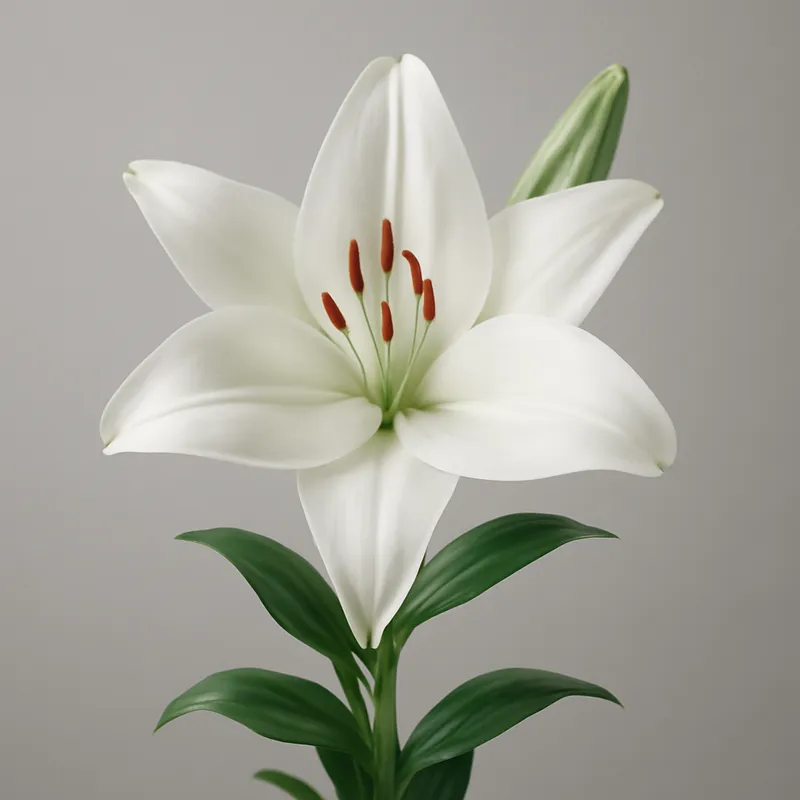
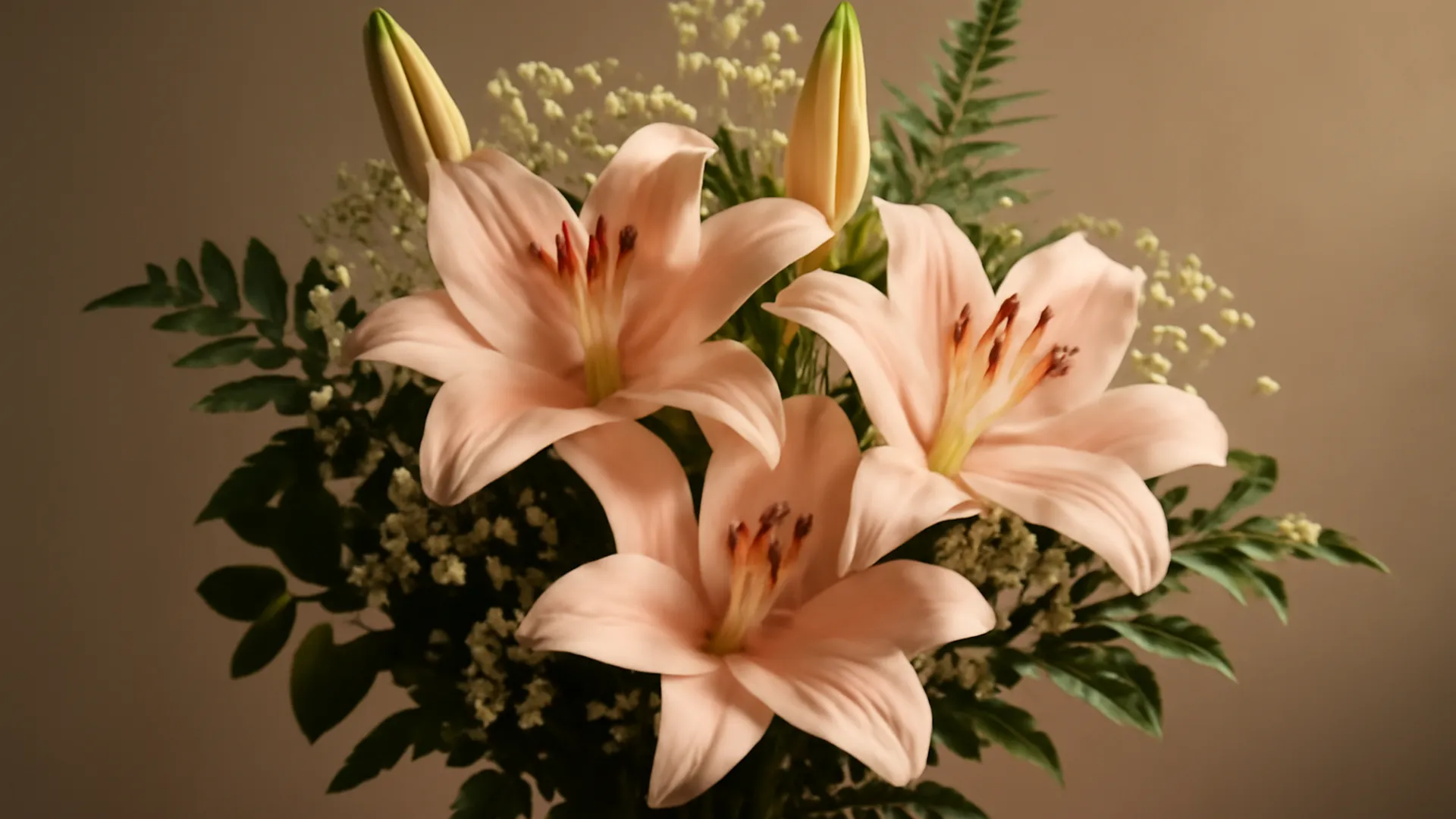
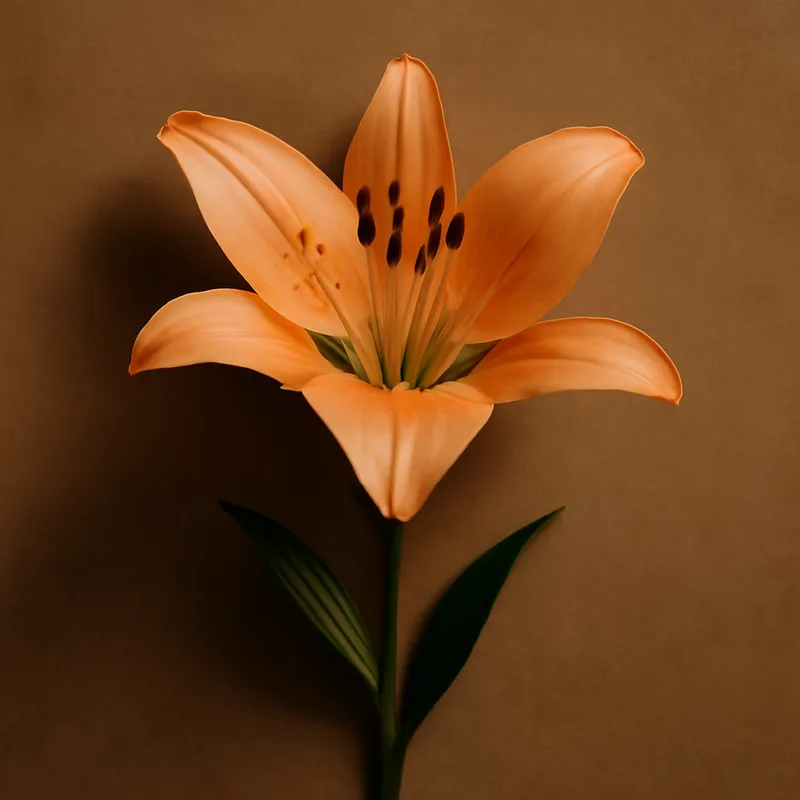
The classic lily is one of our most beloved perennials, embodying elegance and timeless beauty. With their majestic flowers and characteristic fragrance, lilies have been a symbol of purity and refinement for centuries. These magnificent plants belong to the Liliaceae family and offer a fantastic variety of colours and forms, making them an invaluable addition to any garden.
Planting and Soil Conditions
Classic lilies thrive best in well-drained soil that is rich in organic matter. Plant the bulbs at a depth equivalent to three times the bulb's height, typically between 15-20 centimetres deep. Choose a position with morning sun and afternoon shade for best results. The soil should be slightly acidic to neutral with a pH value between 6.0 and 7.0.
Watering and Feeding
Regular watering is essential for lily wellbeing, particularly during the growing season. Keep the soil evenly moist but avoid waterlogging, which can cause bulb rot. Water at the base of the plant to avoid wetting the foliage, which can lead to fungal diseases. In spring and early summer, feed the plant with a balanced fertiliser applied at moderate strength.
Care During the Growing Season
Once your lilies have finished flowering, it is important to leave the foliage in place until it yellows naturally. The leaves continue to produce nutrients that are stored in the bulb for next season. Remove only the spent flowers to prevent seed formation and direct energy back into the bulb. Light mulching around the plant helps retain moisture and keep weeds at bay.
Overwintering and Long-Term Care
Most classic lilies are hardy and will survive UK winters without difficulty. A protective layer of leaves or bark can be beneficial in colder regions. Bulbs can be divided every three to four years once they become overcrowded. This is best done in late summer when the foliage begins to yellow.
Common Problems and Solutions
Lilies can be affected by various pests and diseases. The lily beetle is a common problem that can be controlled through hand-picking or biological plant protection products. Fungal diseases such as grey mould are prevented through good air circulation and avoiding overwatering. Slugs and snails can also be problematic, particularly on young shoots.
Design and Combining with Other Plants
Classic lilies work beautifully as specimen plants or in groups of three to five. They complement other perennials such as delphiniums, roses and peonies wonderfully. Their tall, elegant growth habit makes them perfect as background plants in flower beds or as focal points in smaller garden spaces.