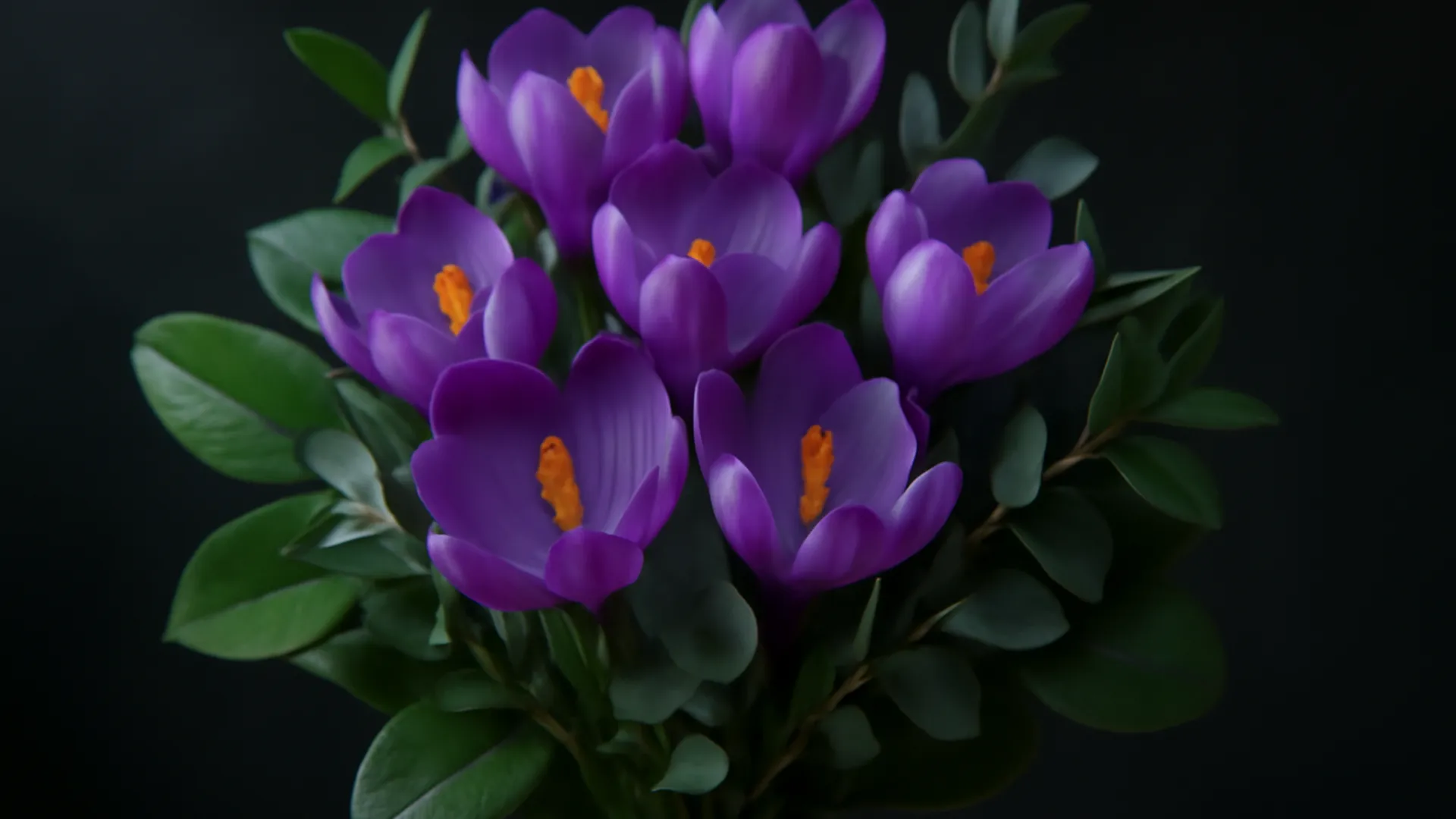
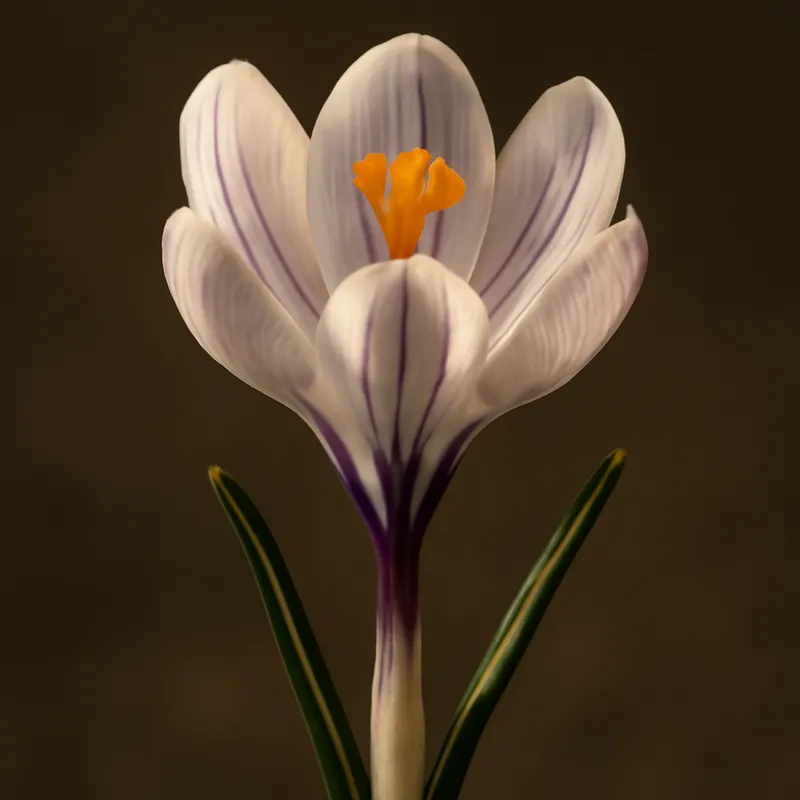


Classic Crocus
Classic crocus is one of our most beloved spring flowers, with its vibrant colours signalling that winter is finally over. This charming bulb belongs to the Iridaceae family and is renowned for its characteristic cup-shaped flowers that open towards the sun.
Early spring flowering as a delight
Classic crocus blooms early in spring, often as early as March when snow still lingers in shaded spots. The flowers emerge directly from the ground before the foliage fully develops, creating a magical sense that spring is truly on its way. The six petals form an elegant cup shape that opens in sunshine and closes in the evening or during cloudy weather.
A riot of colour for all tastes
This classic crocus comes in a broad spectrum of colours to satisfy every garden enthusiast. From deep purple and violet to pure white, yellow and orange, classic crocus offers possibilities to create beautiful colour combinations in your spring garden. Many varieties also feature lovely stripes or markings that give the flowers extra character.
Planting and establishment
Plant the bulbs in autumn, ideally in September or October, to allow them to establish before winter. They thrive best in well-drained soil in a sunny to semi-shaded spot. The planting depth should be approximately three times the bulb's height, which typically means 8-10 centimetres deep.
Natural reproduction
One of crocus's great advantages is its ability to reproduce naturally through both seed and offsets. Over the years, beautiful carpets of flowers form that become progressively denser and more impressive. This makes classic crocus an excellent investment for long-term garden planning.
Perfect for naturalising
Classic crocus is excellently suited to naturalising in lawns, beneath trees and shrubs or in flower beds. Once the flowers have finished blooming and the foliage has yellowed, it can be left in place to draw energy for the following year's flowering. This makes it ideal for areas where you want beautiful spring flowering without excessive maintenance.
Care through the seasons
During the growing season, classic crocus requires minimal care. The important thing is to leave the foliage in place until it yellows naturally, which typically happens in May or June. During this period the bulb gathers strength for next year's flowering. Watering is rarely needed as spring usually provides sufficient moisture.
Combinations with other plants
Classic crocus works beautifully with other spring flowers such as snowdrops, winter aconite and spring star flower. These combinations create a prolonged spring show that begins early and continues for several weeks. Paired with early perennials such as lungwort and hellebores, the result is equally appealing.