

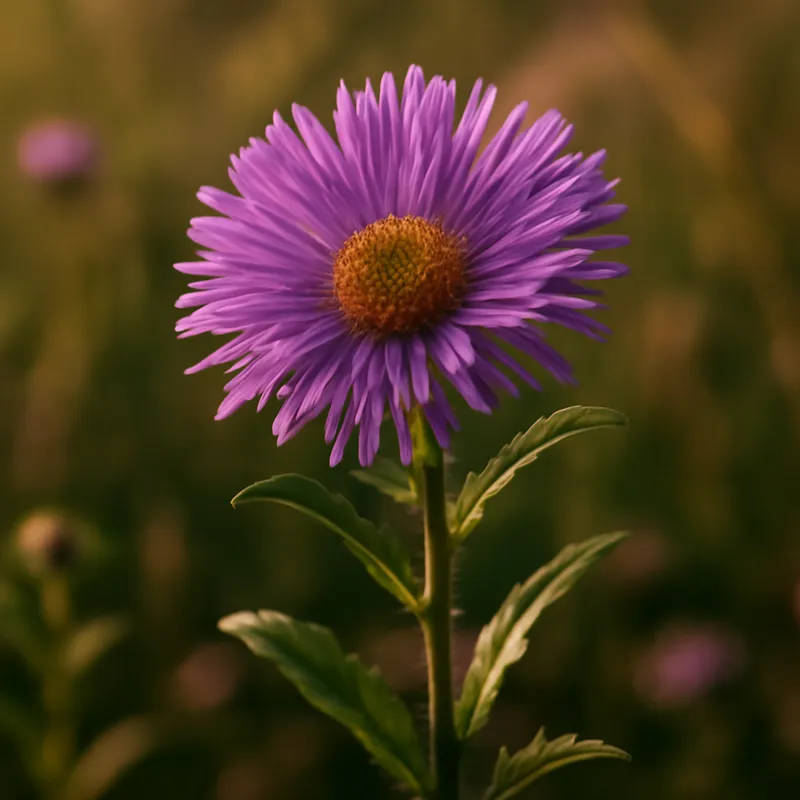
Classic Aster
Classic aster is one of autumn's most treasured flowers, extending the garden season with its rich colours. When many other plants begin to fade and prepare for winter, the aster blooms prolifically and spreads joy with its countless tiny flowers.
Characteristic Features of Classic Aster
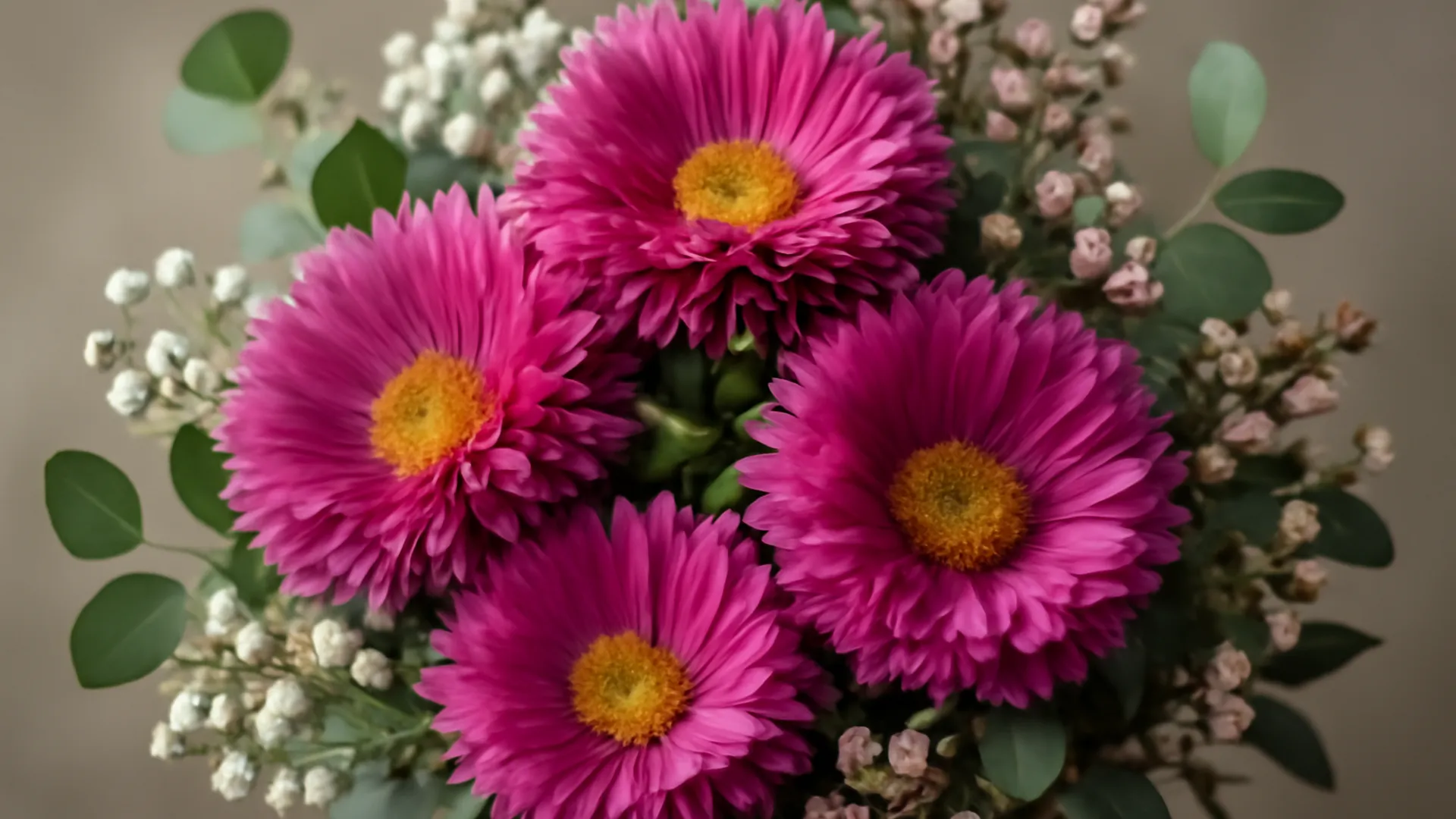
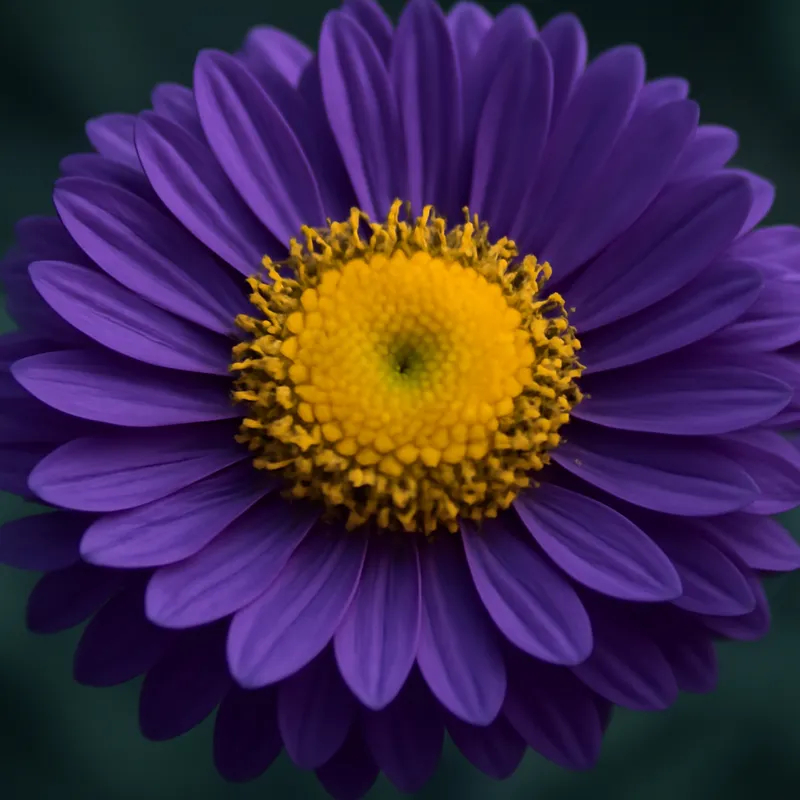
This robust perennial is characterised by its dense flower clusters that come in shades of purple, pink, white and blue. The flowers have a distinctive form with narrow petals radiating from a yellow centre, giving them a star-like appearance. The plant forms dense clumps and can grow between 30 and 150 centimetres tall depending on the variety.
The leaves are narrow and lance-shaped with a somewhat rough texture. During the growing season, the plant builds up its green foliage before exploding into a profusion of blooms in late summer and early autumn. The flowering period can last for several months under favourable conditions.
Cultivation and Garden Placement
Classic aster thrives best in a sunny to partially shaded spot with well-draining soil. The plant is relatively undemanding but appreciates nutrient-rich soil that doesn't dry out during the growing season. A position with morning sun and afternoon shade can be ideal in warmer climates.
When planting, allow each plant sufficient space as aster spreads via root runners and becomes quite wide over time. This makes it an excellent ground cover for larger areas.
Care During the Growing Season
In spring, it's appropriate to divide large clumps to keep the plant vigorous and floriferous. This is best done when new shoots begin to appear. Regular watering during dry periods promotes richer flowering, but avoid watering the foliage to reduce the risk of fungal diseases.
Light feeding early in the season provides the plant with the nutrients it needs to produce abundant flowers. Many gardeners cut the stems back by half in mid-summer to create a more compact plant and prevent it becoming too tall and flopping over.
Combinations with Other Plants
Classic aster is an excellent companion to other autumn-flowering plants such as chrysanthemum, sedum and ornamental grasses. It also works well with spring bulbs like tulips and daffodils, as the aster emerges later and conceals the faded foliage of the bulbs.
In flower beds, aster can be used as a background plant or as filler between larger shrubs. Its long flowering period makes it a valuable addition to any planting scheme where late-season colour is desired.