Lupin – Classic – Guide & Ordering

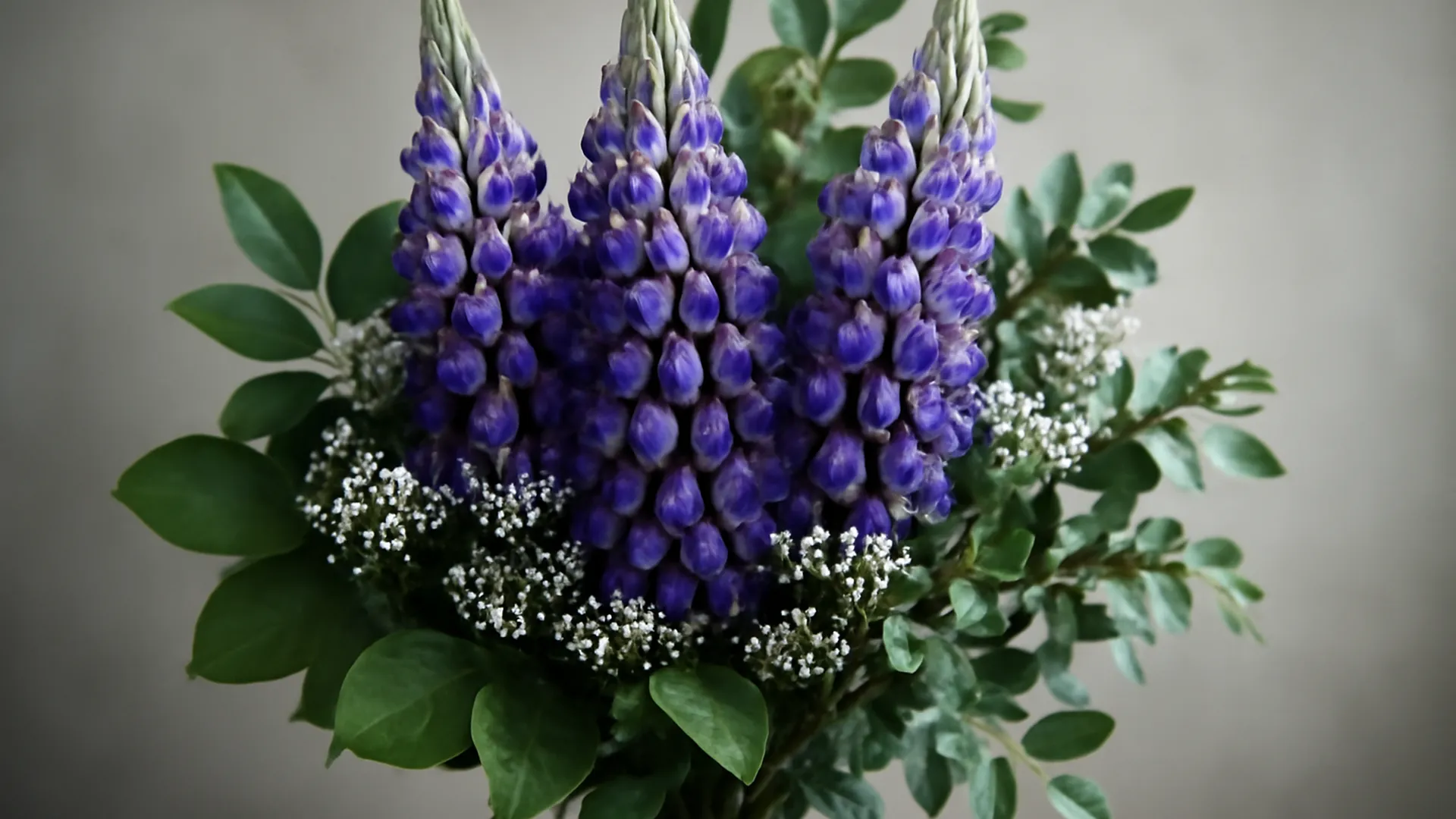
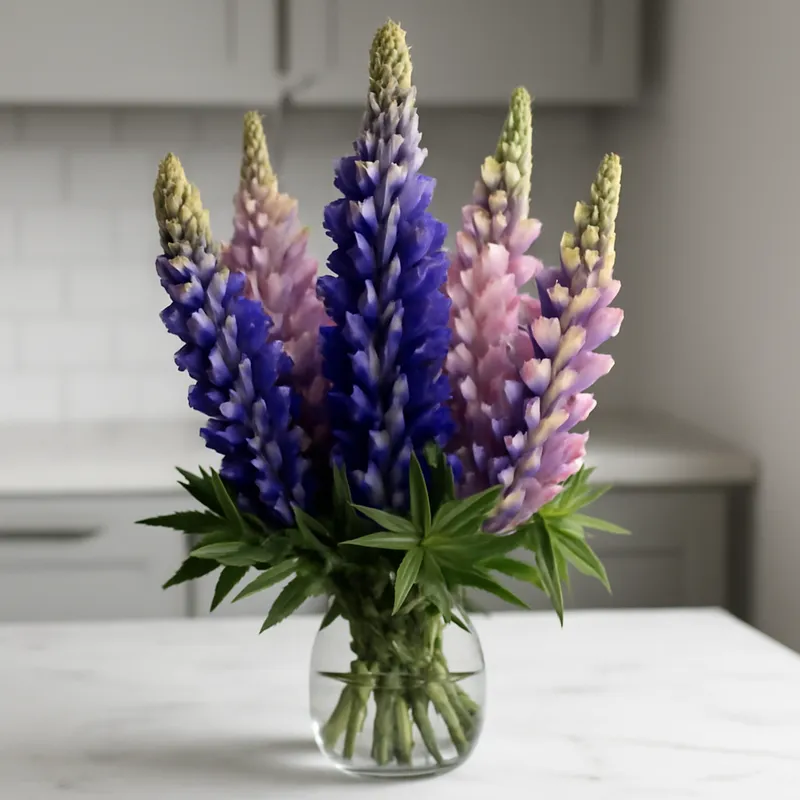
Lupins in classic variety. Beautiful in a bouquet, as a gift or when you want to impress without any fuss.

Lupin – Classic, the Timeless Favourite

Lupin – Classic is a flower that never goes out of style. With its classic charm and elegant appearance, Lupin – Classic is perfect when you want to impress without having to go to any effort. This flower represents simplicity meeting beauty, and that is precisely what makes Lupin – Classic so beloved among flower enthusiasts across the country. Whether you are an experienced flower enthusiast or completely new to the world of flowers, Lupin – Classic is a safe choice.

Colour and Characteristics

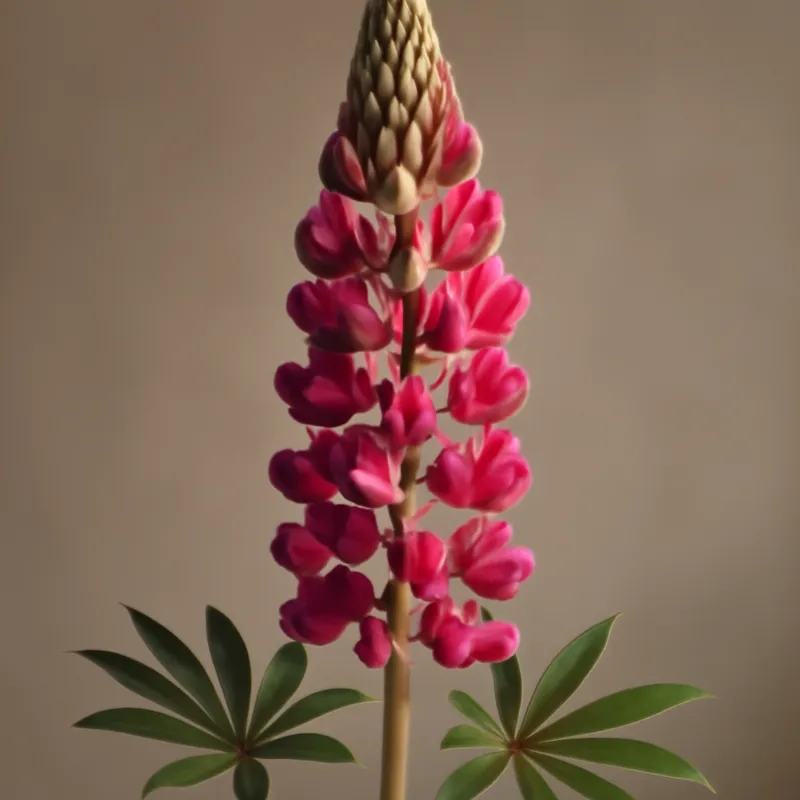
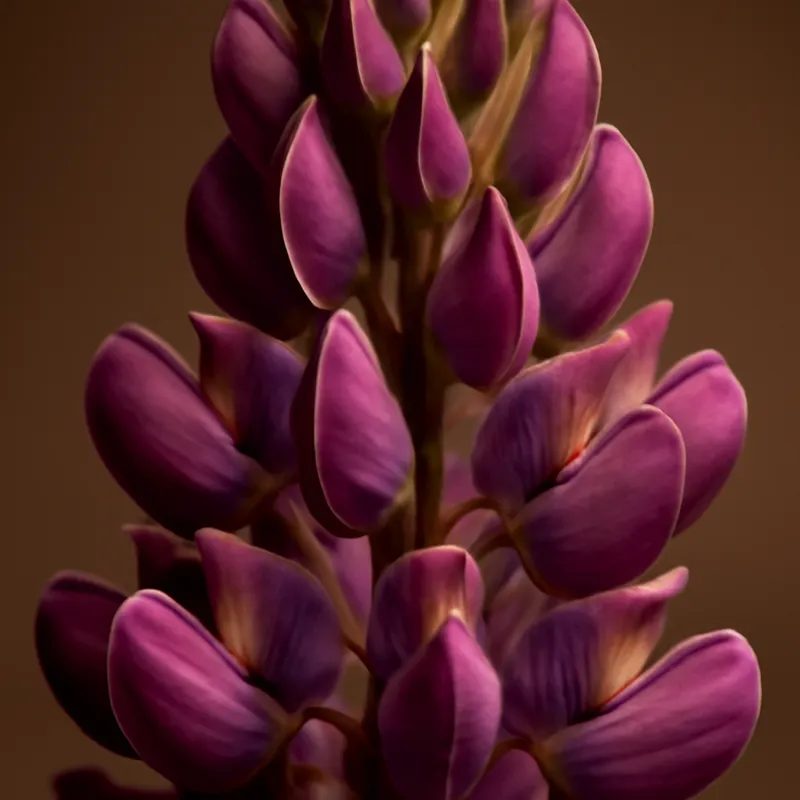
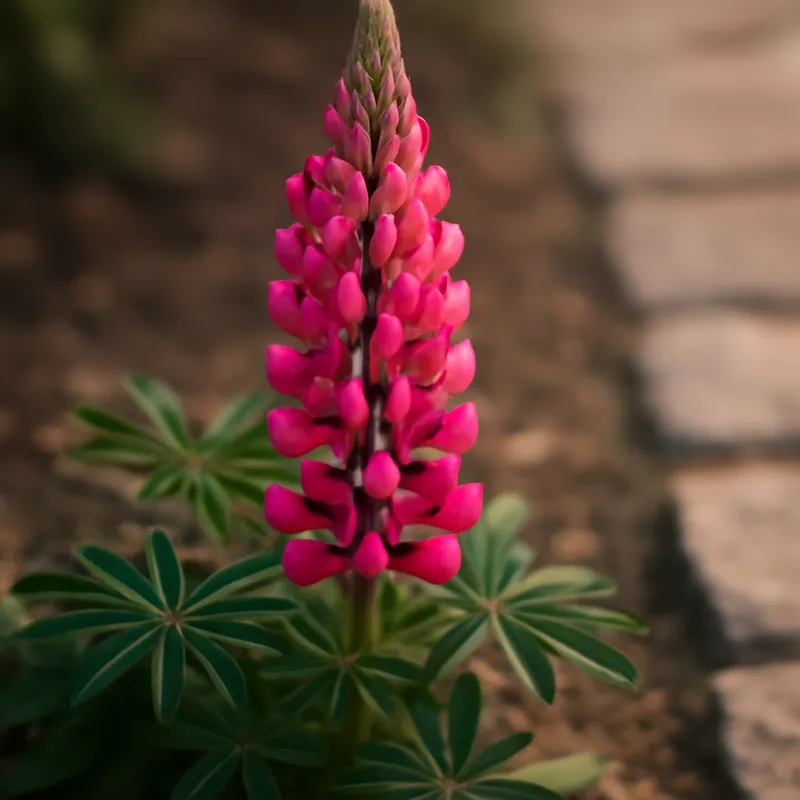
Lupin – Classic presents itself in a beautiful orange colour that warms up both room and mood. The flower has only a mild scent, which suits those who prefer flowers without a strong fragrance. It is a flower that works for many occasions and creates a lovely visual effect without taking up too much space.

Care and Longevity

Lupin – Classic is a low-maintenance flower that does not require special care. It needs a little water and thrives best in a brightly positioned spot indoors. Lupin – Classic is toxic to cats and dogs if eaten, so keep it out of their reach.

A Classic Gift for Every Occasion

Lupin – Classic is particularly suitable for thank you occasions or when you simply want to make someone happy. Spring's arrival is the perfect time to send Lupin – Classic – the flower symbolises renewal and gratitude. Lupin – Classic is excellent as a gift for friends, family or colleagues, and its timeless beauty will make the recipient feel valued and special.
Quick facts – Lupin – Classic

Colour
blue
Latin name
Lupinus polyphyllus
Type
garden perennial
Flowering
june-july
Light
full sun
Water
moderate
Height
60-120 cm
Vase life
5-7 days
Scent
mild
Toxic to Pets
yes
Choose bouquet Learn about delivery & times

Delivery across the United Kingdom • Popular choices

FAQ about Lupin – Classic

What kind of soil suits lupins best?
Lupins thrive in well-drained, slightly acid to neutral soil with a pH of 5.5-7.0. They dislike limy and waterlogged soil. Lupins fix their own nitrogen, so the soil does not need much fertiliser.
How often should lupins be watered?
Water regularly during the growing season, especially in dry spells, watering deeply but letting the soil dry slightly in between. Established lupins have a deep taproot and cope fairly well with dry spells.
When and how should lupins be pruned?
Cut faded flower spikes back to the first side shoot to encourage a second flush and prevent self-seeding. In late autumn, cut the whole plant down to ground level once it has died back.
Which pests and diseases can affect lupins?
The lupin aphid can form large colonies on stems and spikes, so rinse them off or remove affected parts. Slugs and snails love young plants, and root rot occurs in wet soil.
Are lupins hardy?
Yes, garden lupins are fully hardy perennials. The plant dies down above ground in autumn but the roots survive the winter. Lupins are fairly short-lived and are best renewed from seed or cuttings every few years. Note that lupin seeds and plants are poisonous.

Recommended bouquets

Related flowers

🌸 Choose Bouquet