

White Tulips: A Guide to Growing Pure Elegance
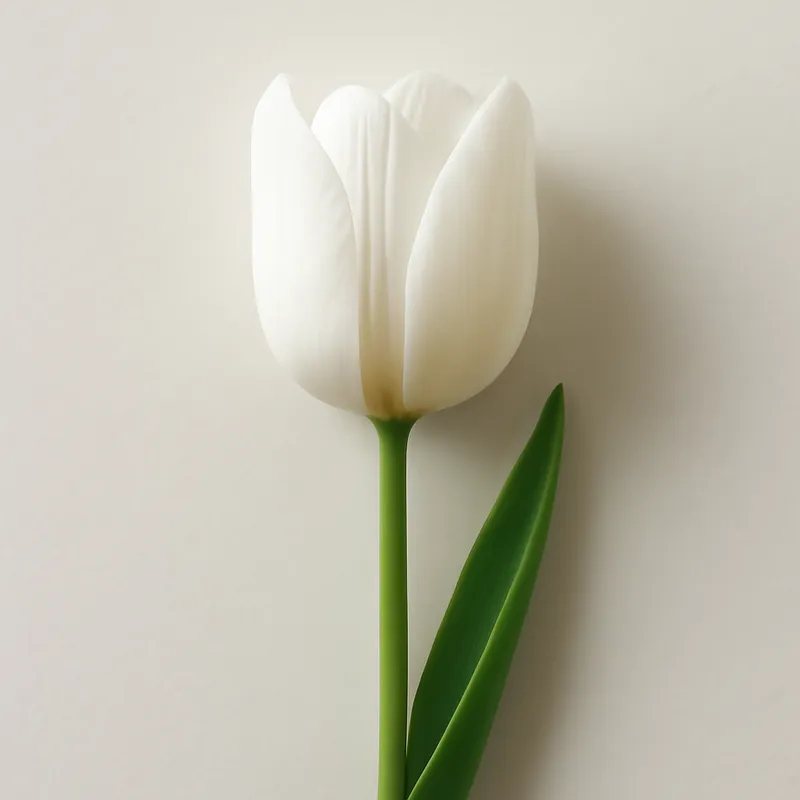
The white tulip is one of our most beloved spring flowers and symbolises purity, elegance and new beginnings. With their classic appearance and timeless charm, white tulips have been a favourite in gardens across the world for centuries. These graceful flowers belong to the Tulipa family and offer a pure, crystal-white colour that illuminates the spring garden in a truly unique way.
Planting and Soil Conditions
White tulips thrive best in well-draining soil with good drainage. Bulbs should be planted in autumn, ideally in October or November, before the ground freezes. The planting depth should be approximately three times the height of the bulb, which usually means 12-15 centimetres deep. Choose a sunny to semi-shaded spot where the tulips can receive at least six hours of sunlight per day.
Care During the Growing Season
In spring, when tulips are growing, it's important to keep the soil lightly moist but not waterlogged. Overwatering can cause bulb rot, which is one of the most common problems with tulips. Feed the plants with a weak fertiliser early in spring when the shoots begin to emerge from the ground. This helps strengthen both the flowering and the bulb's development for the next season.
Deadheading and Aftercare
When the flowers begin to fade, it's important to remove the flower heads to prevent seed formation. However, leave the leaves in place until they turn yellow and wither naturally, which usually takes 6-8 weeks after flowering. During this period, the bulb gathers nutrients for next year's flowering through photosynthesis in the leaves.
Overwintering and Long-term Care
White tulips are hardy in our climate and survive winter outdoors without problem. The bulbs' natural dormant period in winter is necessary for them to flower the following spring. Some varieties can flower for several years in the same spot, whilst others work best as annuals and need to be replaced each autumn.
Varieties and Variations
There are many different varieties of white tulips, from early single varieties to late double varieties. Some have pure white petals whilst others may have subtle hints of green or yellow. Height also varies between varieties, from low early varieties at 15-20 centimetres to tall late varieties that can reach up to 60 centimetres high.
Combining with Other Plants
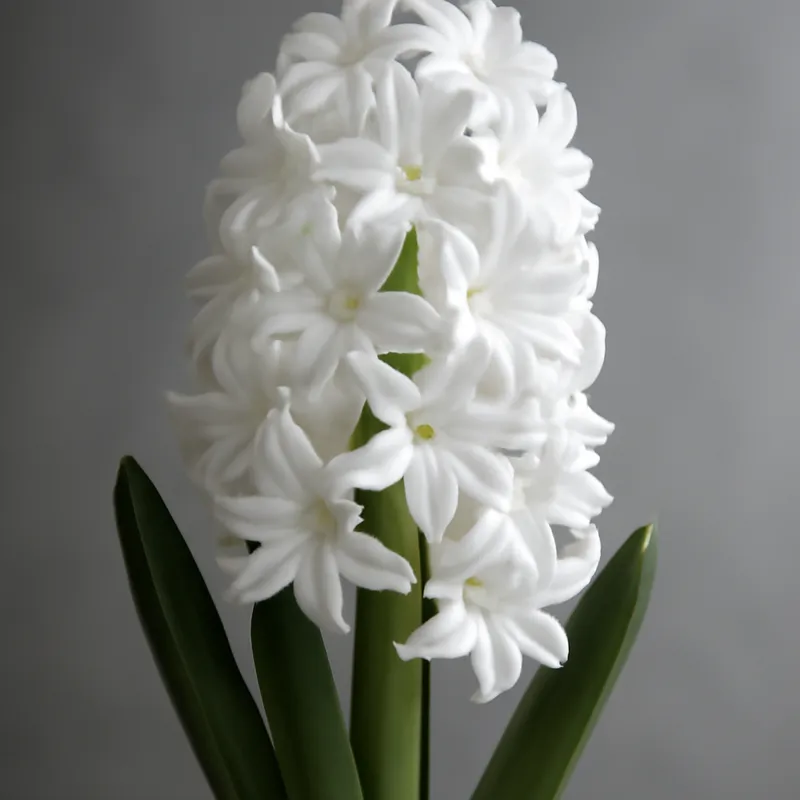
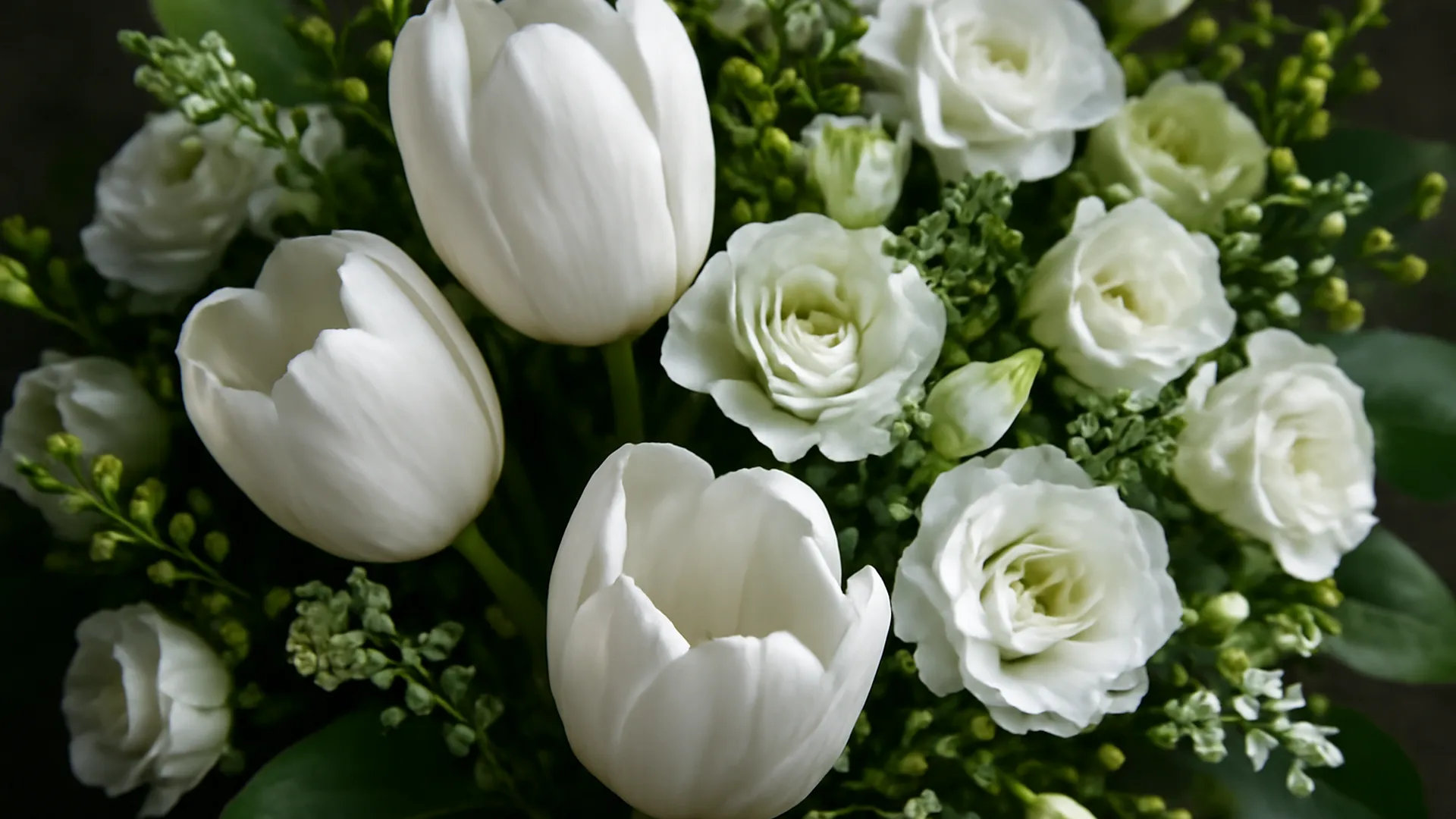
White tulips work beautifully alongside other spring flowers such as daffodils, crocuses and hyacinths. They also create lovely contrasts against colourful tulips in red, yellow or purple. In flower beds, they can be combined with perennials that arrive later in the season and cover the empty space left after the tulips have finished.