


Roses: The Timeless Beauty of the Garden
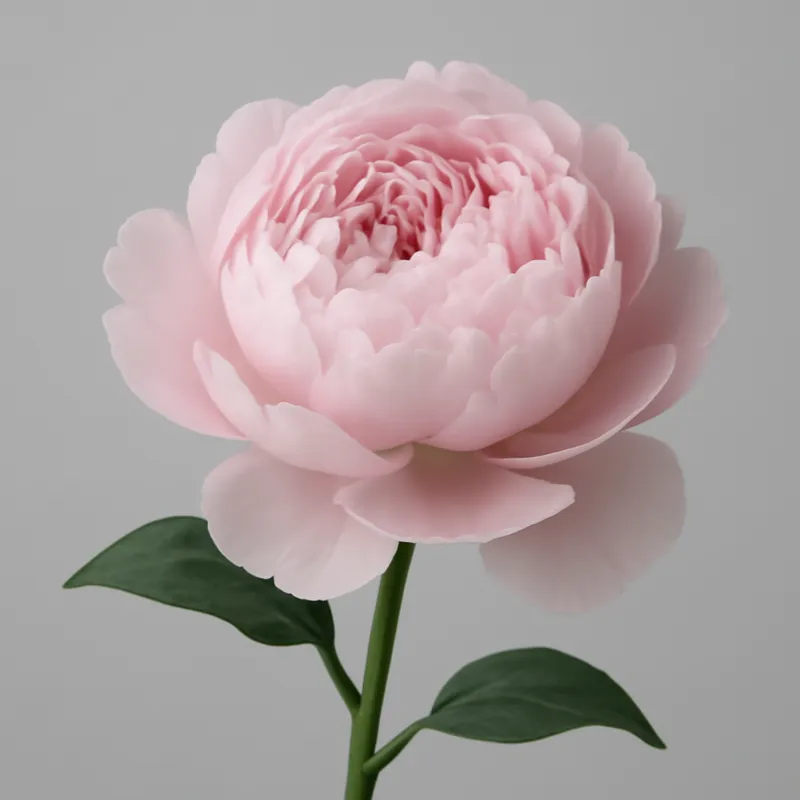
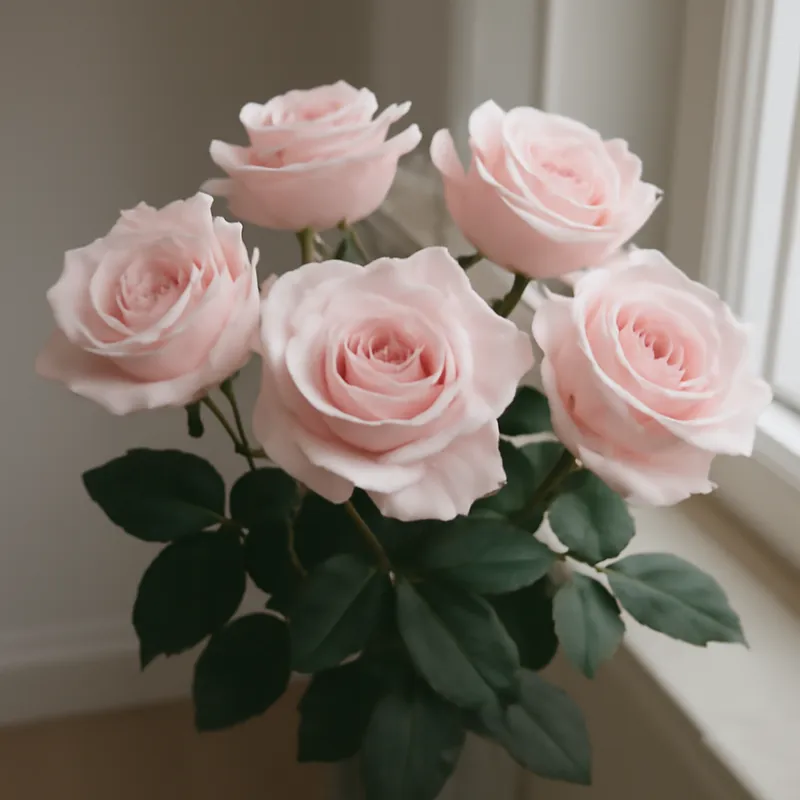
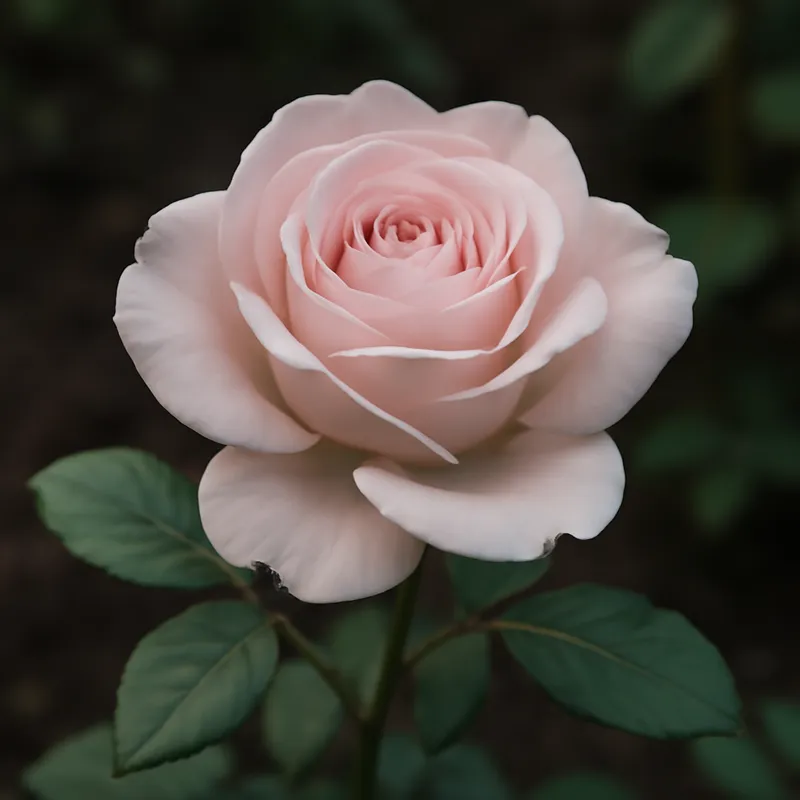
The rose, scientifically known as Rosa, is undoubtedly one of the world's most beloved and cultivated flowers. This majestic plant has enchanted people for thousands of years with its fragrant blooms and elegant appearance. Roses come in countless varieties, colours and forms, from classic red roses to pastel-coloured variants in pink, yellow, white and orange.
The History and Significance of Roses
The rose has a rich cultural history and has long been a symbol of love, beauty and passion. This perennial shrub belongs to the Rosaceae family and encompasses over 300 species as well as thousands of cultivars. From wild roses that grow naturally in nature to modern hybrid roses developed for specific characteristics, the rose world offers something for every garden enthusiast.
Planting and Soil Conditions
Roses thrive best in well-drained, nutrient-rich soil with a pH value between 6.0 and 7.0. Choose a sunny location where roses receive at least six hours of direct sunlight per day. Good air circulation is important to prevent fungal diseases. Before planting, soil should be improved with compost or well-rotted manure to give roses the nutrients they need.
Watering and Feeding
Roses require regular watering, especially during dry periods. Water deeply but less frequently to encourage deep root development. Avoid watering the foliage to reduce the risk of fungal diseases. During the growing season, roses benefit from regular feeding with a balanced fertiliser containing nitrogen, phosphorus and potassium.
Pruning for Optimal Growth
Correct pruning is essential for rose health and flowering. Main pruning is carried out in spring once the frost risk has passed. Remove dead, damaged and weak stems first, followed by stems growing inwards towards the centre of the shrub. Then prune the remaining stems to the desired height, always just above an outward-facing bud.
Common Problems and Solutions
Roses can be affected by various pests and diseases. Aphids, thrips and spider mites are common pests, whilst powdery mildew, black spot and rust are typical fungal diseases. Preventative measures such as good air circulation, correct watering and regular removal of fallen leaves help keep problems at bay.
Overwintering and Seasonal Adjustment
Most roses are hardy in the British climate, but certain varieties may need extra protection over winter. Mulch around roses with bark or leaves to protect the roots from frost. In colder areas, it may be necessary to cover tender varieties with horticultural fleece or similar protective material.
Roses in Garden Design
Roses are incredibly versatile in garden settings. They can be used as specimen plants, in flower beds, as hedges or as climbing roses on trellises and pergolas. Combine roses with other perennials such as lavender, delphiniums or ornamental grasses to create beautiful and harmonious plantings that flower throughout the season.