The honest answer
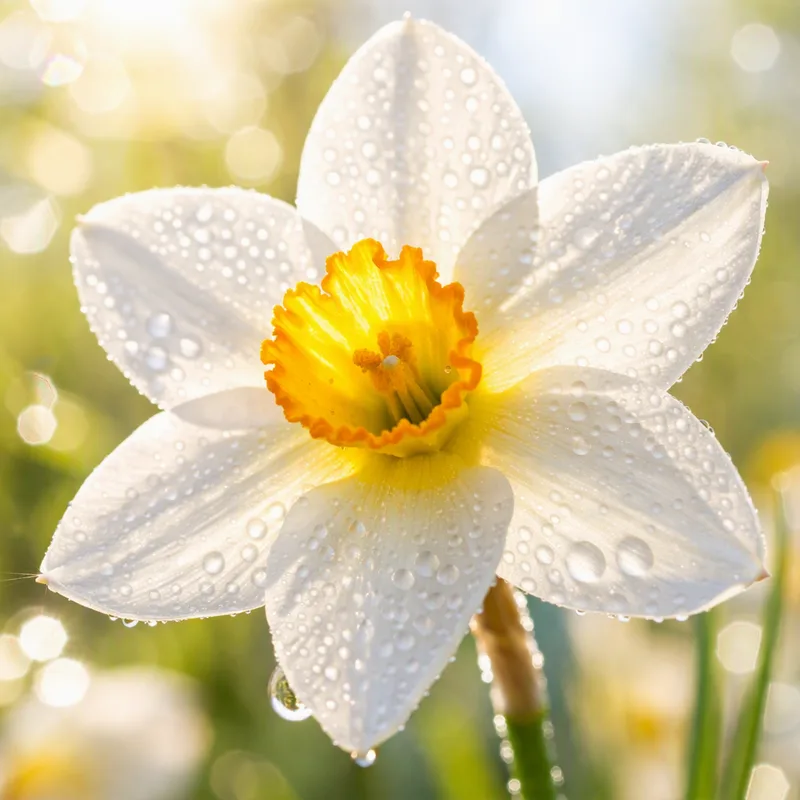
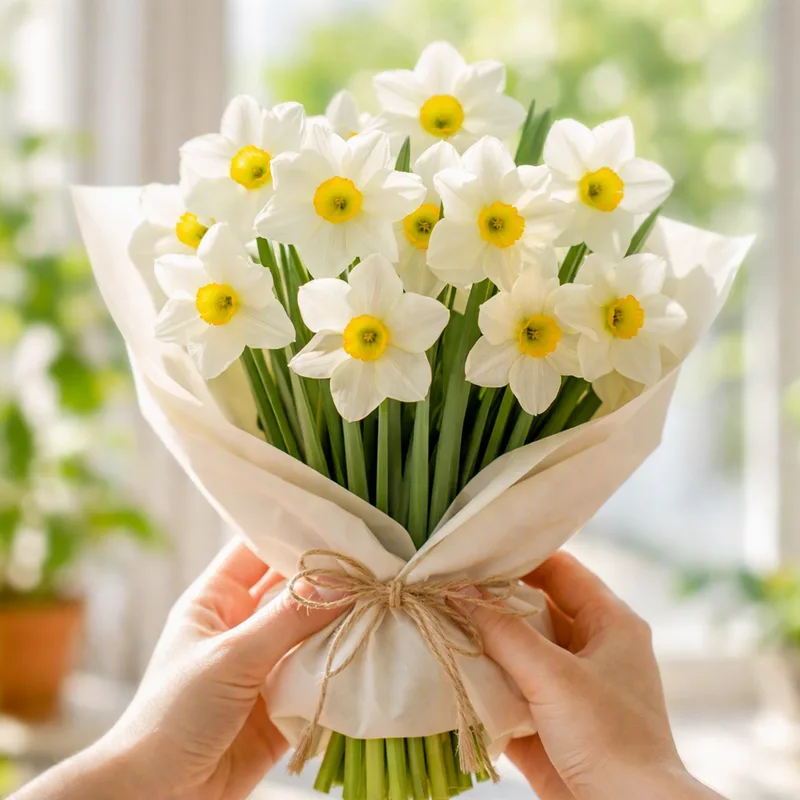
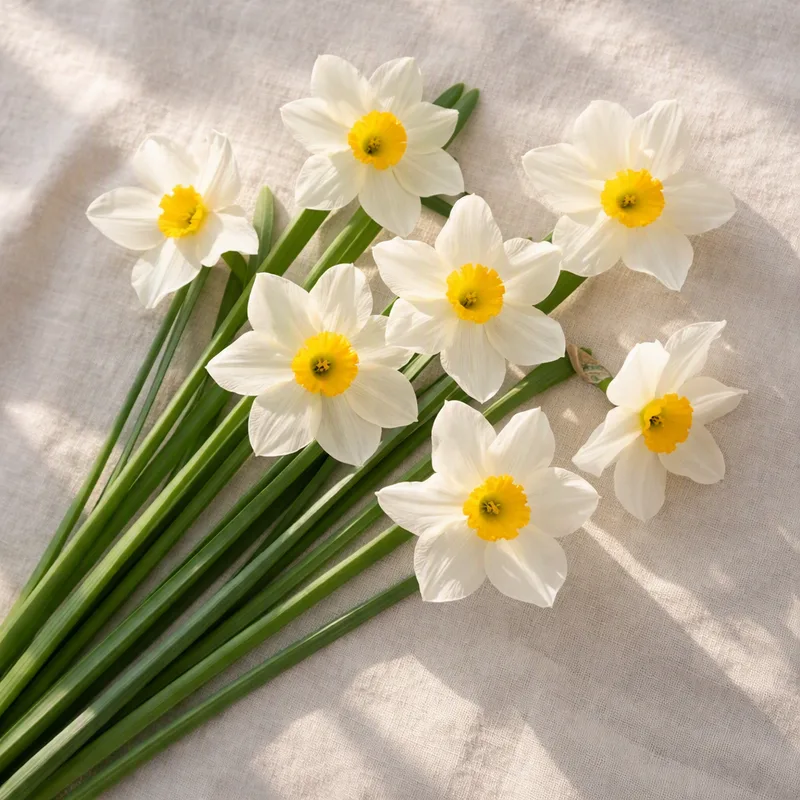
The native British Narcissus pseudonarcissus has pale yellow petals and a deeper trumpet, not white ones, so a white wild daffodil is not something you will find in a hedgerow. People searching for one are usually looking at the paler garden-grown kin of the species, or at specialist bulbs sold as botanical daffodils.
The closest relatives
Wikipedia lists several subspecies of the wild daffodil. The swan's-neck daffodil, Narcissus pseudonarcissus subsp. moschatus, holds the RHS Award of Garden Merit and is the palest of the group. The Tenby daffodil, subsp. obvallaris, grows wild in south-west Wales, though it is yellow.
White garden options
- 'Actaea' is a white-petalled Poeticus daffodil, one of the latest to flower and happy in light shade.
- 'Thalia' is classed as white throughout.
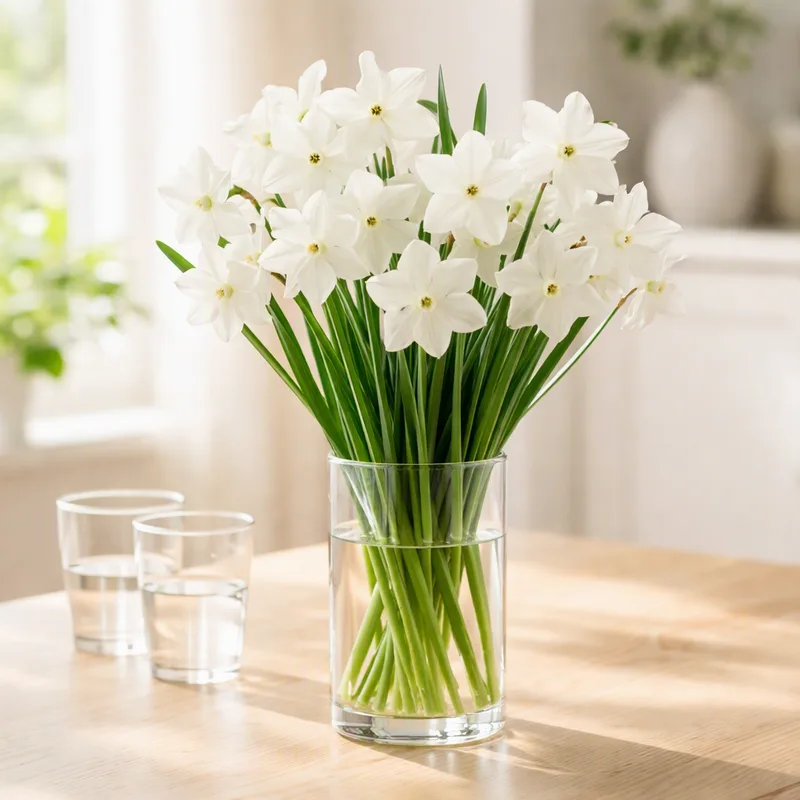
- Paperwhite daffodils (Narcissus papyraceus) are forced indoors for winter flowers.
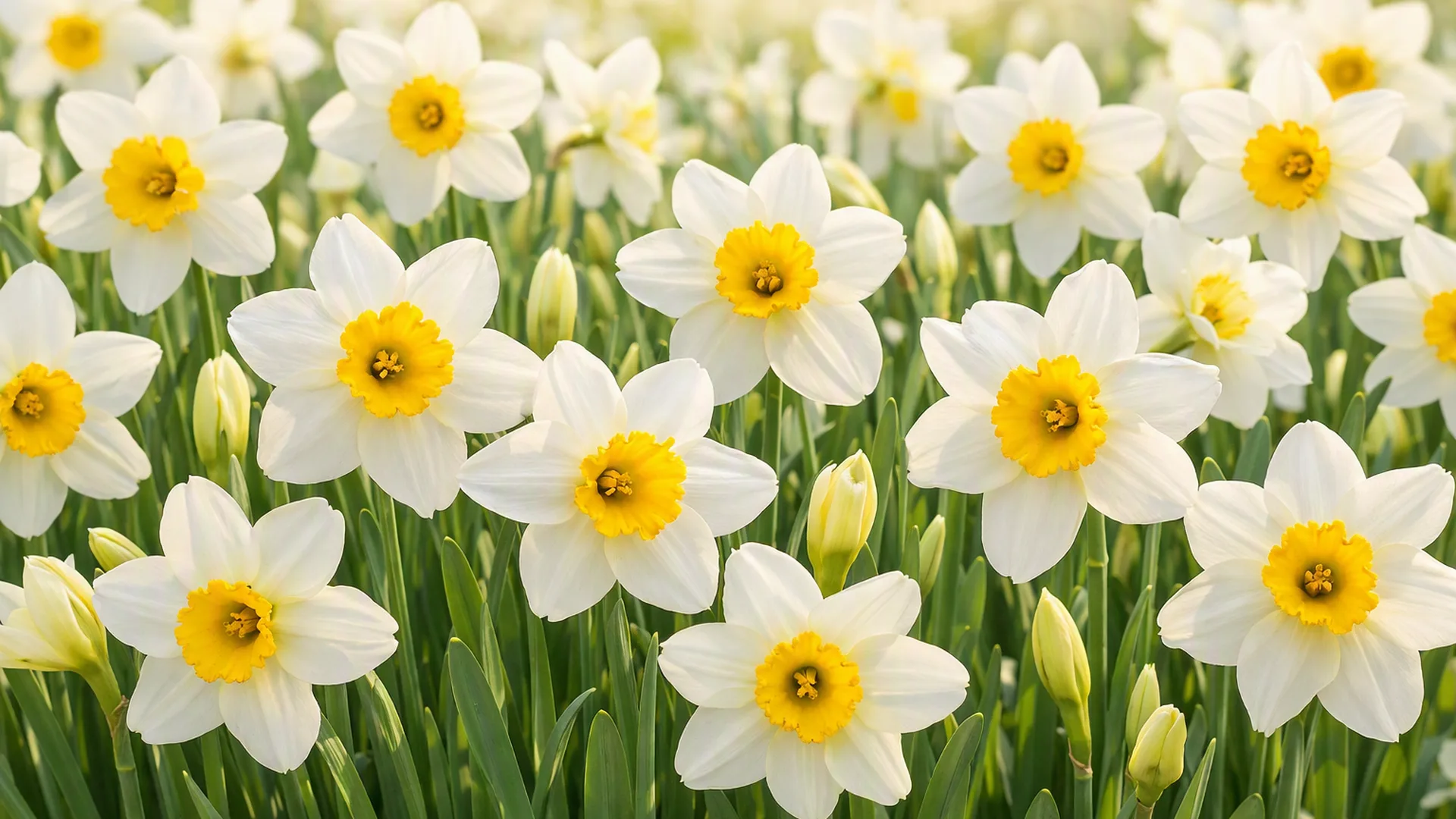
Check listings carefully, since daffodils sold as "white" may still have a yellow or orange cup.
Planting them
Whatever you choose, plant in September, at three times the bulb's height, in fertile, free-draining soil. Pale daffodils look best naturalised in grass or beneath deciduous trees, where they echo the native woodland colonies at places like Farndale and Dymock.
Safety note
All narcissi contain lycorine, mostly in the bulb. Bulbs and leaves must not be eaten, and the ASPCA lists the genus as toxic to dogs, cats and horses. Native wild colonies should never be dug up.