A pale form of a woodland flower
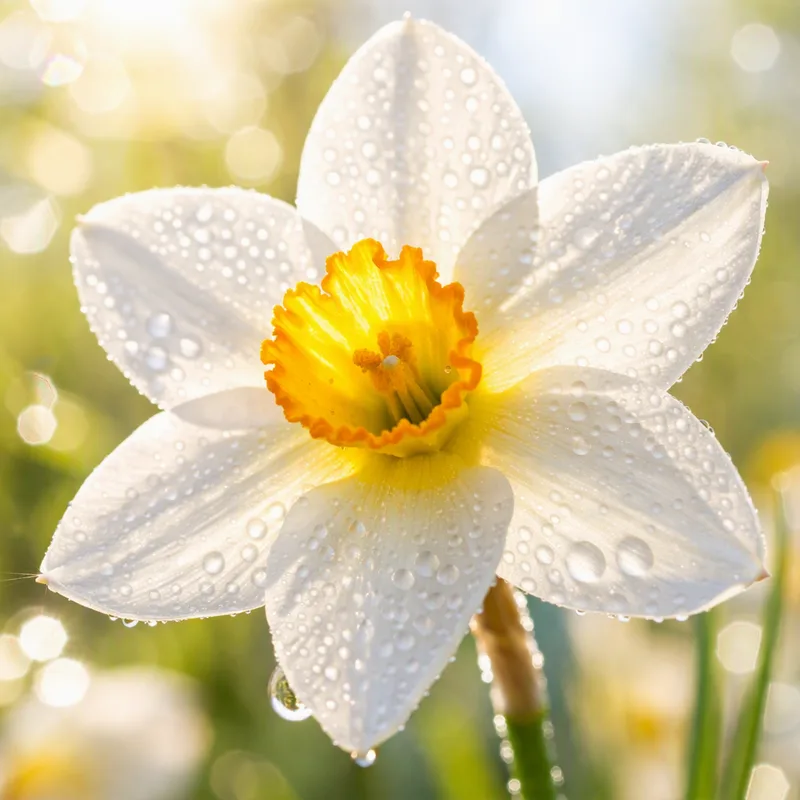
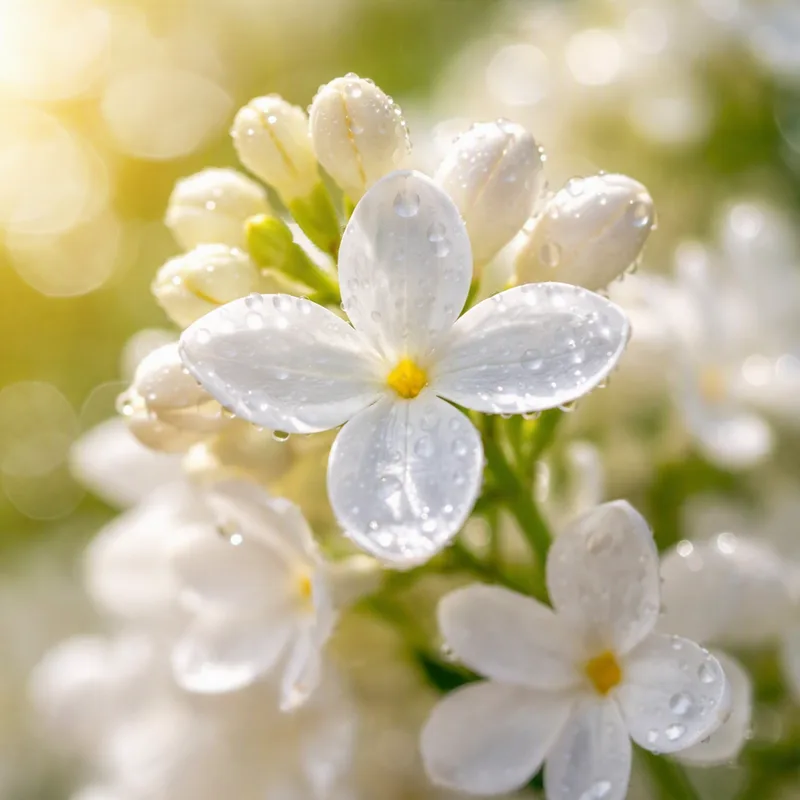
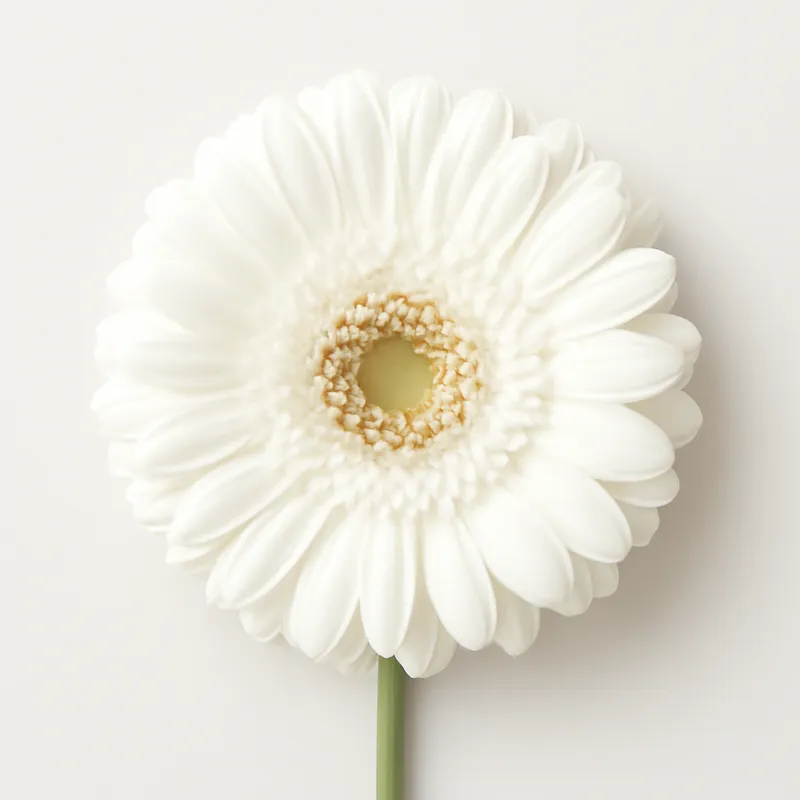
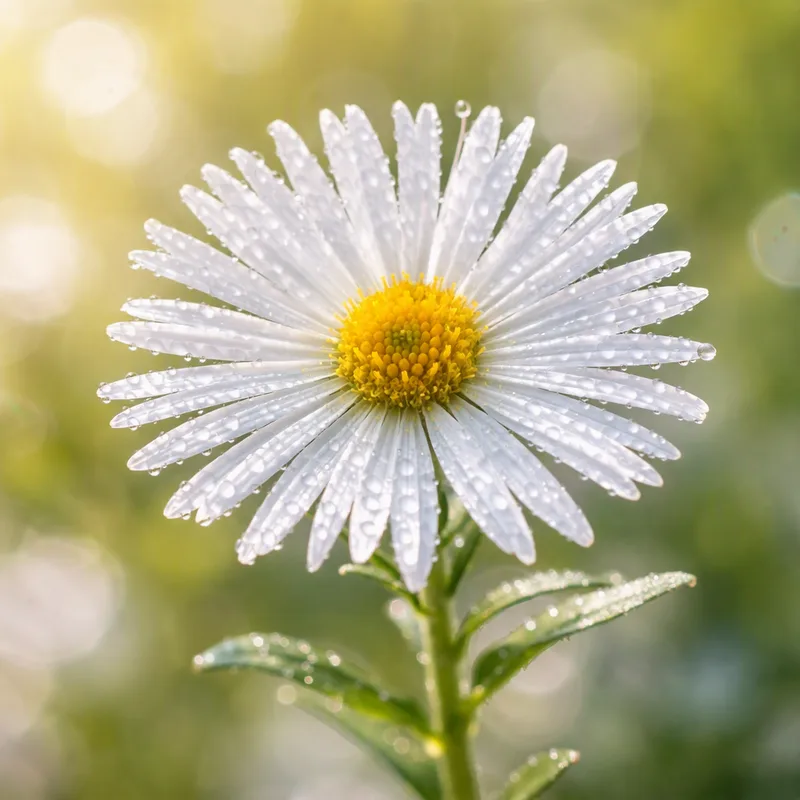
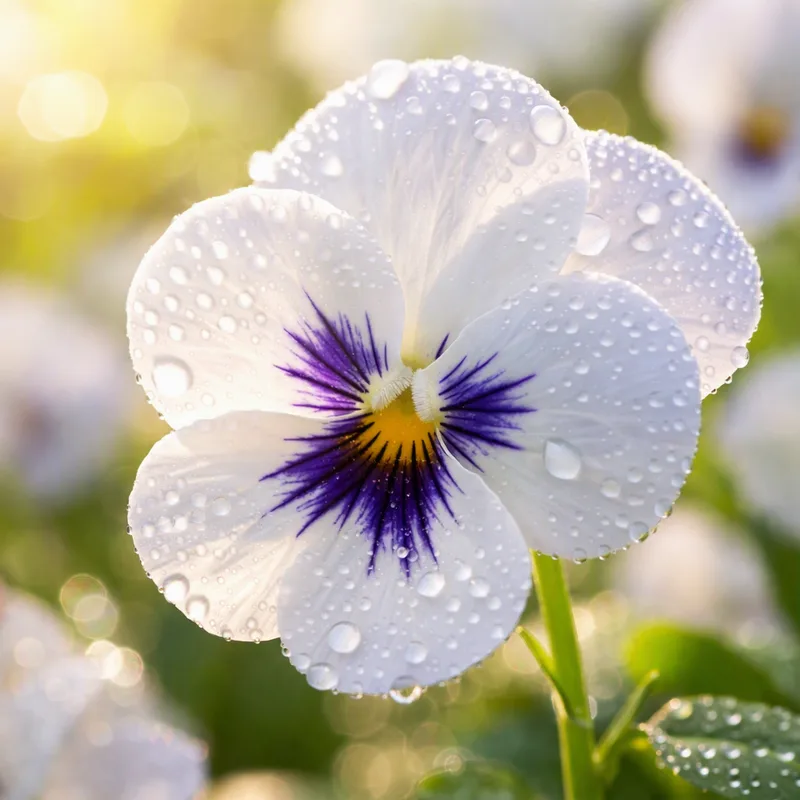
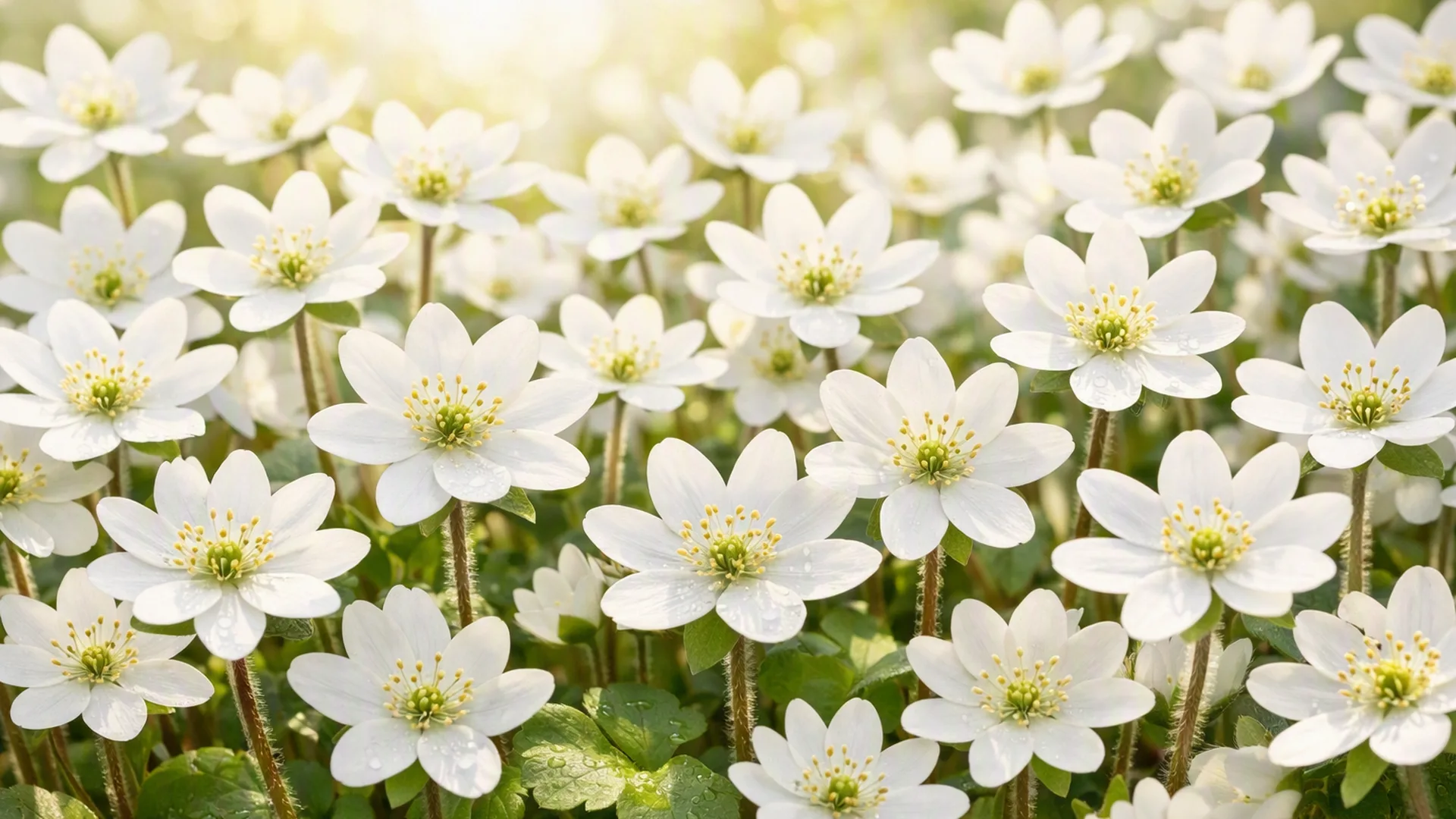
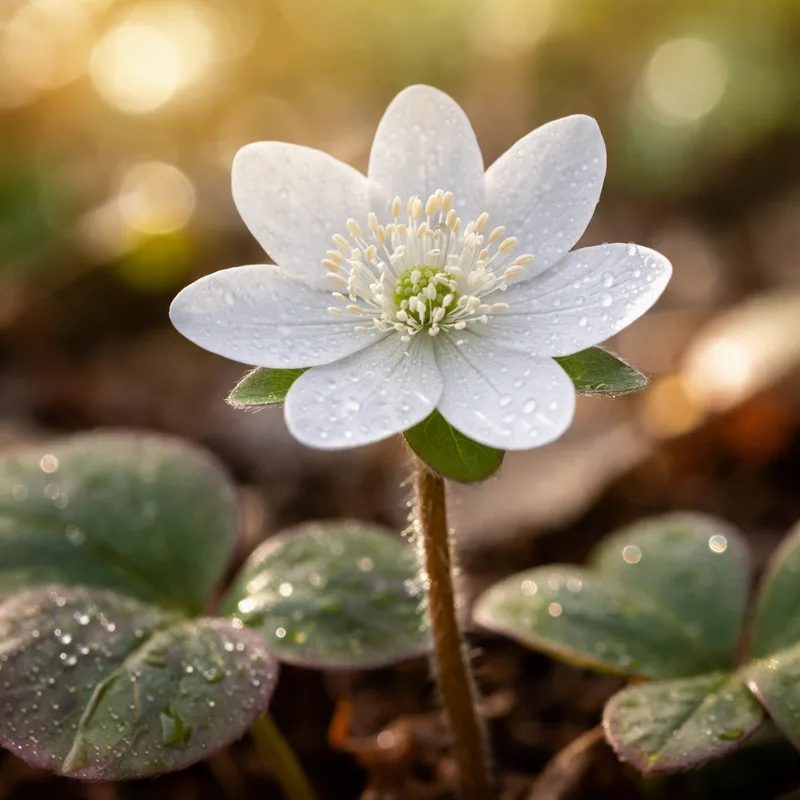
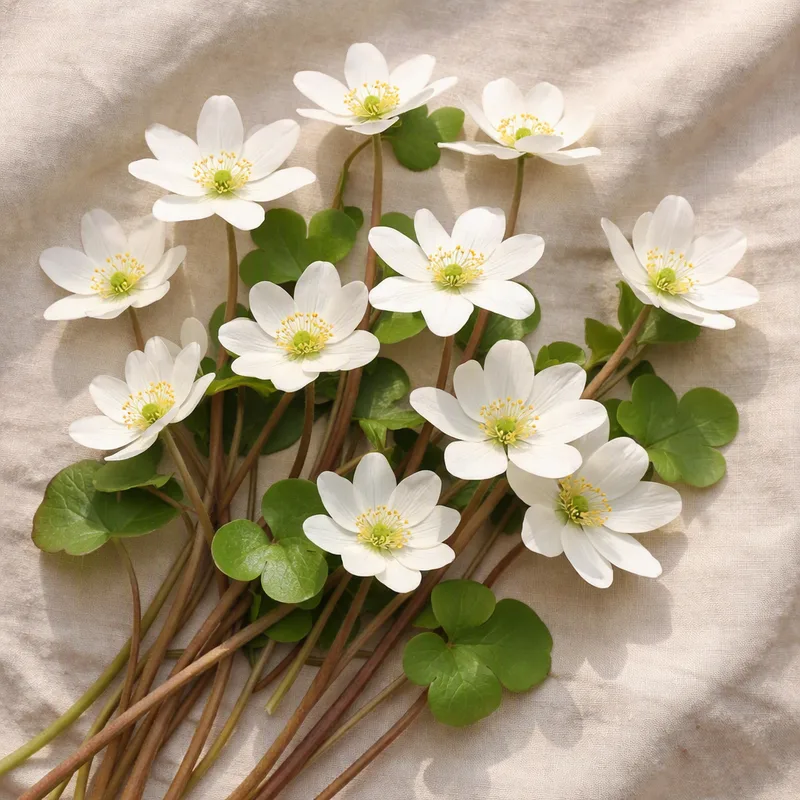
White hepatica is a selected form of Hepatica nobilis, whose wild flowers are blue-violet. White and pink forms occur occasionally and gardeners have propagated them for centuries. The flowers are only a few centimetres across, and the white sepals contrast with yellowish stamens. Leaves stay green through winter and often have a purple underside.
Which hepatica is which
Search results can be confusing, because some websites show Japanese hybrids, which have larger, ruffled or double flowers. These come from Hepatica nobilis var. japonica and related forms, long selected in Japan, where hepatica is loved as an early spring flower. In Britain you are more likely to find a modest white single flower sold by specialist nurseries and at Alpine Garden Society shows. Expect to look hard, as supply is small.
Growing it
Plant in autumn in partial shade. It is fully hardy in Britain but dislikes drying out in summer. Mix leaf mould into the soil and add some grit if your garden is heavy. Chalk and limestone soil suits it well, and it does not mind acid soil if it is moist and humus-rich. Mulch each autumn with leaf mould and leave the old leaves until the new flowers appear.
- Choose a spot sheltered from cold winds.
- Do not move established plants.
- Water pots in dry spells.
Not for the vase
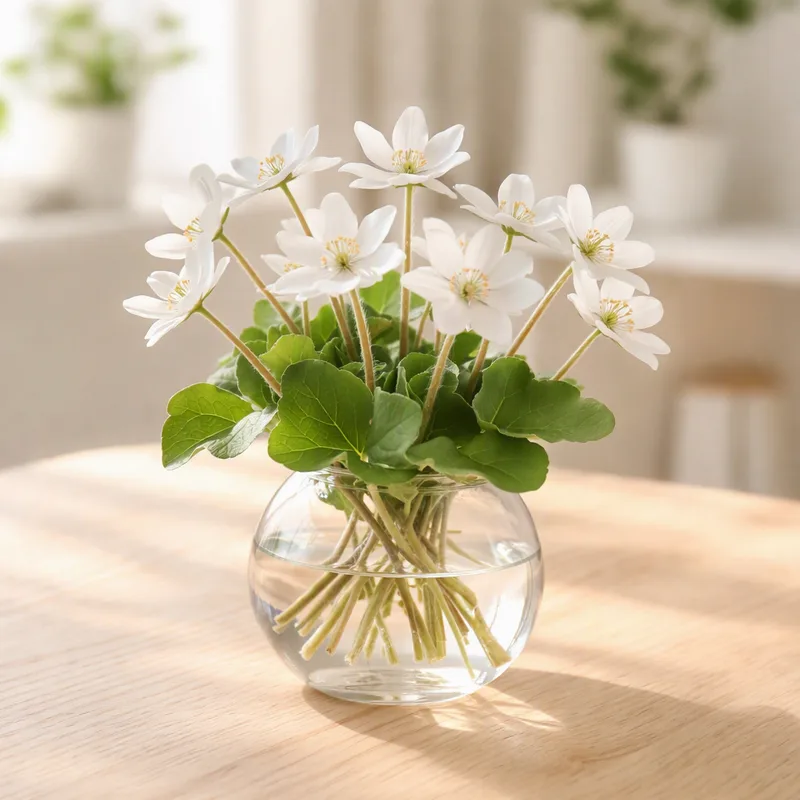
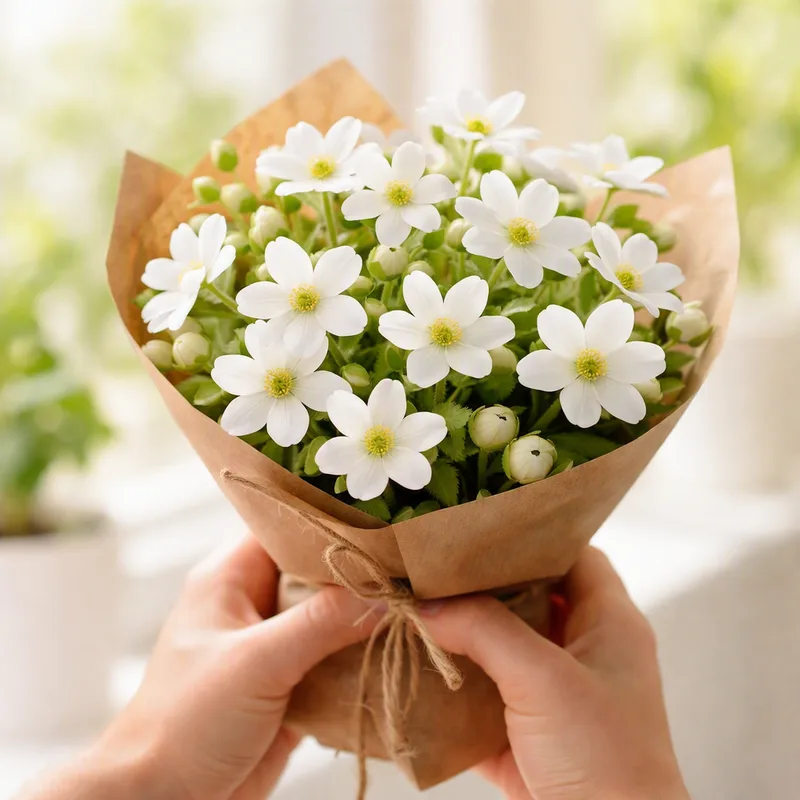
Hepatica has short stems and wilts quickly once cut, so enjoy it in the garden.
Handling
Fresh plants contain protoanemonin, which irritates skin and mouth. Keep pets and children from chewing it, and phone NHS 111 or your vet for advice.