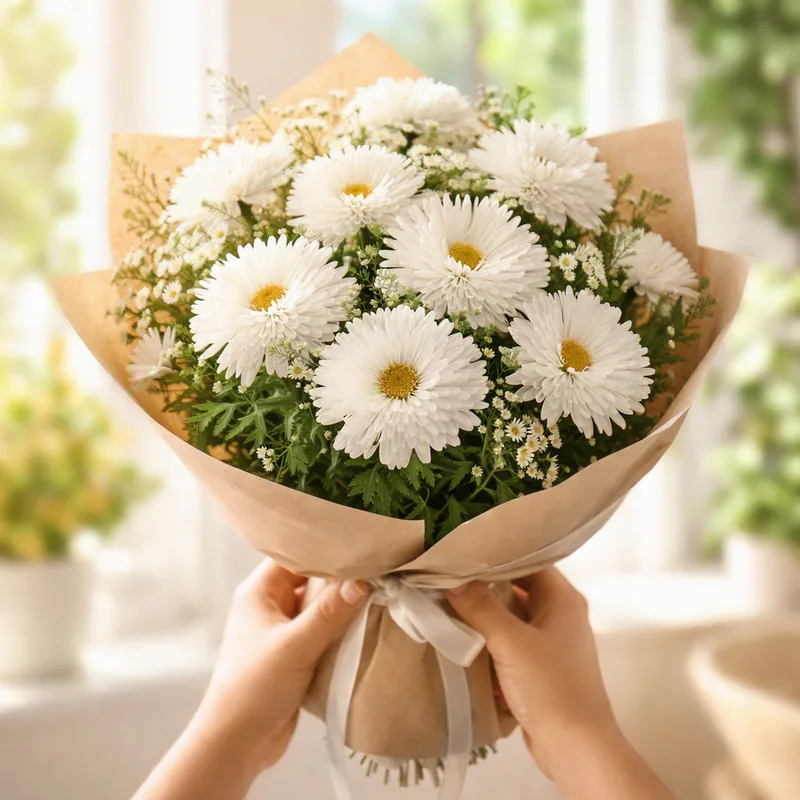
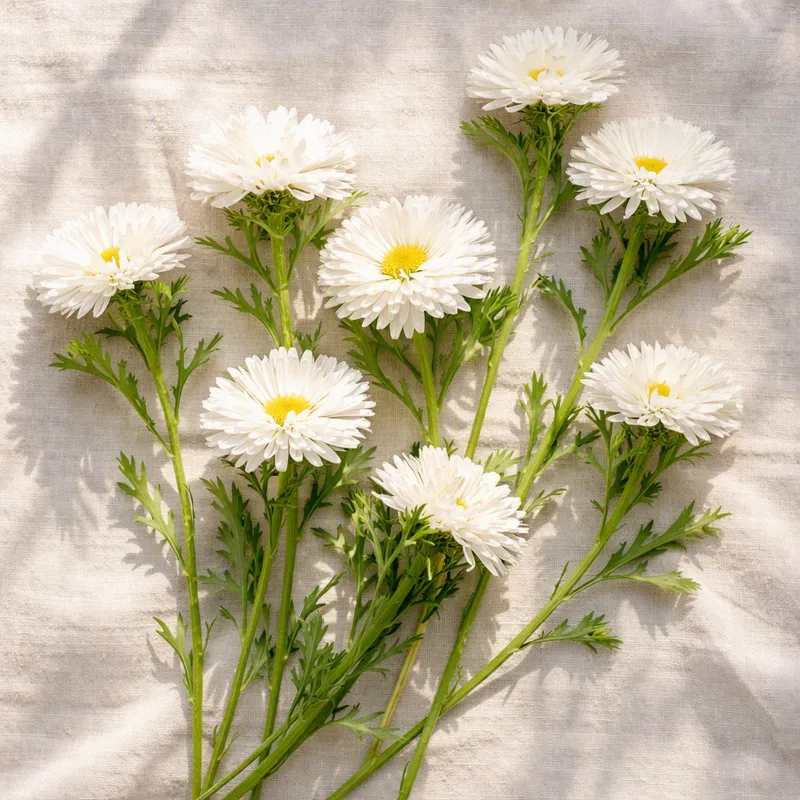
What white aster usually means
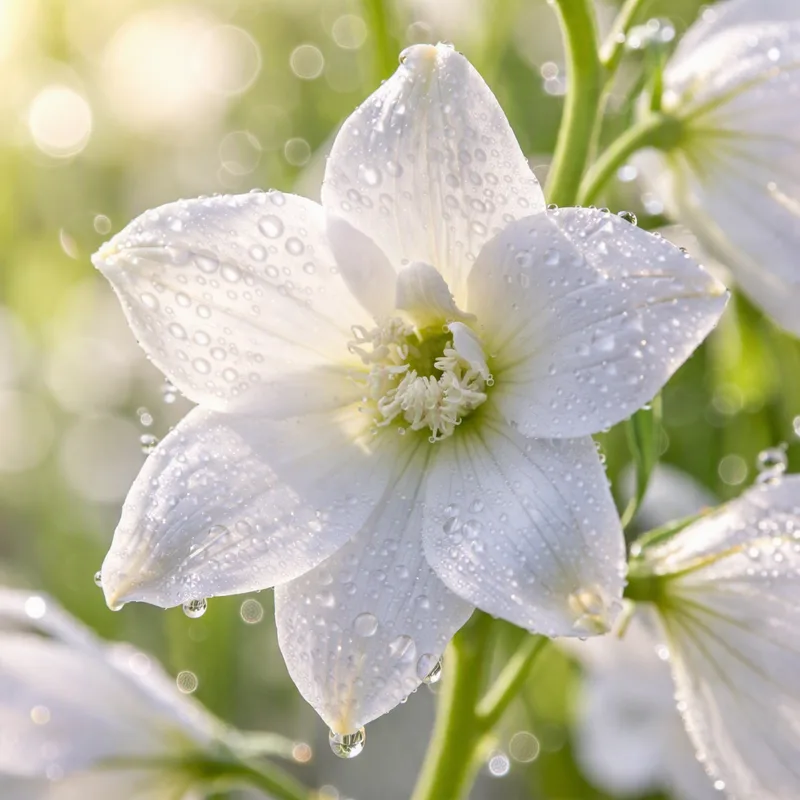
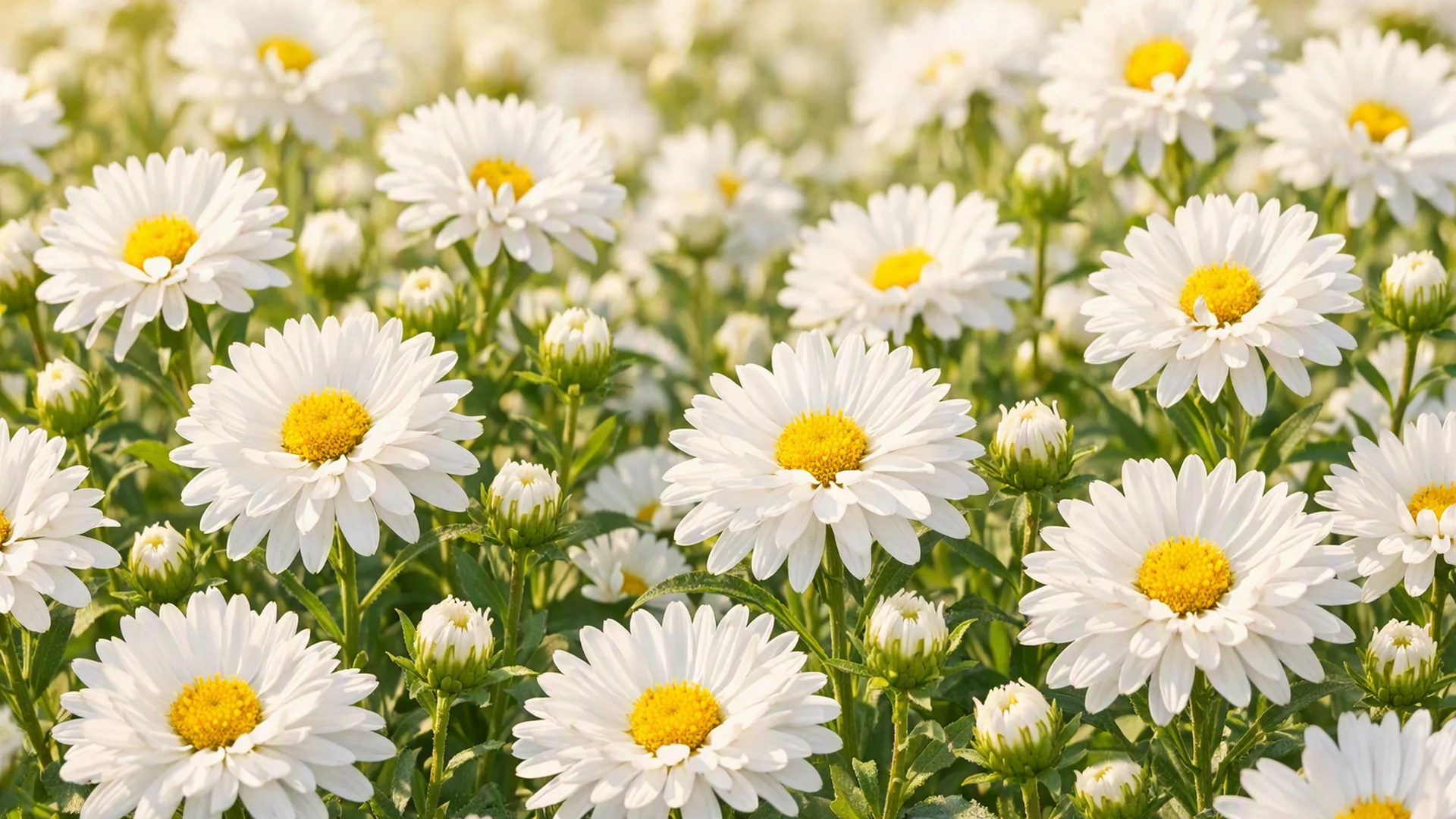
Asters come in many colours, and truly white forms are less common than purple or blue. Even so, white ones are popular for informal bouquets because their small, daisy-like heads fill gaps between larger blooms. In the traditional language of flowers, white asters are linked with purity, innocence and patience.
Two kinds you are likely to meet
- 'Monte Cassino' is a small-flowered Michaelmas daisy grown commercially for cutting. It carries masses of little white blooms on branching stems from about August.
- The heath aster, Symphyotrichum ericoides, bears tiny white flowers on fine, arching stems and gives a frothy look to autumn borders.
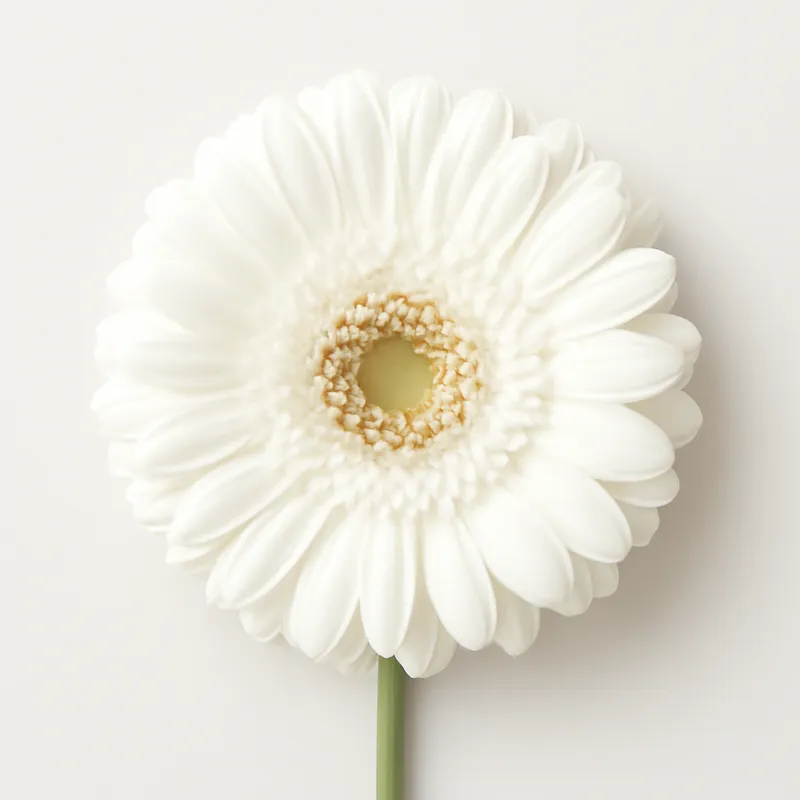
The China aster, Callistephus chinensis, also comes in white, with fuller, rounder heads. It is an annual, sown under cover in spring and planted out after frosts.
Choose the planting spot early, because asters resent being moved when in full growth. If you must transplant, do it in spring and water well afterwards.
Growing and using them
White flowers look best against dark foliage or among late-season grasses and rudbeckias. Choose a sunny, open site, and leave space between plants so air can move through the foliage. Water in dry spells, because powdery mildew is the main problem and is worse in dry soil.
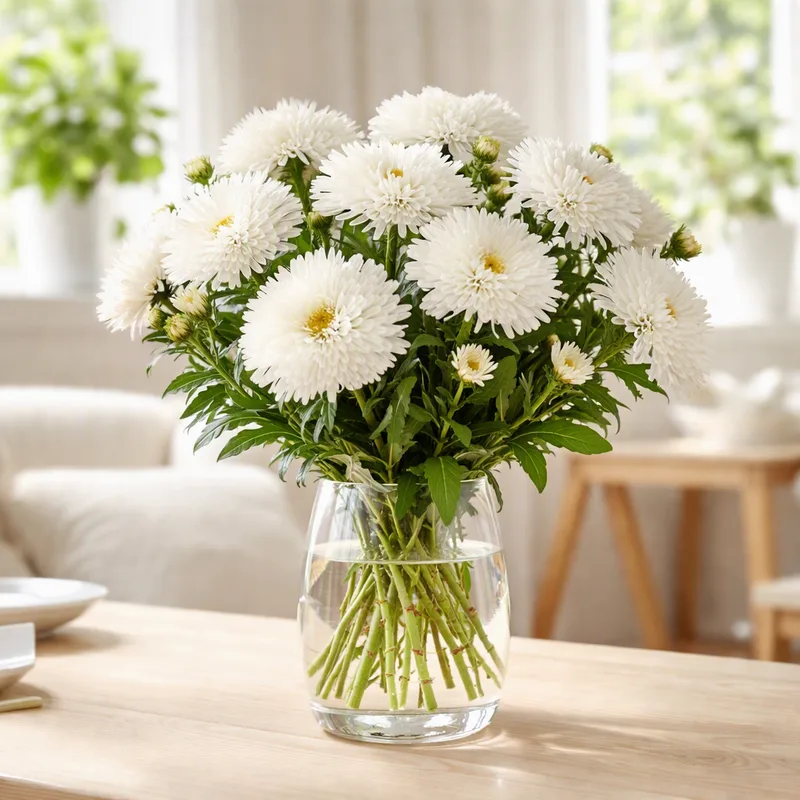
In the vase, strip the lower leaves and keep the water clean. Branching stems often carry buds that open over several days, so a bunch stays fresh for a week or more.
Asters also help wildlife. Bees, hoverflies and butterflies use the open flowers when most other nectar sources have faded.
The ASPCA has no objection to the China aster around cats, dogs or horses, so a bunch on the table is low-risk.