A pale spire
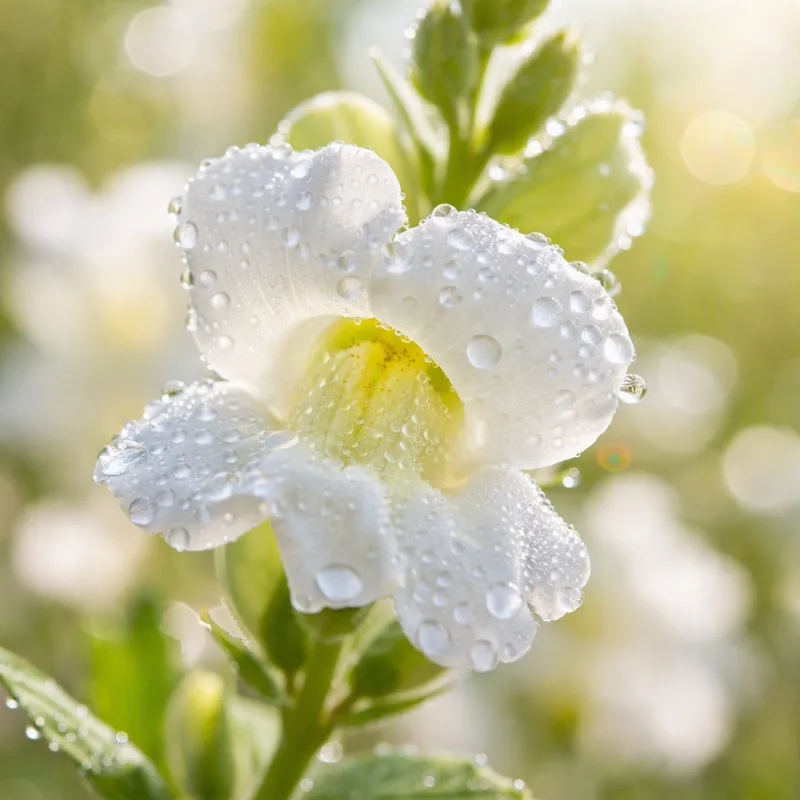
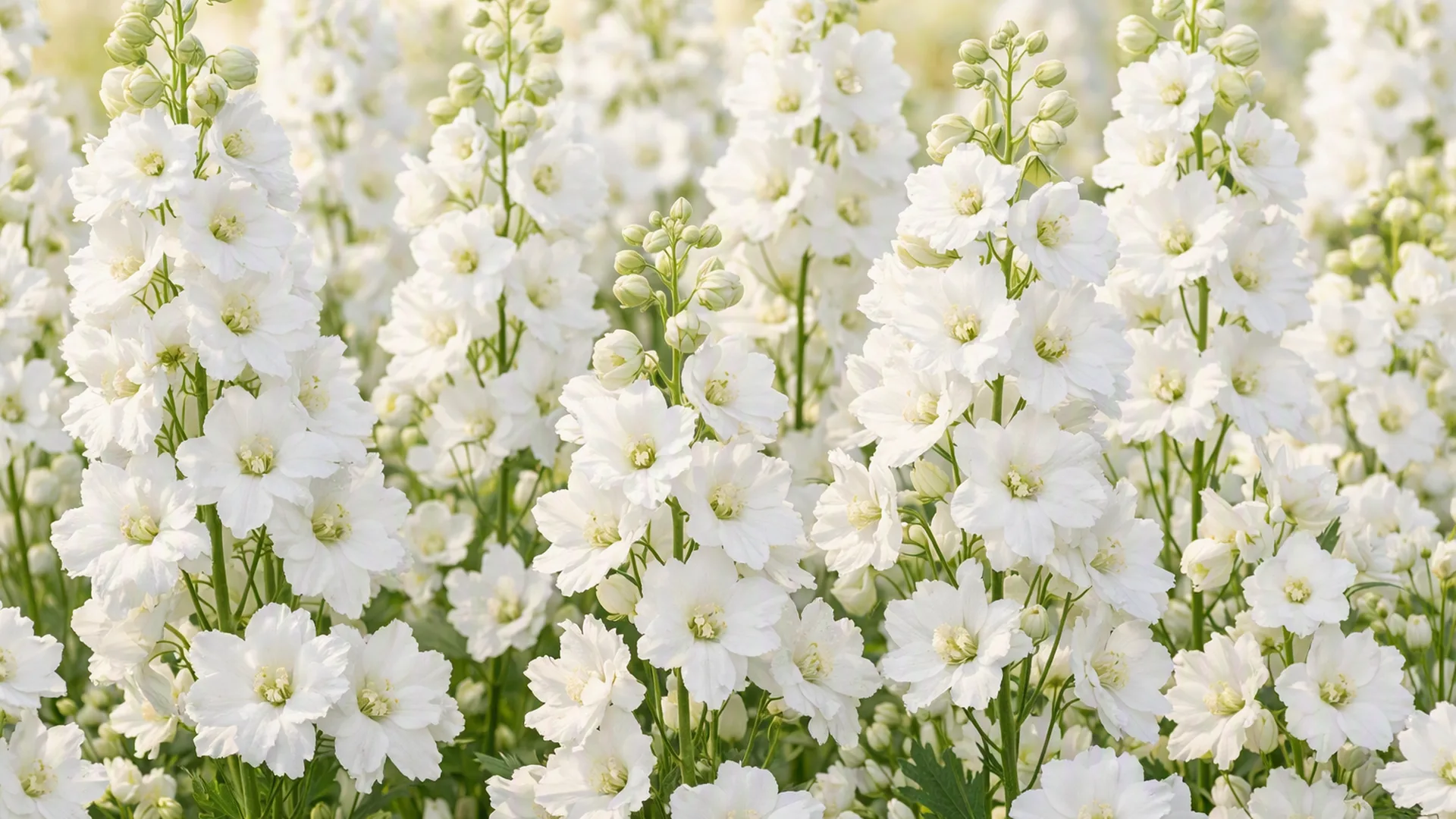
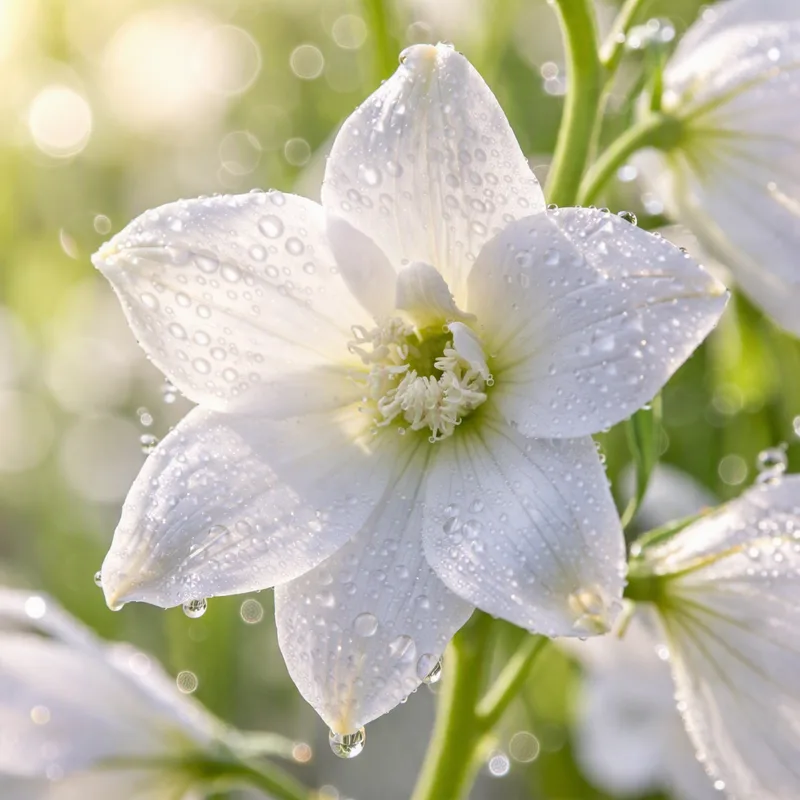
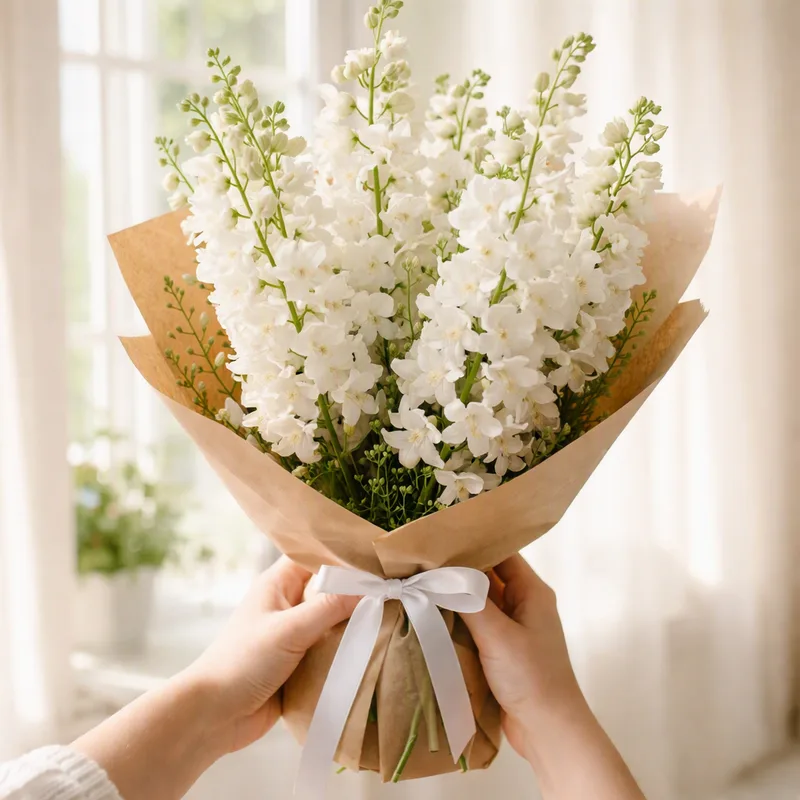
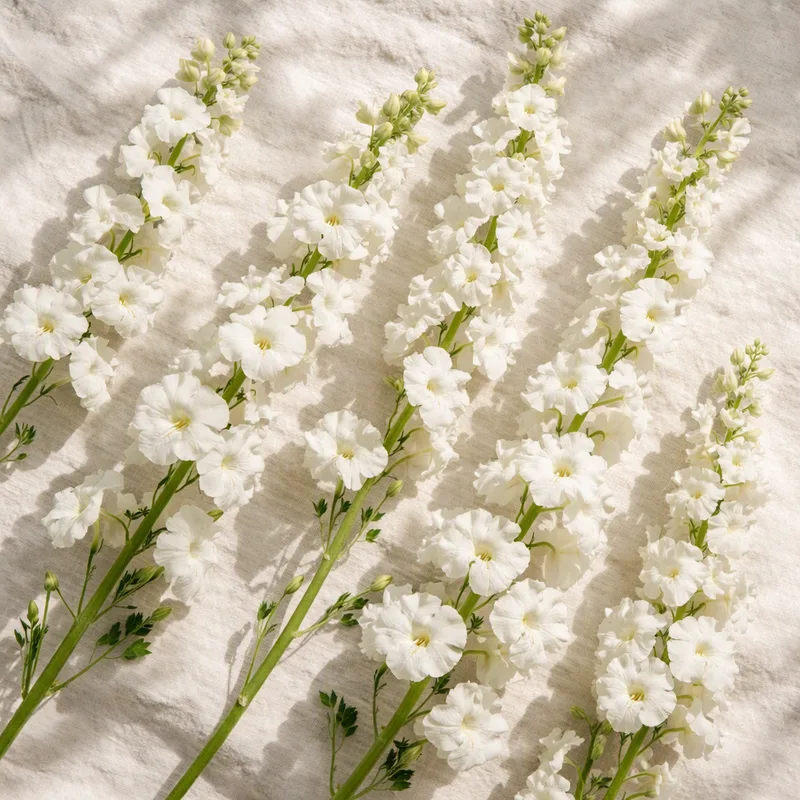
Delphiniums are best known for blue, yet white forms sit well in a cottage garden and are a favourite for white-themed schemes. 'Galahad', from the Pacific Hybrids, is a tall white with a creamy eye that is often seen at flower shows. Many of the pure white varieties have a small contrasting centre, known as a bee, in black or white.
Growing
White spires show off best against a dark hedge or a wall. They need a fertile, well-drained soil in a sunny spot. Because they grow tall, an exposed spot invites wind damage, so choose a sheltered corner and stake the flower spikes.
- Mulch in spring with compost.
- Thin the young shoots to a few strong stems in each clump for larger flower heads.
- Look out for slugs from the moment green shoots appear.
- Cut back after flowering for a possible second flush.
In arrangements and at events
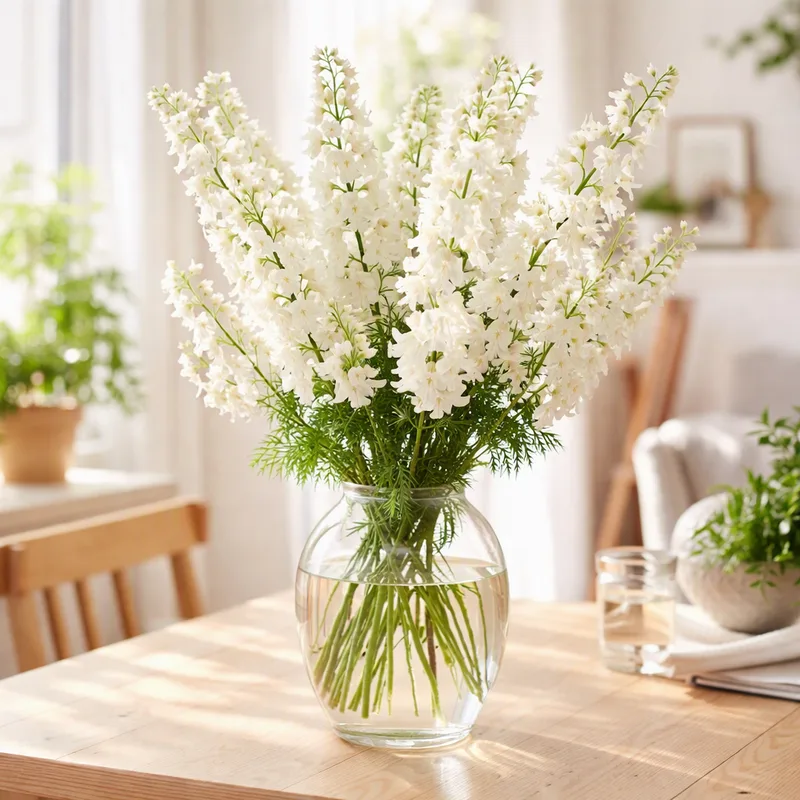
White delphinium works as a tall structural element in wedding flowers and church arrangements, especially for summer weddings. Stems are hollow and fairly fragile, so condition them in deep water before arranging.
A poisonous beauty
All parts of delphinium are poisonous. The ASPCA warns that dogs, cats and horses can be poisoned by them, and the sap can irritate skin, so wear gloves when cutting. Keep arrangements out of reach of curious pets and young children. If you suspect someone has eaten some, call NHS 111, and for pets contact a vet or the Animal PoisonLine.