Red versus violet
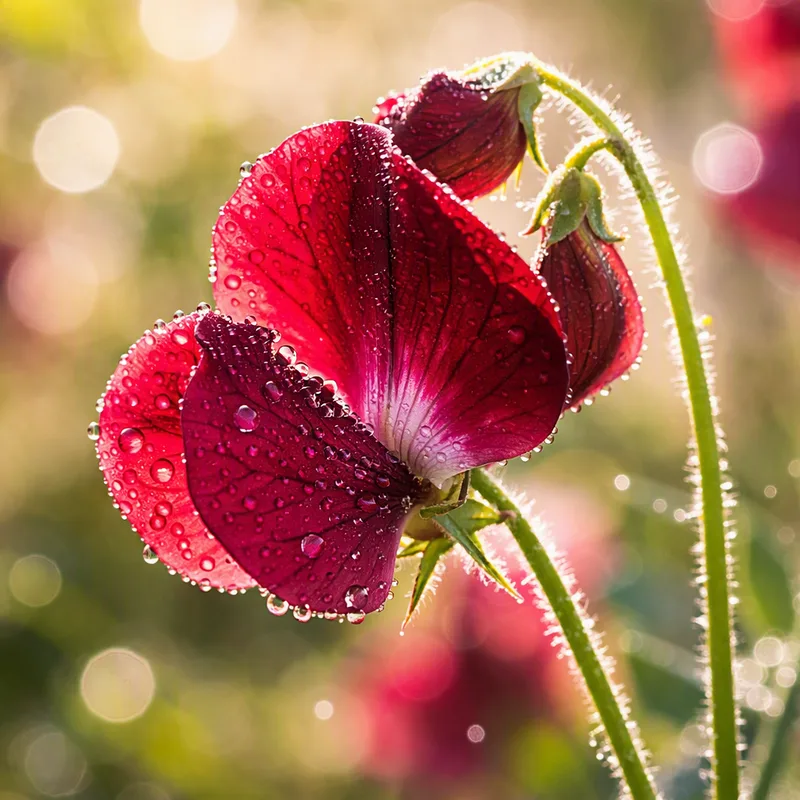
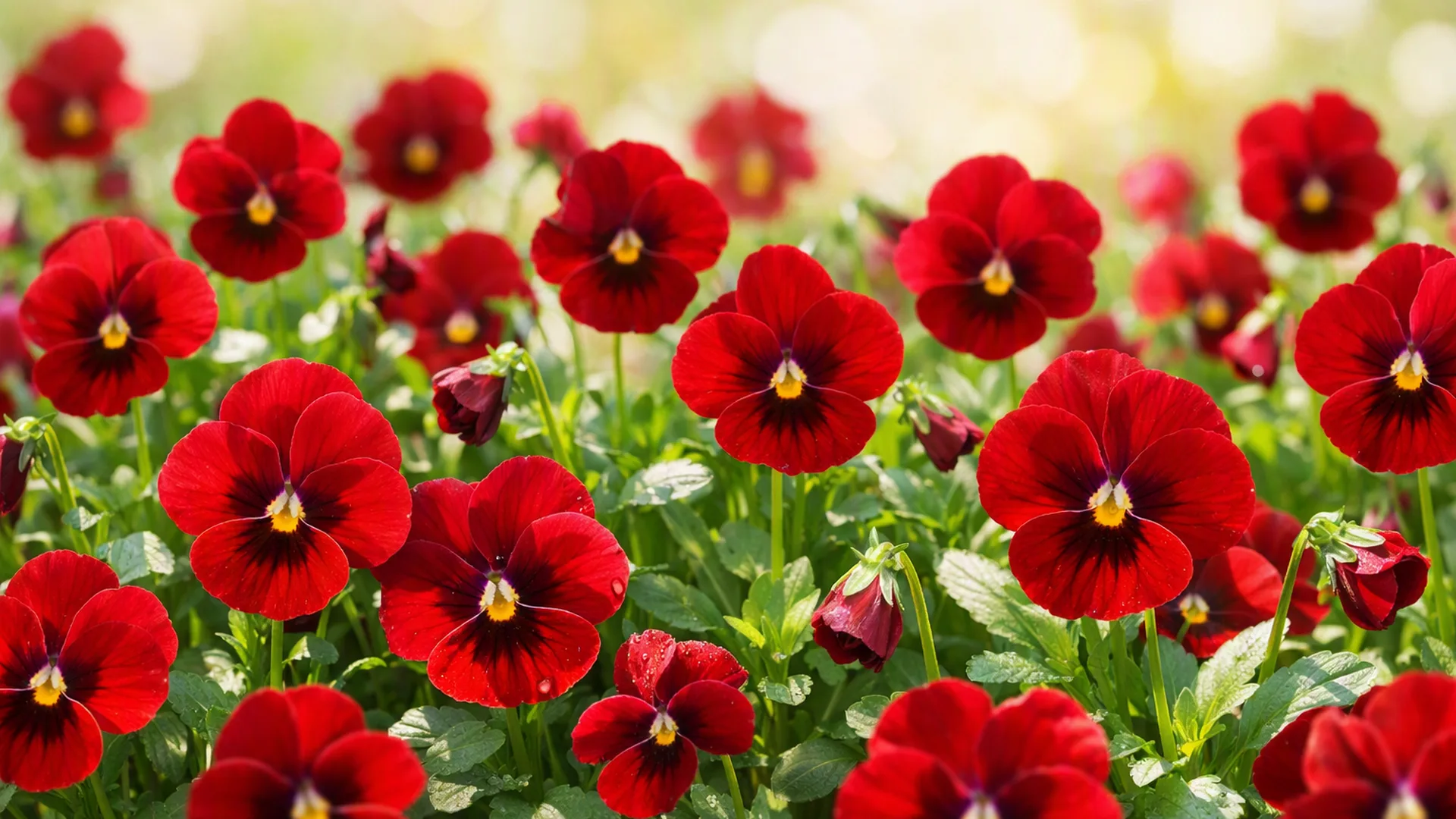
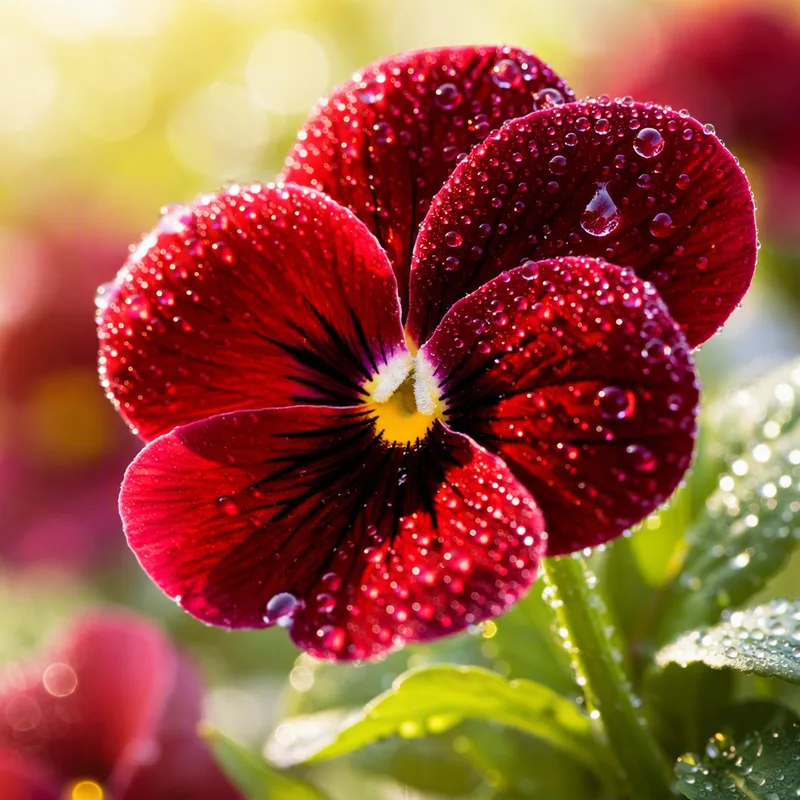
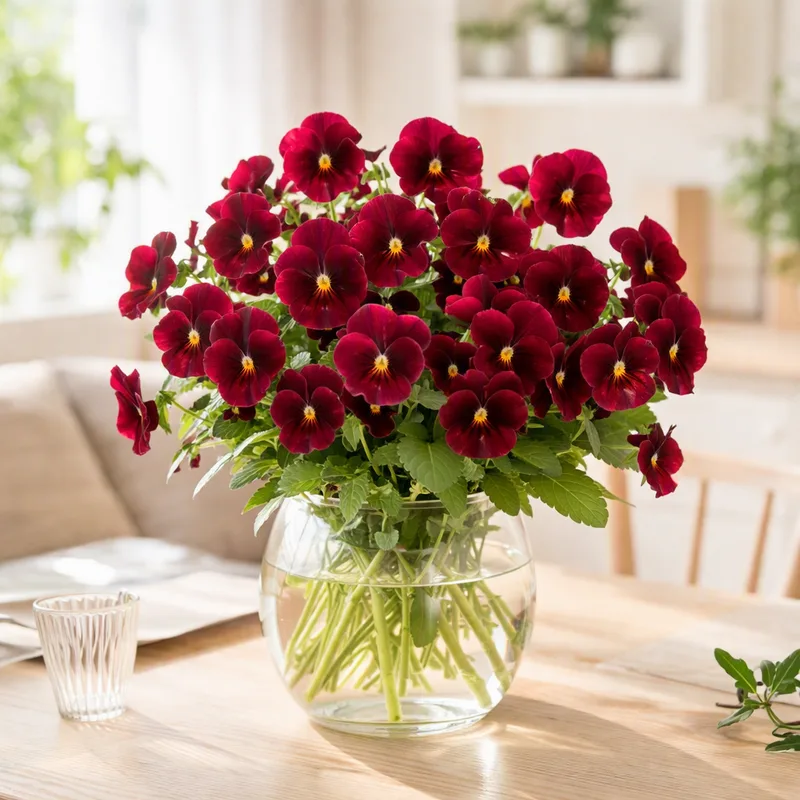
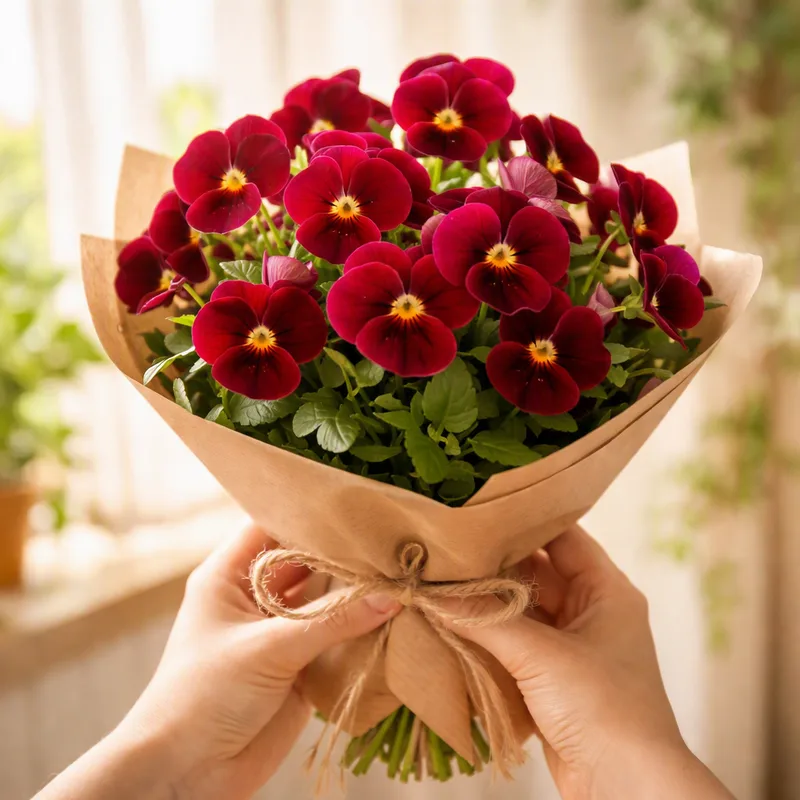
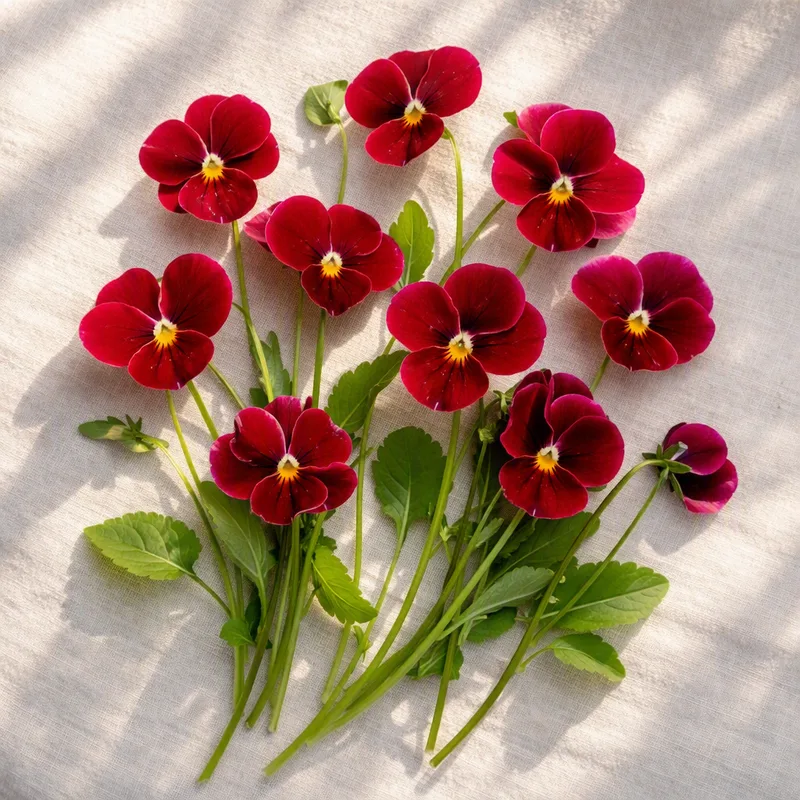
Many people searching for red violet are really looking for a colour, a deep purple-red between the two hues. In botanical terms, wild violets (Viola) are blue-violet, white or yellow, so a red flower means a cultivated form. The nearest garden choices are sweet violet cultivars such as Viola odorata 'Rubra', which has reddish-purple flowers, and garden violas and pansies in claret and burgundy.
Choosing and growing
- Violas flower for months from spring to autumn if deadheaded, and they are hardy in most of Britain.
- Pansies sold in autumn for winter colour keep blooming in mild spells and put on a show in spring.
- Sweet violet cultivars prefer light shade, while violas cope with sun if the soil is not too dry.
Water pots regularly and feed lightly during the flowering season. Pinch off faded flowers before seed pods form, because producing seed ends the display.
A short row of potted violas near the back door is easy to look after and quick to refresh. Replace tired plants with fresh ones in autumn to keep the colour going.
Colour, not confusion
Pure red does not exist in the true violet group, but dark wine and plum shades can look nearly red in low light. Order from a plant description with a clear photograph, and remember the real colour may shift with weather and soil.
Animals and chewing
For dogs, cats and horses, the ASPCA says pansies are not toxic. It has no separate entry for sweet violet, whose roots contain saponins, so discourage chewing. Every plant eaten in large amounts can cause stomach upset.