
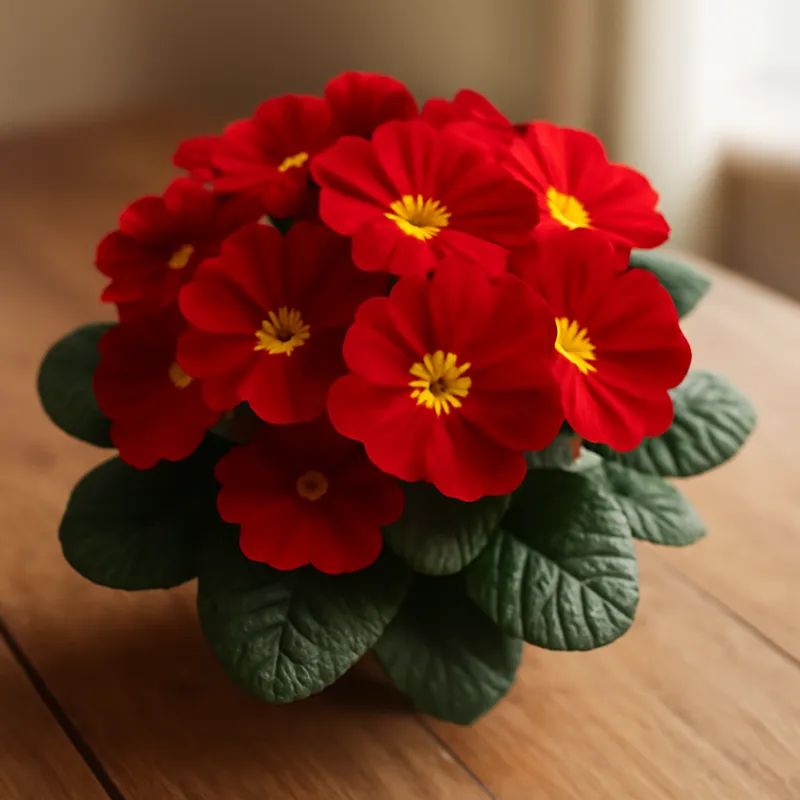

A splash of red in the cold months
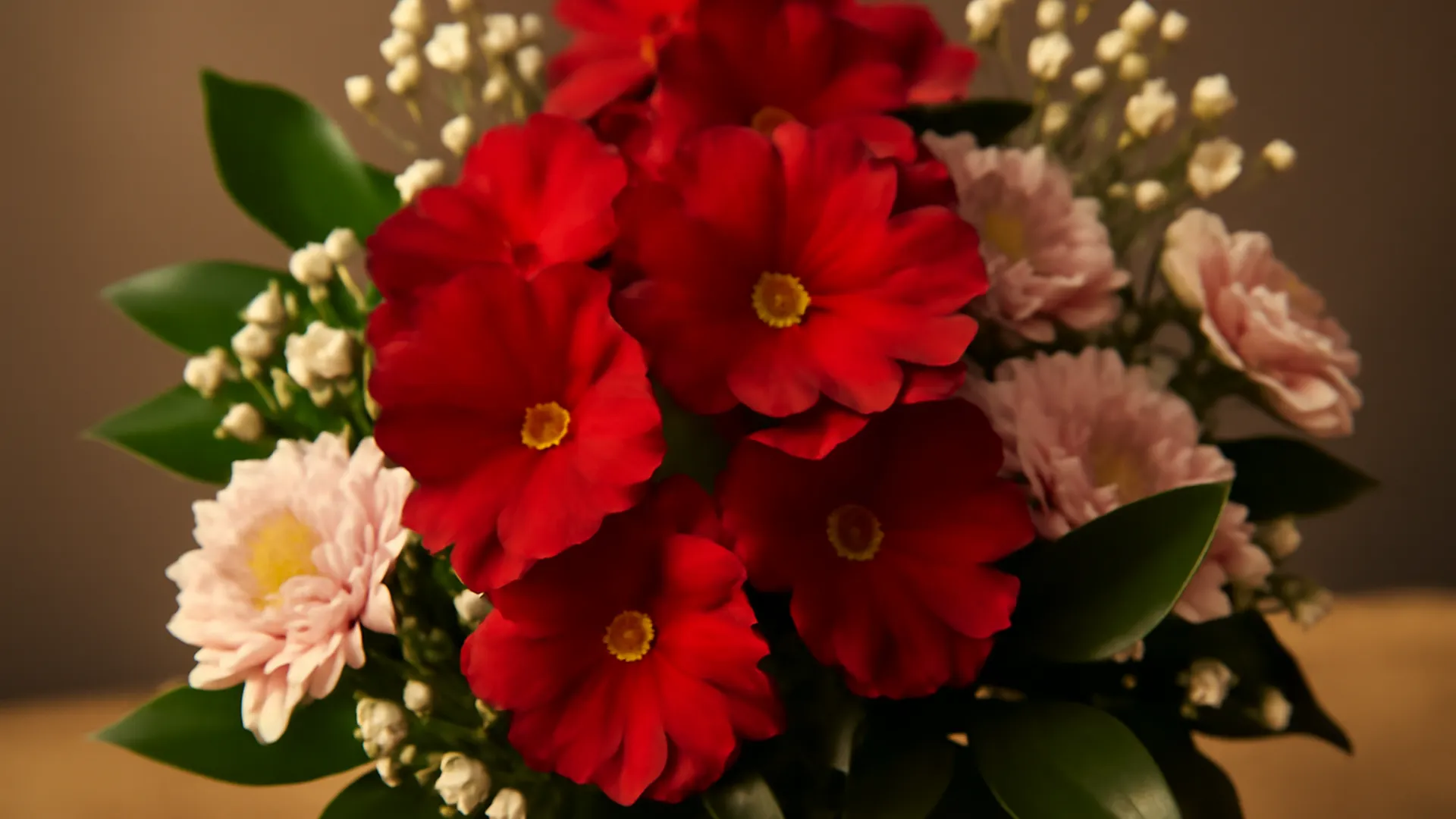
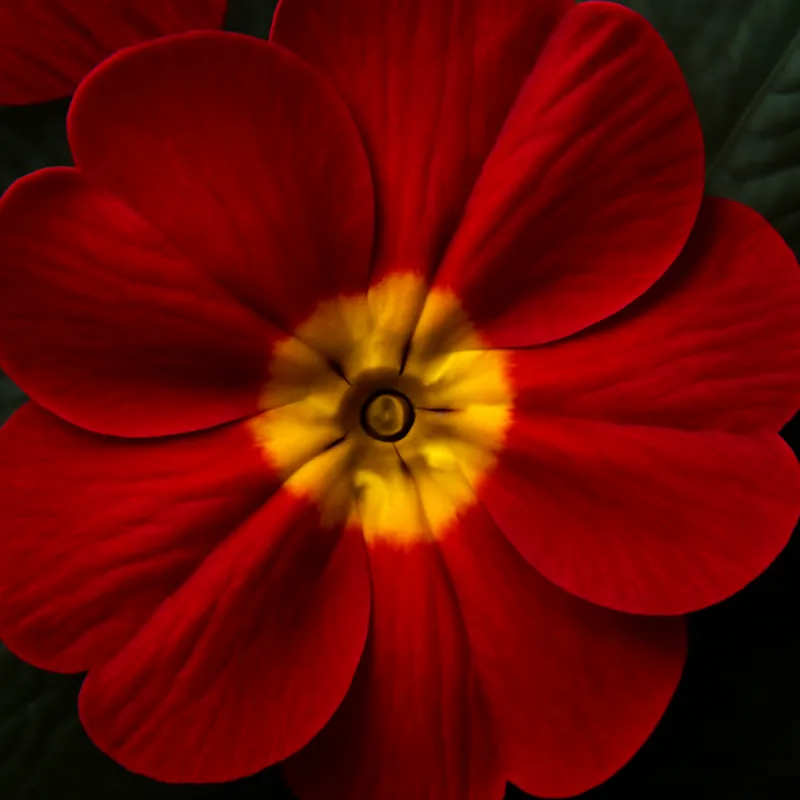
Red primulas are cultivated forms, created by crossing the primrose and the cowslip and then selecting for strong colour. Polyanthus in deep reds and crimsons are among the most popular, and they flower from January or February onwards in sheltered parts of Britain. Their bright colour is welcome when most of the garden is still brown.
Varieties and groups
- 'Cowichan Garnet' is a polyanthus with dark, wine-red flowers.
- Gold-laced polyanthus are a heritage type with a dark red or black petal edged in gold, now grown by specialist societies.
- Candelabra primulas, such as Primula japonica, produce whorls of red or crimson flowers on tall stems in late spring and love damp ground beside ponds and streams.
Candelabra types are far larger and grow best in boggy spots, so check the label before planting.
Growing tips
Place pot primulas somewhere bright but cool. Keep soil moist, though not soggy, and deadhead often. In the garden, choose rich soil that does not bake dry in summer, and mulch with leaf mould. Primulas dislike hot, dry borders and thrive in the damper climate of western Britain. In very cold gardens, mulch or fleece plants during hard frosts.
Pests
Slugs and snails are the most common problems in spring. Vine weevil grubs can kill pot primulas by eating the roots, so check the compost if a plant suddenly wilts. Remove adult weevils at night and consider biological controls where you have many pots.
Safety
The primin in Primula obconica can irritate sensitive skin, so wash your hands after handling those. The ASPCA lists Primula as mildly toxic to dogs and cats. Call your vet if you are worried about your pet.