

An annual from Mexico
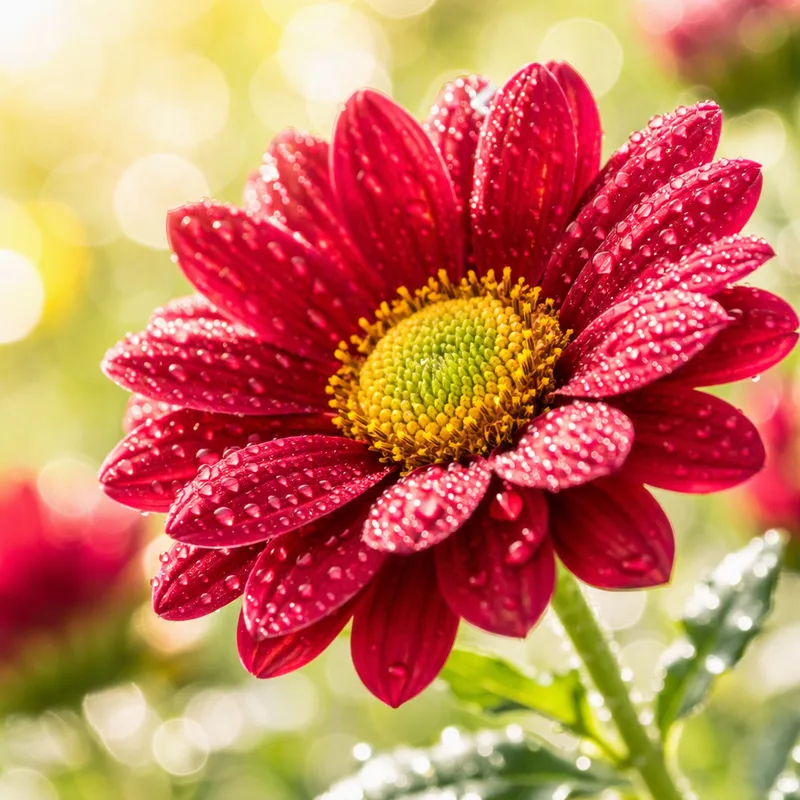
Zinnia elegans, once called youth-and-age, is native to Mexico. The wild plant is only about 15 centimetres tall, with a single flower head around 5 centimetres across and purple petals around a yellow and black centre. Garden forms are far larger and come in white, cream, pink, red, orange, yellow and even green. Some are pom-pom shaped, like small dahlias, and others reach about 90 centimetres. The genus was named after the German botanist Johann Gottfried Zinn.
Sowing in a British climate
Zinnias hate cold and wet, so timing matters.
- Sow indoors in April, with seed pots on a warm windowsill or in a heated propagator.
- Harden off and plant outside at the end of May or in early June when frost is behind you.
- Choose the sunniest spot and soil that does not become waterlogged.
- Pinch out the tip when seedlings are around 20 to 30 centimetres tall for a bushier plant.
In a cool, damp summer or in the north, flowering may be late. A sheltered south-facing spot or a greenhouse border helps.
Powdery mildew
Mildew is the common problem in humid weather. Space plants so that air flows, water at the base and look for resistant series such as Benary's Giant or Profusion. Some of the Benary's Giant forms hold the RHS Award of Garden Merit.
For the vase
Pick flowers when stems are firm just under the head. Changing the water regularly keeps them fresh for about a week to ten days.
Pets
The ASPCA classes zinnias as non-toxic to dogs, cats and horses.