

English lavender and its cousins
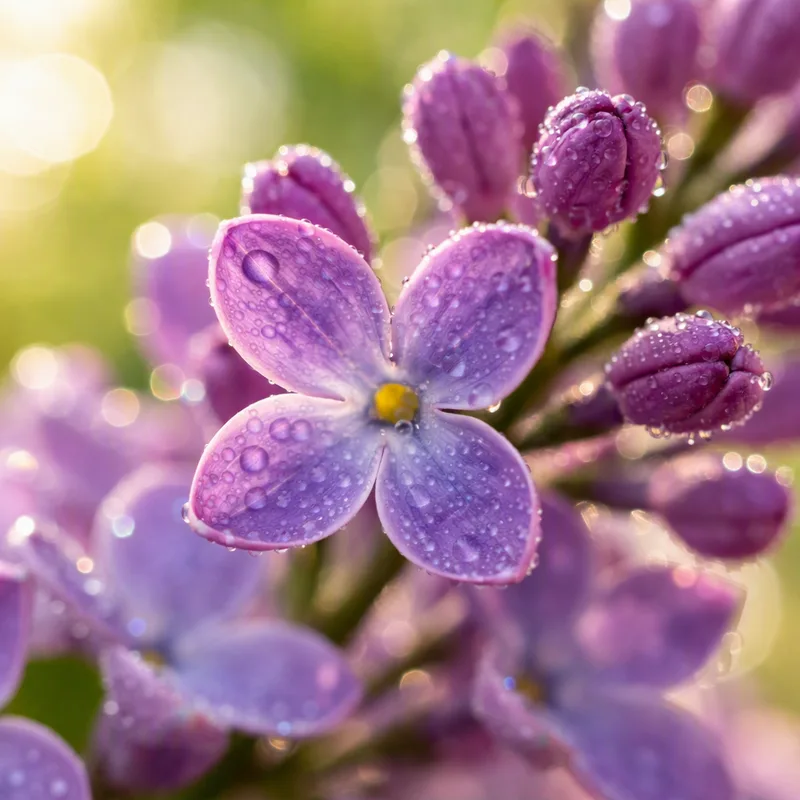
The lavender most British gardeners call "classic" is Lavandula angustifolia, known as English lavender even though it comes from the Mediterranean. It is a woody, evergreen shrub of 30 to 60 cm with grey-green leaves and purple flower spikes from July to August. Lavandin (Lavandula x intermedia), such as 'Grosso', is a larger hybrid that flowers slightly later, while French lavender (Lavandula stoechas) has tufted "rabbit ears" and is less hardy in cold areas.
Choosing a variety
- 'Hidcote' is a compact, deep purple variety, often used for low hedges.
- 'Munstead' is slightly earlier and softer in colour, and tolerates exposed gardens.
- 'Imperial Gem' has deep purple flowers on a tidy plant.
English lavender is hardy in most of Britain but dislikes cold, wet soil. In the north and Scotland, choose a sheltered, sunny spot beside a wall.
Planting and pruning
- Choose a place in full sun with sharp drainage. Chalk, sand and gravel suit it perfectly.
- On heavy clay, plant on a mound or in raised beds and add grit.
- Prune after flowering, in late summer, trimming the stems back into the green growth.
- Avoid cutting into old bare wood in autumn, since it seldom shoots again.
- Replace plants after ten or so years, when they become woody.
Picking and drying
Cut the stems when the lowest flowers on each spike are open, tie them in small bundles and hang them upside down somewhere airy and shaded. Dried lavender scents drawers and wardrobes, and the buds are used in sachets. Lavender fields in places such as Norfolk and the Cotswolds are popular summer outings.
Pets
The ASPCA lists lavender as toxic to dogs, cats and horses, because it contains linalool and linalyl acetate. Eating large amounts can cause sickness and loss of appetite, and the essential oil is more concentrated. Keep oil away from animals and phone your vet or the Animal PoisonLine if you are worried.