A huge family with lopsided leaves
The genus Begonia holds more than 2,000 species, mostly from the tropics and subtropics. Its leaves are usually asymmetric, with one side larger than the other, which is a quick way to recognise the group. The flowers have petals but no sepals, and each plant carries separate male and female flowers. The name honours Michel Bégon, a French official who supported botanical collecting.
Types you will find in British gardens
- Tuberous begonias, with big, often double flowers, from a tuber that rests over winter
- Fibrous-rooted bedding begonias, small and neat, grown for edging and containers
- Trailing types, popular in hanging baskets
- Rex begonias, kept indoors for patterned leaves
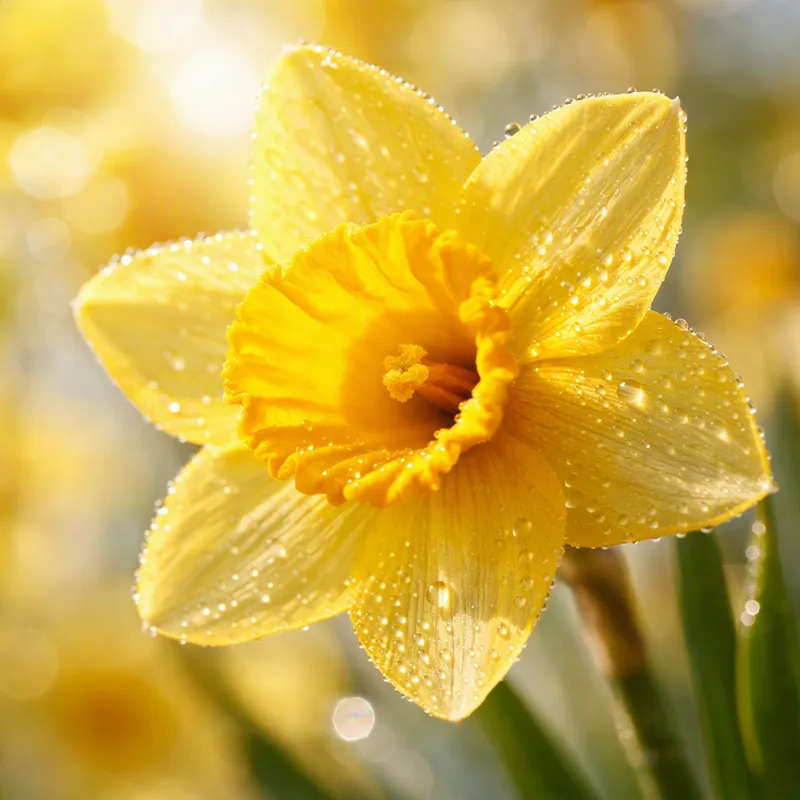
The yellow shades on this page belong to the tuberous group, with warm tones that brighten a shady corner.
Are begonias perennials?
Botanically yes, but nearly all garden types are tender. They cannot cope with a British frost, so most people treat bedding begonias as annuals and lift the tubers of tuberous kinds in autumn. Dry them off, store them in a cool, frost-free place, and restart them in spring. Plant out in late May or June, once the nights are warm. The one usually described as hardy outdoors in a mild garden is Begonia grandis.
Where to grow them
Most prefer partial shade and moist but never soggy compost. Water the soil and not the leaves, which helps to avoid powdery mildew. Vine weevil grubs can eat roots in pots, so check containers that fail for no obvious reason. Flowering runs from June to October.
Pets and children
Per the ASPCA, begonia can poison dogs, cats and horses. Soluble calcium oxalates are responsible, the underground parts are worst, and dogs and cats may vomit and drool.