A Balkan shrub that settled in
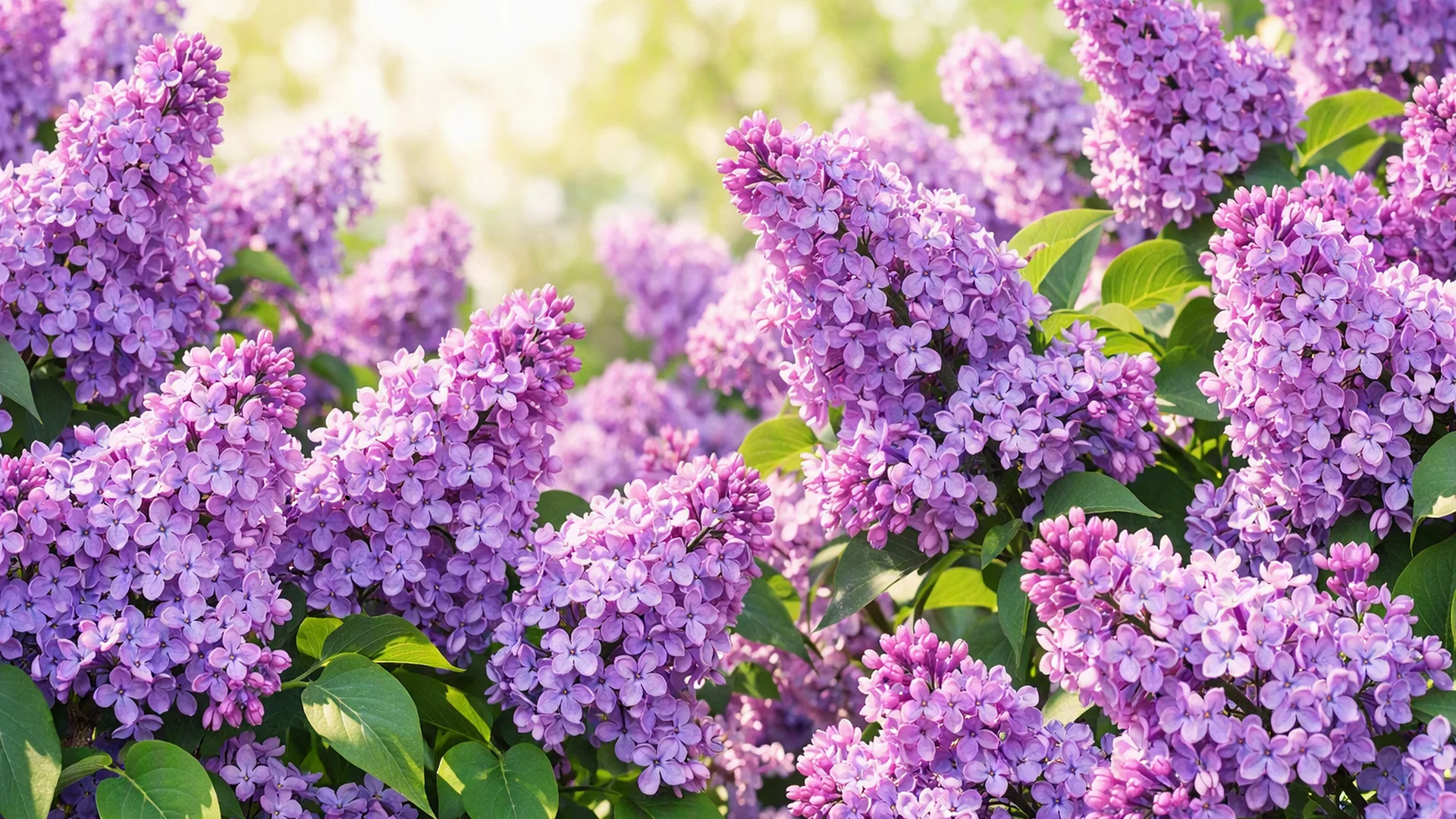
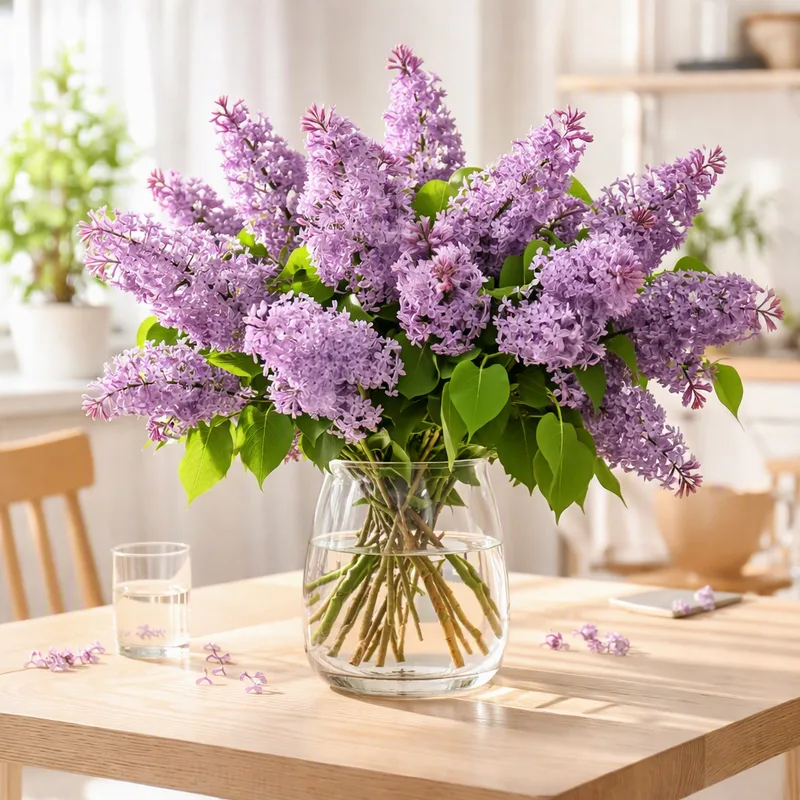
Syringa vulgaris belongs to the olive family and is native to the Balkan Peninsula, where it grows on rocky hillsides in countries such as Serbia, North Macedonia and Bulgaria. Lilacs reached northern European gardens at the end of the sixteenth century, brought from Ottoman gardens, and they have been planted around cottages, vicarages and farmhouses ever since. A mature shrub is large, often six metres or so, with heart-shaped leaves and dense, sweetly scented flower clusters in May, just before the roses.
The colour and the flower
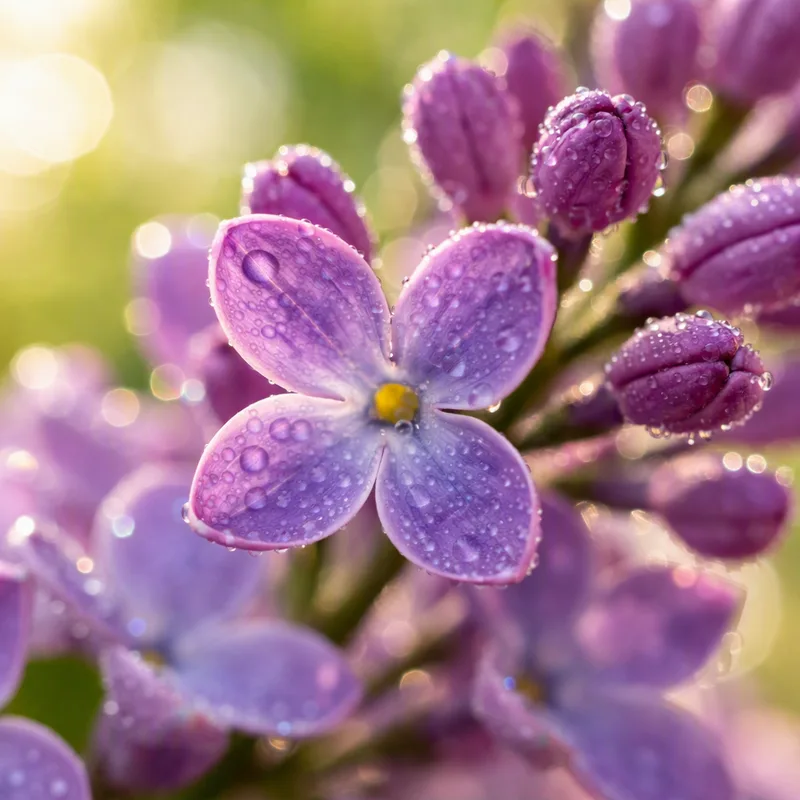
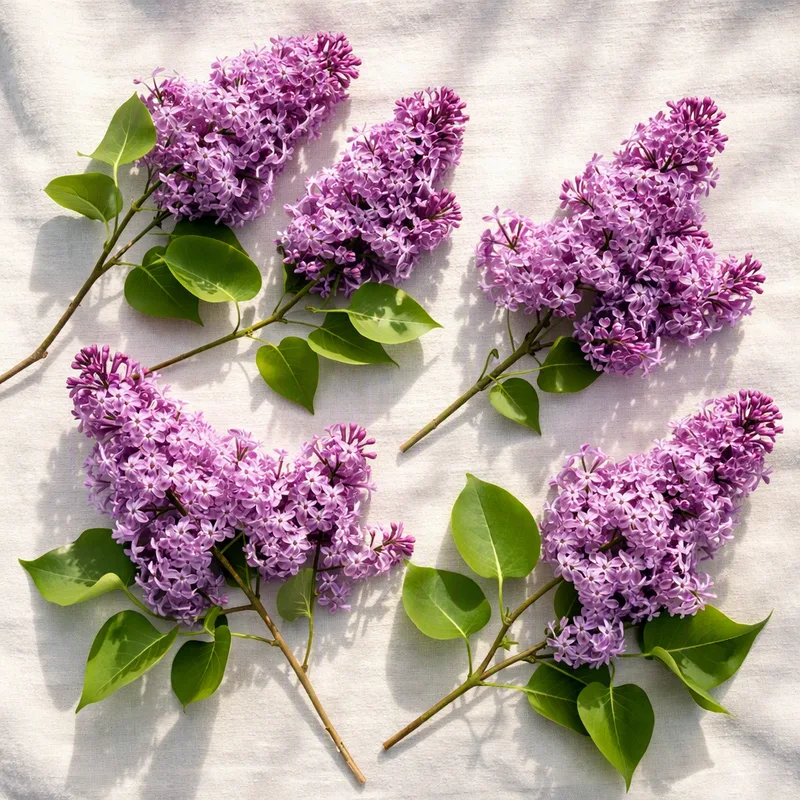
When people search for lilac colour or lilac flowers they are often asking the same thing, because the colour is named after the flower. Wild flowers are usually lilac to mauve, a pale purple, and occasionally white. Cultivated varieties stretch from white and cream through pink and lavender to deep purple.
Pruning and care
- Prune straight after flowering. Cutting in late summer or winter removes next year's buds.
- Deadhead spent flower clusters where you can reach, so energy is not wasted on seed.
- Lilac is fully hardy and prefers a sunny site and well-drained soil that is neutral to alkaline, so it grows happily on chalk.
- Remove suckers from grafted plants, since they will not carry the named flower colour.
Common lilac tends to flower heavily in alternate years, a habit that regular deadheading can reduce.
Meaning and pets
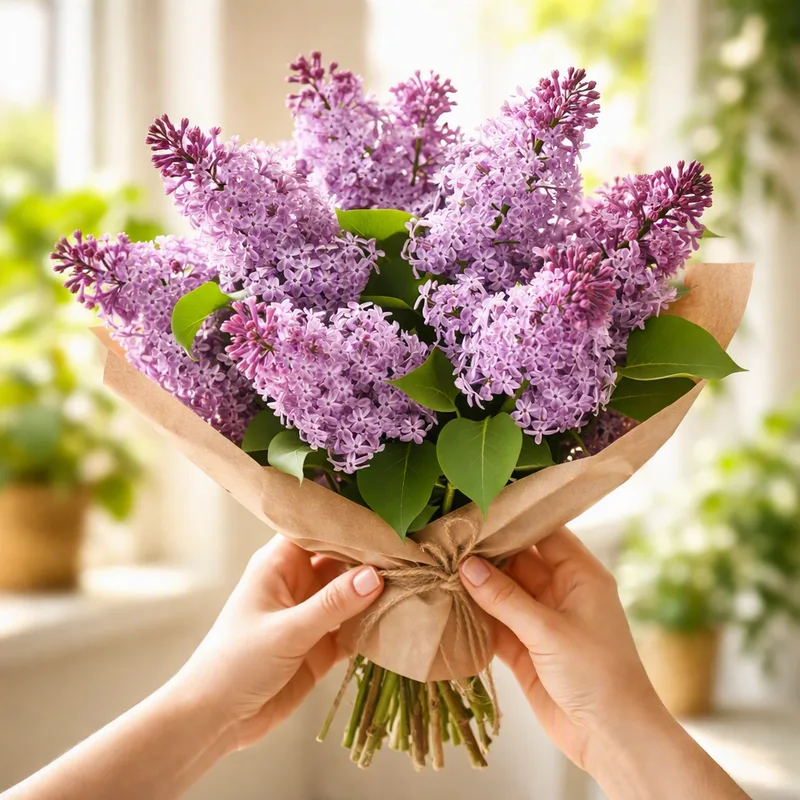
In the language of flowers lilac is traditionally linked with memory and first love. For pets, common lilac does not appear on the ASPCA toxic list. The 'Persian lilac' that does appear there is Melia azedarach, a quite different tree.