A pink flush, not a pink flower
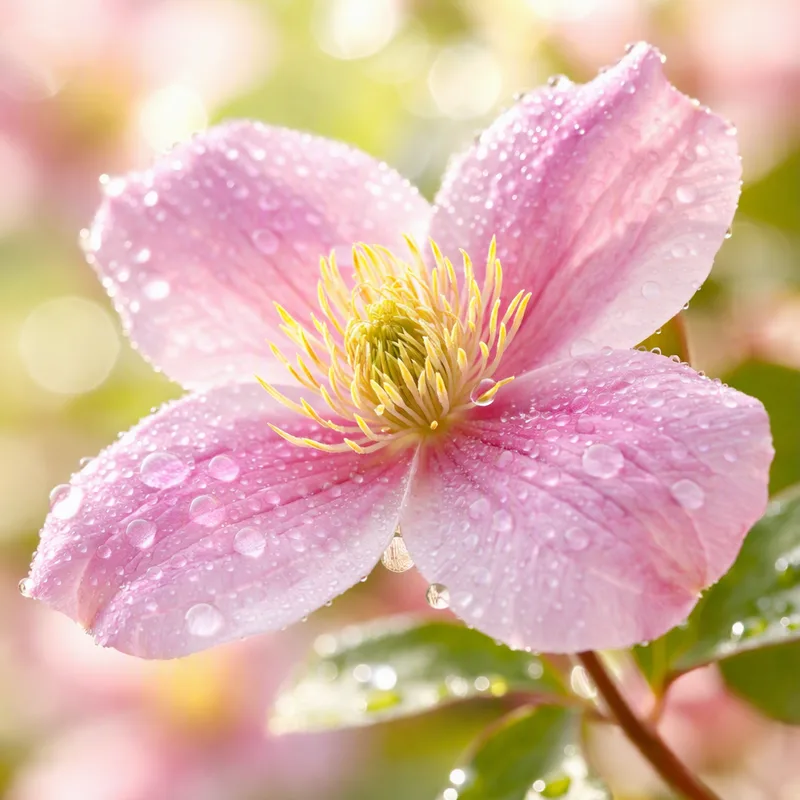
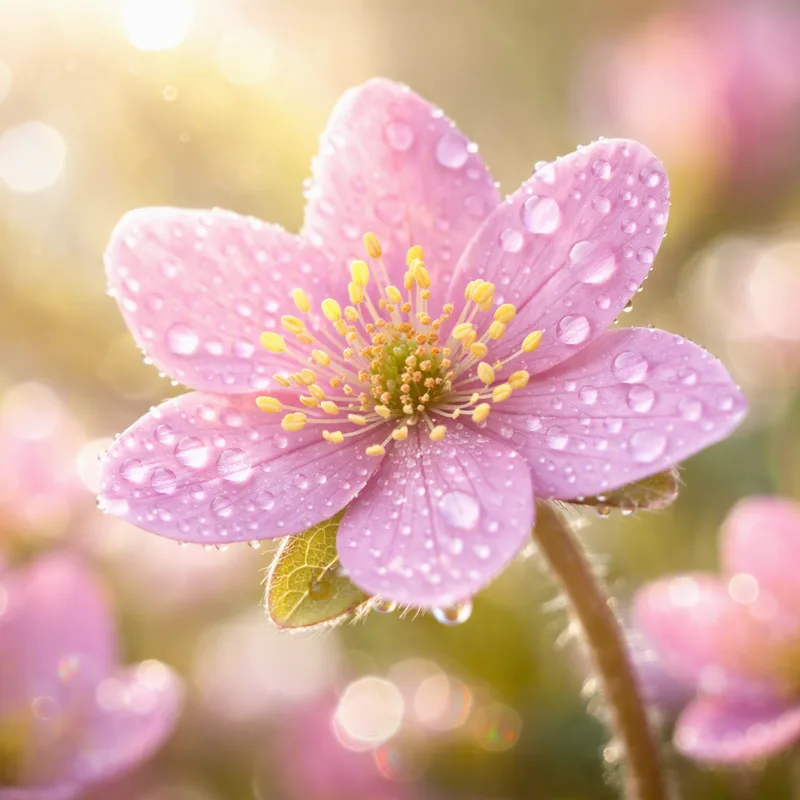
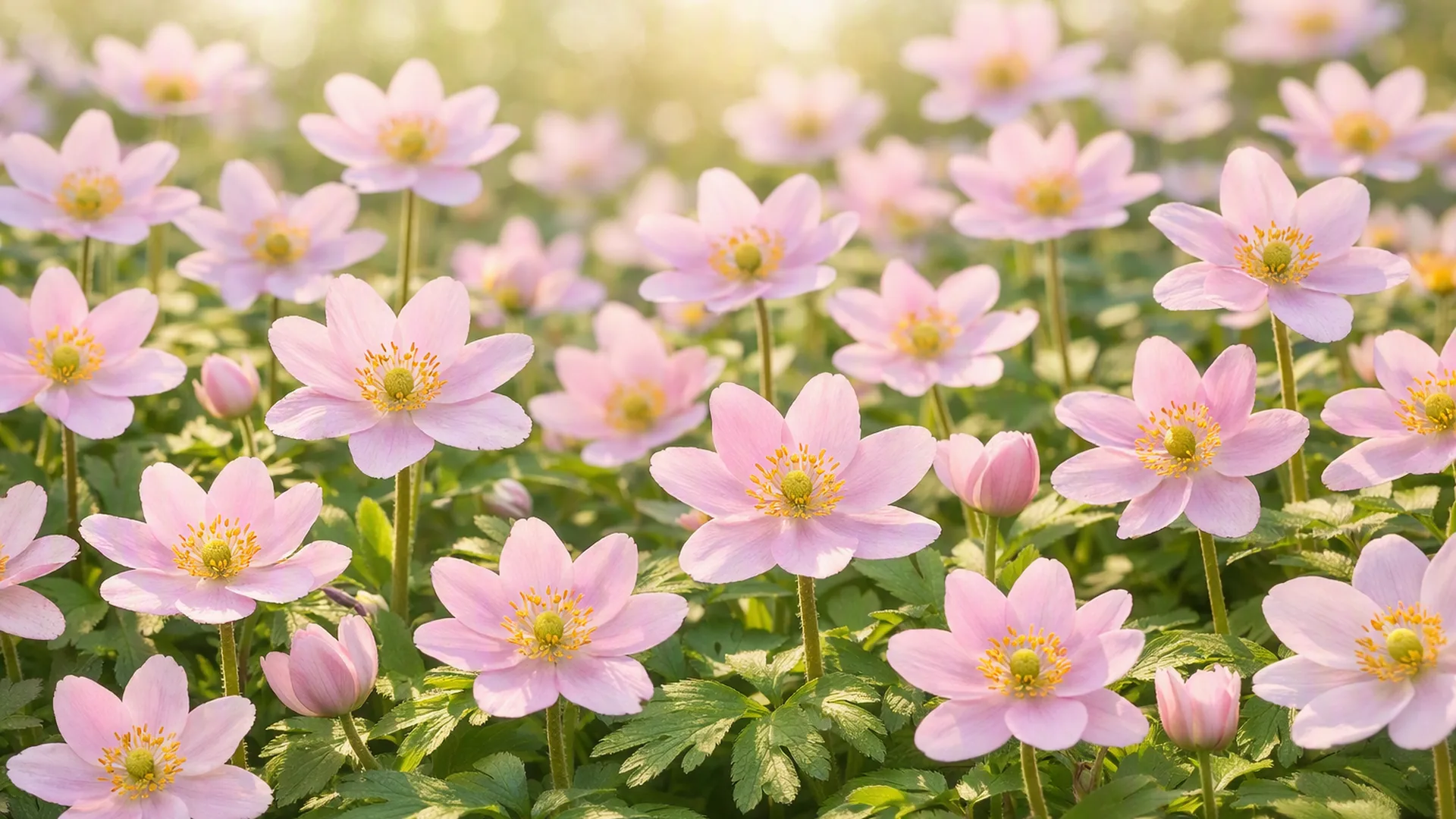
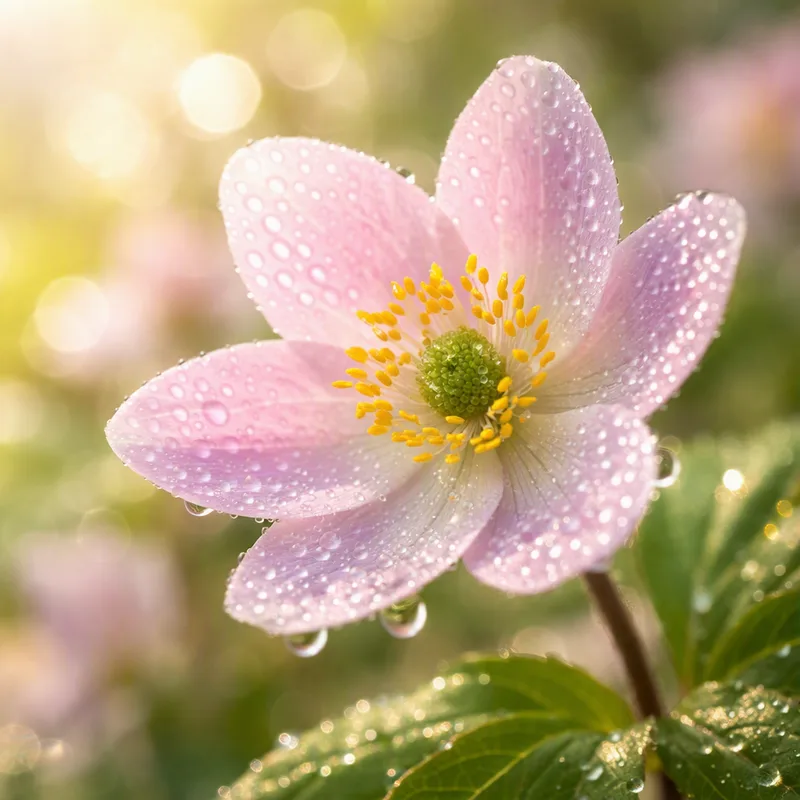
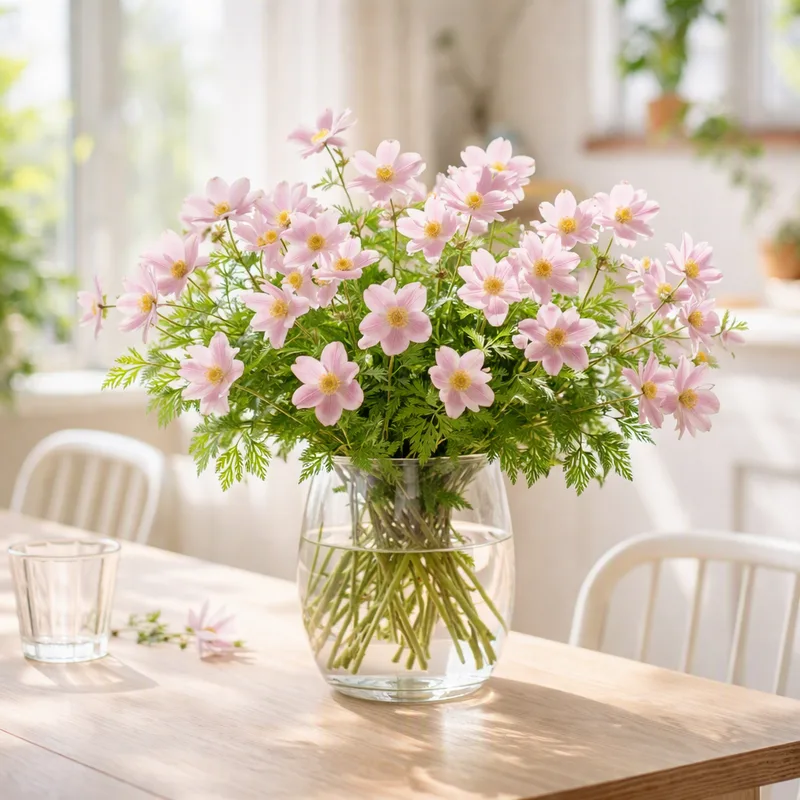
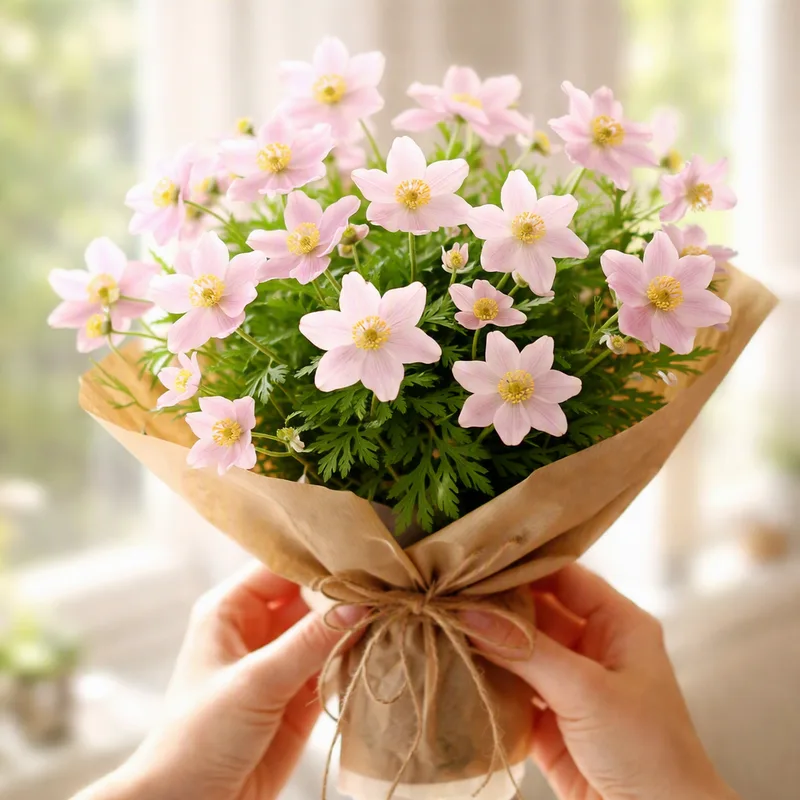
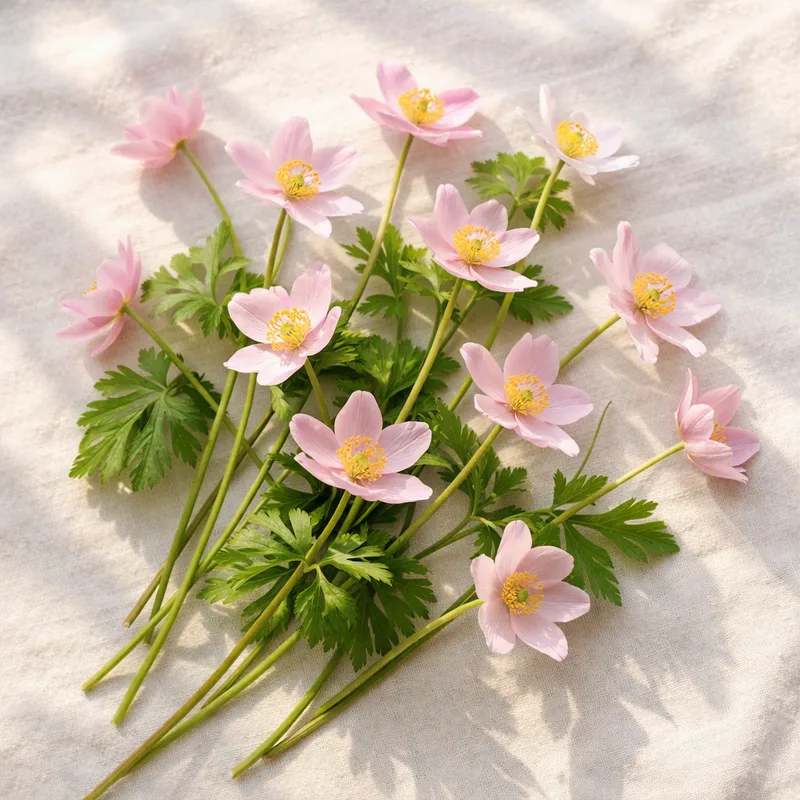
The wild wood anemone is usually white, but it may be pinkish, lilac or blue, and the backs of the petals often carry a darker tint. That is why a patch of wood anemones can look pink from a distance, particularly in bud or on a cool day. A truly pink form is unusual, so treat any claim of a deep pink wood anemone with care.
Garden choices
British nurseries list a large number of cultivars, and the RHS Plant Finder has recorded about 70. Most are not pink. Well-known ones include 'Allenii' and 'Robinsoniana', with lavender-blue flowers, 'Vestal' with double white blooms, and 'Bowles' Purple'. For pink in a woodland garden, gardeners often add other spring plants, such as pink hellebores or Cyclamen coum, alongside the anemones.
Planting guide
- Position: dappled shade, such as below a deciduous tree
- Soil: leafy, moist in spring, not too heavy
- Time: plant dormant rhizomes in autumn
- Aftercare: do not disturb, as clumps spread slowly
Plants die back by midsummer, so mark the place to avoid digging them up.
Respect for wild plants
Picking and digging in woods harms slow-growing colonies. Enjoy wild plants where they grow and buy plants from a nursery.
Safety
Wood anemone is a member of the buttercup family and the sap irritates. Wear gloves and wash hands afterwards. Call NHS 111 if a person has eaten it, and ring a vet if a pet has.