Choosing a pink
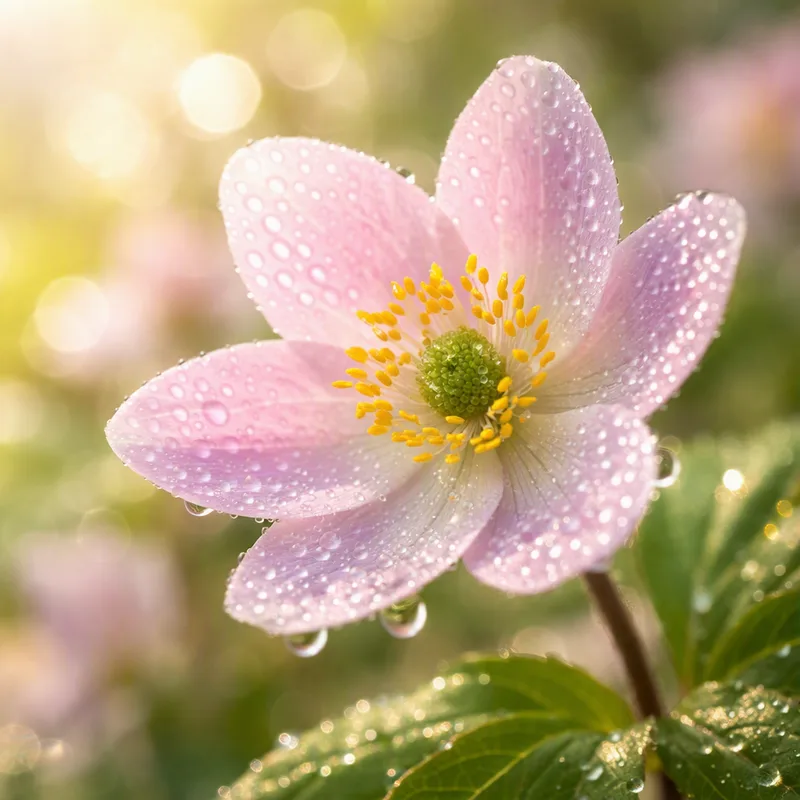
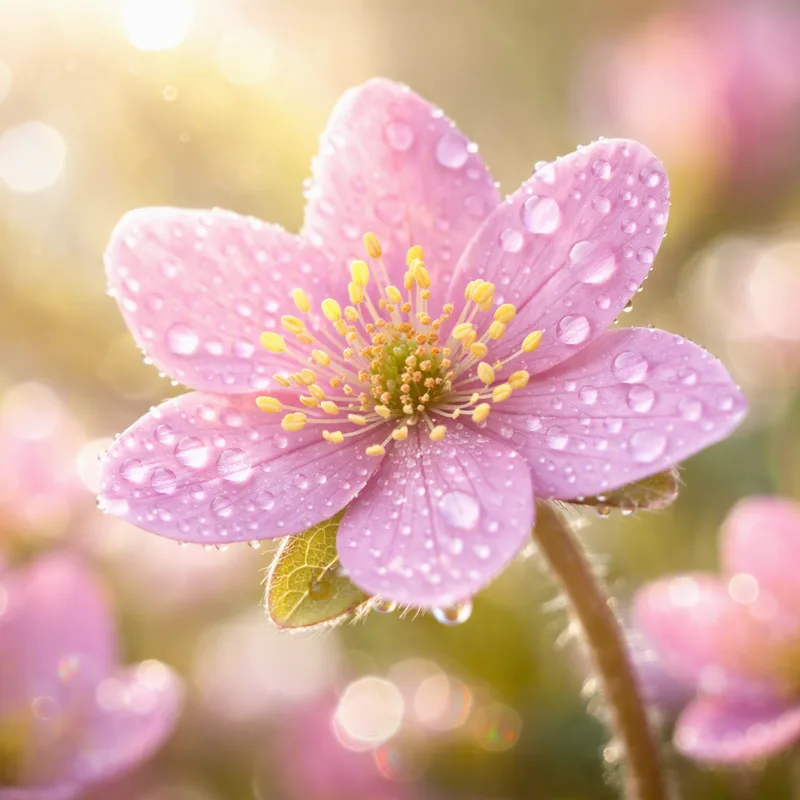
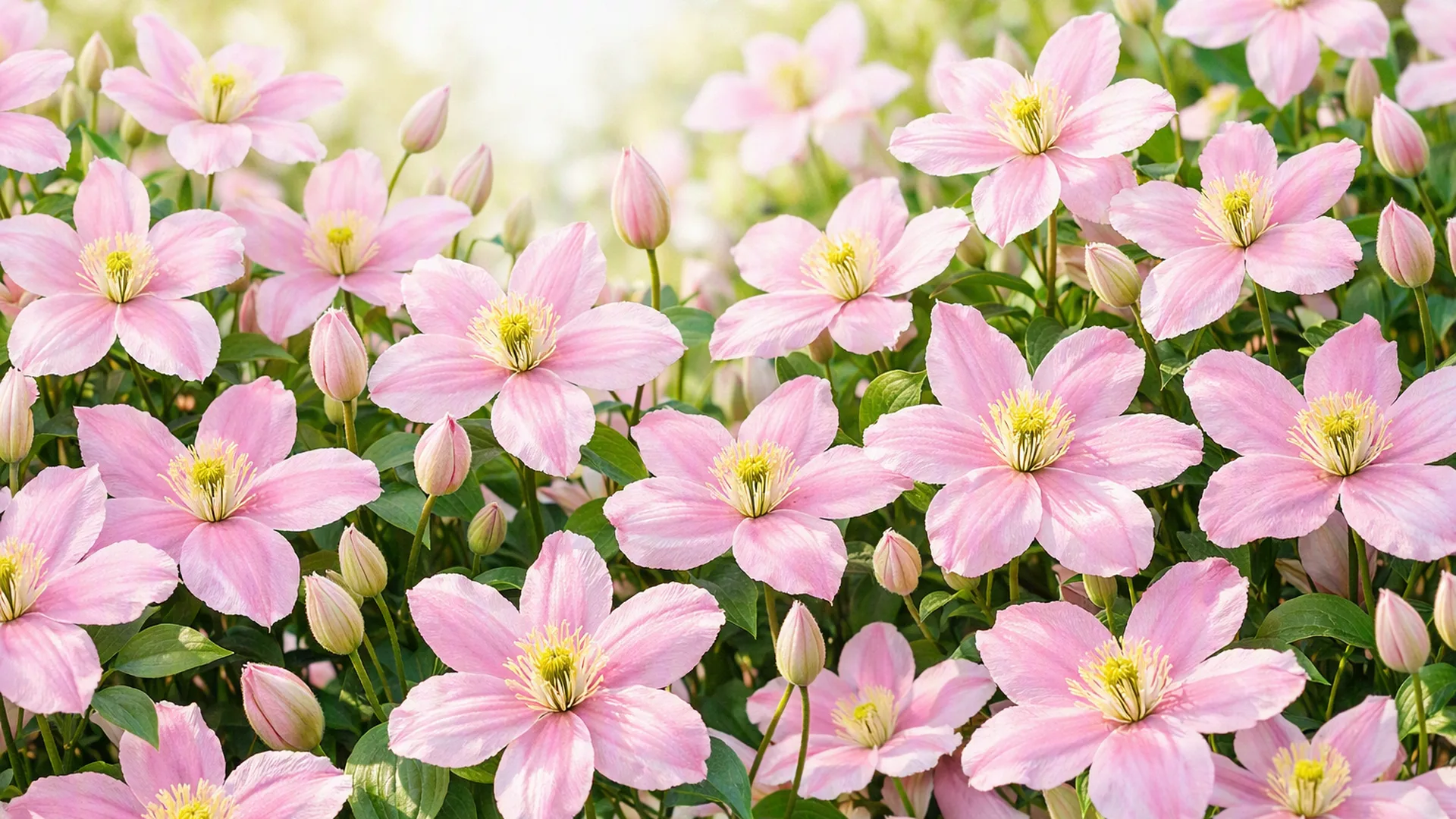
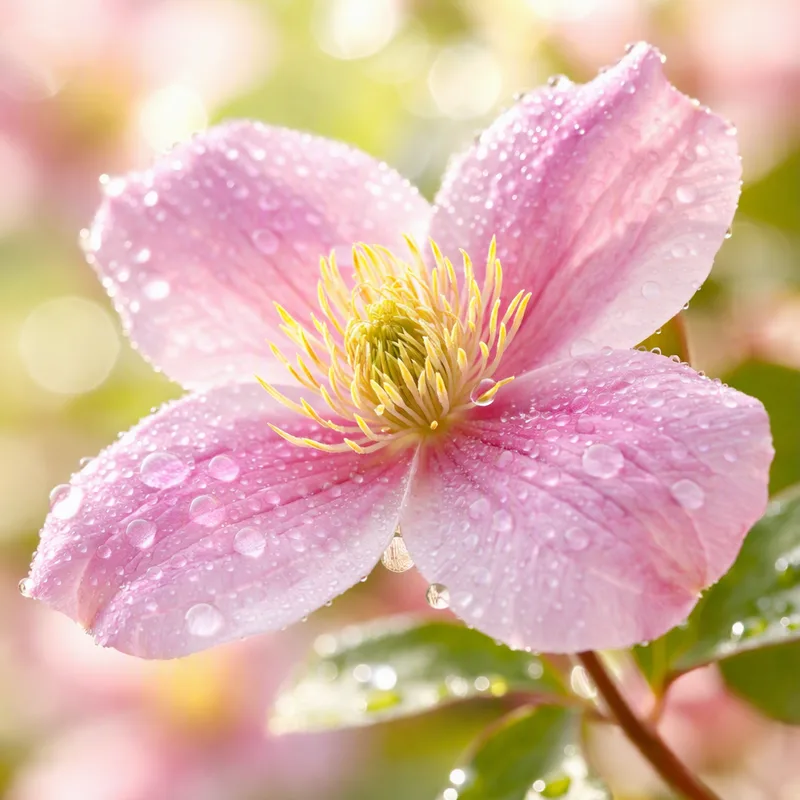
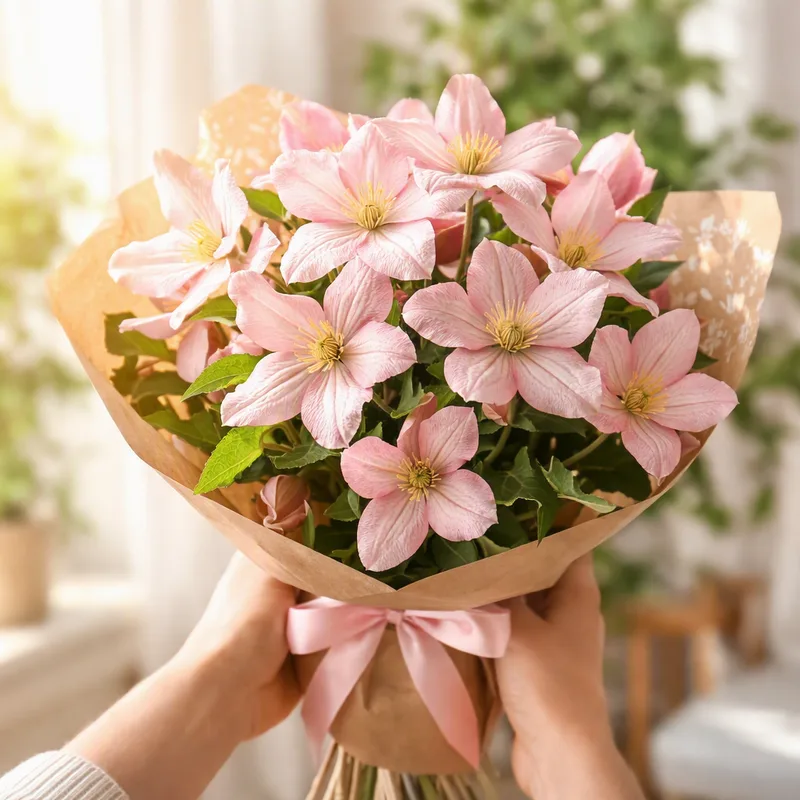
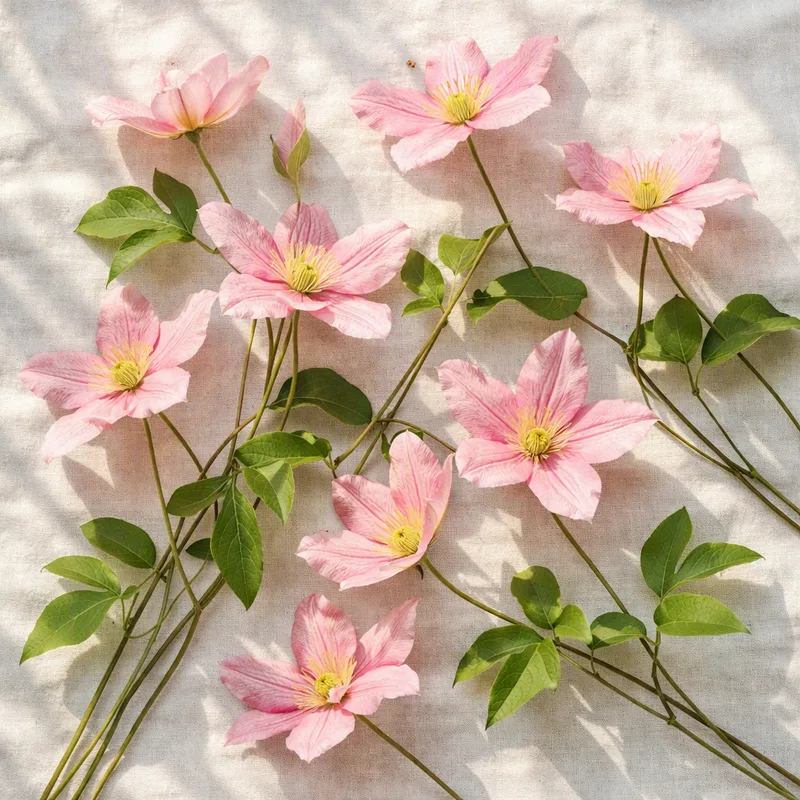
- 'Nelly Moser' has pale mauve-pink petals with a darker carmine bar. It flowers in late spring and again in late summer, is a group 2 clematis and tends to fade in strong sun, so a north- or east-facing wall suits it.
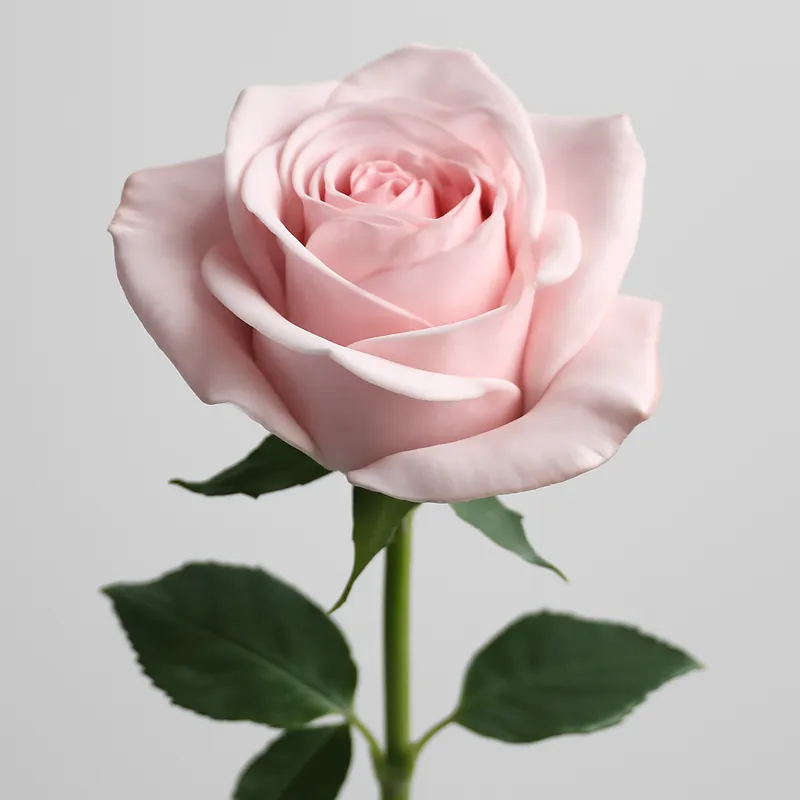
- 'Hagley Hybrid' is a shell-pink group 3 plant that flowers through summer.
- Clematis montana 'Rubens' has pink flowers in May and extraordinary vigour, so give it plenty of space.
Light and soil
Pink clematis, like most, enjoys its head in light and its roots in cool, well-drained, fertile soil that is neither acidic nor too wet. Chalky soils are often a good fit. Shade the base with a shrub or a pot, and mulch in spring.
Pink is also a safe bet for mixed planting: a pink clematis scrambling through a shrub rose, or up an obelisk in a large pot, extends the season of colour without taking extra ground. Choose a container at least 45 centimetres deep for long-term success.
Training
Clematis needs something thin to twine around: wires, a trellis, netting or twiggy sticks. Tie in the young shoots early, because they are brittle. Prune according to your variety's group, and if plants are healthy but flowering badly, check you have not cut off flower buds.
Pests and disease
Slugs and earwigs can damage young growth. Clematis wilt can cause stems to collapse suddenly in summer, so plant deeply and cut affected stems to the ground.
Animals and skin
Clematis counts among the ASPCA's toxic plants for dogs, cats and horses. The sap can irritate skin, so use gloves when pruning.