A rarer shade of an early flower
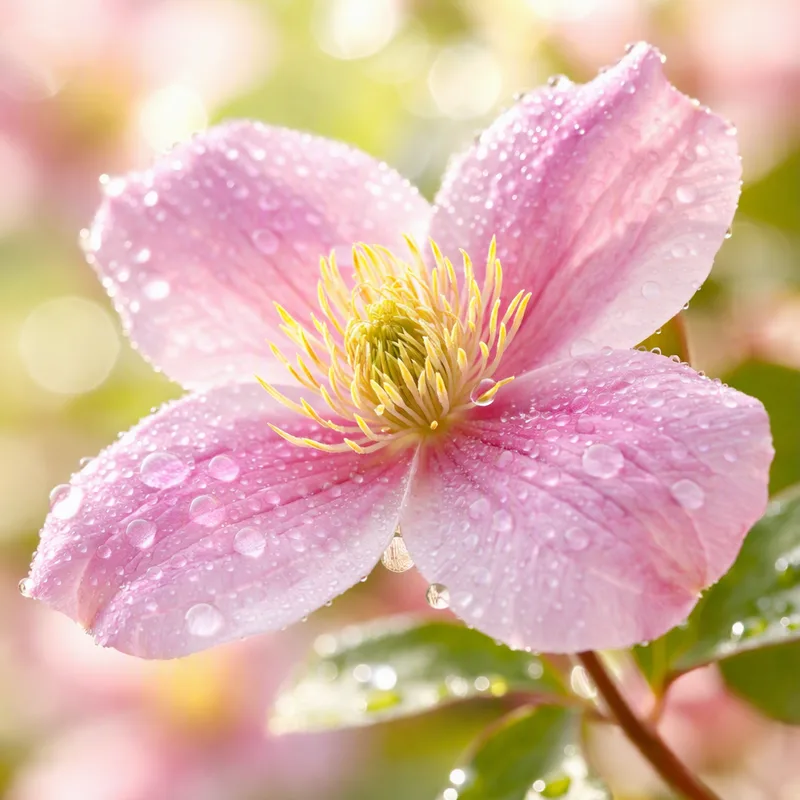
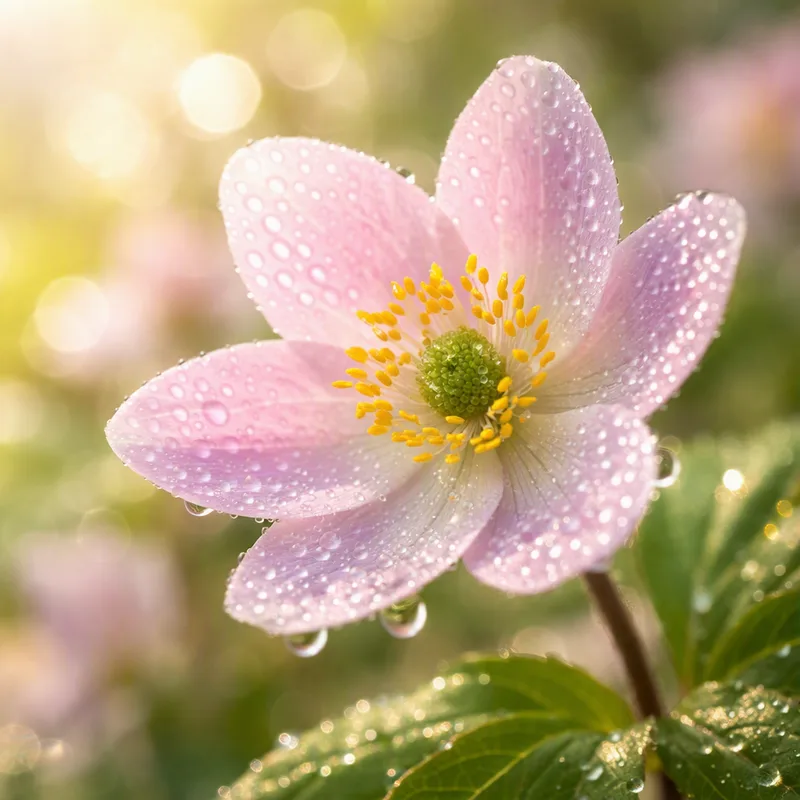
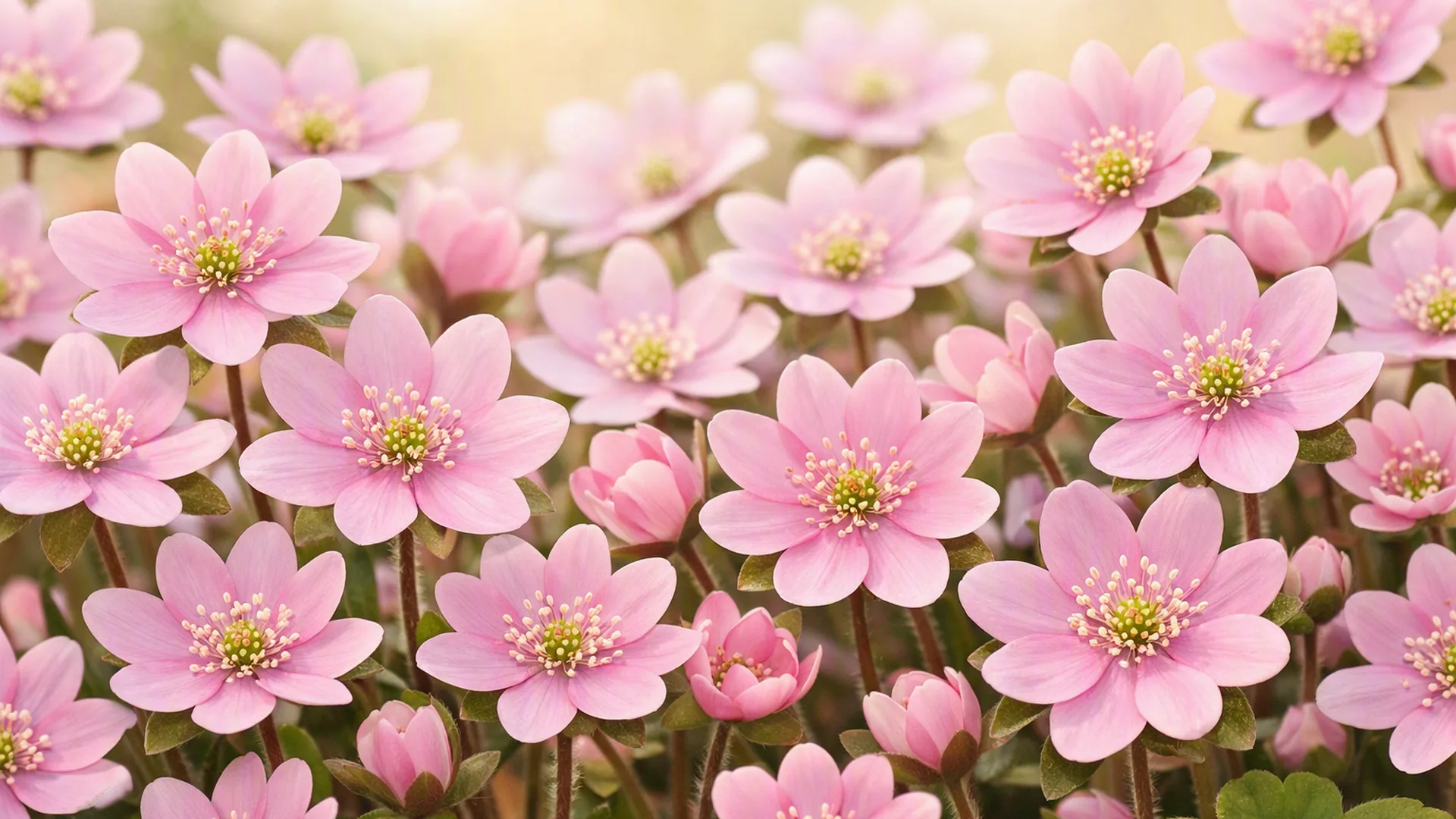
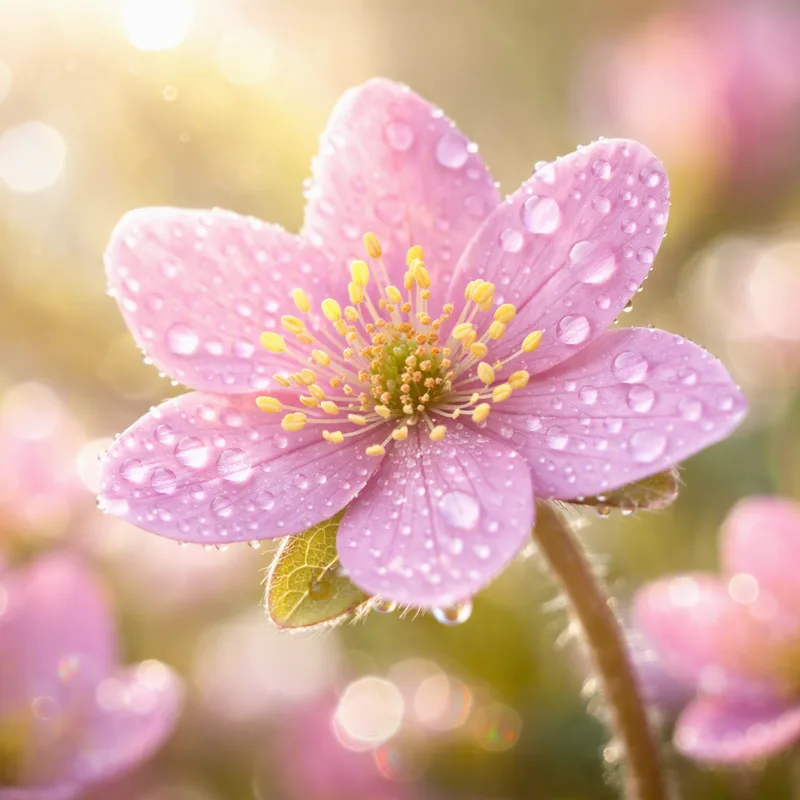
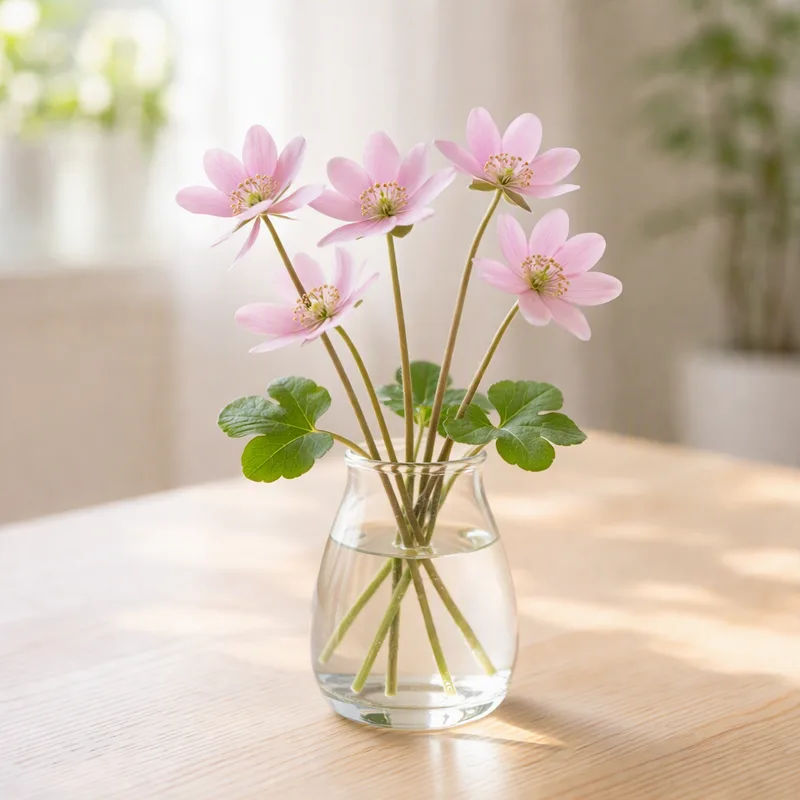
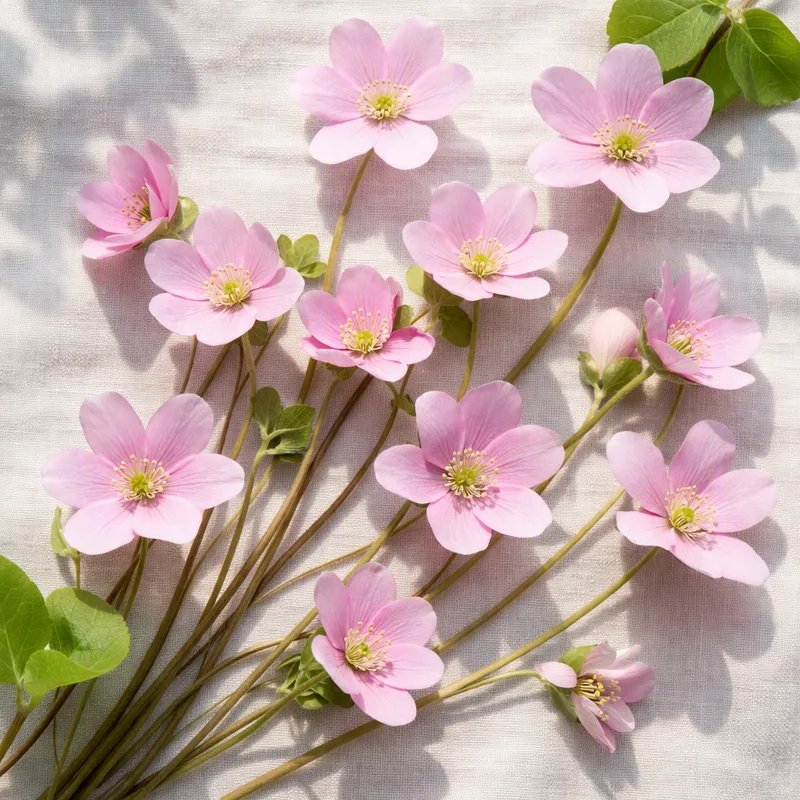
The typical Hepatica nobilis is blue-violet, but pink-flowered plants turn up in cultivation, and growers have selected soft pink, rose and even double forms. Pink is often a blush that deepens as the flower ages. The blooms are small, usually 2 to 3 centimetres across, so pink hepatica is best seen close up, planted at the edge of a path where you can bend down to enjoy it.
Honest note on availability
Pink hepatica is not common, and a pink name on a label does not guarantee a deep colour. Seedlings vary, so named selections are more reliable than unnamed plants. If you cannot find an exact pink, the nearest options are the blue and white forms of the same species, which grow in the same way.
Spring timing
Hepatica flowers in February and March, when snowdrops are going over. Pair pink hepatica with snowdrops, winter aconites and hellebores. In Scotland and the Pennines it may flower later, into April, and a late frost will not harm the plant, although the open flowers can be marked.
Care in brief
- Partial shade with dappled light.
- Humus-rich soil with good drainage.
- Leave undisturbed, as it resents division.
- Mulch with leaf mould in autumn.
- Check for slugs on new leaves.
It is not sold as a cut flower because stems are too short and fragile.
Toxicity
Fresh hepatica contains protoanemonin, a mild irritant common in the buttercup family. Wear gloves if you have sensitive skin, and ask NHS 111 or a vet if it is eaten.