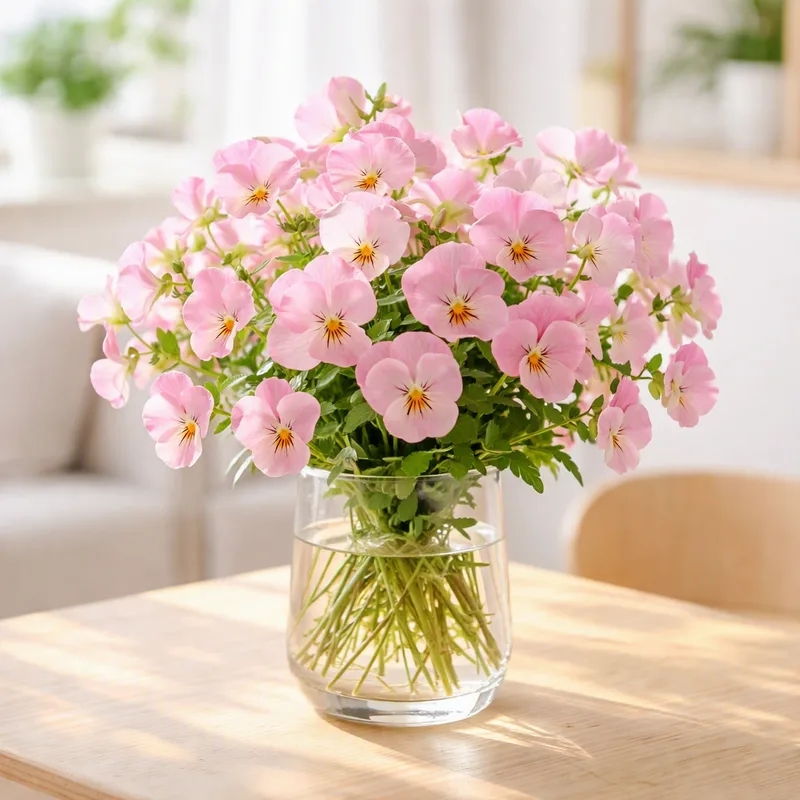
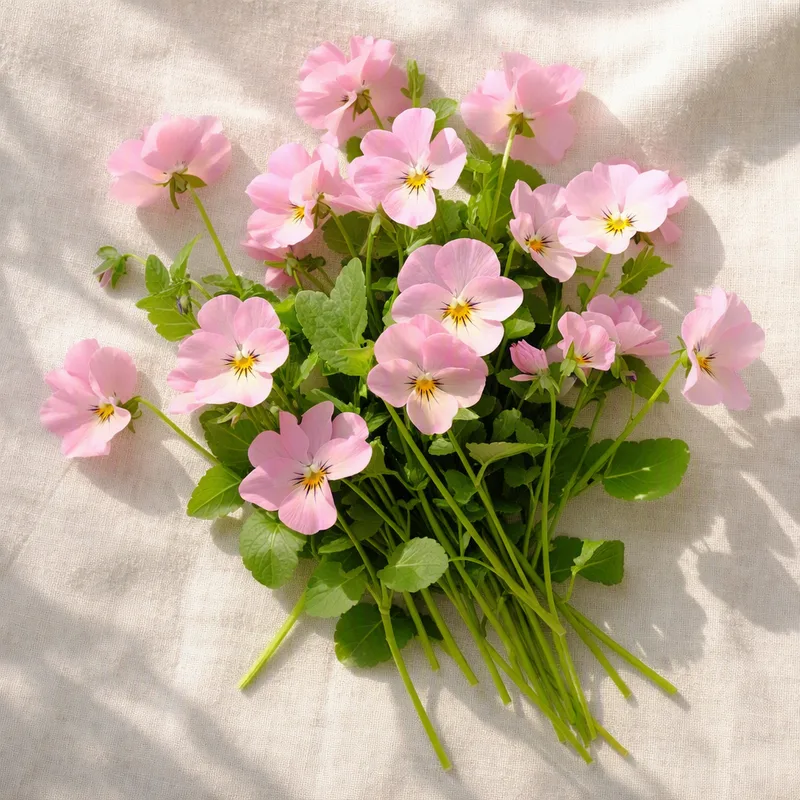
Pink in the violet family
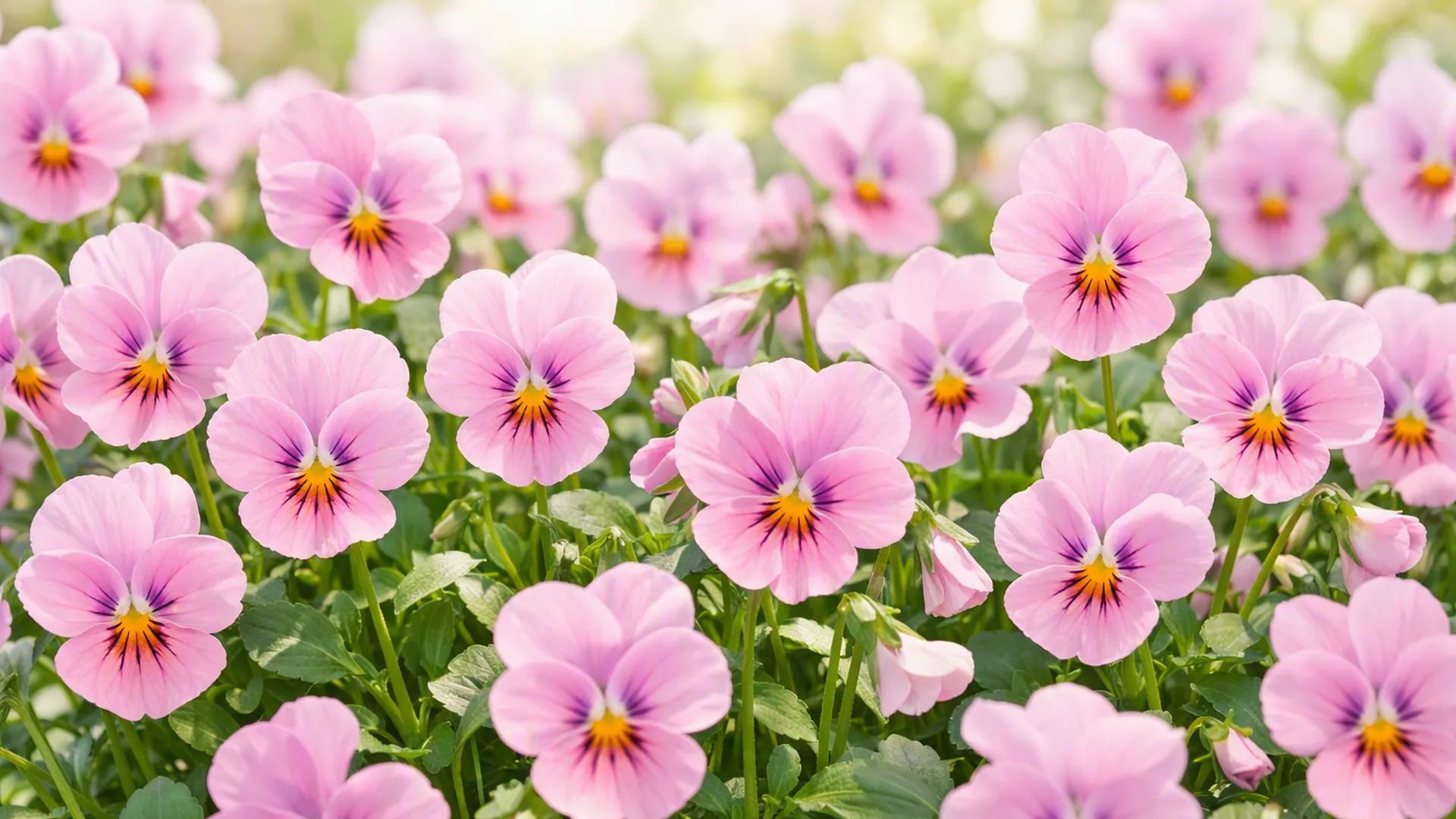
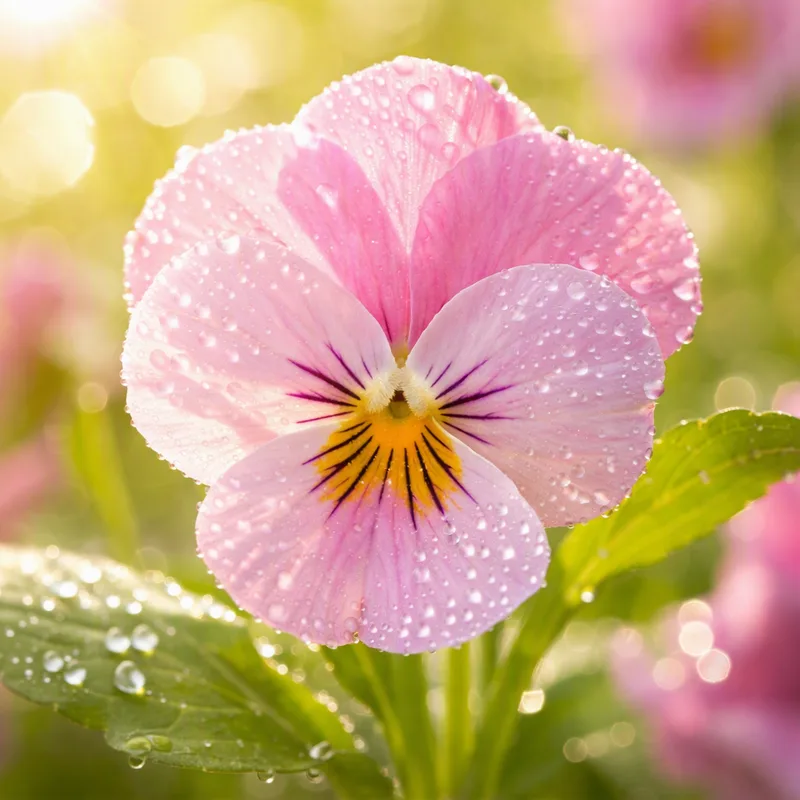
The wild sweet violet does not come in pink, but breeders have selected forms with rose-pink flowers. Viola odorata 'Rosine' is a long-cultivated pink cultivar that keeps the scent. Garden violas and pansies also come in a wide range of pinks, from pale blush to deep rose.
Making a spring picture
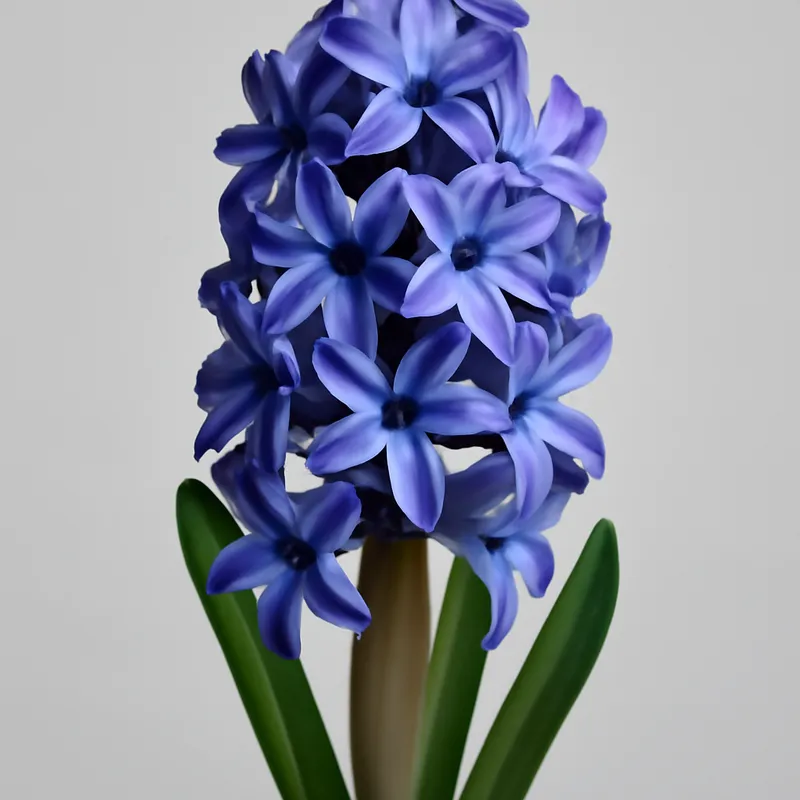
Pink violets flower from late winter, so they combine well with snowdrops and primroses under deciduous trees. Pair them with the blue of dog-violets in a woodland-style border, or let them edge a path.
- Plant in dappled shade with leafy, moisture-retentive soil.
- Water through dry spells in the first year.
- Cut back old foliage in late winter and lift and divide congested clumps after flowering.
- Check plants for slugs, which like tender young leaves.
Soil that has been fed with leafy compost in autumn will give the best result, because violets thrive on the slow release of nutrients from a woodland-style mulch.
Pots and gifts
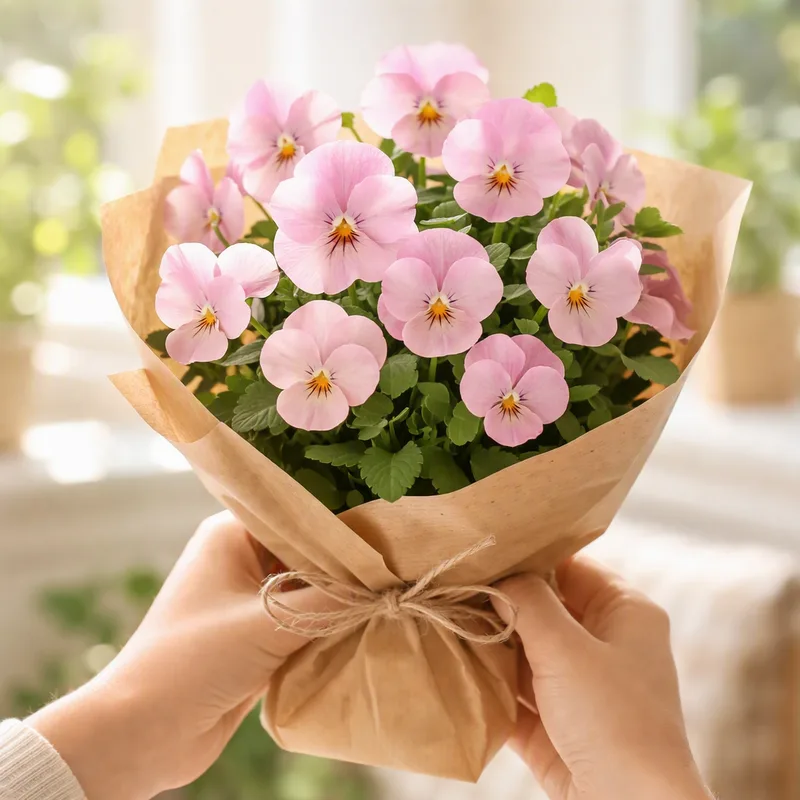
A small pot of pink violets makes a gentle spring gift and suits a cool porch or a sheltered windowsill. Keep the compost evenly moist, and plant out in the garden after flowering.
In the language of flowers, violets traditionally symbolise modesty, and pink adds a note of affection.
Care around animals
The ASPCA calls pansies harmless to dogs and cats, but it does not cover sweet violet, whose roots contain saponins. Keep curious dogs from digging and chewing the roots, and only eat flowers you can identify with certainty and which have not been sprayed.