
Classic Chrysanthemum
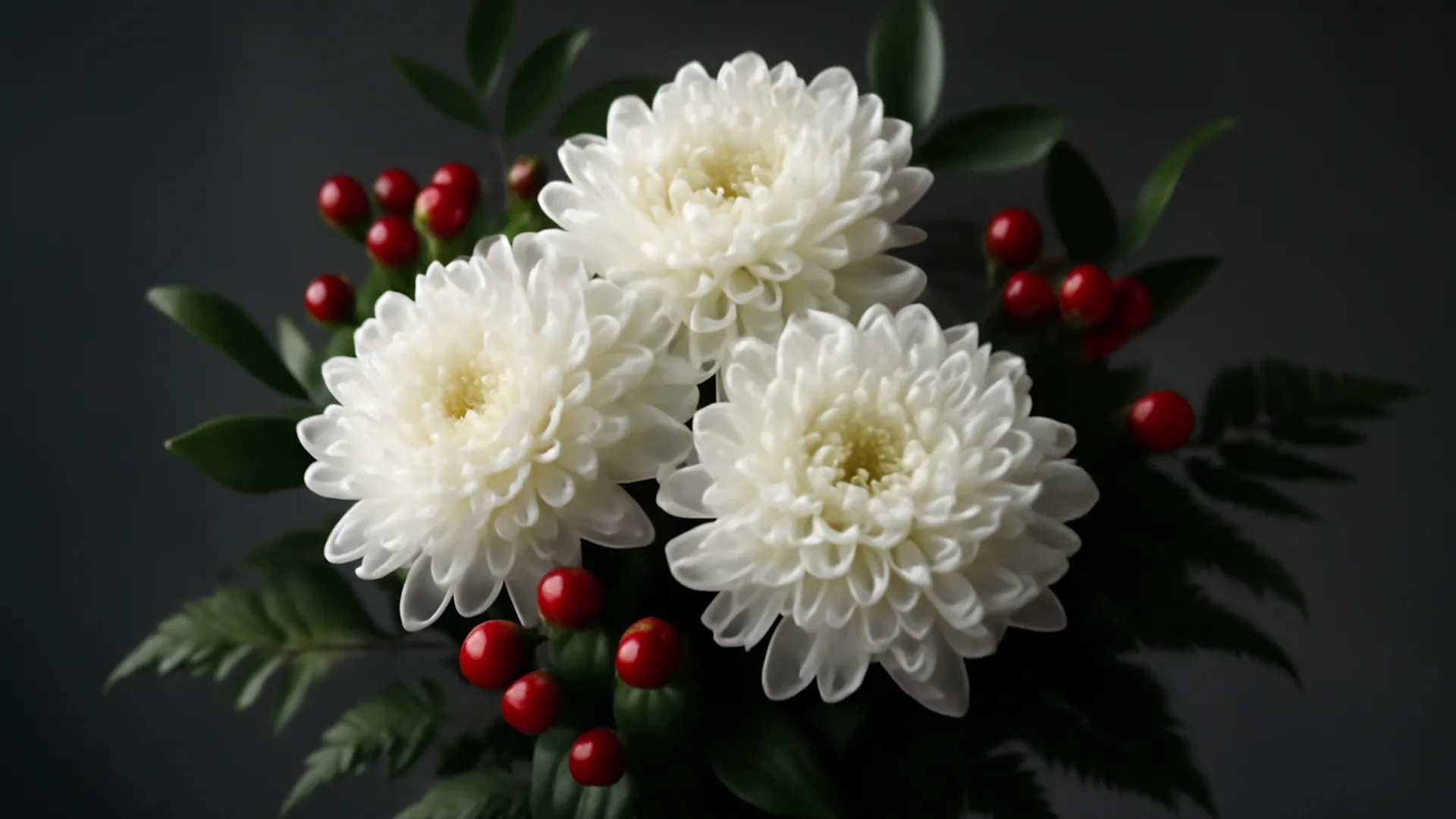
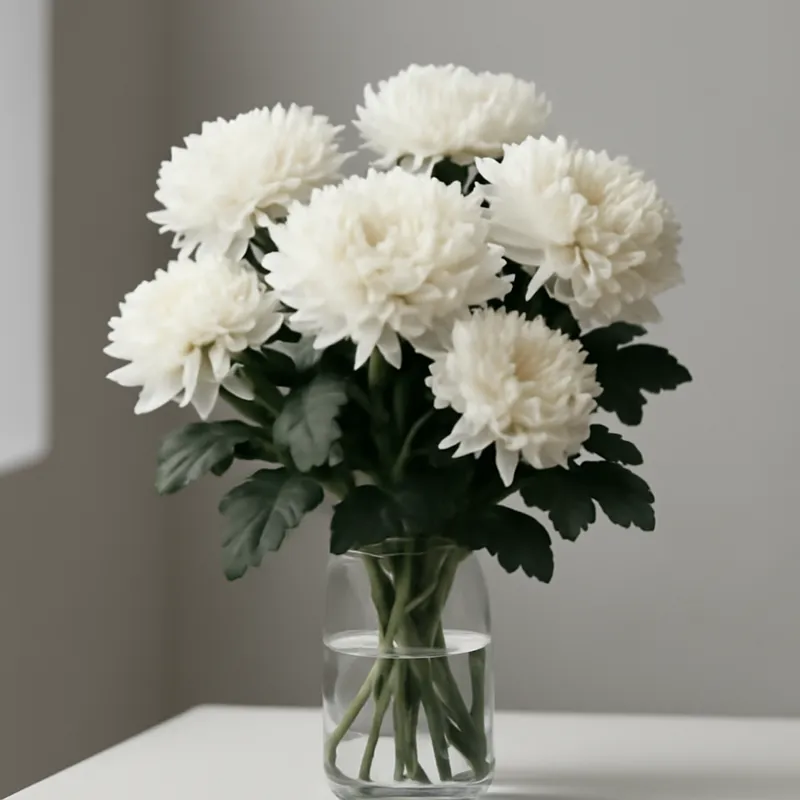
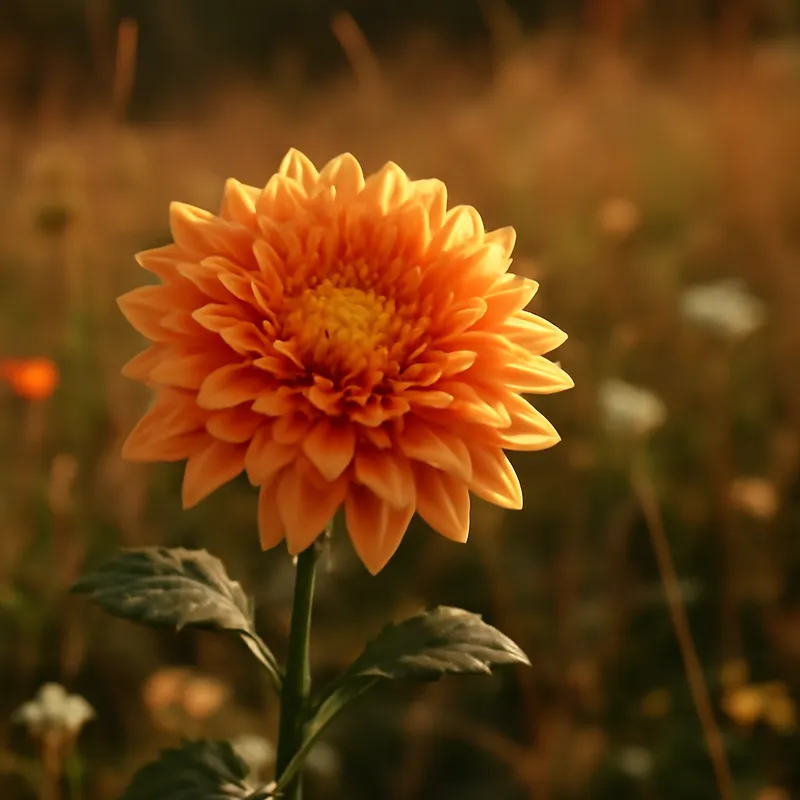
Classic Chrysanthemum (Chrysanthemum) is one of autumn's most beloved flowers, brightening the garden when many other plants begin to fade. This versatile flower offers a fantastic colour palette ranging from deep burgundy tones to bright yellows and white shades, making it a perfect choice for both flower beds and containers.
Origin and Characteristics
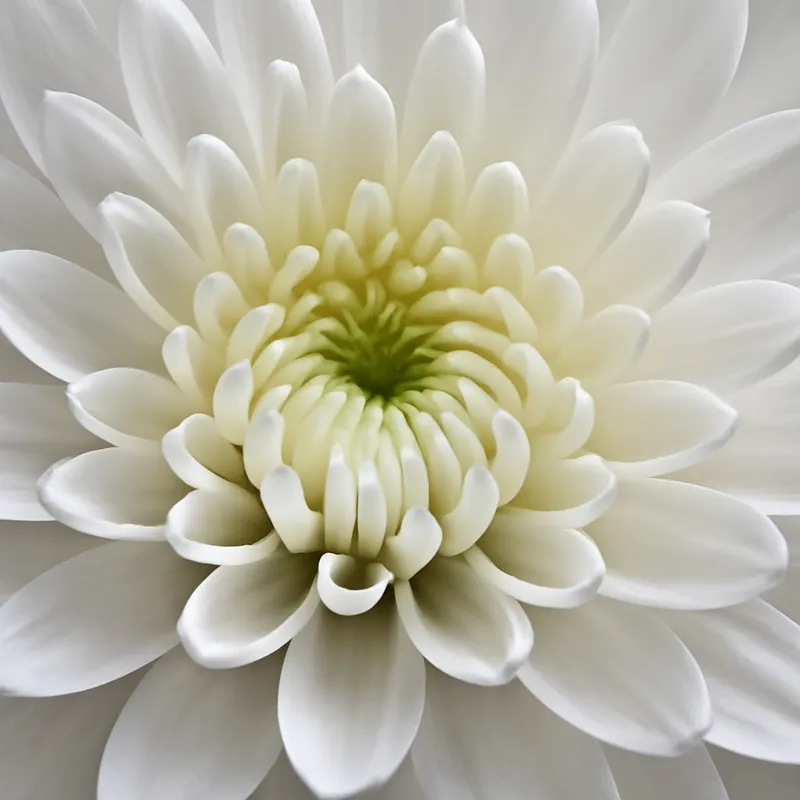
Chrysanthemum has its roots in Asia and has been cultivated for over a thousand years. The classic variety is characterised by its dense, rounded flower heads made up of countless small flowers clustered in a compact form. The plant develops sturdy stems bearing the characteristic serrated leaves, and flowering typically extends from late summer until the first frost.
Planting and Position
For best results, plant classic chrysanthemums in a sunny to partially shaded spot with good drainage. The plant thrives in nutrient-rich, well-draining soil and appreciates regular applications of compost or mature manure. Plant in spring once the frost risk has passed, or purchase ready-grown plants in autumn for immediate colour impact.
Care During the Growing Season
Regular watering is important, especially during dry periods, but avoid watering the leaves to reduce the risk of fungal diseases. Deadhead faded flower heads continuously to encourage new blooms and keep the plant tidy. During the growing period, the plant benefits from monthly feeding with a balanced plant food.
Shaping and Pruning
To achieve a bushy, compact plant, pinch out the growing tips when the plant is approximately 15 centimetres tall. This stimulates side shoots and produces more flower heads. Repeat this process a few times during early summer, but stop by mid-July to avoid disrupting flowering.
Overwintering and Propagation
In milder climates, classic chrysanthemums can be overwintered outdoors under a protective layer of leaves or evergreen branches. In colder areas, it's safest to lift the plant after the first frost, cut back the stems and store the rhizomes frost-free over winter. The plant can easily be propagated through division of the root ball in spring or from cuttings in summer.
Garden Uses
Classic chrysanthemum is excellent as a specimen plant, in groups or as a border plant along pathways. It also works wonderfully in pots and window boxes, where it can be moved around to create colour accents where needed most. Why not combine it with other autumn plants such as asters, heather and ornamental grasses for a harmonious autumn display.