

Look-alike, but a different genus
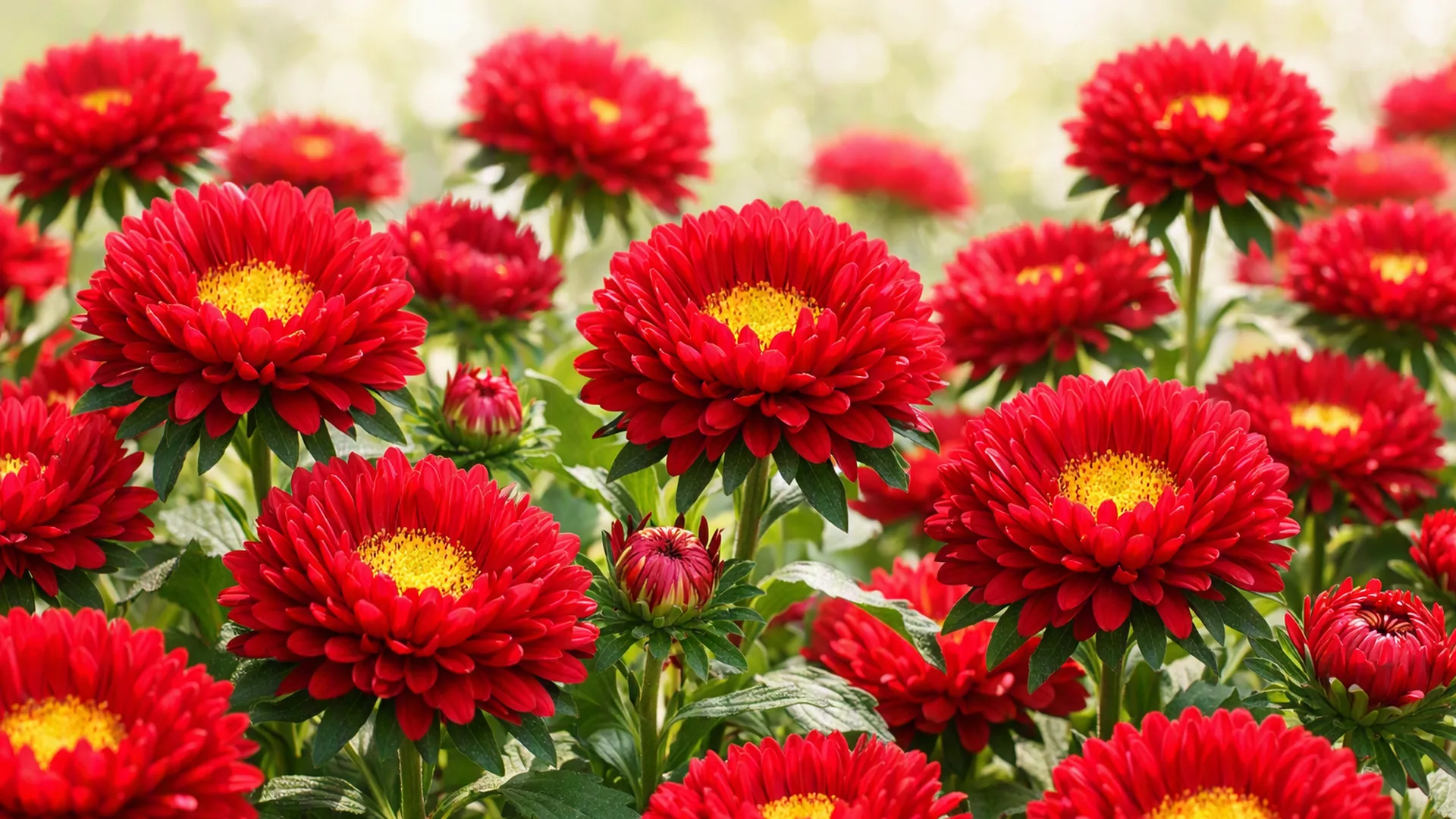
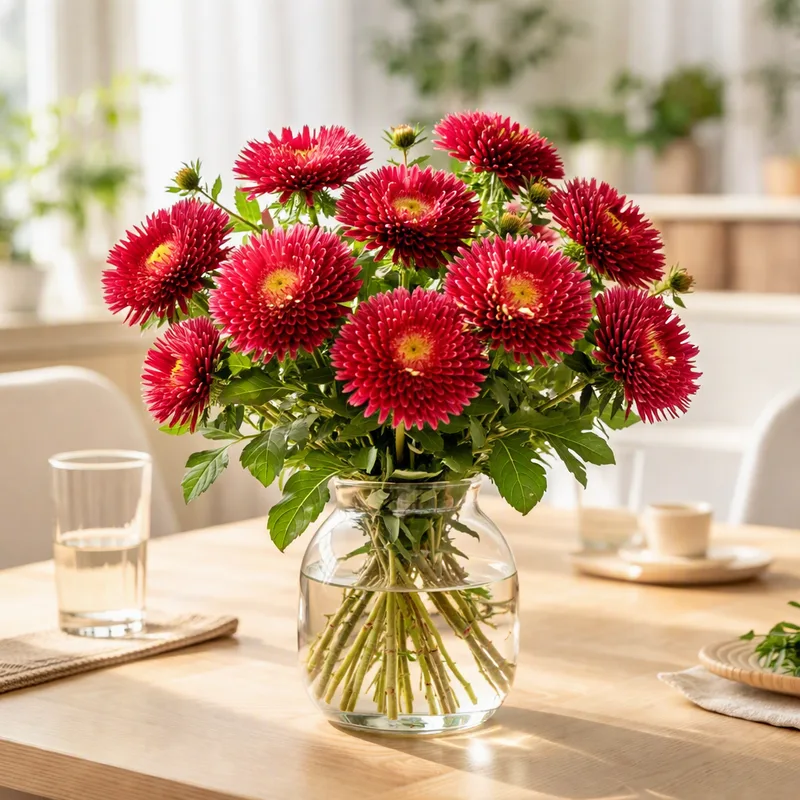
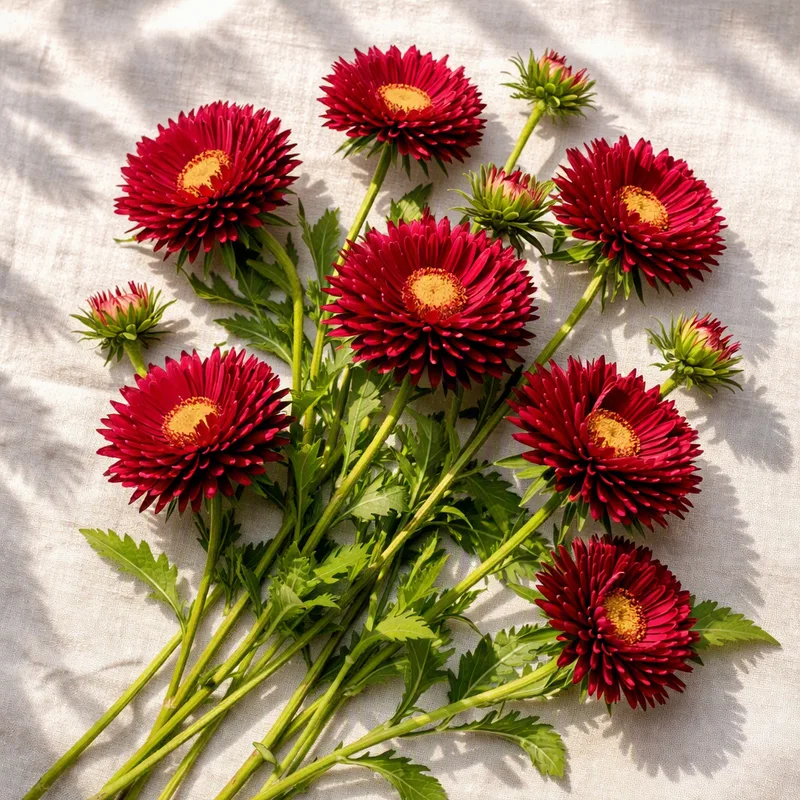
Callistephus chinensis, the China aster, stands alone in its genus. It resembles the autumn-flowering asters that British gardeners call Michaelmas daisies, but it is a different plant, which is why botanists keep it in Callistephus. The name comes from Greek words meaning "beautiful crown". It originates in China and Korea, and Chinese gardeners have grown it for around 2,000 years. In the wild it bears purple flowers, whereas garden strains come in red, pink, blue, purple and white, with single, double or pompon heads.
One season, from sowing to first frost
China aster is not frost hardy, so it lives for a single season. Seed is sown under cover in spring and plants go out once frost has passed, which in many parts of Britain means late May. Flowers open from late summer into autumn, filling a gap when many summer annuals are fading. It grows to roughly 40 to 80 centimetres, depending on the variety.
- Choose a sunny, sheltered spot.
- Give tall types a stake or a support net.
- Water in dry spells.
Disease to watch
A soil fungus called fusarium wilt can kill plants suddenly. Growing them in a different bed each year lowers the risk, as does choosing resistant cultivars.
Pets and stomachs
The ASPCA puts the China aster on its non-toxic list for dogs, cats and horses. That is welcome news for households with animals, though eating any plant can still upset a stomach. If your pet is unwell, ask a vet.