A flower with a message
The white poppy is best known as a pledge for peace worn around Remembrance time. The first white poppies were sold by the Co-operative Women's Guild in 1933, and the Peace Pledge Union began to distribute them in 1936. White poppy wreaths have been laid since 1937. Supporters see it as a way to remember all victims of war and to say that war must not happen again. Others prefer the red poppy only, so opinions differ, and the choice is a personal one.
White poppies in the garden
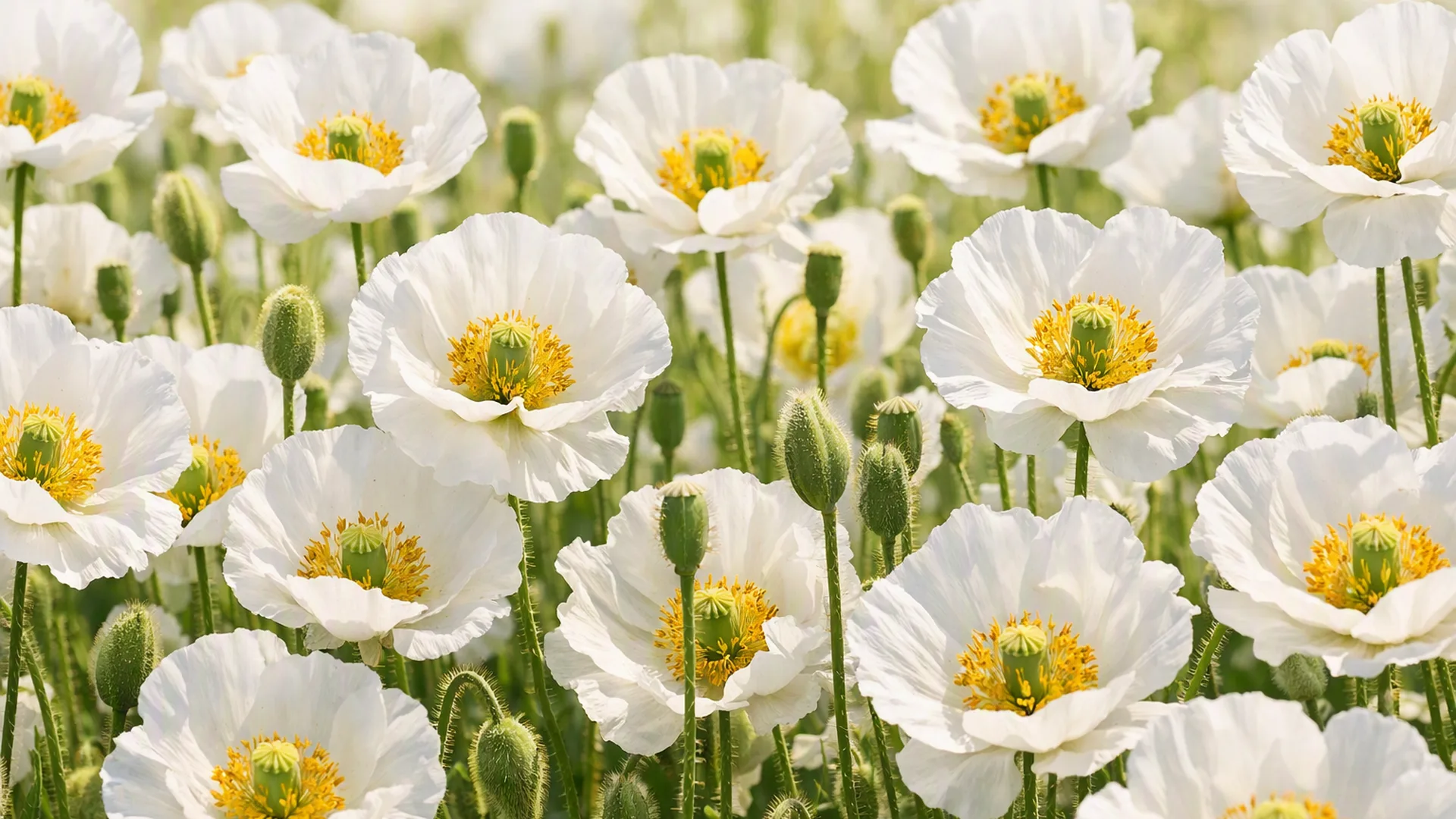
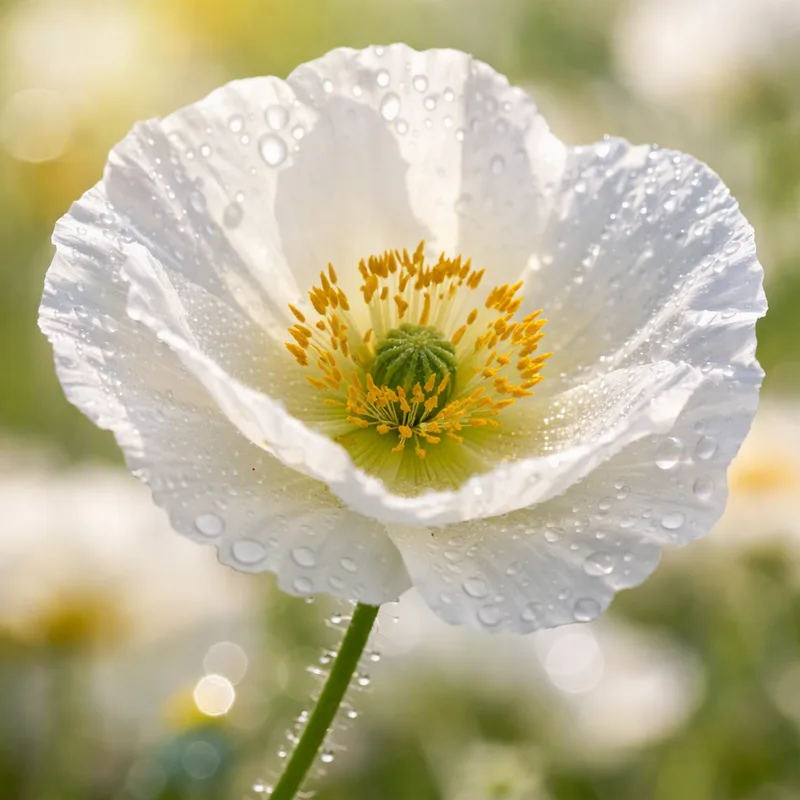
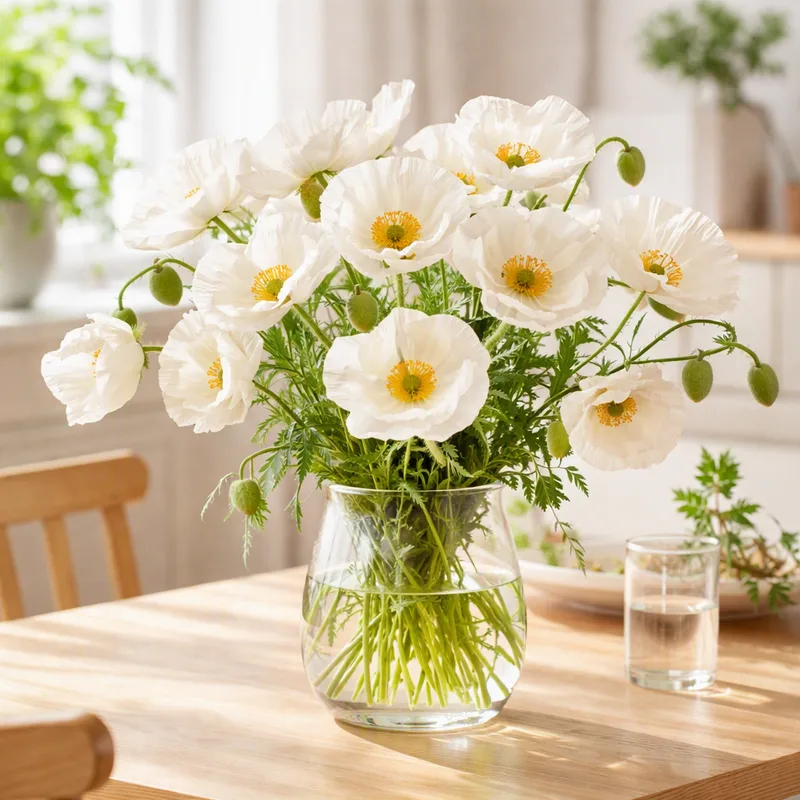
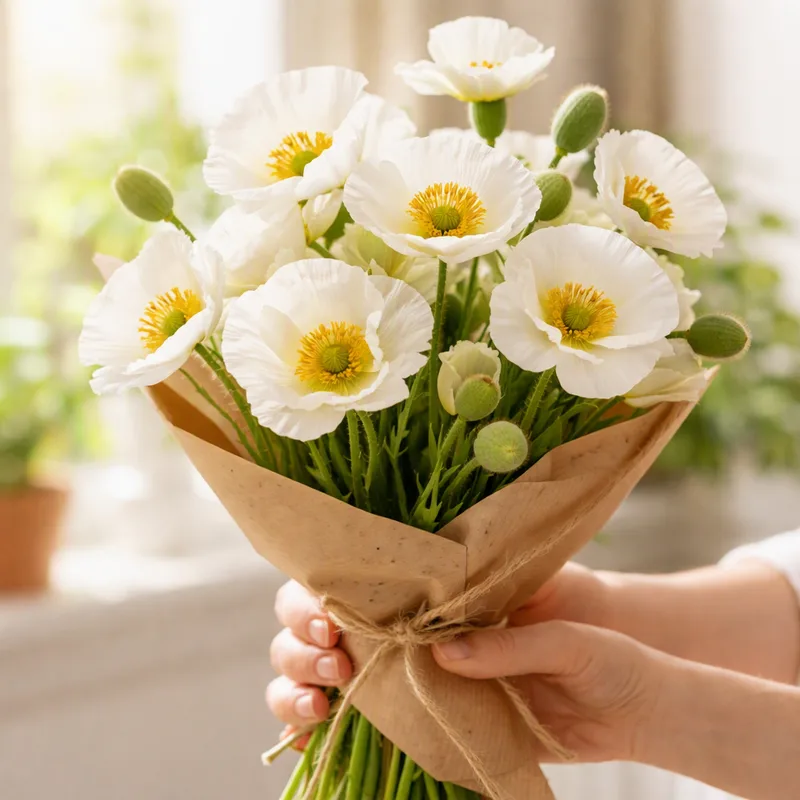
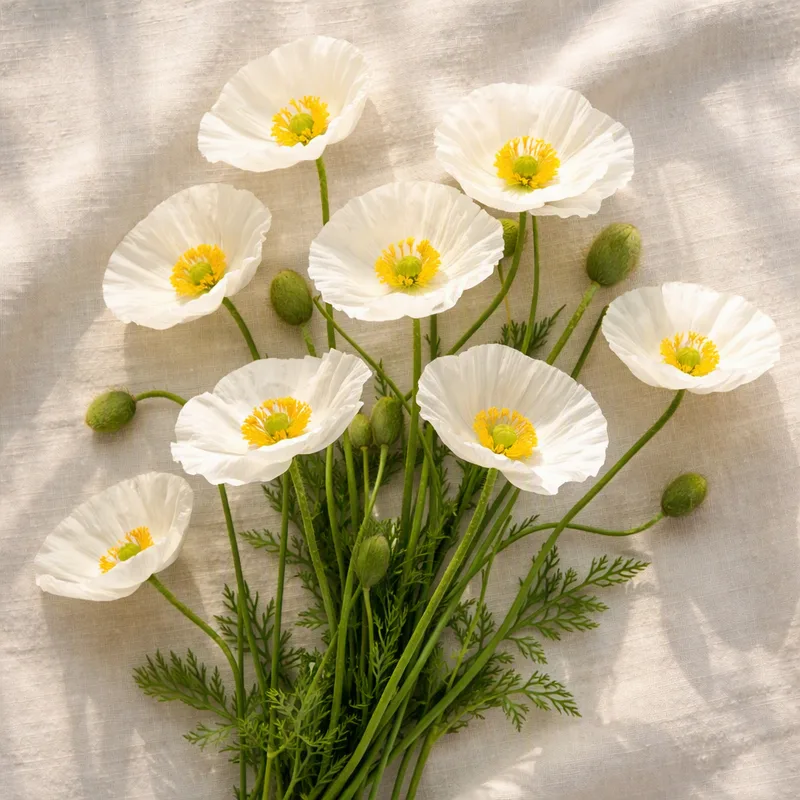
A living white poppy is something else. Several types can bear white blooms:
- Shirley poppies, bred from the field poppy, were selected in a range that includes white, pale lilac, pink and red.
- Opium poppy cultivars, grown for ornamental seed heads, also come in white.
- Some mixed seed packets include a few white forms.
Wild field poppies are red, so a white flower in a verge is almost certainly a garden escape.
Sowing white poppies and cutting them
Sow seed in sunshine where the plants are to flower, since poppies resent root disturbance. Scatter thinly in March or April, or in early autumn on well-drained ground. White blooms look their best against dark foliage. For a vase, cut in bud and sear the stem ends, though the display will be short.
Handling note
Poppies contain a milky latex and are considered mildly toxic. Keep seed heads away from small children, and ask your vet if a pet has eaten any part of the plant. For a person, NHS 111 is the number to call.