


White Amaryllis: A Guide to Growing Elegant Indoor Blooms
The white amaryllis is one of the most elegant and impressive flowers you can grow indoors. With its botanical name Hippeastrum, this magnificent plant belongs to the amaryllis family and is particularly prized for its large, snow-white blooms that brighten the dark winter months.
Beautiful White Flowers That Impress
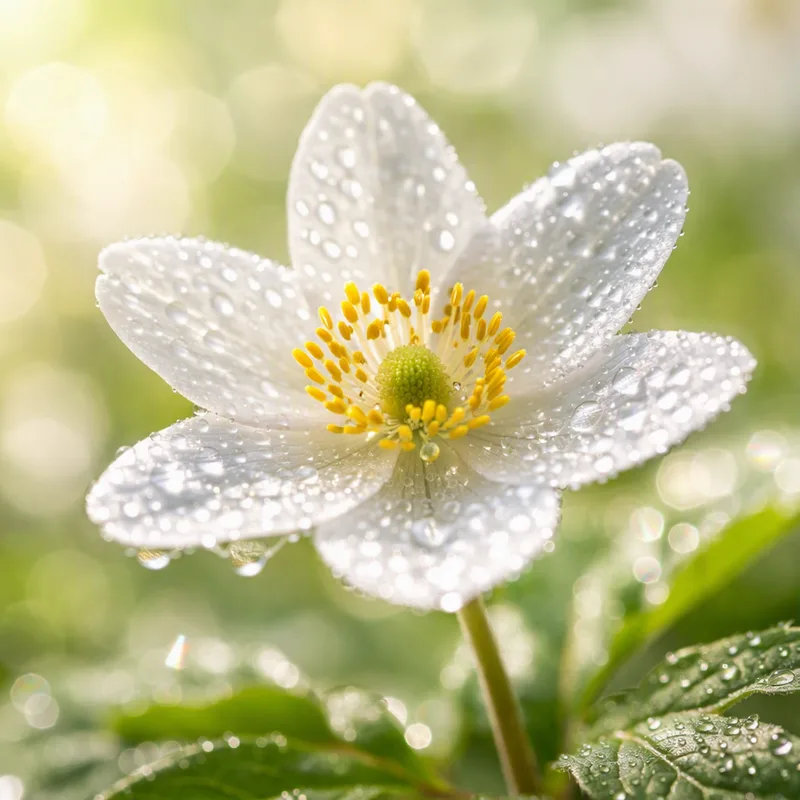
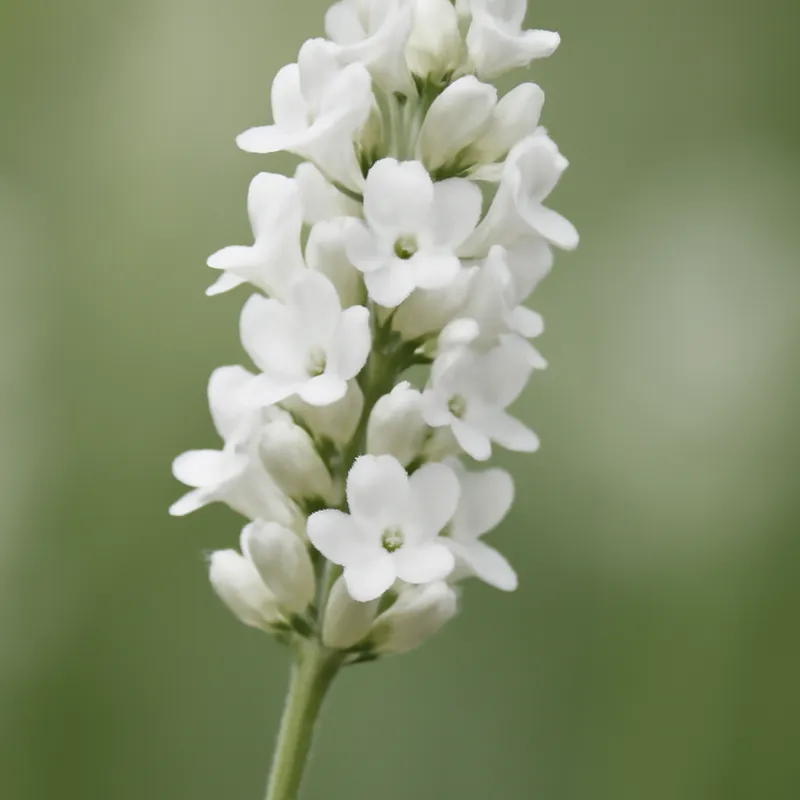
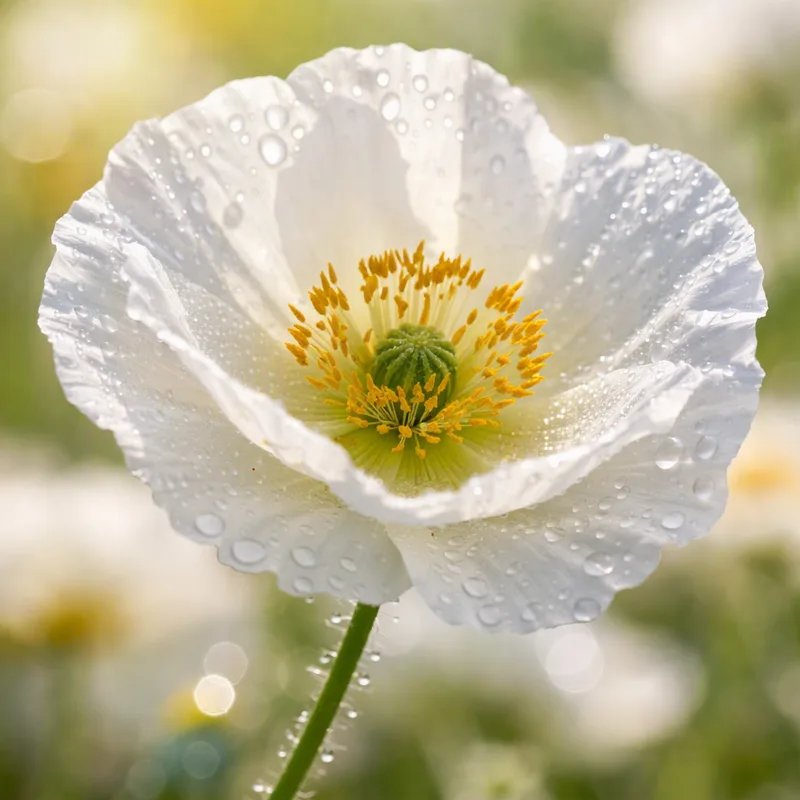
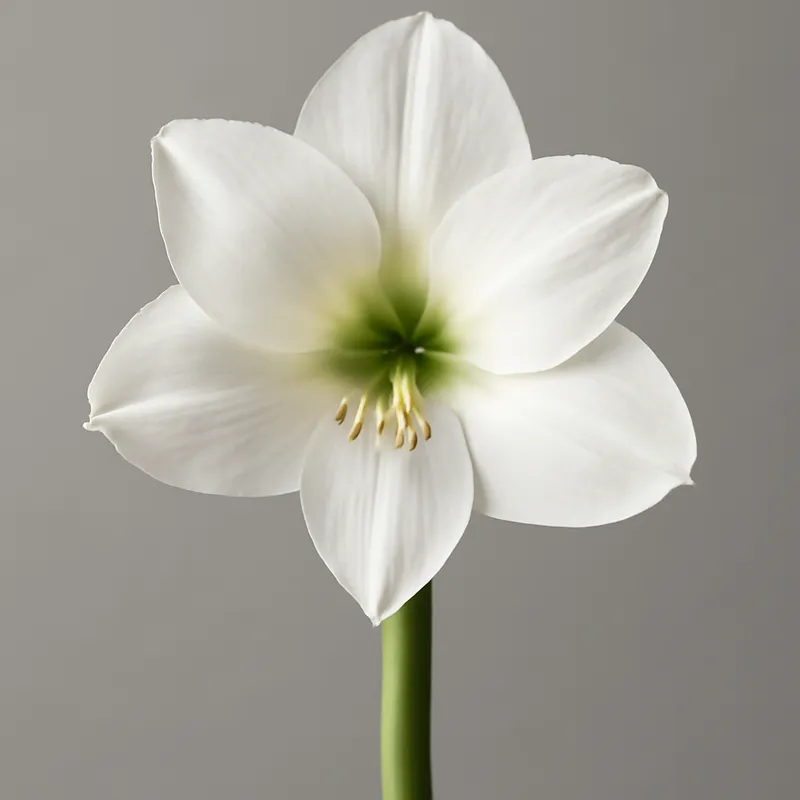
The white amaryllis produces majestic flowers that can reach up to 20 centimetres in diameter. Each flower stem typically bears four to six large, trumpet-shaped blooms in pure white. Flowering usually occurs during winter and early spring, making the amaryllis the perfect plant for bringing light and joy when nature outside is dormant.
Planting and Soil Requirements
Amaryllis bulbs are best planted in well-draining potting soil with good permeability. Choose a pot only a few centimetres wider than the bulb, as amaryllis thrives when planted fairly snugly. Plant the bulb so that approximately one-third protrudes above the soil surface. This promotes flowering and prevents rot.
Watering and Feeding
During the growing season, the amaryllis needs regular but moderate watering. Allow the soil to dry out slightly between waterings to avoid overwatering. When the flower stem begins to grow, gradually increase watering. Feed the plant with liquid fertiliser every two weeks during the active growing season to support both flowering and bulb development.
Light Requirements and Placement
White amaryllis thrives best in bright locations with indirect sunlight. Place the pot near a window where the plant receives plenty of light but is protected from strong direct sun. During flowering, you can move the plant to a slightly cooler spot to prolong the blooming period.
Rest Period and Overwintering
After flowering, the amaryllis needs a rest period to gather strength for next season's blooms. Gradually reduce watering as the leaves begin to yellow and allow the bulb to rest in dry soil for a few months. This rest period is essential for ensuring flowering the following year.
Propagation and Repotting
Amaryllis can be propagated through offset bulbs that develop at the base of the parent plant. These can be carefully separated during repotting and planted in individual pots. Repotting is best done every three to four years or when the pot becomes too small.
Tips for Successful Growing
For best results, choose large, firm bulbs of good quality. Avoid bulbs that feel soft or show signs of mould. Be patient after planting – it may take several weeks before the flower stem appears. The white amaryllis is an investment that will reward you with years of beautiful blooms with proper care.