

Heuchera - A Classic Garden Perennial
Heuchera, known as alumroot, is one of the garden's most treasured perennials. This charming plant has earned its status as a classic thanks to its elegant foliage and graceful flower spikes that hover above the leaves on slender stems.
Beautiful Leaves in Many Shades
What makes classic heuchera so special is above all its decorative foliage. The leaves are heart-shaped with wavy edges and come in a palette of colours ranging from green to reddish-brown and purple. The leaf surface often has a velvety feel and can shimmer in different shades depending on the light conditions. In spring and summer, the foliage develops to its full beauty and retains its loveliness well into autumn.
Airy Flower Spikes to Elevate Your Garden
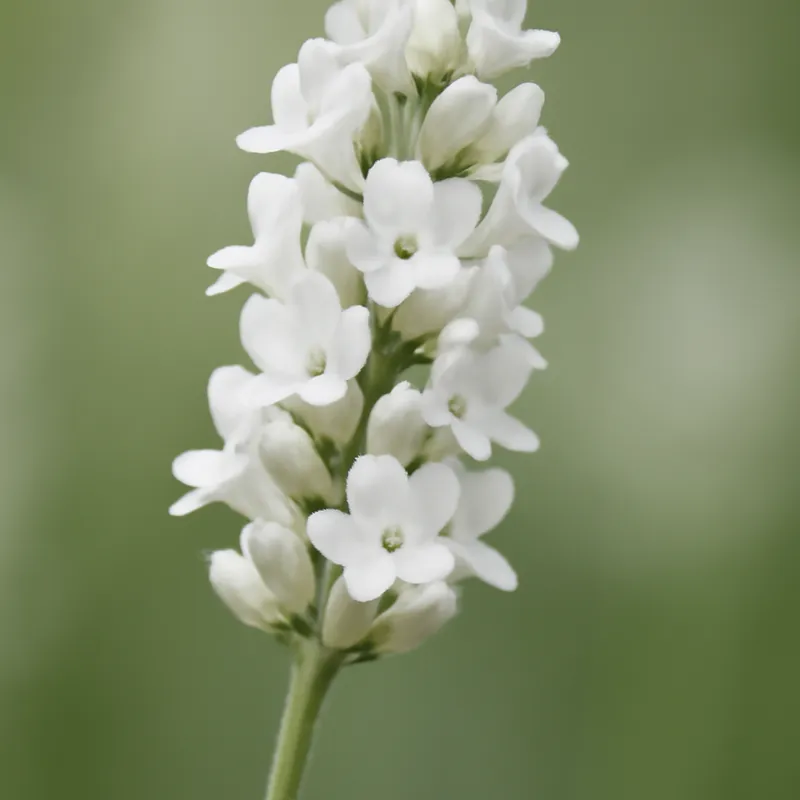
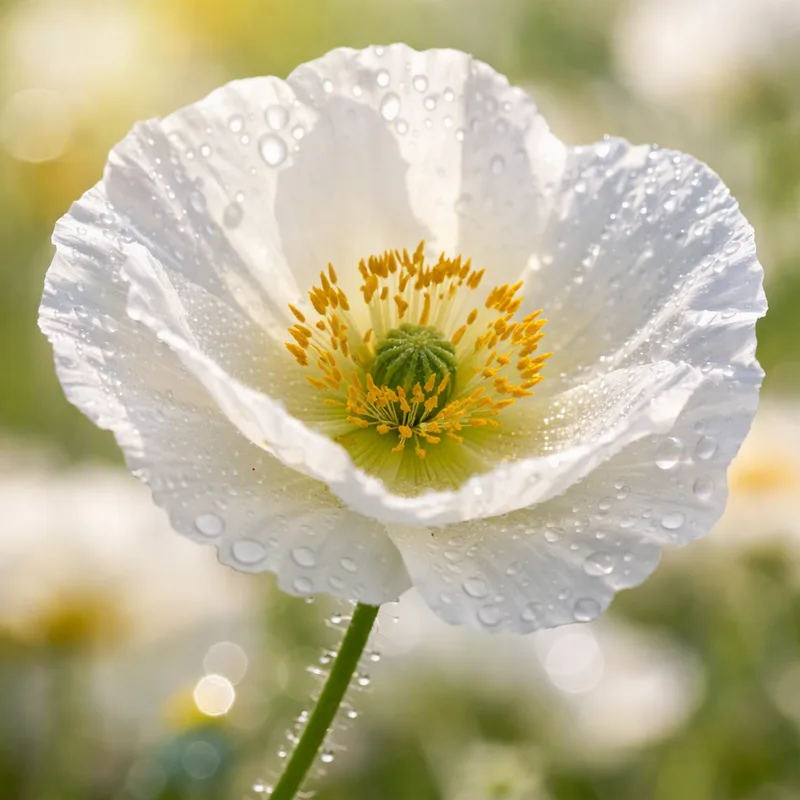
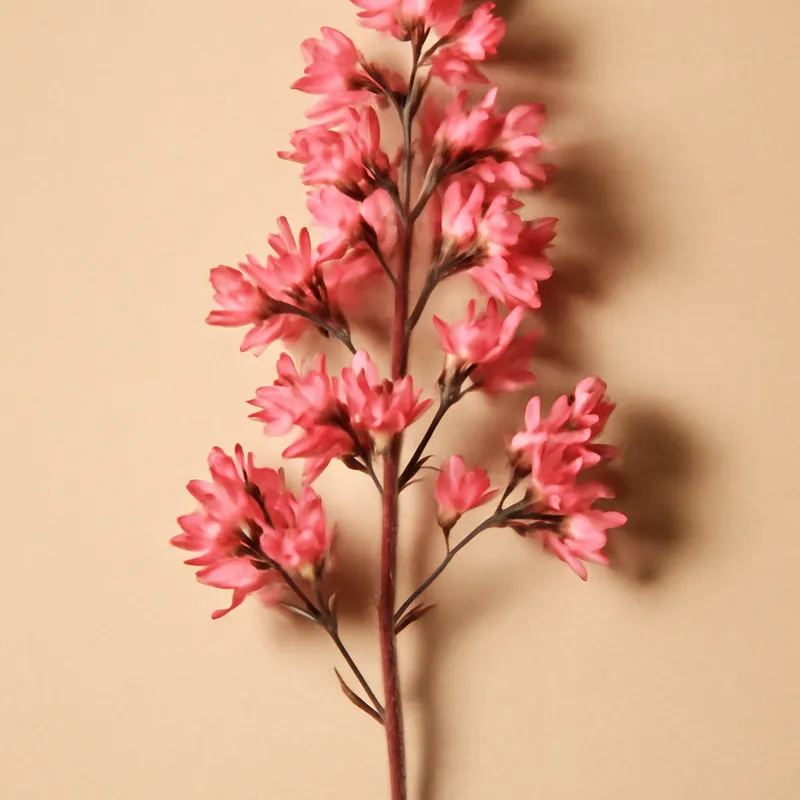
From late summer, heuchera sends up its characteristic flower stems with delicate, bell-shaped flowers in white, pink or reddish tones. The flower spikes are airy and light, creating a beautiful contrast against the more compact foliage. The flowers attract pollinating insects and contribute to the biodiversity of your garden.
Ideal Placement and Soil Conditions
Classic heuchera thrives best in partial shade to full shade, making it perfect for areas of the garden where many other perennials struggle to establish themselves. The plant prefers well-drained soil that is rich in humus. Soil that retains even moisture without becoming waterlogged is optimal for this plant.
Planting and Establishment
When planting, it is important not to set the heuchera too deep. The crown's upper part should be level with the soil surface to prevent rot. Give the plant plenty of space to develop, typically around 30-40 centimetres between plants. A generous addition of compost or well-rotted manure at planting time helps the plant establish quickly.
Care During the Growing Season
During the active growing season, heuchera requires regular but moderate watering. The plant appreciates a mulch of bark or compost around the roots, which helps retain moisture and keep weeds at bay. Remove spent flower spikes to encourage continued flowering and keep the plant looking neat.
Winter Care and Long-Term Maintenance
Classic heuchera is a hardy perennial that copes well with British winters. In autumn, faded leaves can be left as natural winter protection, or cut back if you prefer a neater appearance. Every three to four years, it may be appropriate to divide the plant to rejuvenate it and create new plants.
Garden Design Uses
With its compact growth and long season of interest, classic heuchera works beautifully as an edging plant, in shady beds or as underplanting for trees and shrubs. It combines wonderfully with other shade-tolerant perennials and creates a harmonious display in the shadier parts of your garden.