
Lucky white heather
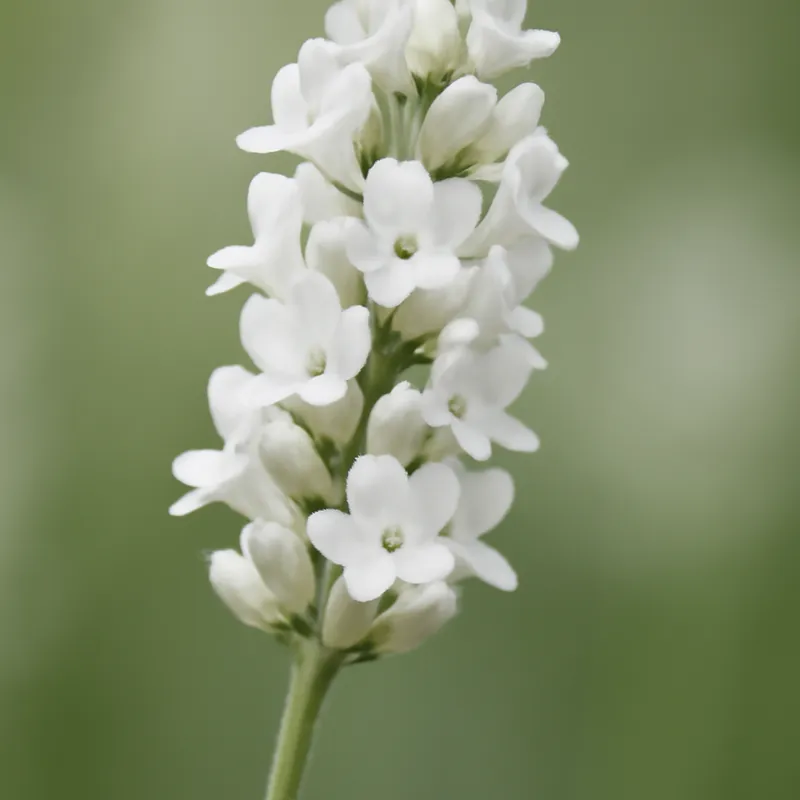
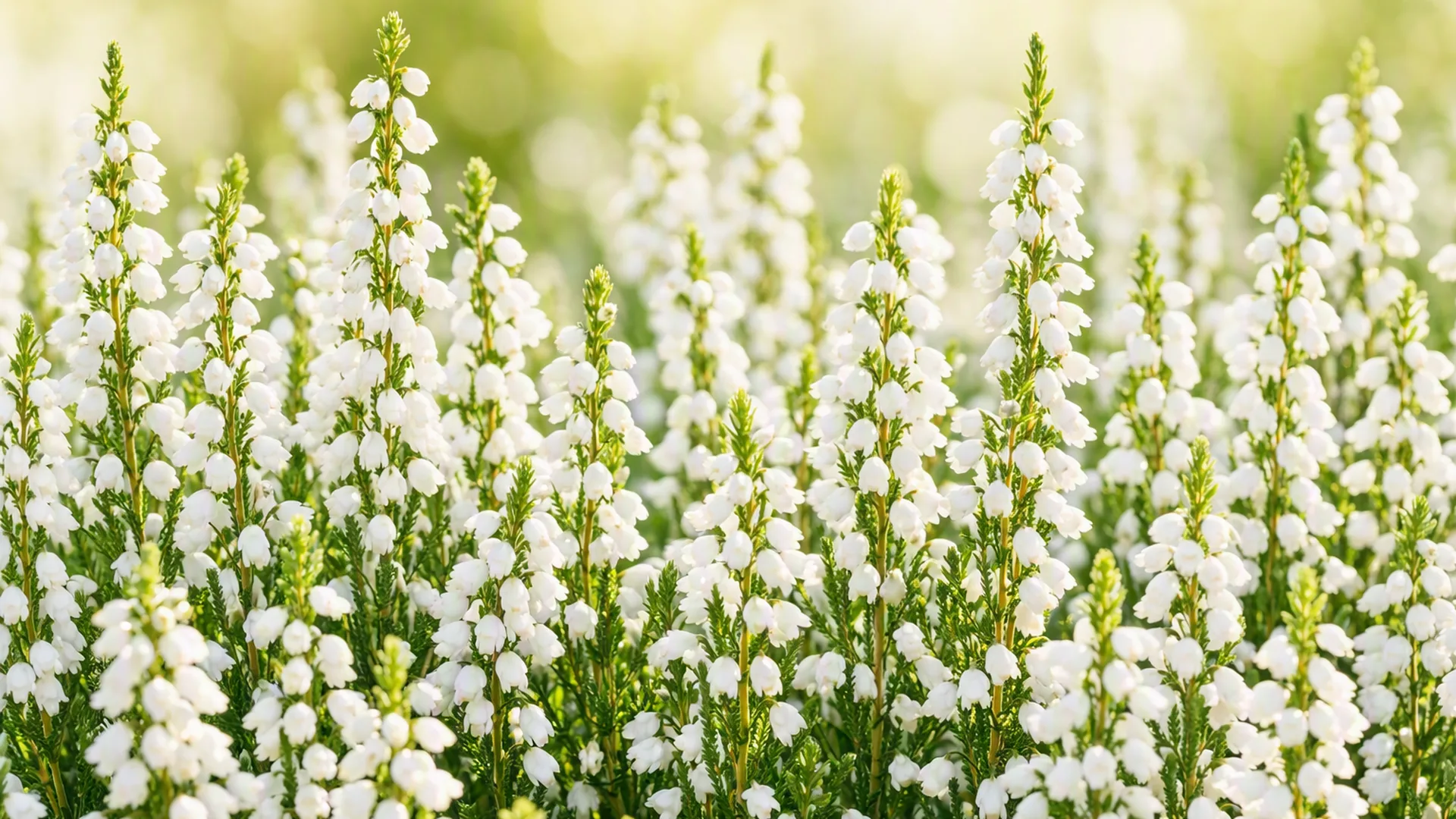
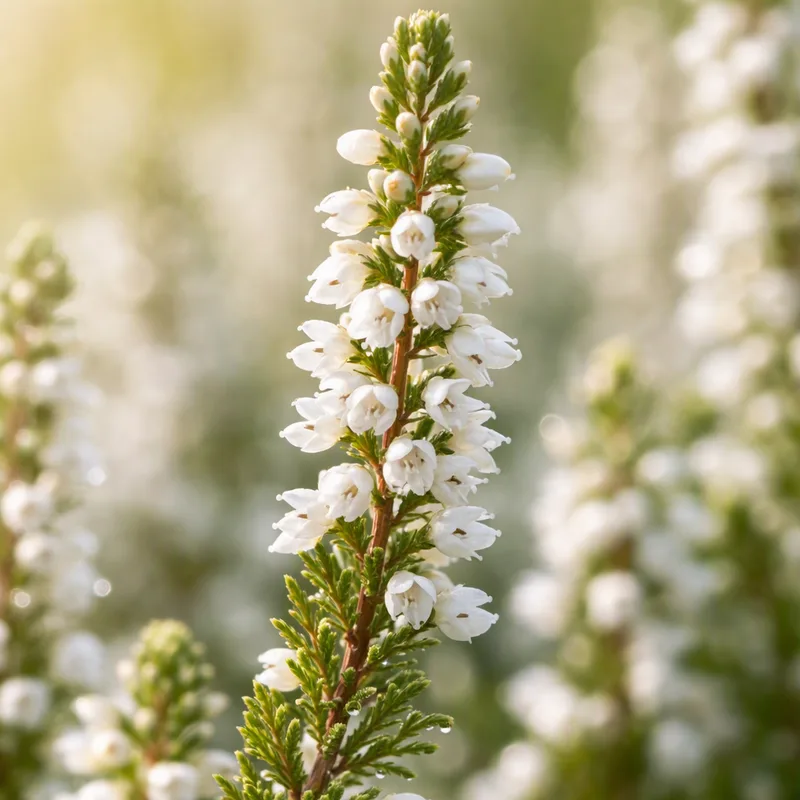
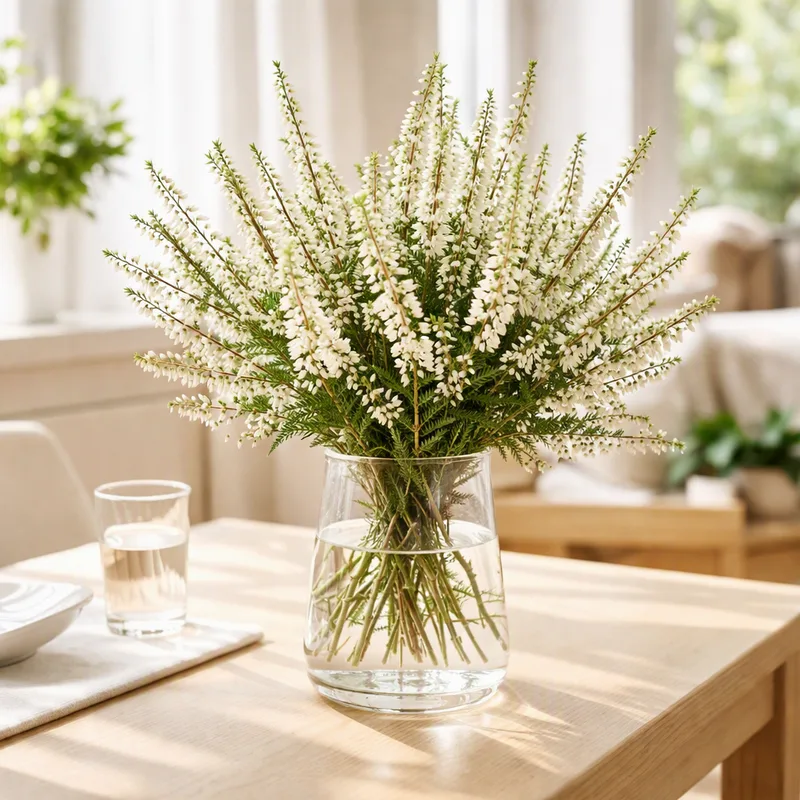
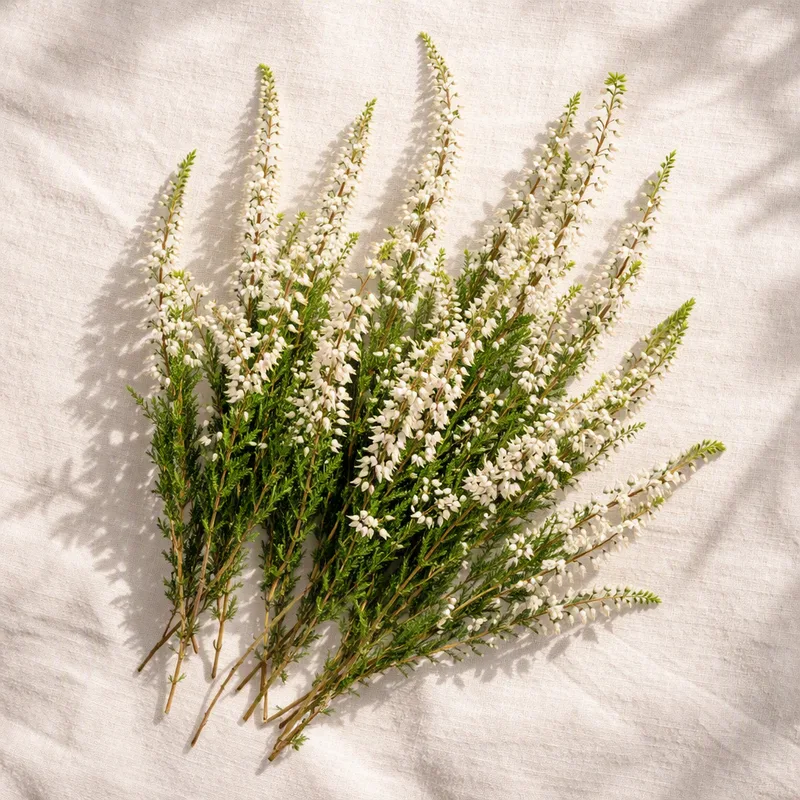
White heather is a rare colour form of the common ling (Calluna vulgaris), and in Scotland especially it has long been seen as a sign of good luck. Wild heather is purple, so finding a white sprig was thought to be a stroke of fortune, which is why sprigs are given to brides and travellers. In the language of flowers, white heather has been linked with protection and good wishes. Visitors often ask what it means, and the answer is luck and protection.
Meaning and weddings
Sprigs of white heather turn up in bridal bouquets, button-holes and good-luck charms across Britain. Because it dries easily and keeps its shape, it is also used in wreaths and winter arrangements. The colour is a pale, silvery white with a slight greenish tinge in the buds.
White varieties to grow
- Calluna vulgaris 'Kinlochruel' has fully double white flowers that last for weeks and make a neat mound.
- Calluna vulgaris 'Alba Plena' is another double white.
- Erica carnea 'Springwood White' is a trailing winter heath with white flowers from December to March.
Winter heaths offer white flowers in the colder months when little else is in bloom.
Practical care
- Plant in sun with acidic, well-drained soil, or in a pot of ericaceous compost.
- Water new plants in dry spells.
- Shear faded flowers lightly in spring, but avoid cutting into old, leafless wood, which seldom shoots again.
- In chalk country, use winter heath rather than Calluna.
White heather is hardy across the UK, including Scotland and the Pennines.
What about pets?
Calluna vulgaris does not appear on the ASPCA lists of toxic plants for cats and dogs. As with any garden plant, ask your vet if you are concerned.