

Marguerite or ox-eye daisy?
Two different plants share the daisy look. The ox-eye daisy (Leucanthemum vulgare) grows wild in British meadows and survives winter outside. The marguerite, Argyranthemum frutescens, is a shrubby plant from the Canary Islands, where it grows on sunny, well-drained coastal slopes up to about 700 metres. It is also sold as the Paris daisy, and its older name was Chrysanthemum frutescens, which is why that name still turns up in searches.
What you get
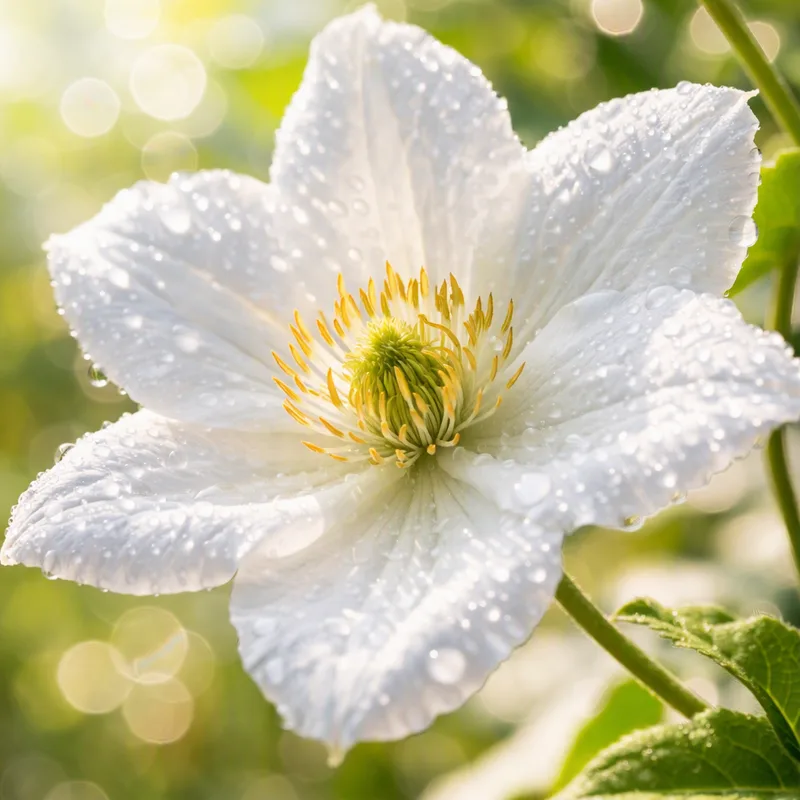
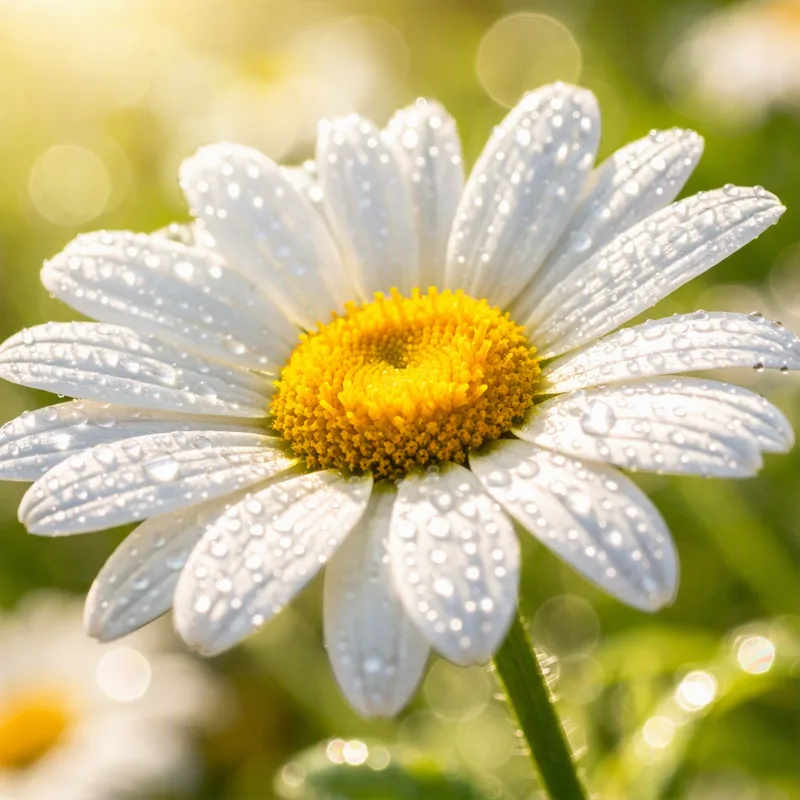
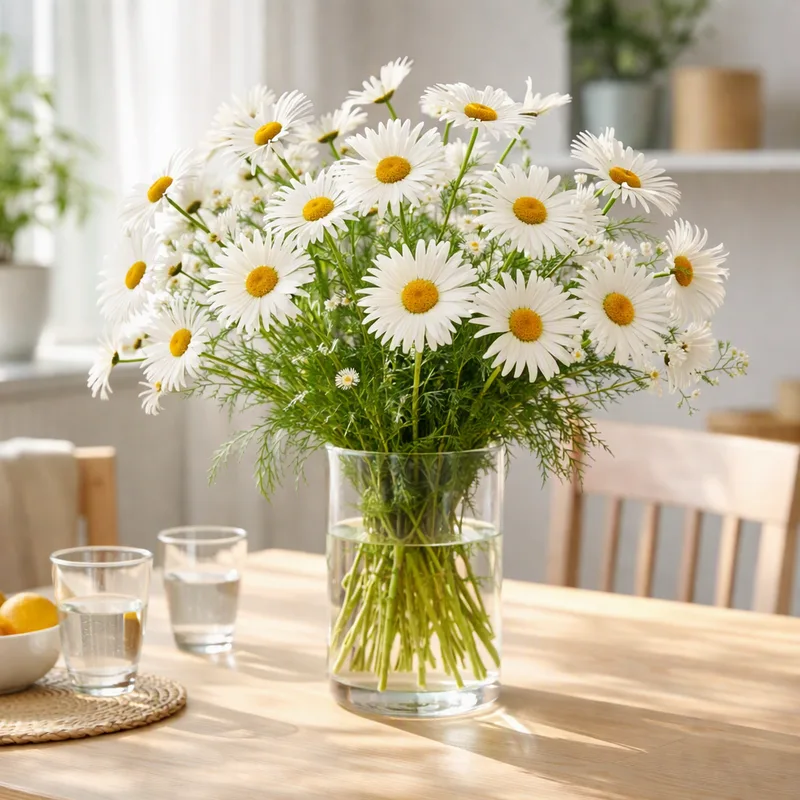
A marguerite makes a branching, woody-based bush of about 20 to 80 cm, with fleshy blue-green, deeply cut leaves. Loose clusters of daisy flowers, white with yellow centres and up to 2 cm across, open in the morning and close at night. Garden hybrids also come in pink, yellow and other shades. One form, subspecies canariae, has won the Royal Horticultural Society's Award of Garden Merit.
Half-hardy care
In the UK climate marguerites are generally half-hardy, so plant out only when frost has passed. They like full sun, shelter from wind and humus-rich, free-draining compost. Overwatering can kill them. Pinching off faded flowers keeps new buds coming right up to the first autumn frosts.
- Take cuttings in late summer to make next year's plants.
- Overwinter pots in a light, cool room that stays above freezing.
- Tidy straggly stems in spring.
Safety for cats and dogs
Daisies and chrysanthemums appear in the ASPCA database as toxic to dogs and cats, with vomiting, drooling, wobbliness and skin irritation among the signs. Stand pots high up and phone your vet if an animal has chewed one.