
The little sword
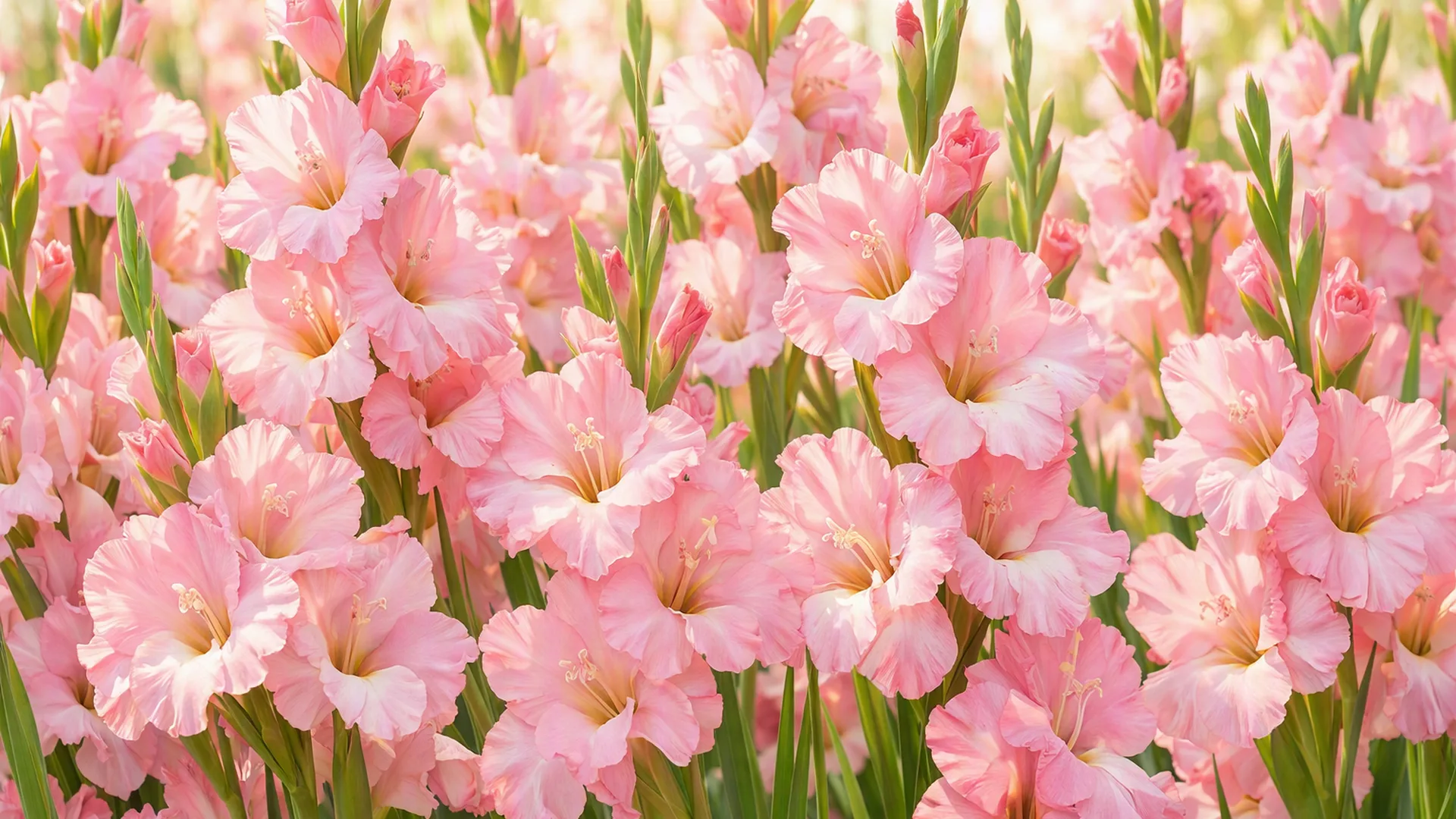
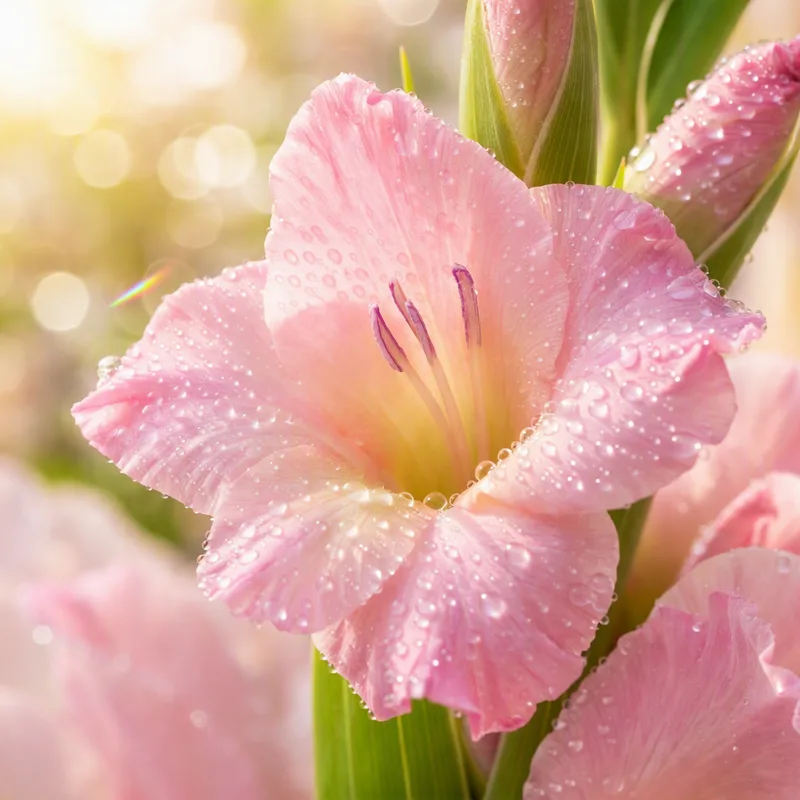
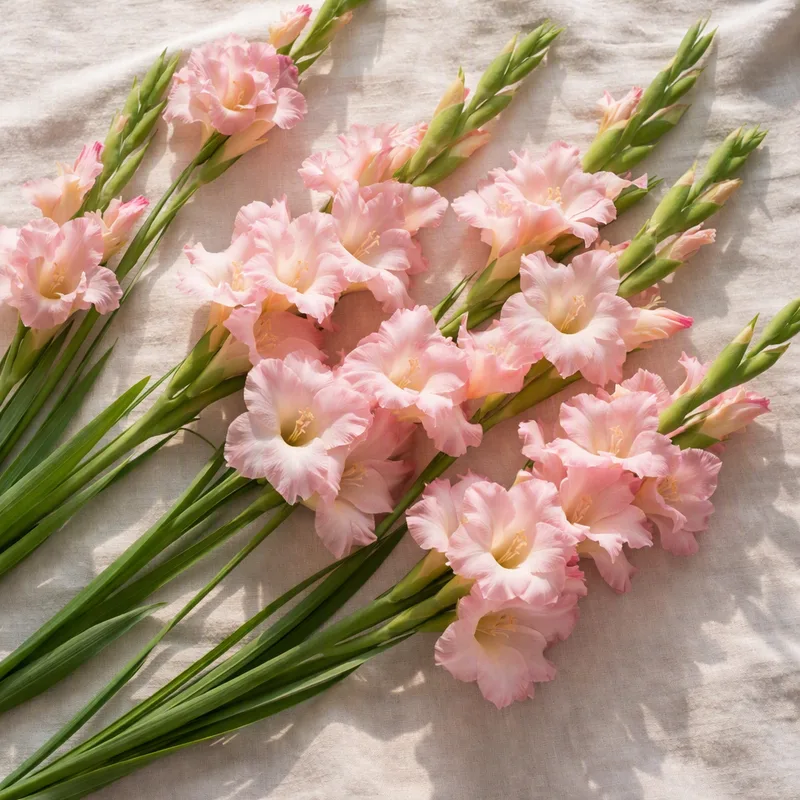
Gladiolus is the Latin for a little sword, which describes the narrow, pointed leaves. The nickname sword lily misleads, because this plant has no place among the true lilies and sits in the iris family, Iridaceae. About 260 species are known, mostly from southern Africa, with a handful in the Mediterranean and western Asia. The large flowers in a florist's bunch are the work of generations of breeders. Britain has one very rare wild species, Gladiolus illyricus, in the New Forest, and it has had legal protection since 1975.
Underground storage
Gladioli grow from corms, solid storage organs, around which small cormlets form that take several years to flower. The big-flowered hybrids are not reliably hardy in Britain, so people plant them in spring once frost has passed and lift the corms in autumn after the leaves yellow. Dry them, then store them somewhere cool and frost-free. Smaller hardy types are sometimes left in the ground in mild, well-drained gardens.
A succession of spikes
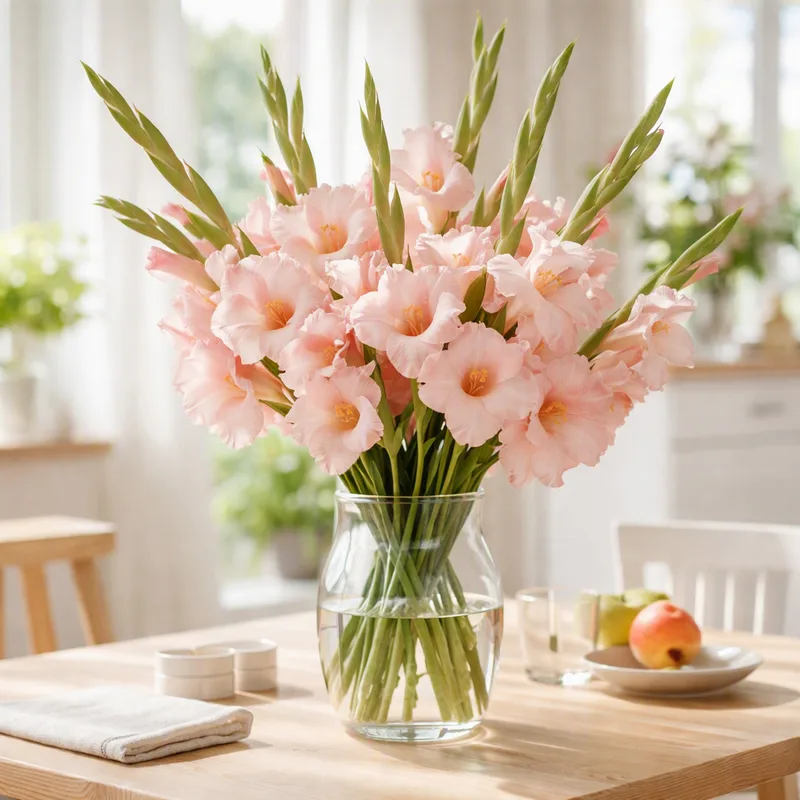
To stretch the season, plant a few corms every fortnight from March to June. Choose a sunny, free-draining spot, and stake tall spikes in exposed gardens. Gladioli are cut-flower favourites at allotments, and by August they are at their best; gladiolus is the birth flower for that month. Cut the spike when the lowest flower or two are open.
Pests and pets
Gladiolus thrips can leave streaks on leaves and petals. Check the corms in store and discard any that are soft.
The ASPCA lists gladiolus as toxic to dogs, cats and horses, especially the corm. Keep corms in a closed box, and ring a vet if an animal has chewed one.