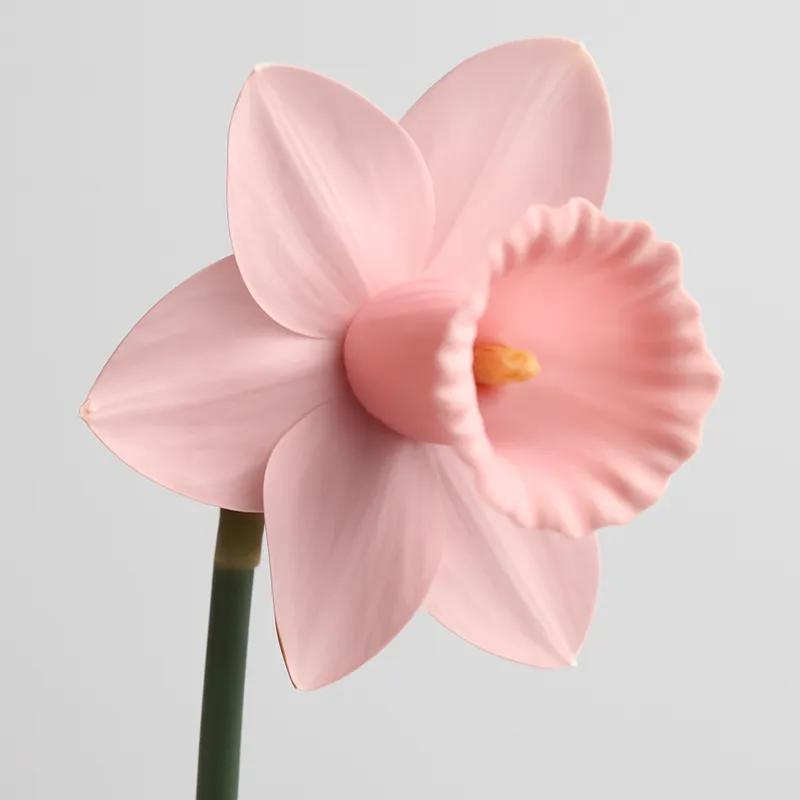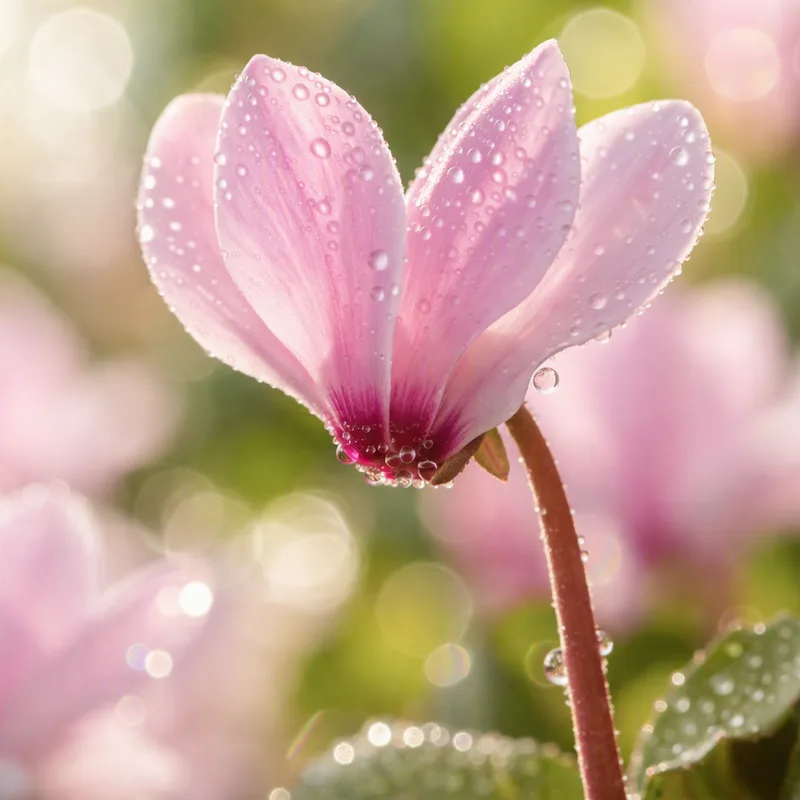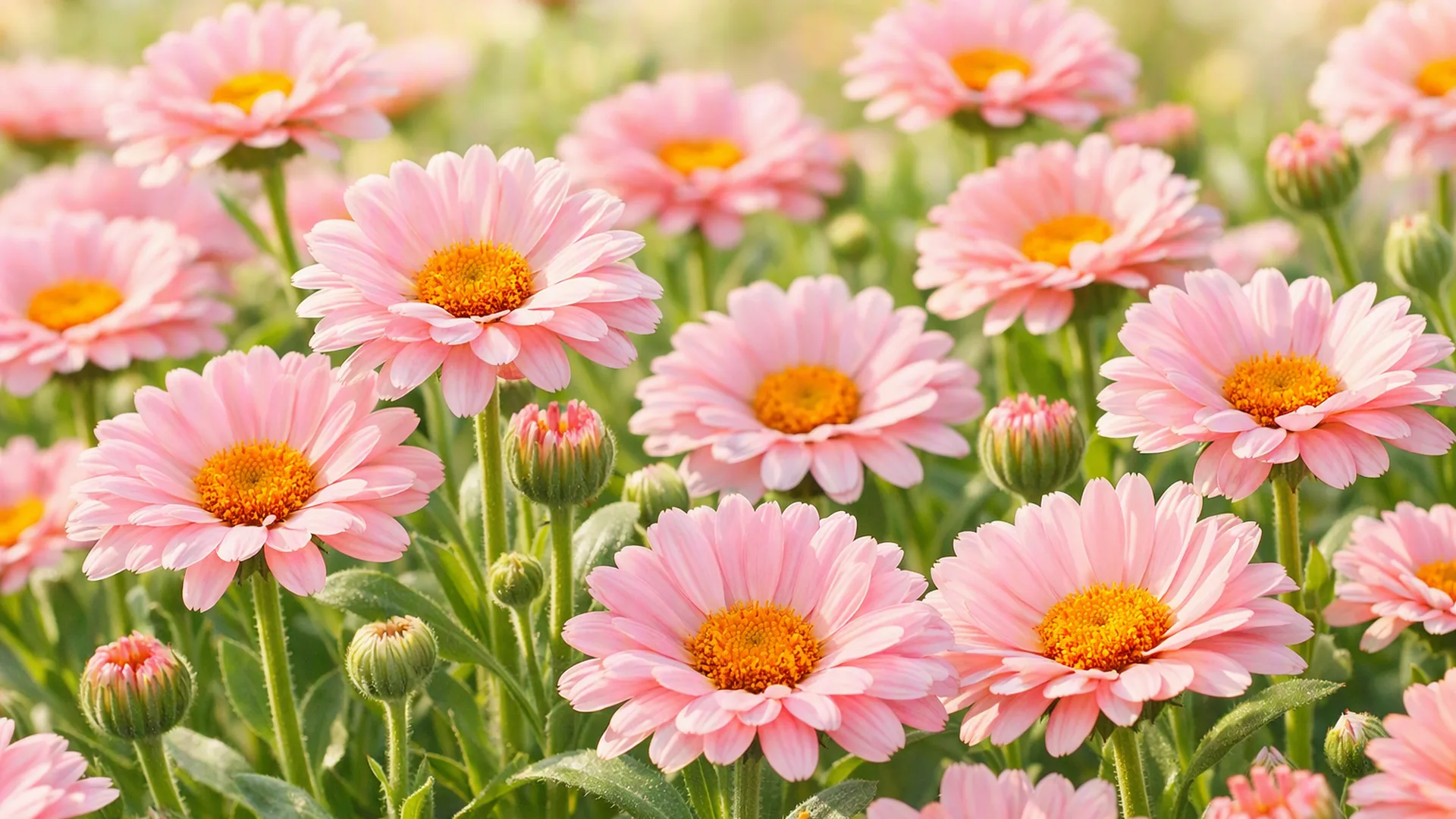
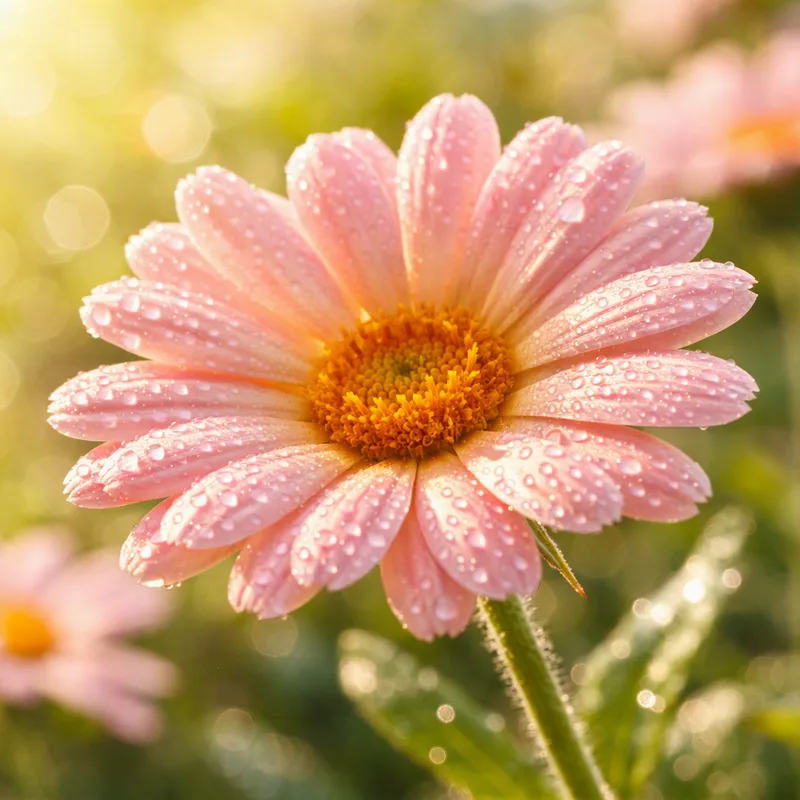
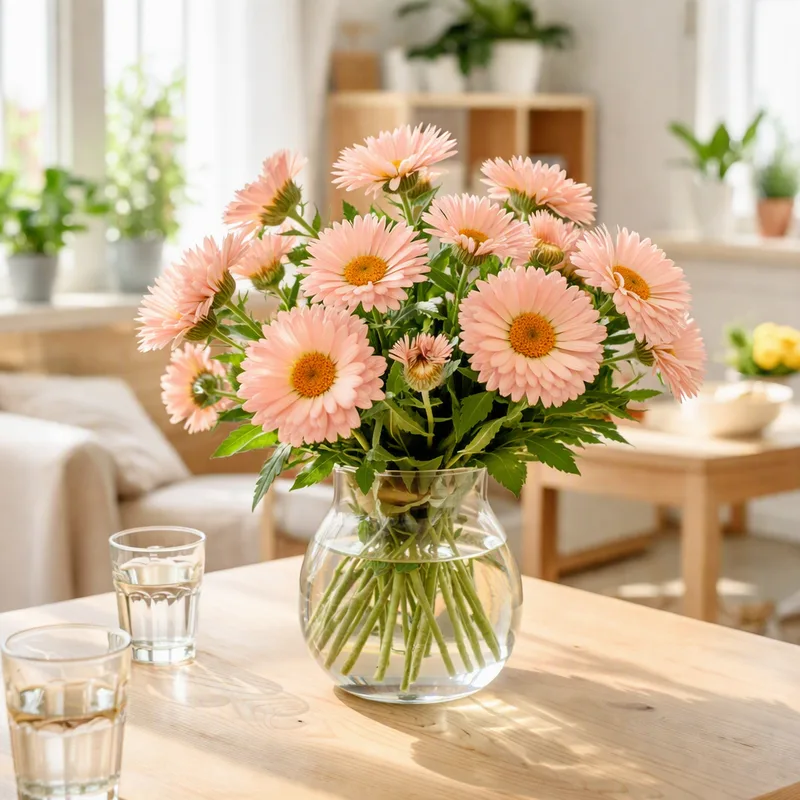

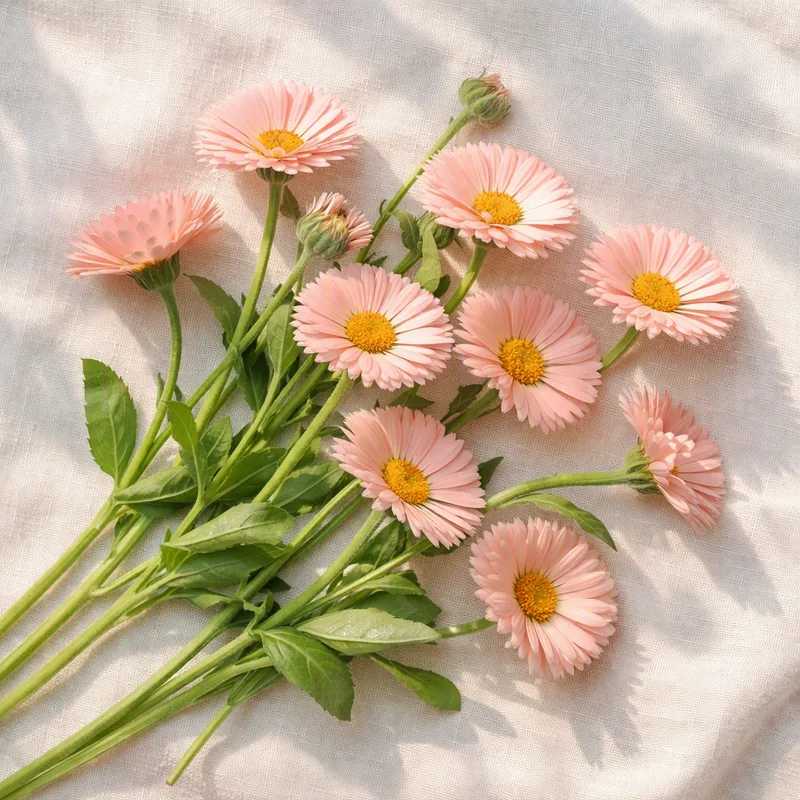
Pink is a matter of blush
Calendula officinalis does not produce a clear pink. The nearest you will find are apricot, peach and salmon shades that carry a faint rose tone, which tends to appear as the flowers age. If your heart is set on a pink daisy, zinnias or cosmos can supply it, but a few calendula cultivars have a soft, dusky look that blends well with pastel planting.
Cultivars to look for
- 'Pink Surprise' opens apricot and ages to a dusky pink.
- 'Sherbet Fizz' has cream petals tipped with rose-red.
- Mixed packets of "Art Shades" or similar often include peach, apricot and bronze flowers.
In seed packets, the colour range varies from batch to batch, so think of pink calendulas as a pleasant surprise instead of a promise.
Sowing for a soft border
Sow seeds directly outdoors from March to May. Early sowings flower in June, and a late sowing in June gives flowers in September. Autumn sowing in September can overwinter in mild areas and flower sooner the following spring. The cooler weather of late summer deepens the soft shades, so a patch sown in mid-summer is worth trying. Space the plants about 20 cm apart and keep them in sun.
Good neighbours
Soft calendulas look good with lavender, catmint and blue salvias. Cut them early in the morning when petals are fully open and expect a vase life of about five to eight days. Strip leaves below the water line and change the water if it turns cloudy.
Calendula and animals
According to the ASPCA this species is not considered toxic to dogs, cats or horses, though it is wise to stop pets from eating large quantities of any plant.