

Choosing by size
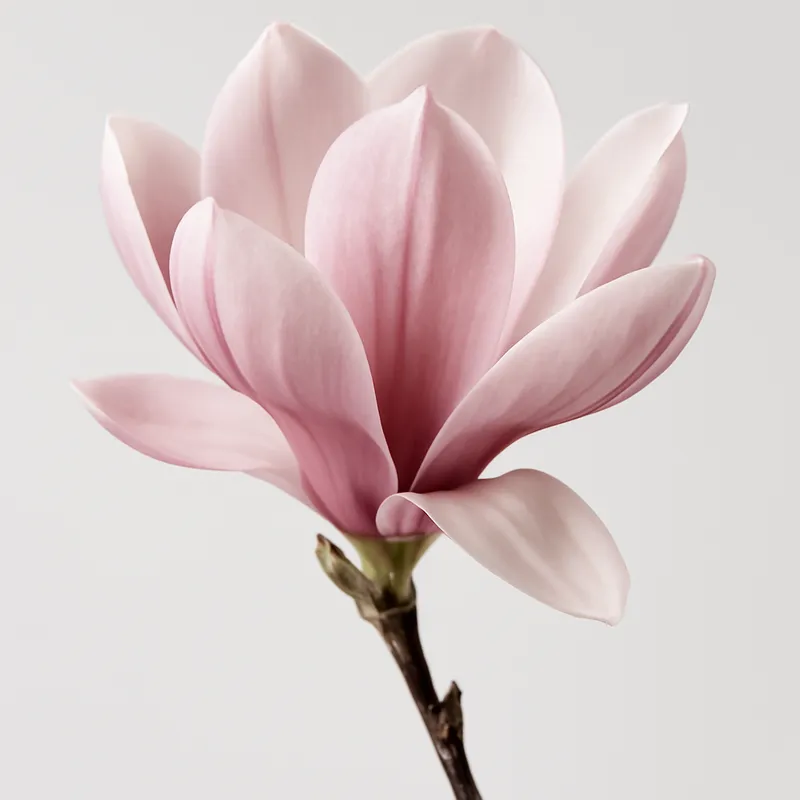
The genus Magnolia honours Pierre Magnol, a French botanist, and holds well over two hundred species. They range from shrubs only 1 to 2 metres tall to large trees, so the first decision is how much room you have. The RHS suggests the star magnolia, Magnolia stellata, for a small space, and an evergreen such as Magnolia grandiflora for a large wall.
Frost is the main enemy
Magnolias are hardy, but their flower buds are not always. The RHS warns that early-flowering species are easily browned by frost, so if you live in a frost-prone region, such as the Midlands or the Scottish glens, choose later bloomers. Avoid frost hollows, where cold air pools, and pick a sheltered spot in sun or light shade.
Soil and chalk
Most magnolias prefer slightly acidic or neutral soil that is moist but well drained. On chalk, the RHS says Magnolia × loebneri, Magnolia sieboldii and Magnolia stellata cope with alkaline or chalky ground; in very chalky gardens, a compact magnolia in a container is the better choice.
Planting and care
- Plant from autumn to spring and mulch well.
- Do not dig around the shallow roots.
- Prune little: a deciduous magnolia needs only dead or damaged wood removed.
Most magnolia flowers are white or pink, and there are a few maroon, dark purple, yellow and cream cultivars. Flowering times run from early spring to late summer depending on the species, so you can plan a succession if you have space.
Pet safety, briefly
The ASPCA gives the star magnolia a clear all-round pet safety rating for dogs, cats and horses, though it makes sense to discourage chewing of any shrub.