
The garden favourite
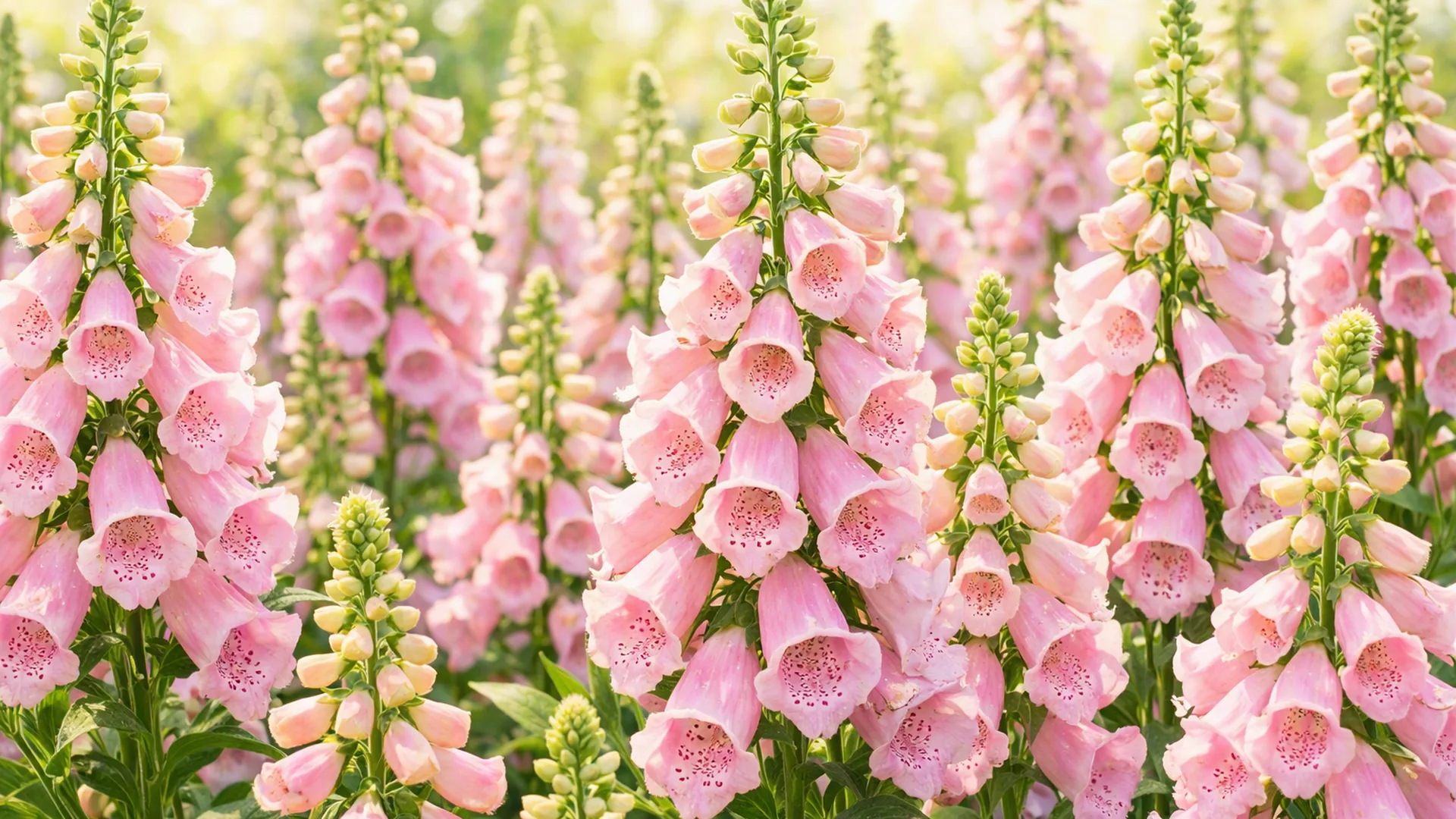
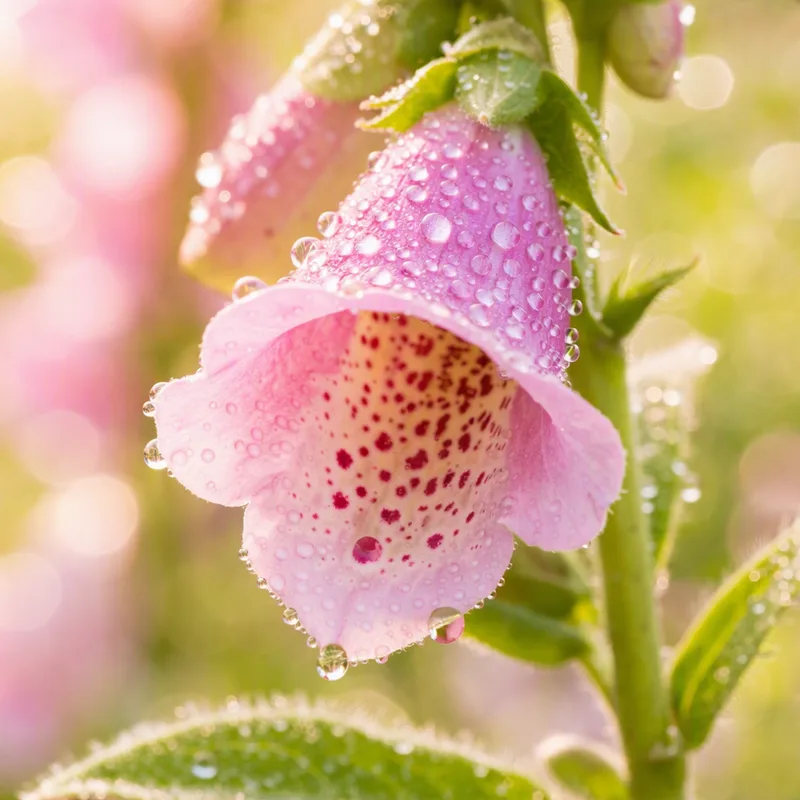
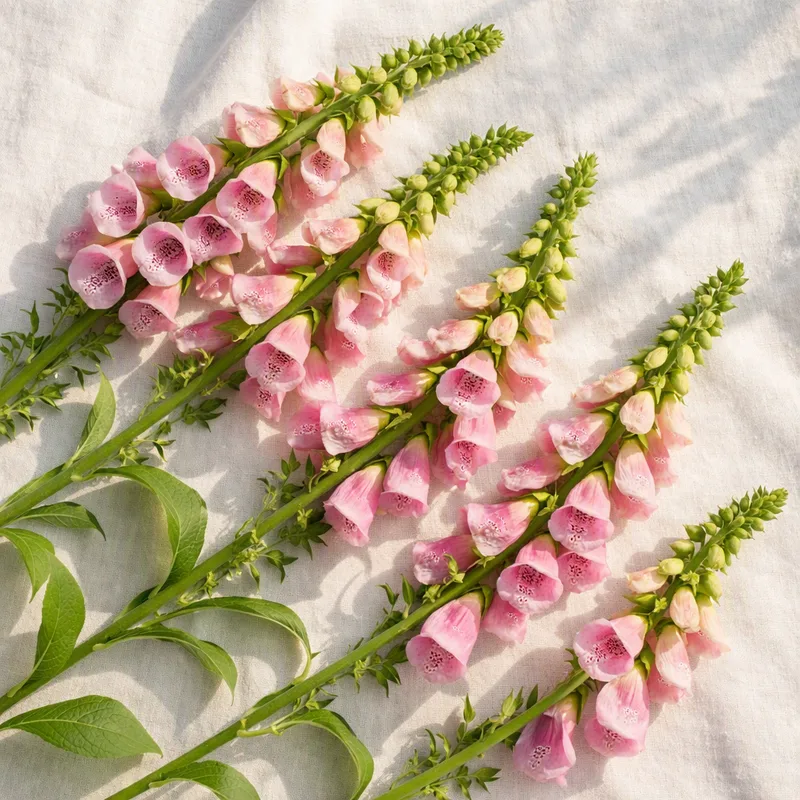
When people search for a plain foxglove, the flower they picture is nearly always pink. Garden strains show shades from pale rose to deep magenta, and spikes often carry flowers all the way around the stem. The wild plant, by contrast, usually has its bells on one side only. The Excelsior hybrids are sold in white, pink and purple, and the Camelot series includes forms that have won the RHS Award of Garden Merit.
Growing guide
Foxgloves are tough and fairly hardy. They can survive temperatures down to about minus 15 degrees Celsius, which covers most of Britain.
- Sow in early summer for flowers the following year, or buy young plants in autumn.
- Provide partial shade and moist soil with plenty of organic matter.
- Plant in groups of three or five for a natural drift.
- Leave some seed heads to ripen if you want self-sown plants.
Bees love the flowers. Bumblebees in particular push into the tubes, and a pink spike in June can be busy all day.
Why caution is needed
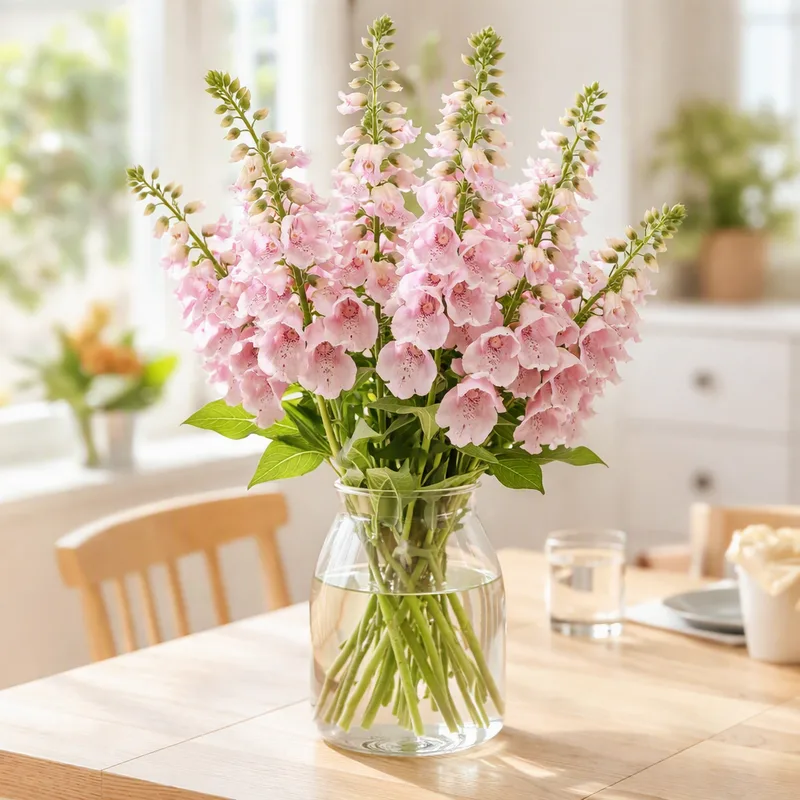
Foxglove is among the most toxic garden plants. Leaves, flowers and seeds contain cardiac glycosides, and eating even a small amount can be dangerous. The ASPCA lists dogs, cats and horses as at risk. Wear gloves when cutting stems, and wash your hands afterwards. If a person may have eaten foxglove, call 999 or NHS 111 for advice. For an animal, contact a vet immediately.