A British woodland native
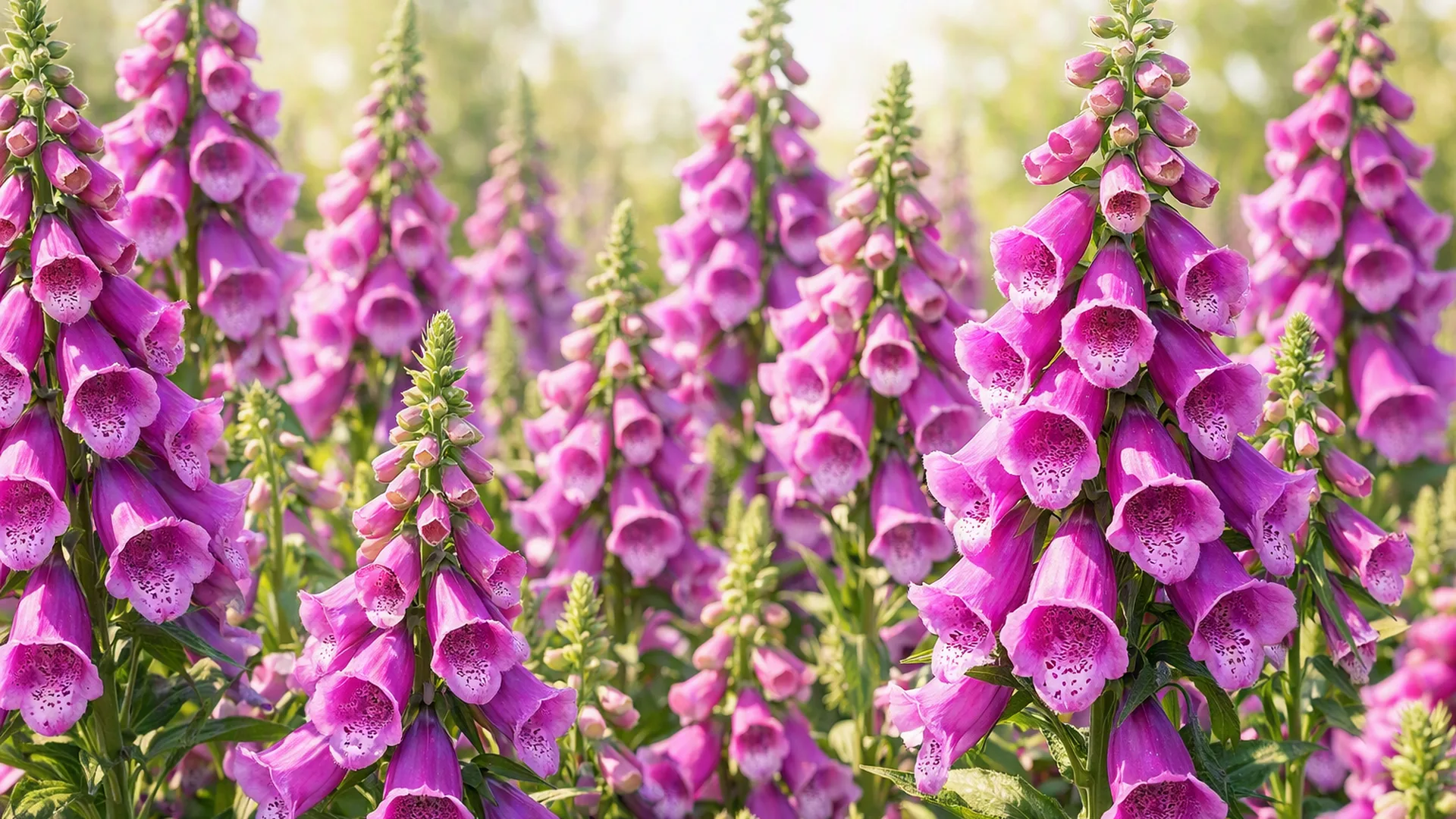
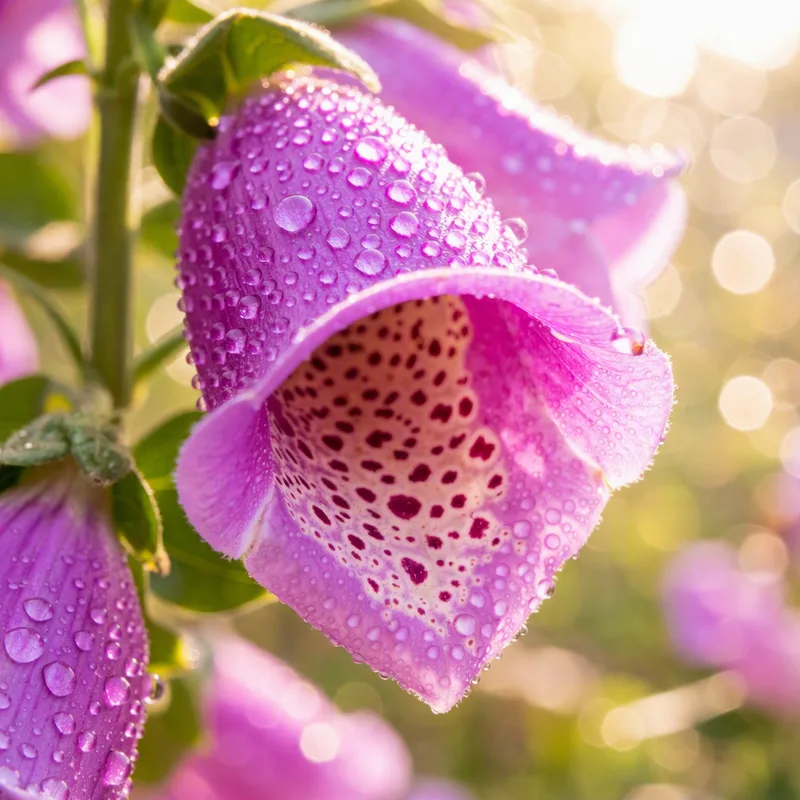
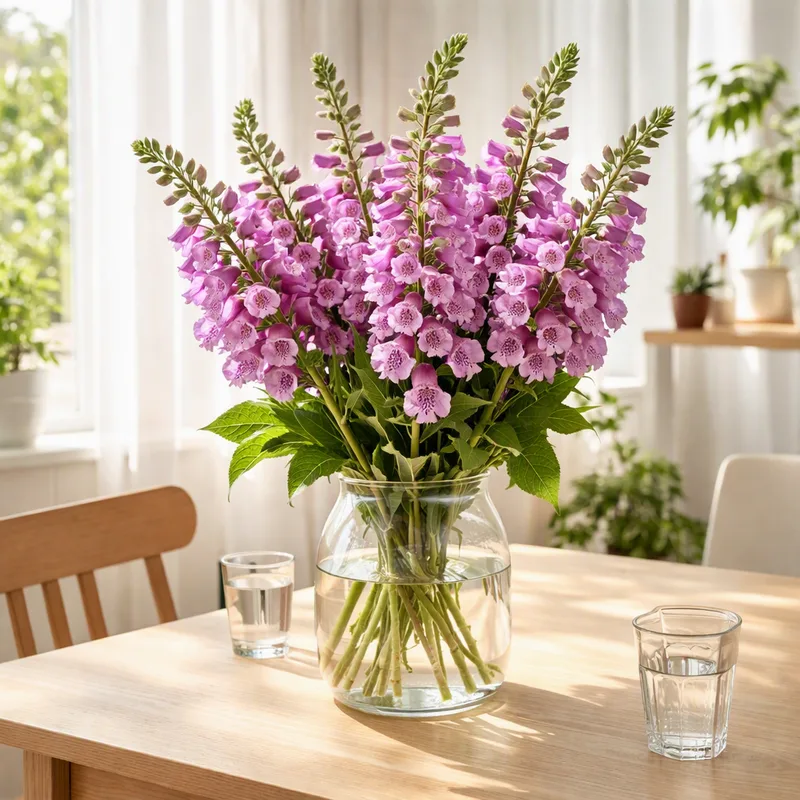
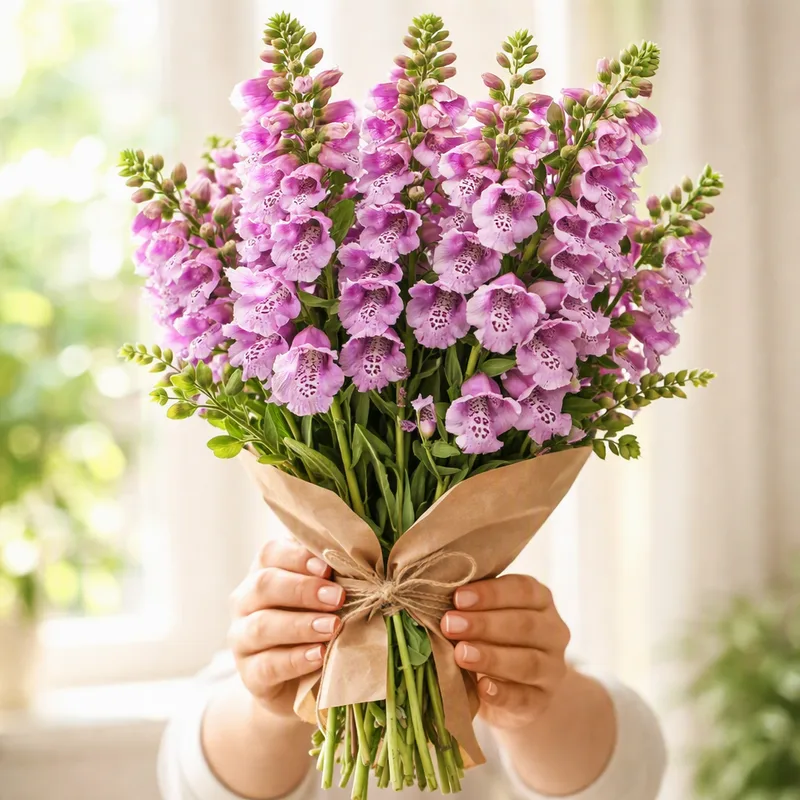
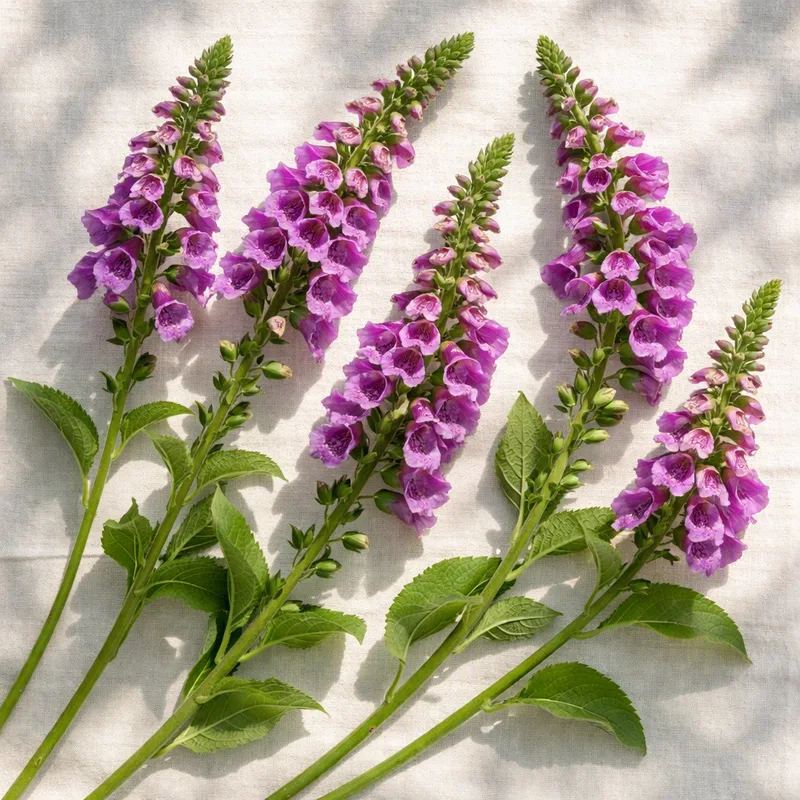
Digitalis purpurea grows wild across much of temperate Europe, including Britain, where it appears on woodland edges, in clearings and on heathy slopes. The Latin name comes from digitus, finger, and the flowers do resemble fingertips. Tall spikes of tubular, speckled bells rise above a woolly rosette of leaves, and bumblebees climb right inside to reach the nectar.
Two summers to a flower
Foxglove is usually treated as a biennial. In the first year, it forms only a rosette of leaves close to the ground. The flowering stem appears in the second year, often reaching a metre or more, and the plant normally dies after setting seed. In June and July the spikes are at their best. If you want plants every year, sow in two successive years or let a few plants self-seed.
- Scatter seed on the surface, since it needs light.
- Choose partial shade and moist, humus-rich soil.
- Cut back some spikes before seed forms if you do not want seedlings everywhere.
Wild foxgloves in woodland should stay where they are; collect seed from your own plants instead.
Handle as a poison
All parts contain cardiac glycosides, including digitoxin. The ASPCA lists the plant as toxic to dogs, cats and horses and describes heart rhythm problems, vomiting, diarrhoea, weakness, and in the worst cases death. People are at risk as well. If anyone has eaten part of a foxglove, call 999, or NHS 111 for advice, and take your pet straight to a vet.