When crocuses flower
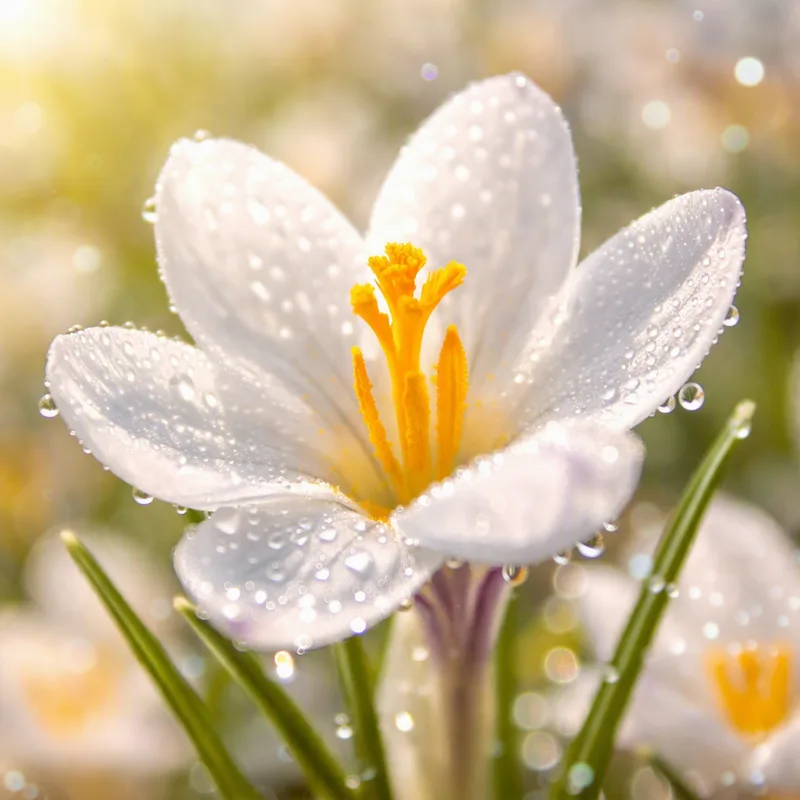
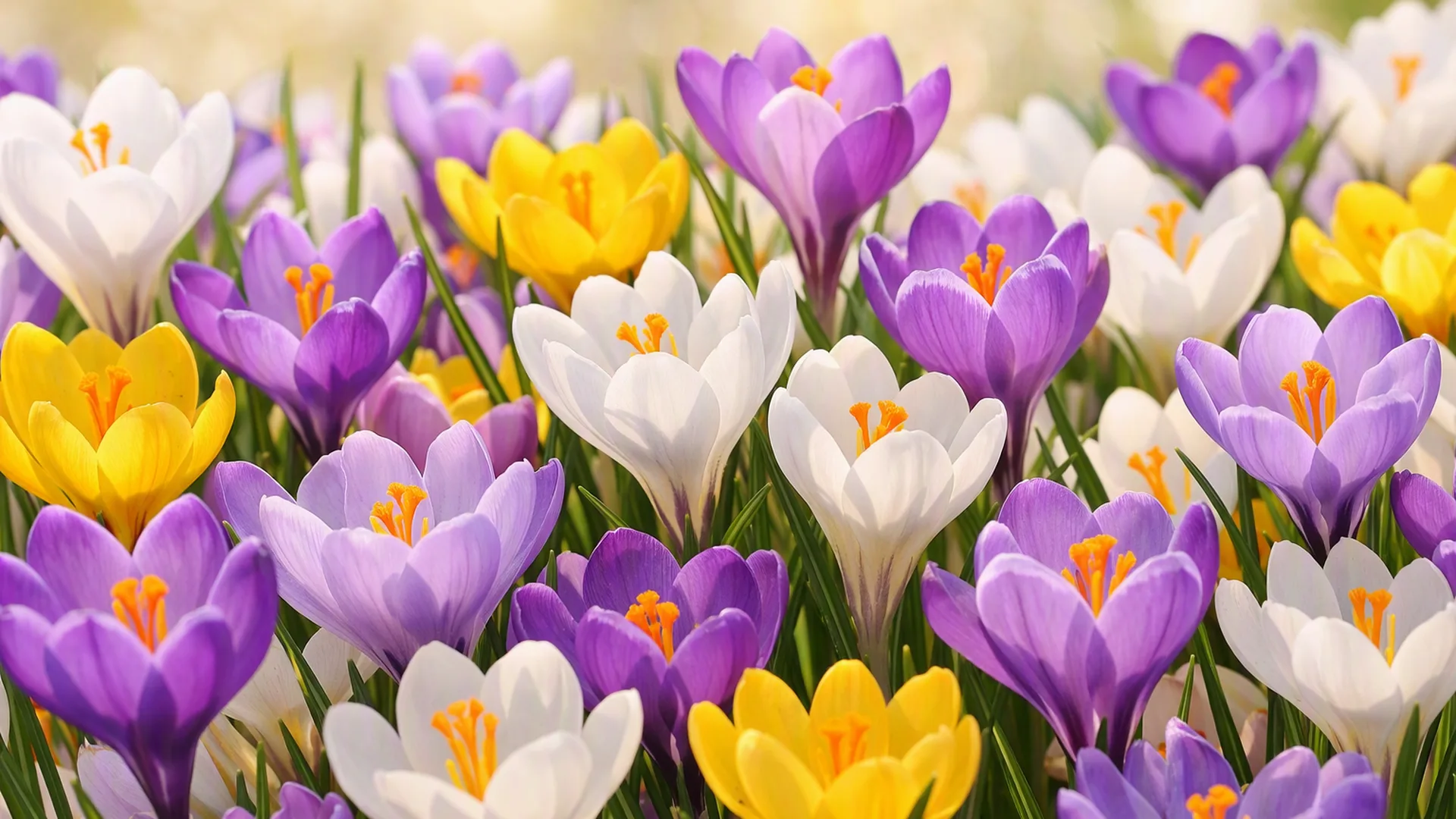
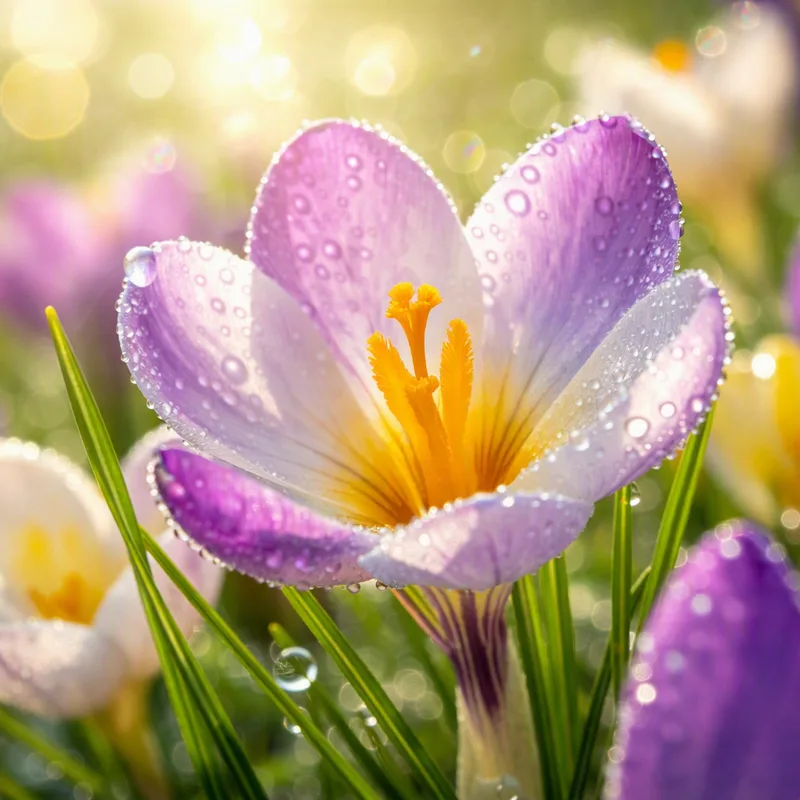
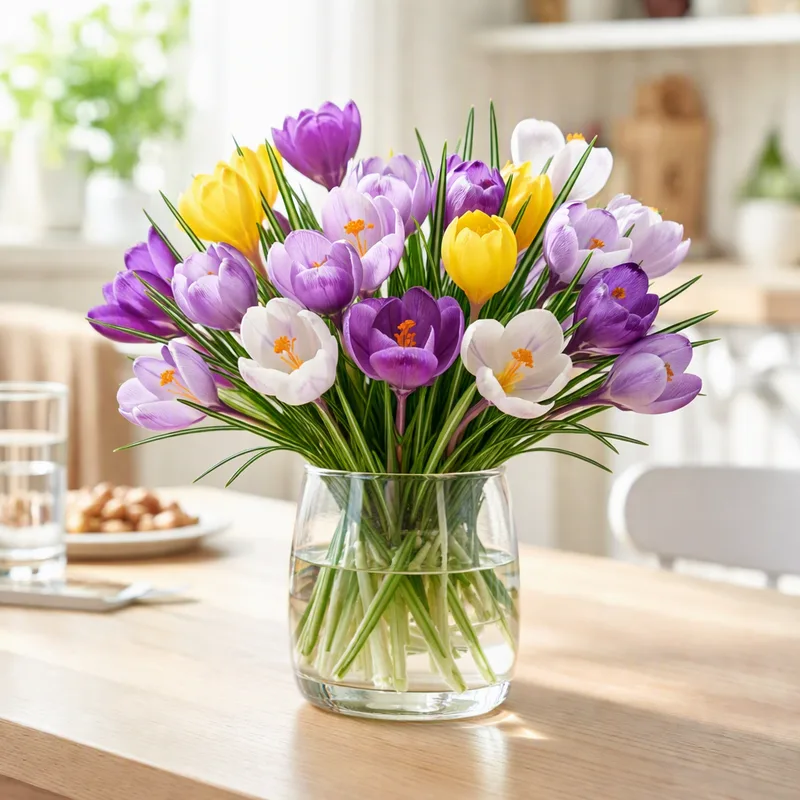
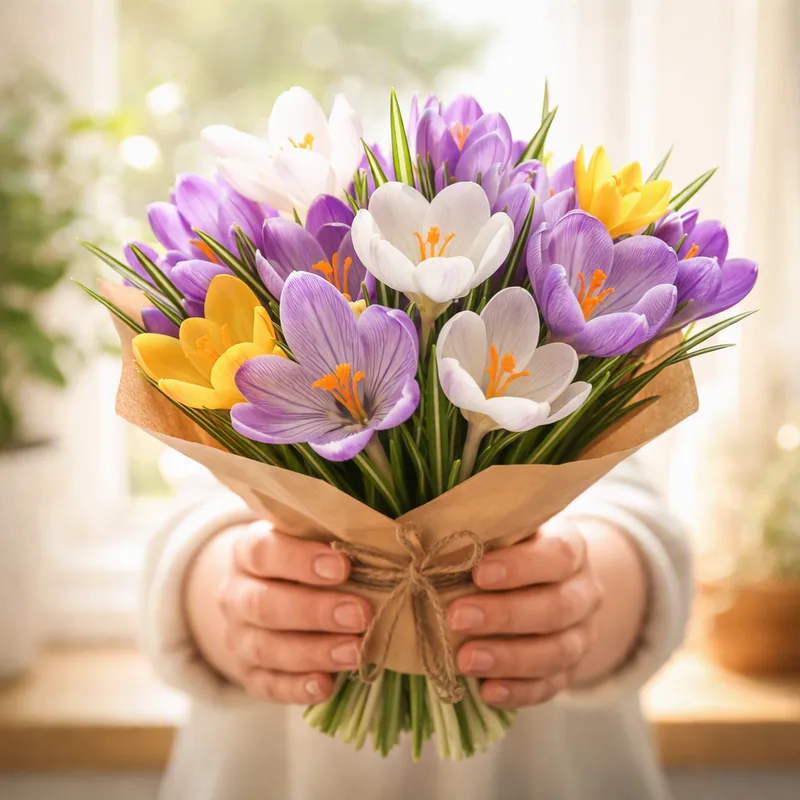
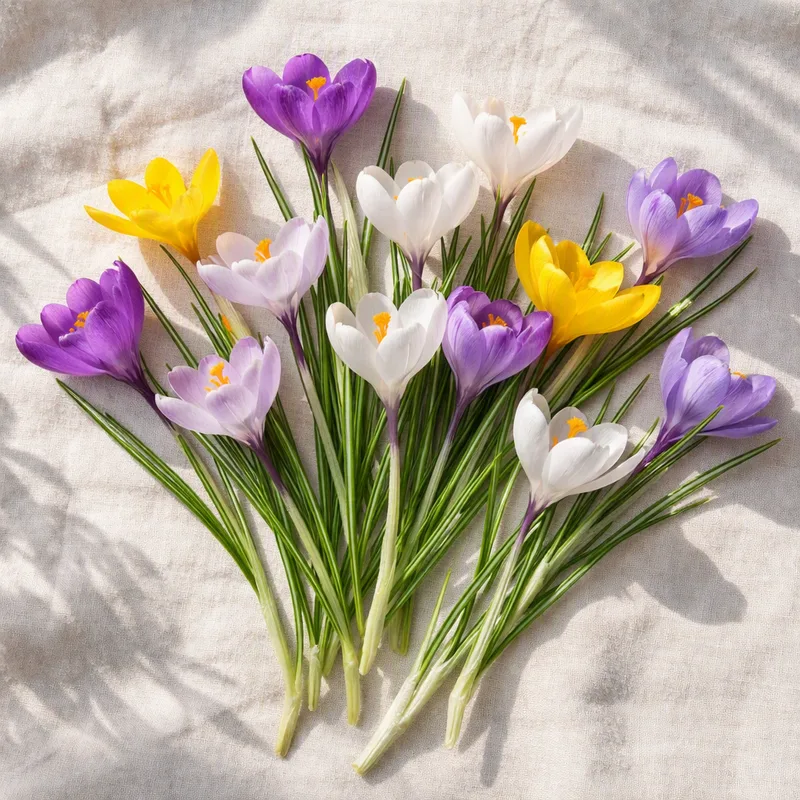
Most spring crocuses open between February and March, though autumn-flowering species appear from September. The RHS describes a genus of around 80 species of perennial corms, with funnel- or goblet-shaped flowers in white, yellow, lilac and purple. The crocus is often used as a symbol of spring and new beginnings.
Choosing by season and place
- For February and March in sparse grass or under trees, the RHS suggests slender pale lilac Crocus tommasinianus cultivars.
- For March flowers in rock gardens, try Crocus chrysanthus cultivars.
- Dutch hybrids of Crocus vernus, such as 'Pickwick' and 'Flower Record', are stout and suit lawns and containers.
- Autumn species such as Crocus speciosus naturalise in short grass.
Crocuses are happy on most soils, including chalk, and prefer sun and good drainage.
Planting
Put spring corms in the ground in autumn, 7 to 10 cm deep for the small species and about 12 cm deep for Dutch hybrids in lawns. Space them about 9 cm apart. In containers, plant them as the top layer above other bulbs. Do not mow grass until the leaves have yellowed.
Troubles
Birds, squirrels and rodents can damage corms and flowers. Wikipedia mentions crows, jackdaws and magpies removing blooms. The RHS suggests planting under metal mesh to cut down losses.
Crocus or colchicum?
Autumn crocus is a common name for Colchicum autumnale, which is quite different and highly dangerous, with the ASPCA listing it as toxic to dogs, cats and horses. Spring crocuses are far milder but can still upset the stomach.