
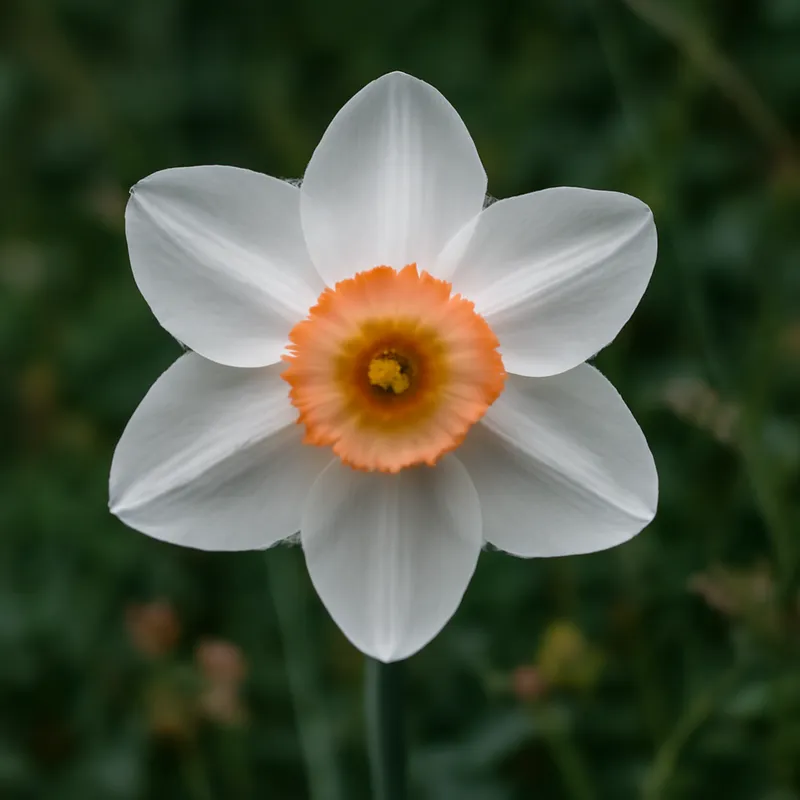
Classic Daffodil
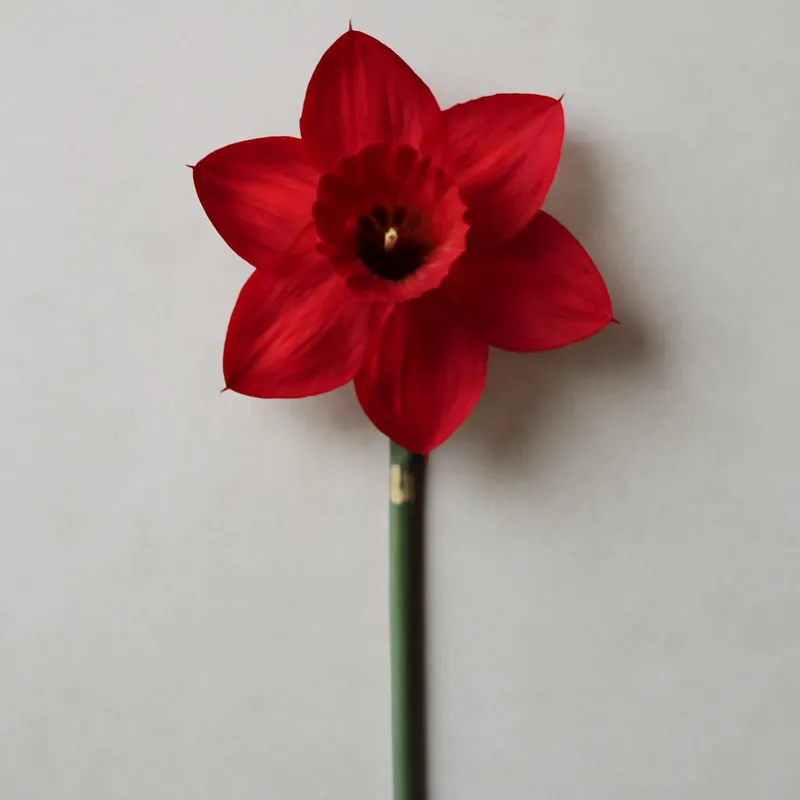
Classic daffodil is one of our most beloved spring flowers, with its golden petals and characteristic trumpet signalling that winter is finally over. This robust bulb belongs to the Amaryllidaceae family and has been a favourite in British gardens for generations.
Planting and Soil Requirements
Daffodil bulbs are best planted in autumn, from September to November, before the ground freezes. Choose a location with well-drained soil as bulbs easily rot in standing water. Daffodils thrive in both sunny and semi-shaded positions, making them very versatile for garden planning. Plant the bulbs at a depth equivalent to three times the height of the bulb.
Watering and Feeding
In spring, when the daffodil is growing actively, it requires moderate watering, especially if spring is dry. However, avoid overwatering as this can lead to bulb rot. After flowering, it is important to leave the leaves in place until they yellow naturally, as they gather nutrients for next year's blooms.
Flowering and Appearance
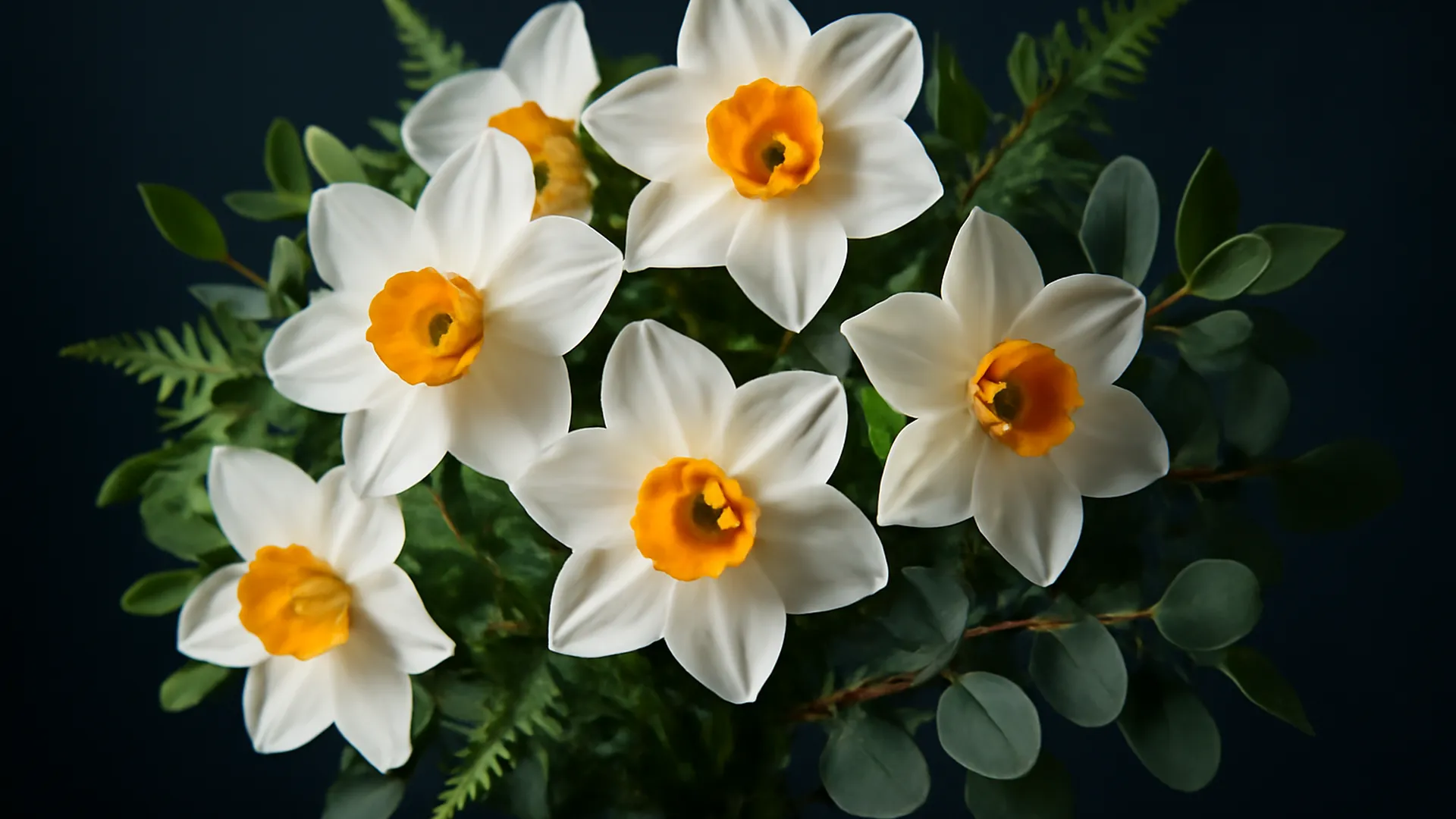
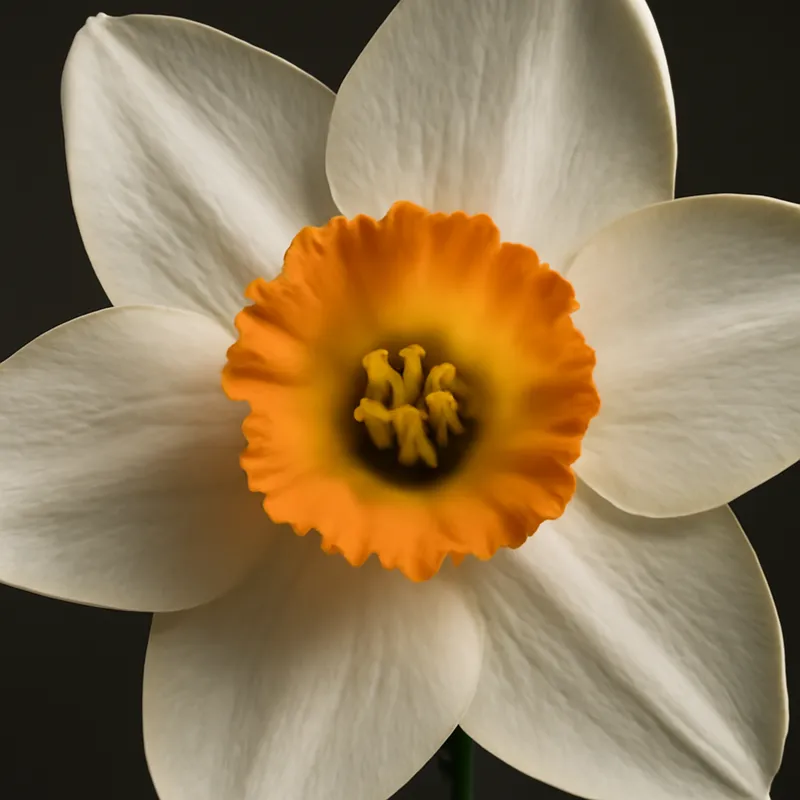
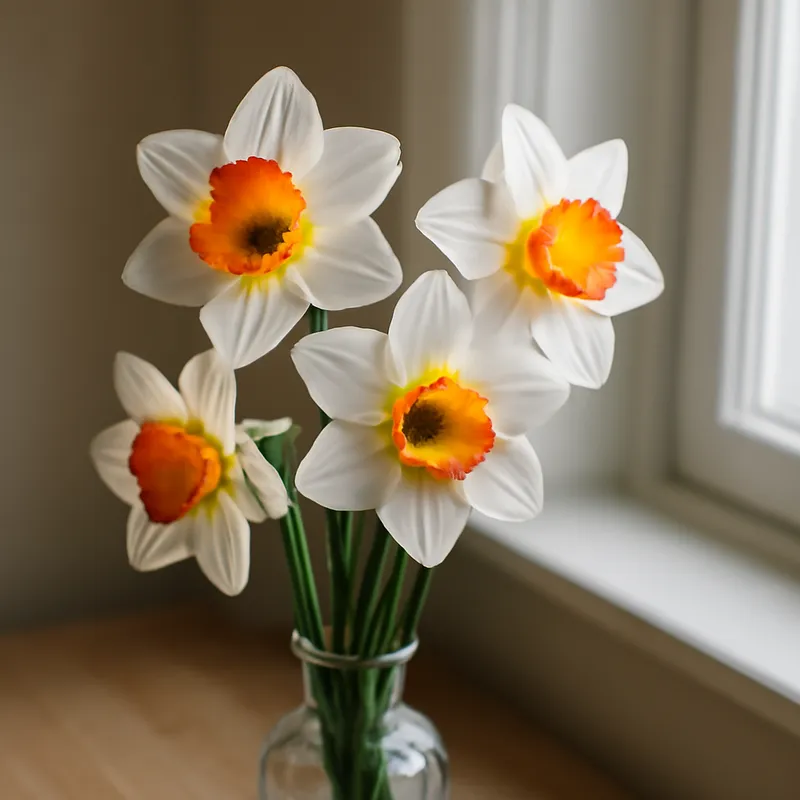
The classic daffodil flowers early in spring, often as early as March or April depending on weather conditions. The flowers typically have six white or yellow petals surrounding a trumpet in yellow or orange.
Overwintering and Perennial Growing
One of the daffodil's greatest advantages is its hardiness. The bulbs withstand British winters without problem and return year after year. Over time, new bulbs form which can be divided to create more plants. This makes the daffodil a very economical investment for the garden.
Garden Uses
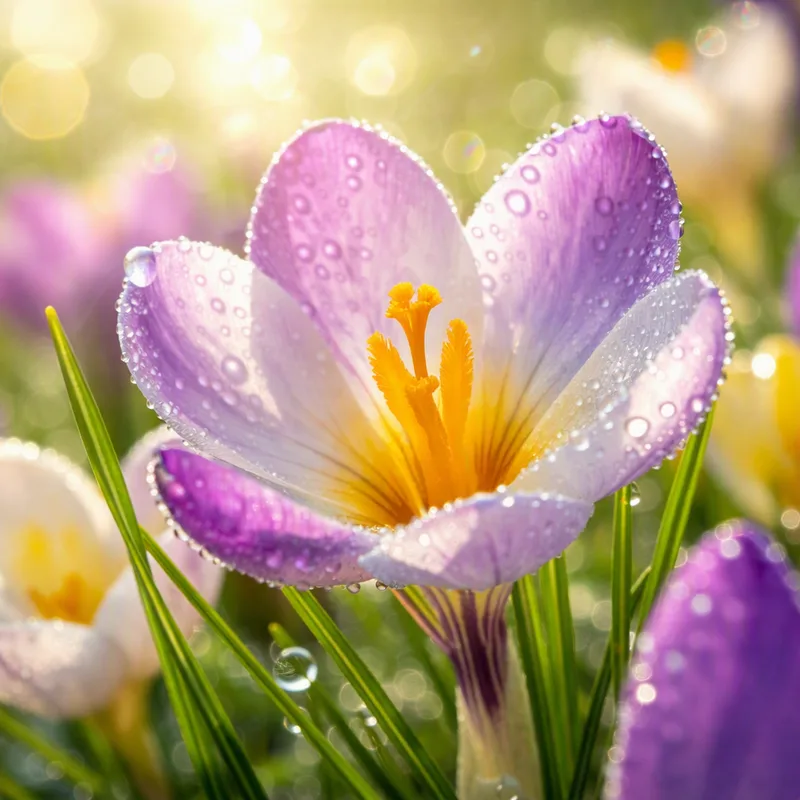
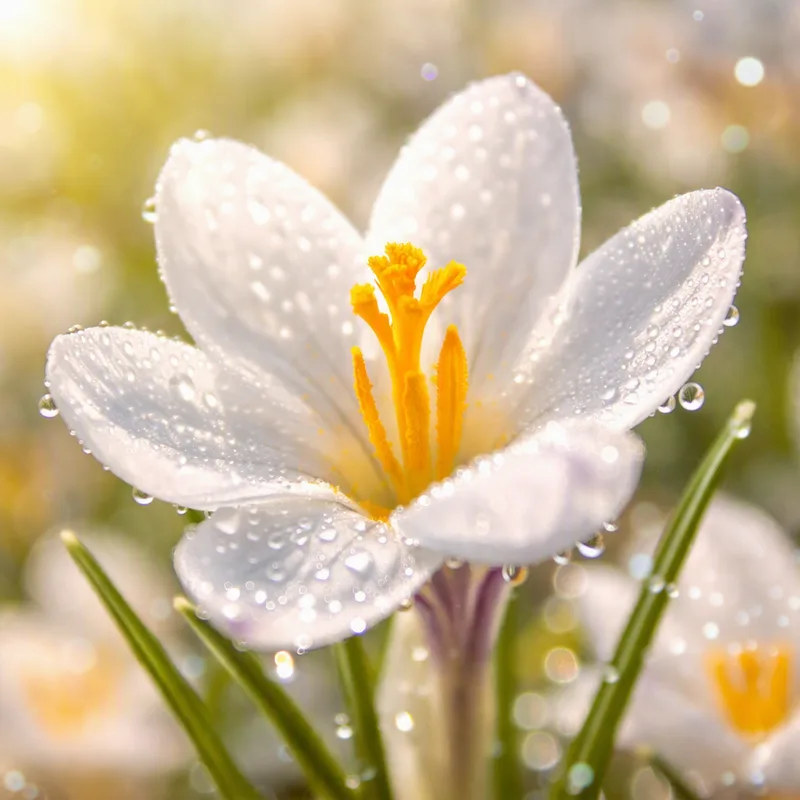
Classic daffodil is perfect for naturalising in lawns, flower beds and under trees. It combines beautifully with other spring flowers such as crocus and winter aconite. Many gardening enthusiasts plant daffodils in large groups for maximum effect when they flower.
Aftercare
When the flowers fade, they should be removed to prevent seed formation, but the leaves must be left in place. This can be aesthetically challenging, but it is essential for next year's flowering. Many gardeners solve this by planting daffodils among perennials that grow up and hide the fading leaves.