
Not quite the native you think
Many people take the snowdrop for a British wildflower, and some have repeated that the Romans brought it. Current thinking is that it arrived much later, perhaps around the early sixteenth century. The plant is native across Europe, from Spain eastward to Ukraine, and has naturalised widely in Britain. Old local names include February fairmaids, Candlemas bells and snow piercers.
Flowering and looks
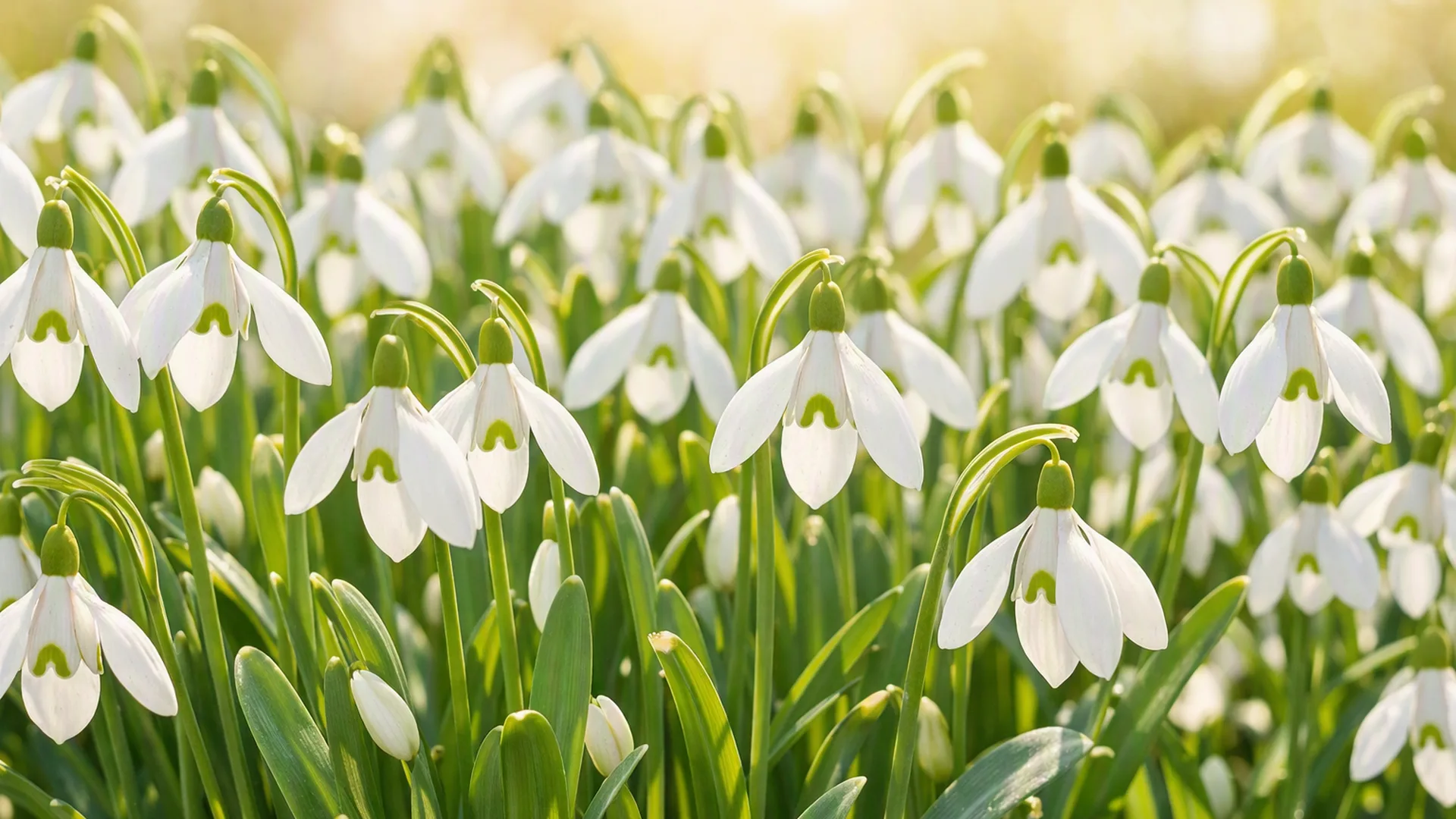
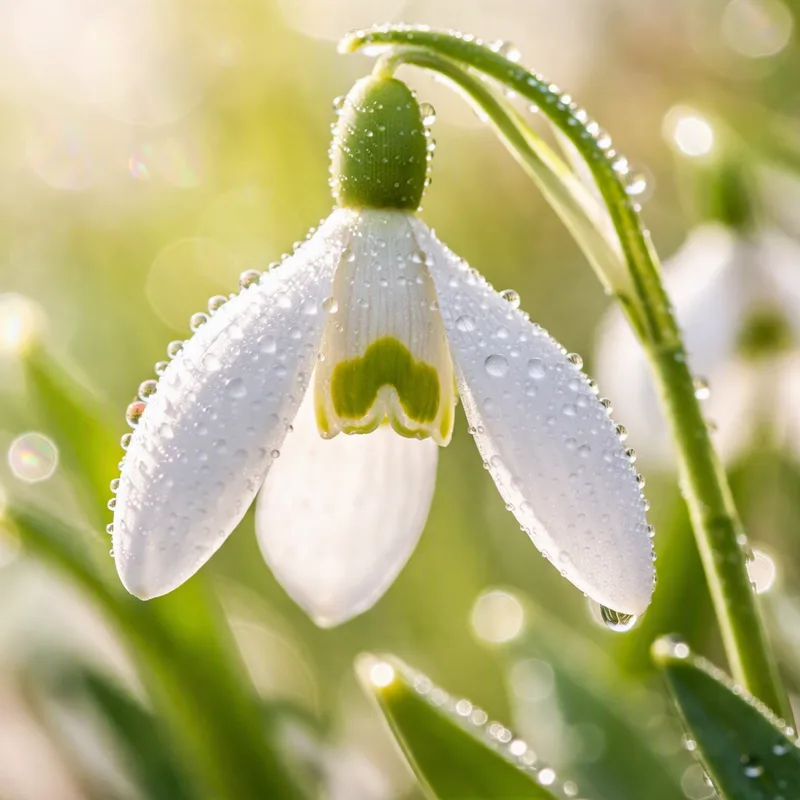
Galanthus nivalis reaches about 7 to 15 cm, with greyish-green leaves and a single nodding, bell-shaped white flower on a slender stalk. It flowers from January into April in northern gardens, and the three outer petals are longer than the three inner ones, which carry a green mark. The double 'Flore Pleno' was recorded by 1703. Named cultivars such as 'Anglesey Abbey', found in Cambridgeshire, are collected by enthusiasts known as galanthophiles.
Planting the RHS way
The RHS suggests planting snowdrops freshly lifted when the leaves are dying back, or "in the green" soon after flowering while the leaves are still green. Dry bulbs dry out easily, so buy them as soon as they appear and plant at once.
- Partial shade, ideally under deciduous trees.
- Moist but well-drained soil with leaf mould.
- Do not let the soil dry out in summer.
- Let the leaves die back naturally; no pruning is needed.
Protection and caution
The species is listed in CITES Appendix II, so buy from nurseries that propagate their own stock rather than from wild collections. Snowdrops contain galantamine, a medicine for mild to moderate Alzheimer's disease, but the plant itself is poisonous if eaten. Ring NHS 111 or your vet after any chewing.