

The honest answer on white
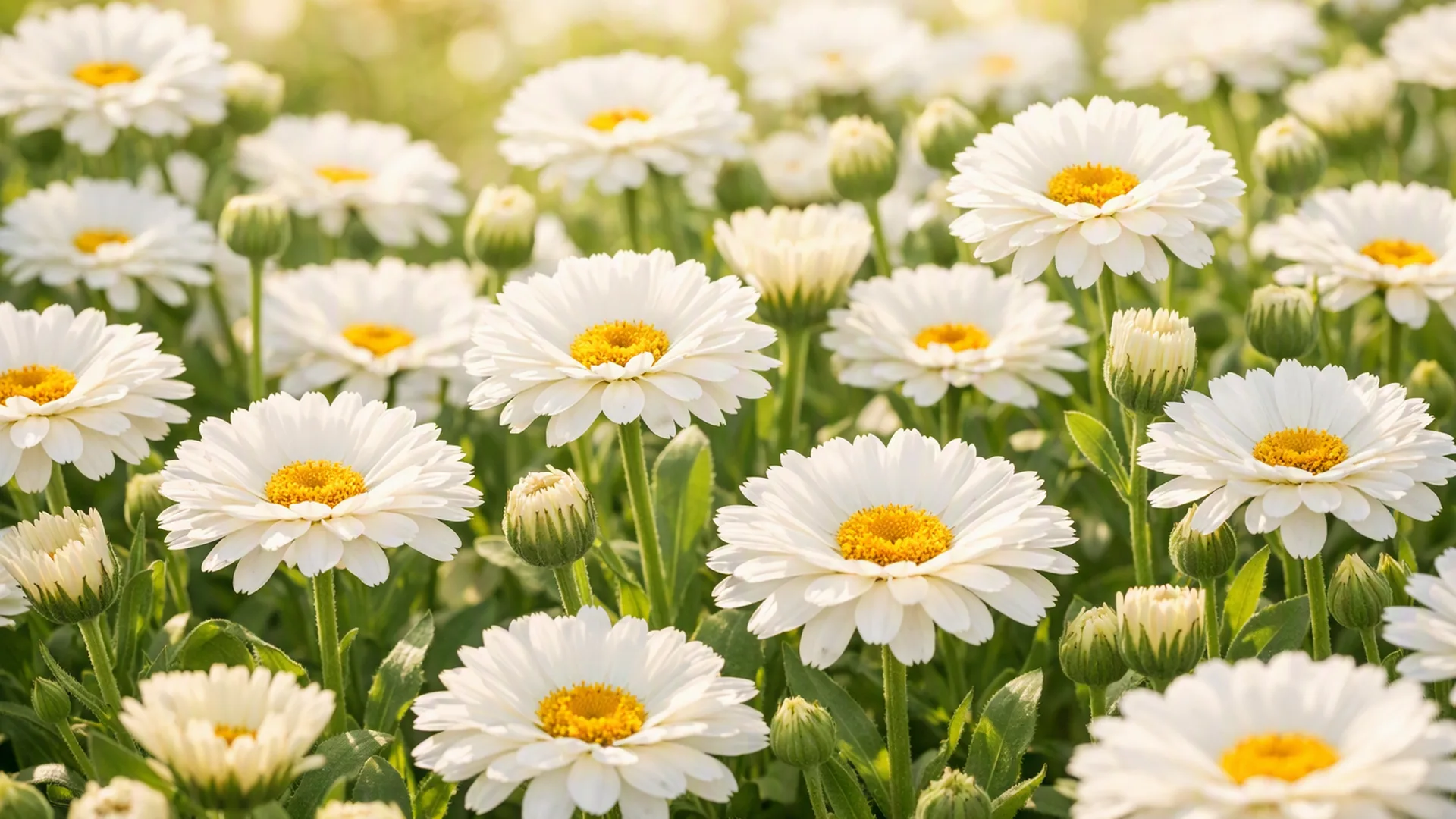
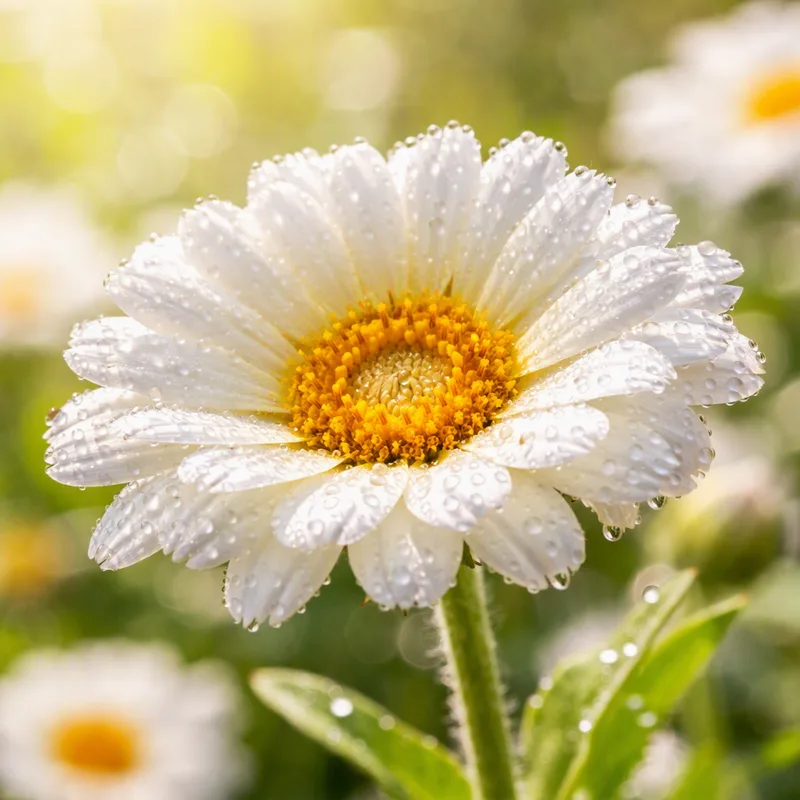
Pot marigolds are naturally orange and yellow. There is no pure white wild form of Calendula officinalis, so anything sold as white is really cream or ivory, usually with a darker brown or chocolate centre. If you want an authentic snow-white daisy for cutting, other flowers such as ox-eye daisies or white cosmos will do the job better. If you like the idea of a pale, softer calendula, there are some pretty cultivars to try.
Pale varieties
- 'Snow Princess' is a cream calendula with a dark eye and compact habit.
- 'Ivory Princess' is also soft cream with a dusky centre.
- 'Sherbet Fizz' is cream with red-tipped petals and a darker underside.
Seed catalogue colours can differ from batch to batch, so expect a mixture of cream, buff and pale apricot among the flowers.
Growing pale calendulas
Sow outdoors from March to May, or start seed indoors in March and plant out after the last frost. Pale types are best in full sun, as they can brown in cold, wet weather. Pinch out the tips to encourage bushy growth and cut the first flowers for the house to keep the plant blooming. The plants are hardy annuals, so frosts in November usually end the season.
Where cream flowers work
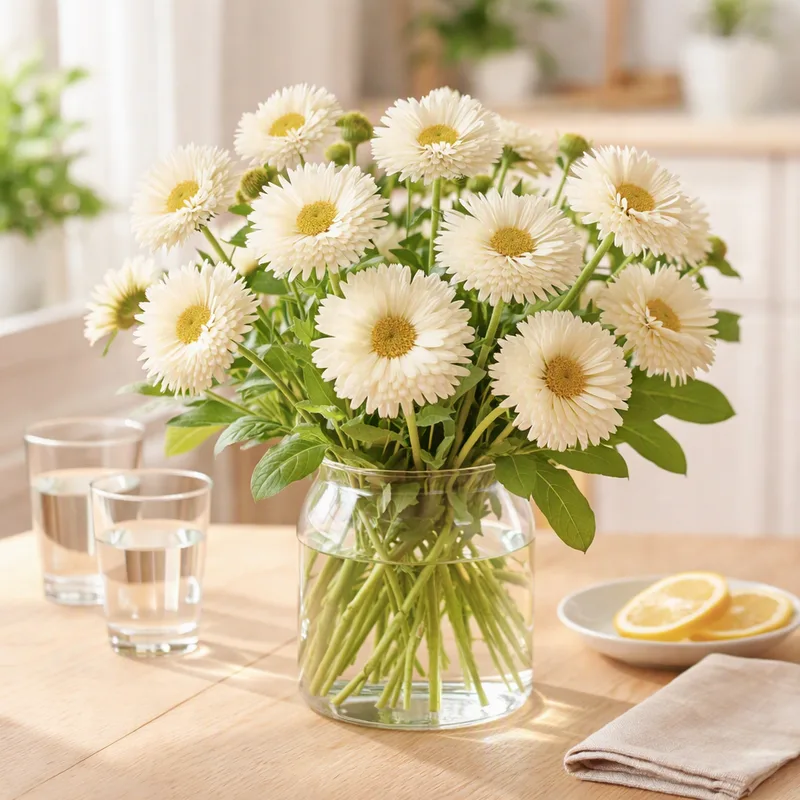
Cream pot marigolds look soft with blue cornflowers and love-in-a-mist. They are a good choice for a wedding-style cutting patch, though the stems are shorter than for many cut flowers. Cut early in the day and put them in cool water. Calendula petals are edible, and cream ones make a pretty sprinkling on summer salads.
A pet-friendly choice
The ASPCA lists Calendula officinalis as non-toxic to dogs, cats and horses, which makes it a comfortable choice in gardens with animals.