Deep red plumes
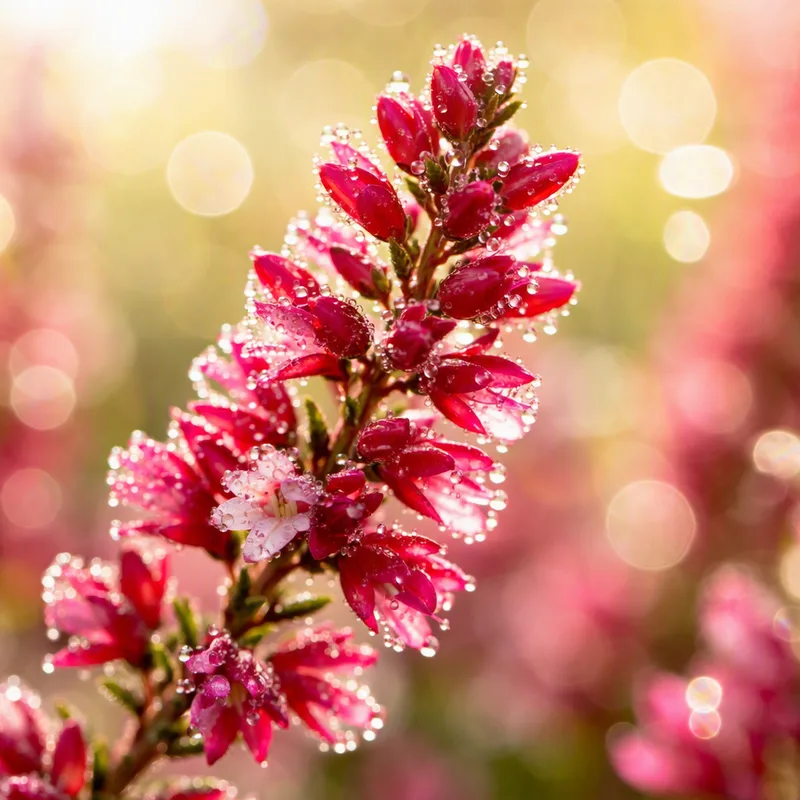
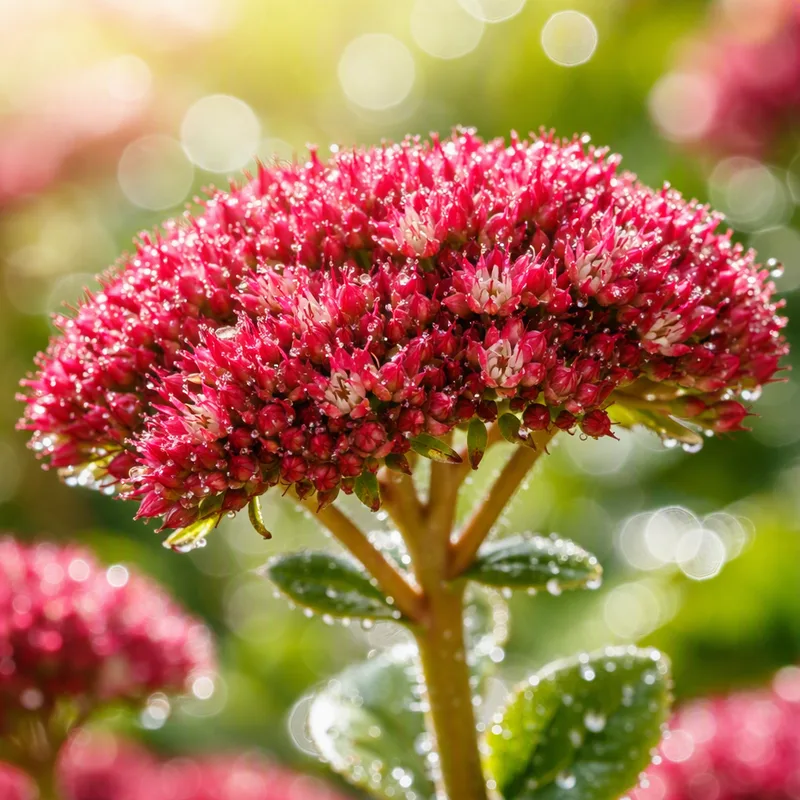
Red astilbes run from rosy crimson to deep garnet. 'Fanal', in the Arendsii group, is described as crimson and has dark, bronzed foliage in spring, making it one of the best-known reds. A dark red astilbe is an effective companion for lime-green hostas, golden grasses and the glossy leaves of ligularia.
At the water's edge
Astilbe thrives in boggy soil and is often used on the edge of ponds. In a rain garden or beside a stream it needs no extra water. Further from the water, plant in a hollow, add organic matter and mulch heavily to hold moisture.
Why leaves scorch
Brown edges come from hot sun and dry roots. In Britain this is most common in south-eastern gardens where summers are dry and soils are light. If your plants suffer, move them into shade, water deeply once a week rather than often and a little, and use a mulch of compost or bark.
- Soil: moist and rich in humus
- Position: partial shade
- Flowers: June to August
- Division: in spring, when clumps are large
Colour in the vase
Red plumes can be cut when about two-thirds of the flowers are open, and they dry well for winter arrangements. Fresh stems usually last five to eight days.
Pet-friendly
Astilbe is not on the ASPCA lists of toxic plants for dogs, cats or horses.