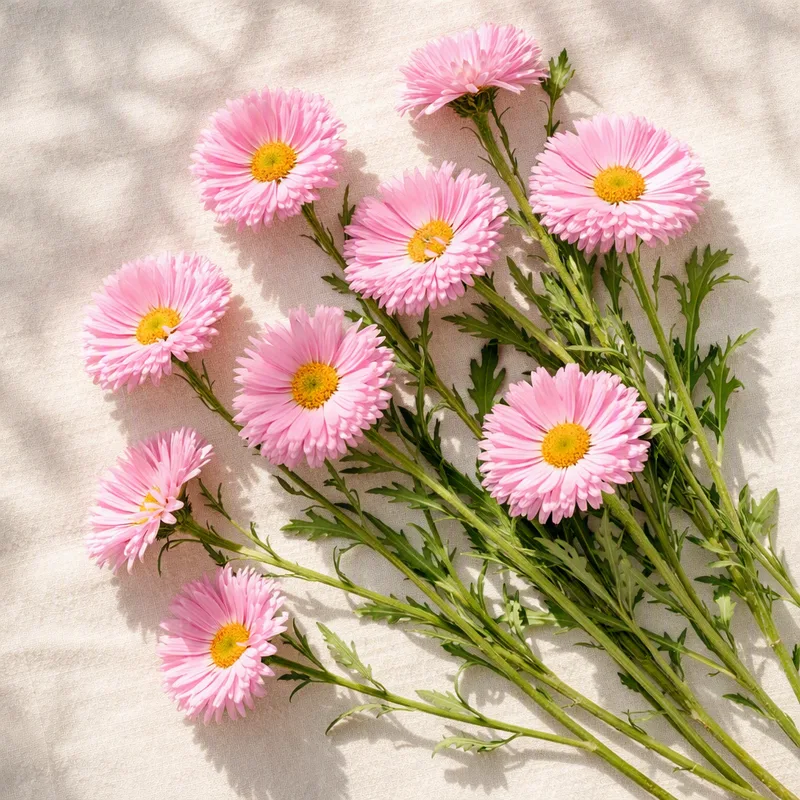
From blush to rose
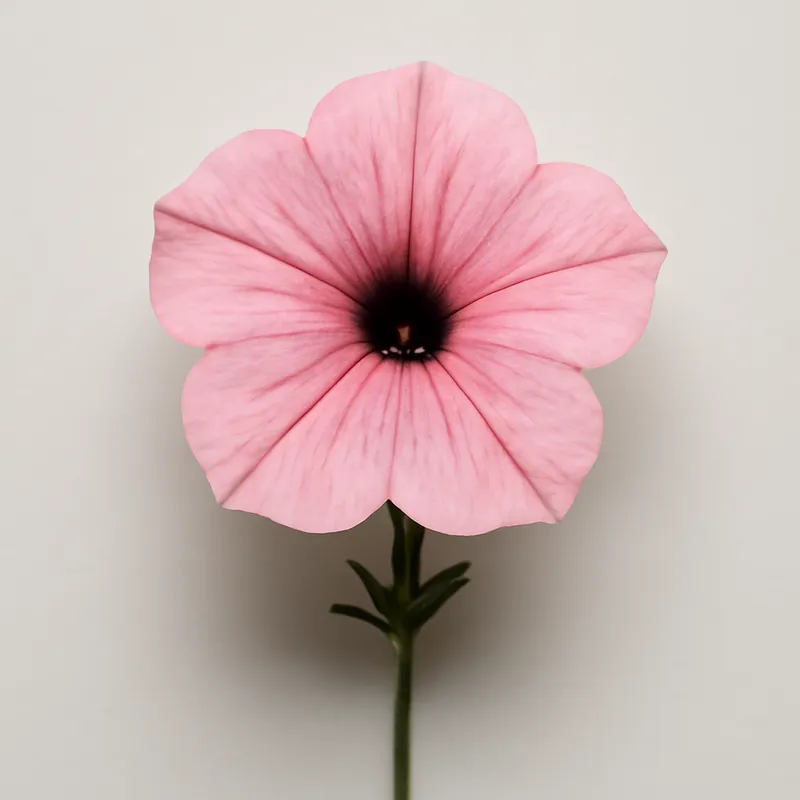
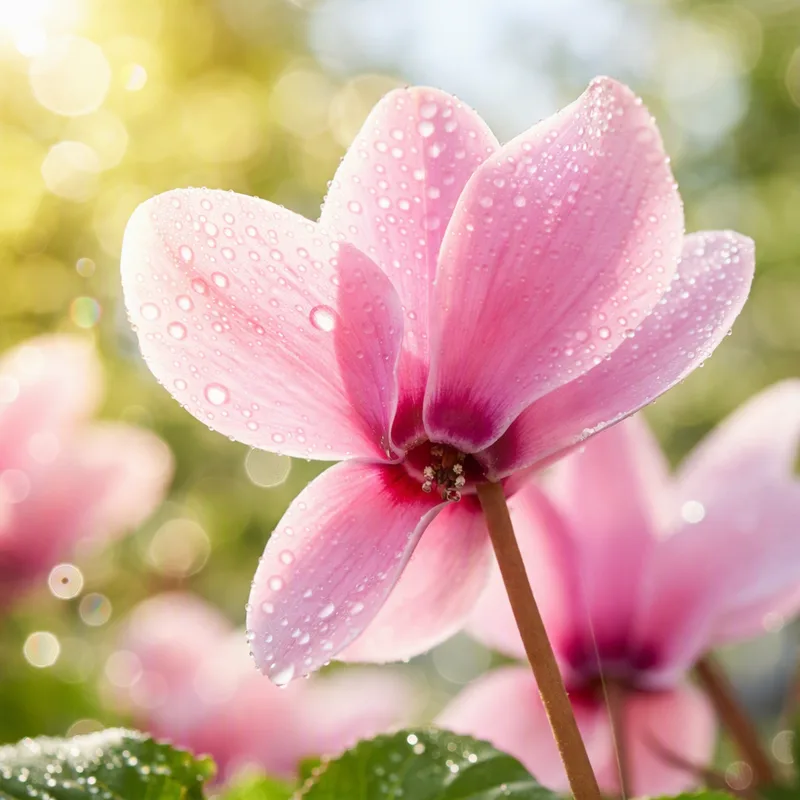
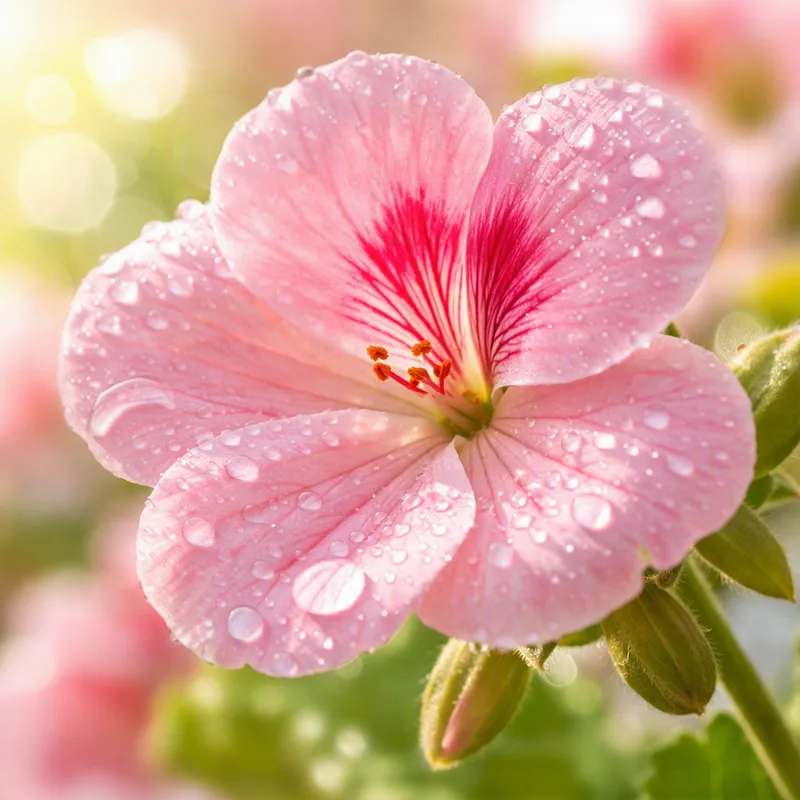
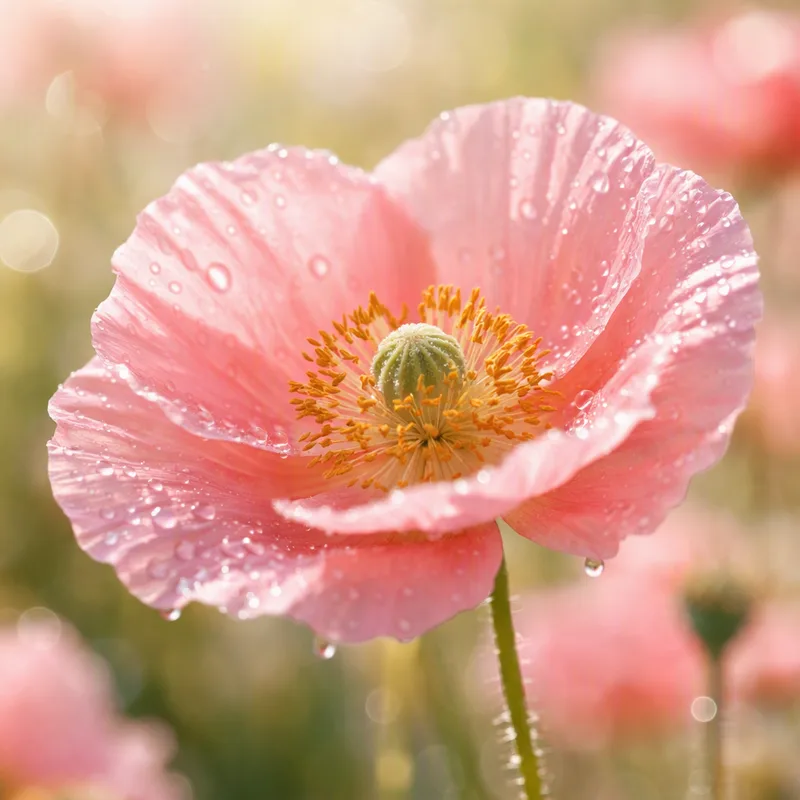
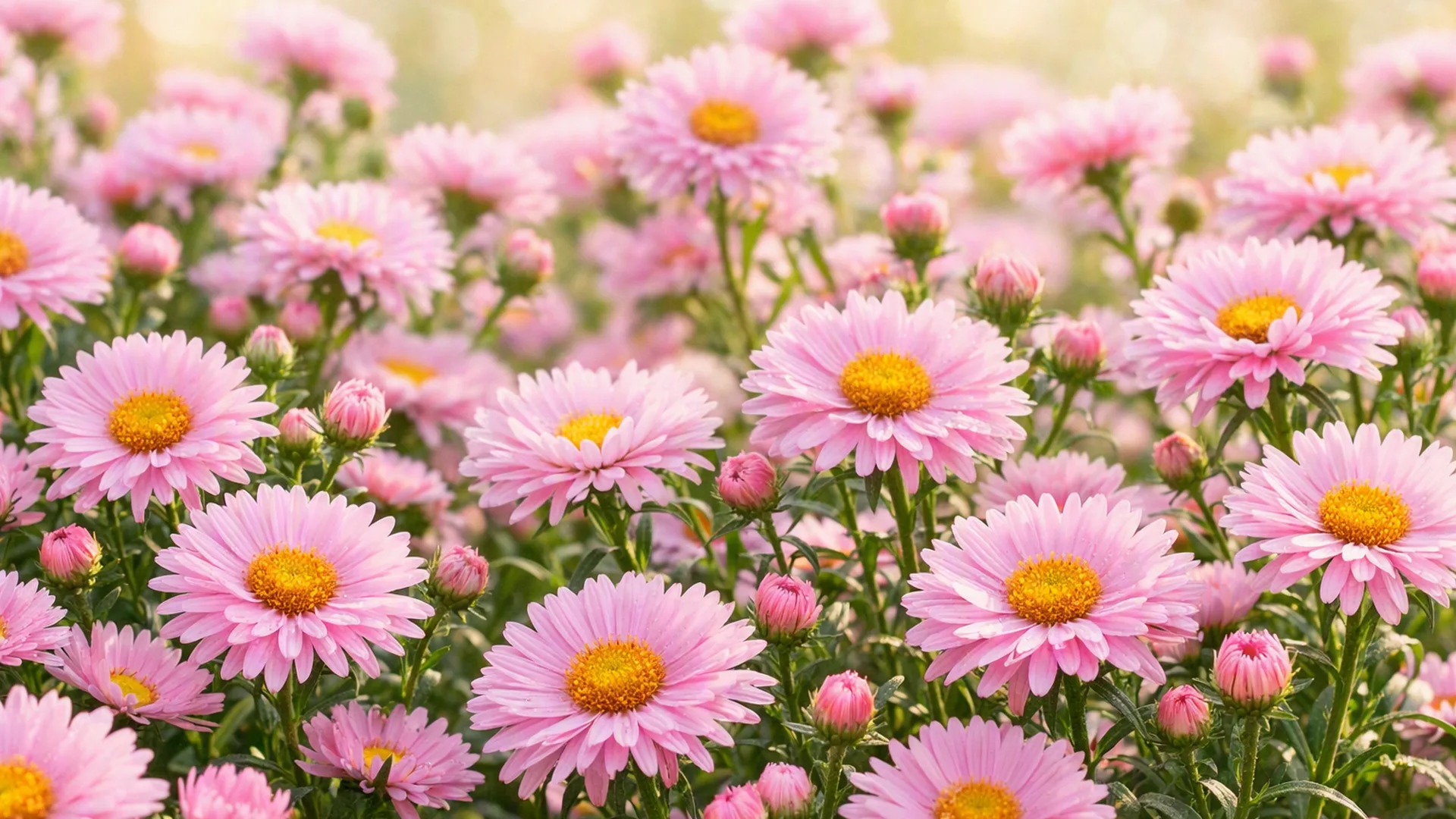
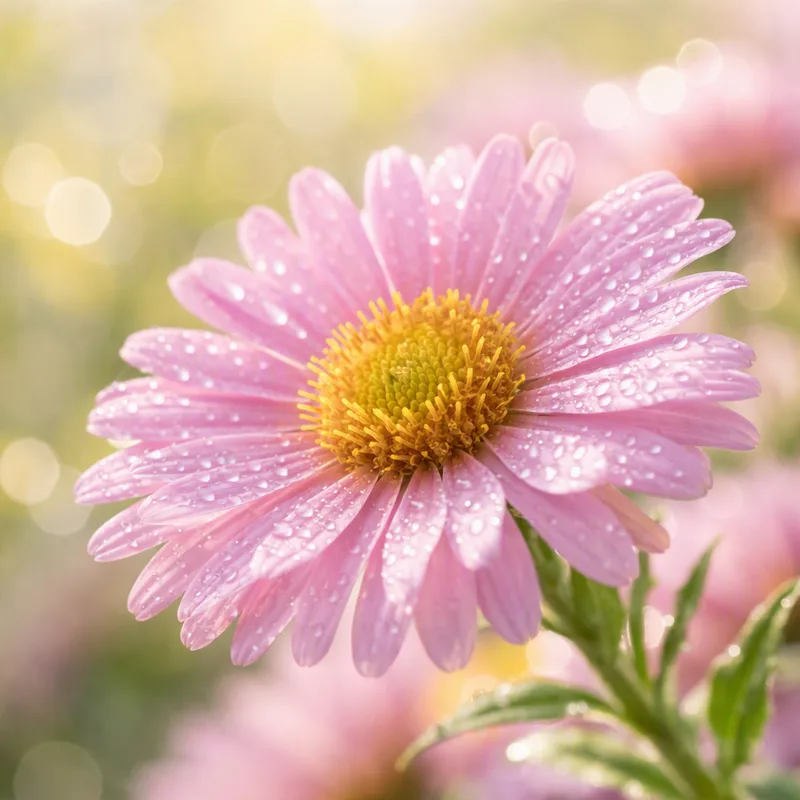
Pink asters range from pale blush to strong rose. In Michaelmas daisies you will find clear pinks, such as the New England aster 'Harrington's Pink', which has salmon-pink flowers, and bolder cerise kinds. China asters offer pink in many forms, from tight pompoms to feathery shaggy heads.
What a pink aster says
In the Victorian language of flowers, asters in general stood for love, patience and daintiness, and pink flowers tend to be read as gentle affection. As with most flower symbolism, there is no single authority, so the meaning is best treated as a tradition rather than a rule.
These asters rarely need much more than a sunny corner and some patience, since clumps expand year by year and reward gardeners who divide them.
Settling pink asters in
- Choose full sun and a soil that stays moist but drains freely.
- Divide perennial clumps in spring every three years or so to keep them vigorous.
- Water during drought, as dry roots invite powdery mildew.
- Support tall New England asters with twiggy sticks or a cane frame.
Pink asters flower later than most perennials, in the weeks after the summer border has faded. They blend with soft purple sedums, silver foliage and ornamental grasses, and they are among the nectar sources that bees and butterflies use as autumn arrives.
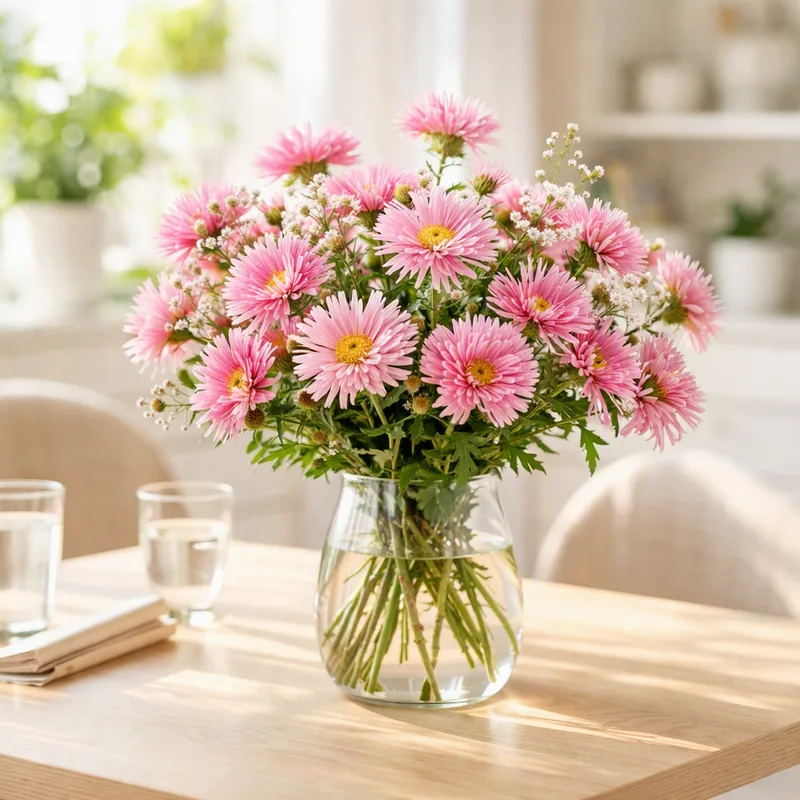
Pink on the table
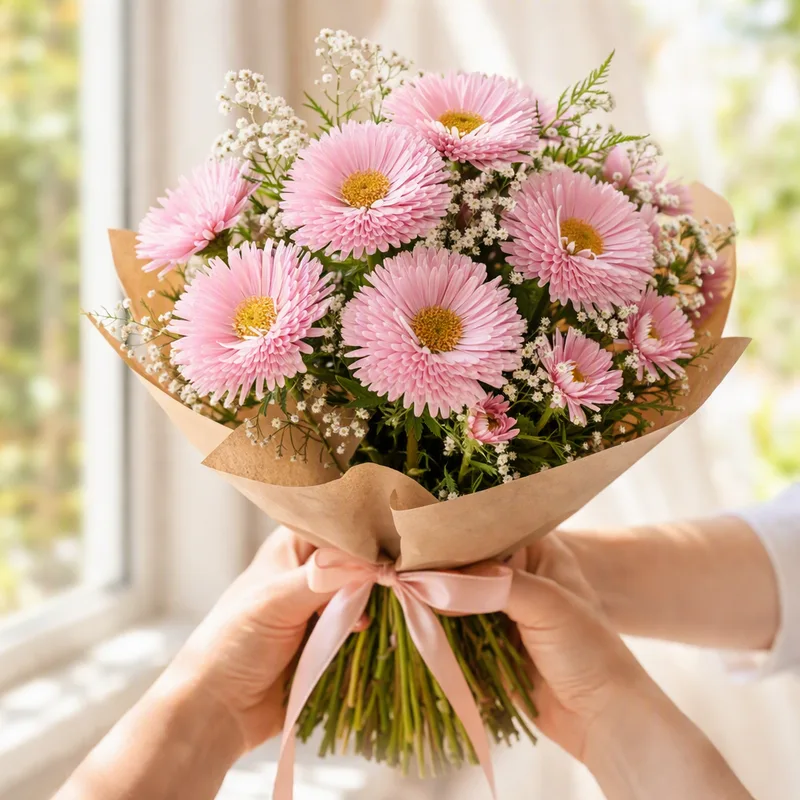
Cut when the first few buds of a spray have opened, strip any foliage below the water line and use clean water. Pink asters mix well with dahlias, chrysanthemums and autumn foliage for a seasonal bunch.
If you have pets, the ASPCA reports no toxicity for the China aster in dogs, cats or horses.