Care in the UK, step by step
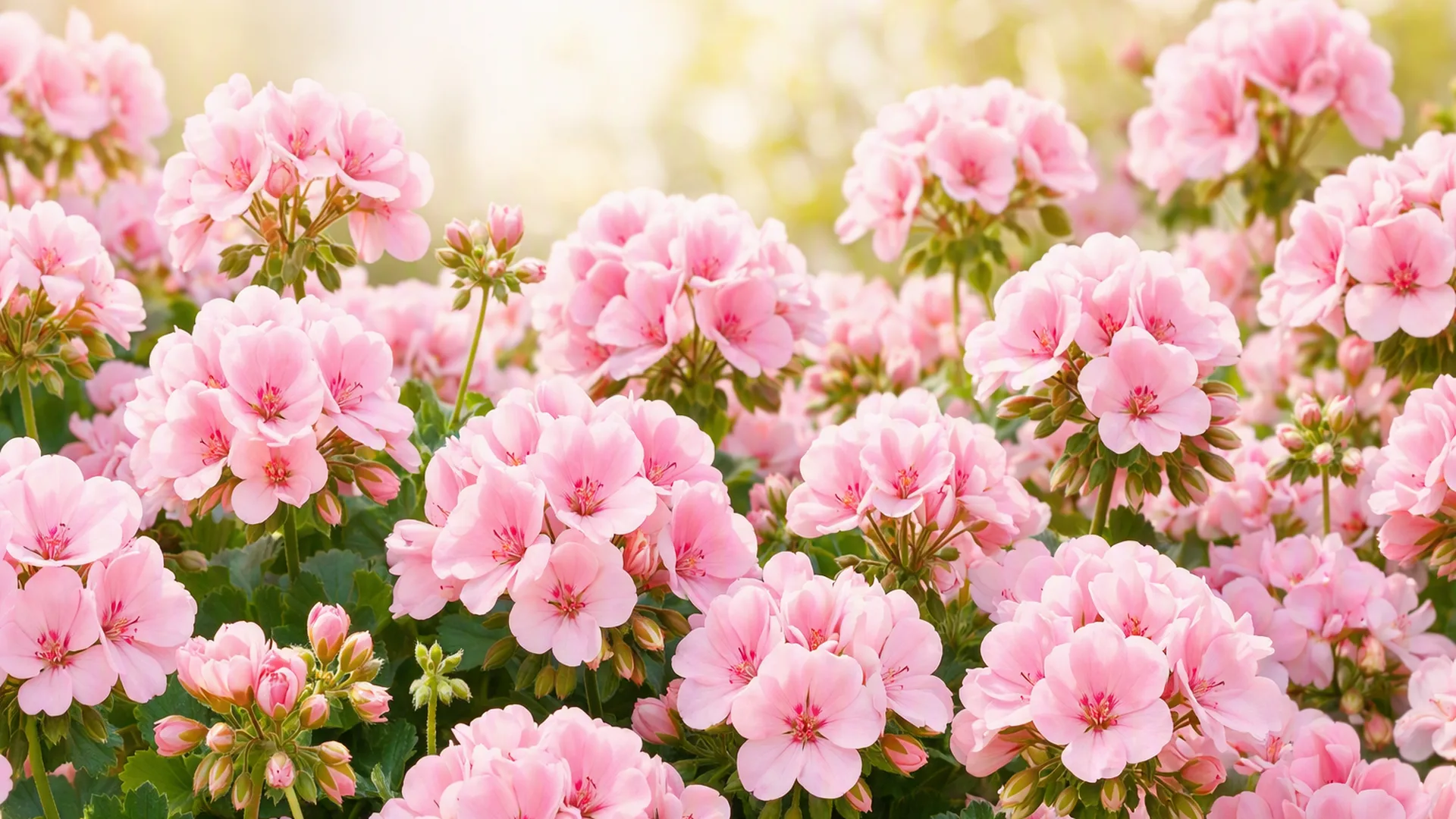
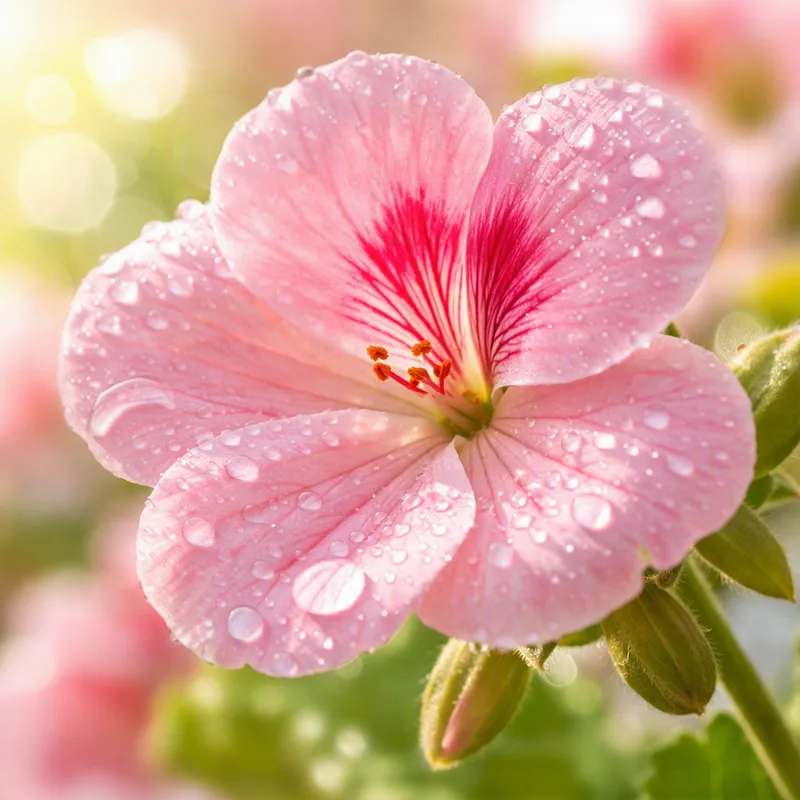
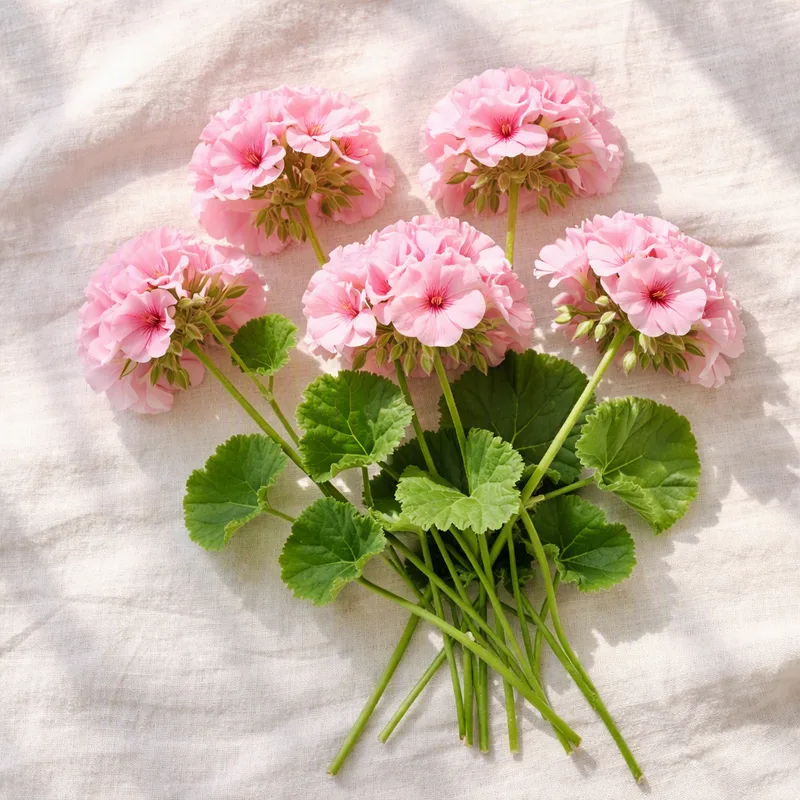
Pink pelargoniums need three things: sun, drainage and a frost-free winter. Plant out in late May, using pots with holes and a gritty compost. Water thoroughly, then leave the pot to dry until the top feels dry. A weekly tomato-type feed when flower buds appear keeps the colour coming. Heights reach 25 to 50 cm.
Pelargoniums are perennial, but tender
Pelargoniums are perennial by nature, yet in Britain they are treated as tender plants. Frost kills them, so you bring pots inside in autumn or take cuttings. Done well, a plant can live for years, becoming woody and large. Many gardeners keep a favourite pink for a decade.
The 'Pink Spice' puzzle
If you searched for a pale pink geranium called 'Pink Spice', note that it is usually a hardy cranesbill, grown as a ground-cover perennial that stays outside all year. It is a different plant from the bedding pelargonium, even though both are known as geranium. Check the label for Pelargonium or Geranium before you buy, because hardiness is the real difference.
Scent and leaf
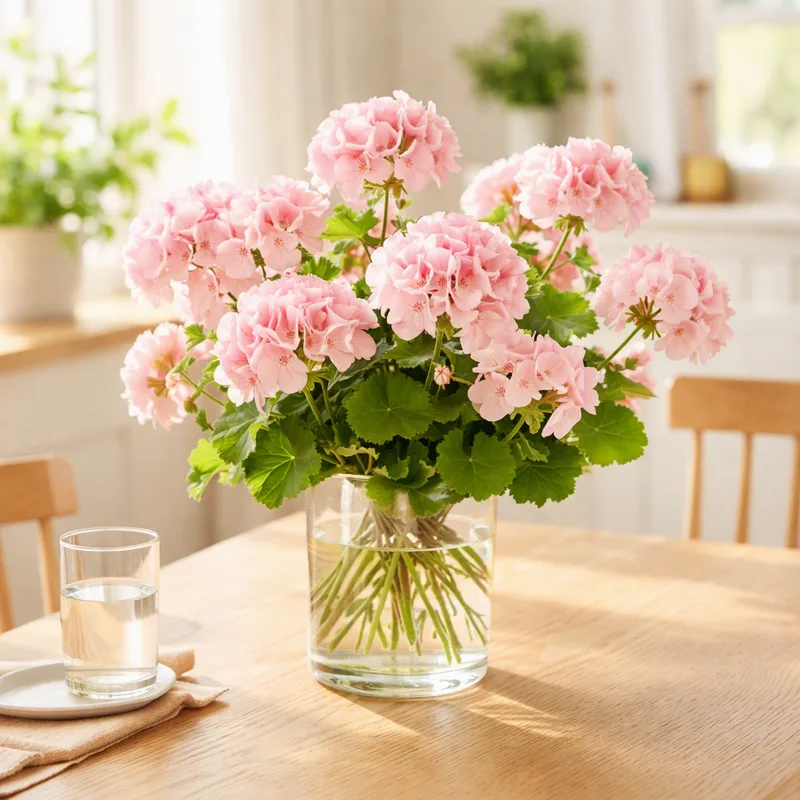
Some pelargoniums are grown for scented leaves smelling of rose, lemon or mint. Flowers on those types tend to be small, while the standard pink zonals have showy, round heads.
A word on safety
The ASPCA lists pelargonium as toxic to dogs, cats and horses, naming geraniol and linalool. Vomiting, appetite loss, low mood and skin irritation have been recorded. Place pots out of reach of pets that chew.
Meanings of the flower vary between sources, so the bright pink geranium is best enjoyed for its looks.