

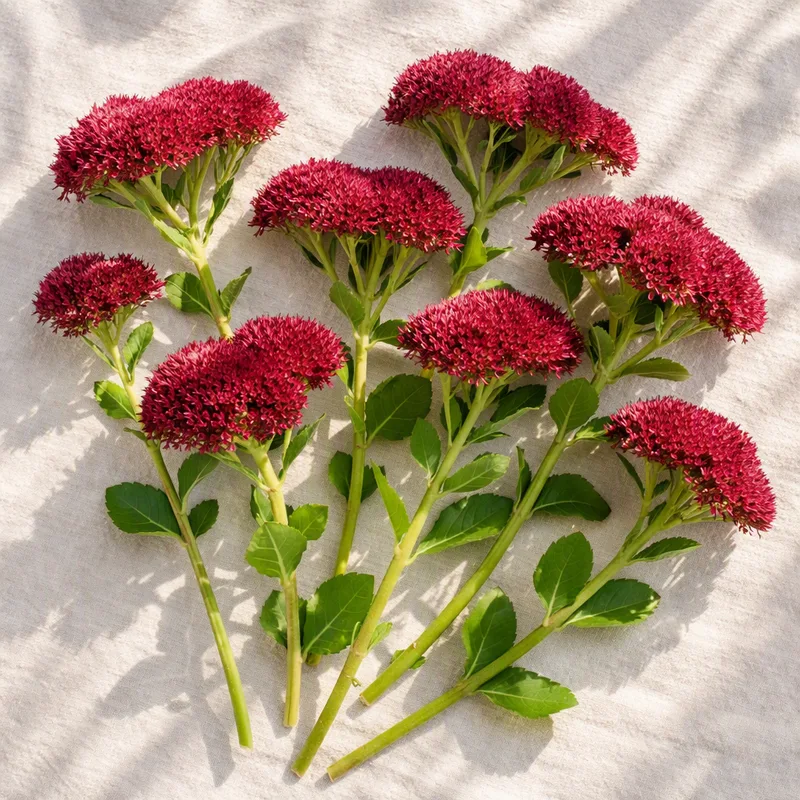
Sedum with a new name
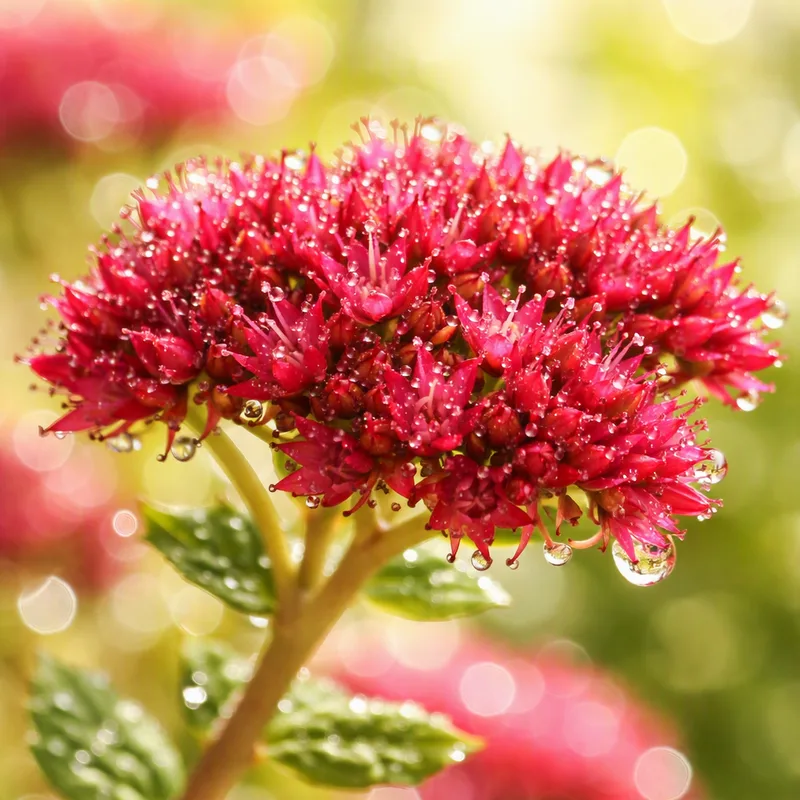
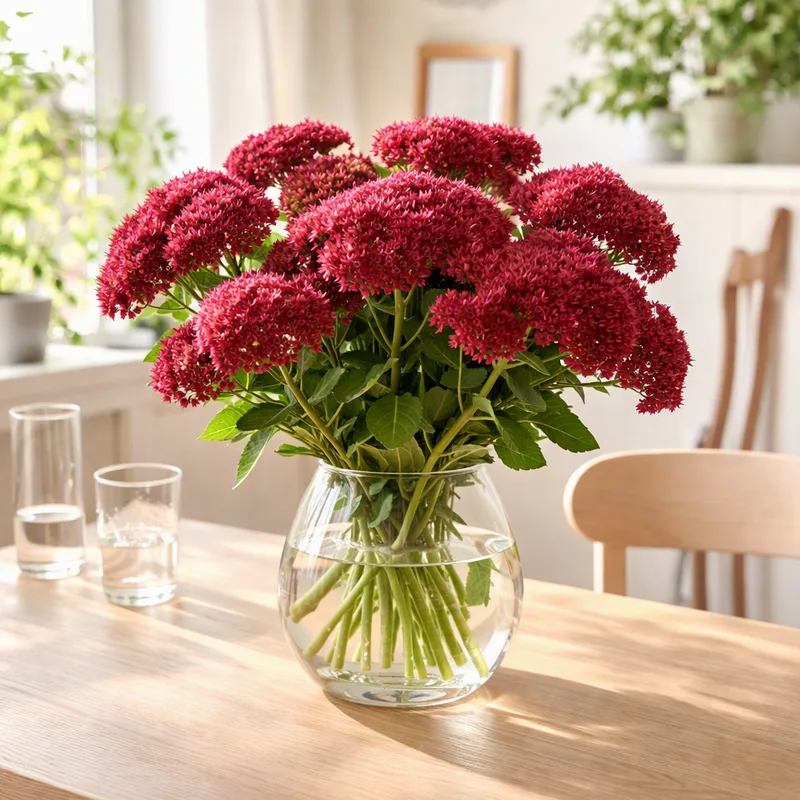
Most of the tall, flat-headed plants sold as sedum in garden centres have been moved by botanists to the genus Hylotelephium, though many catalogues still use the old name. The wild relative in Britain is orpine, Hylotelephium telephium, a fleshy perennial found on hedge banks and woodland edges. Its old country names include livelong, a nod to how long cut stems stay fresh.
A late nectar source
From late August the broad flower heads open and attract bumblebees, honeybees, hoverflies and butterflies such as red admirals, peacocks and small tortoiseshells. Leaving the dry seedheads standing over winter gives shelter to insects and looks handsome on frosty mornings.
Tried and tested choices
- 'Herbstfreude' (Autumn Joy) opens pale green, turns pink and then coppery red, and has the RHS Award of Garden Merit.
- 'Matrona' has grey-purple stems and soft pink flowers.
- Compact selections suit pots and the front of a border.
Easy care
Plant in full sun in well-drained soil, which can be poor. Too much feeding and shade makes the stems flop open in the centre. Stonecrops handle drought well and rarely need watering once established. Cut stems back in early spring, and divide clumps every few years if the middle thins out. Slugs sometimes nibble young growth in spring.
Sedum is also used on green roofs on British buildings because it copes with thin soil and drought.
Pets: The ASPCA has no entry for this exact plant, so treat it as untested and discourage pets from chewing it.