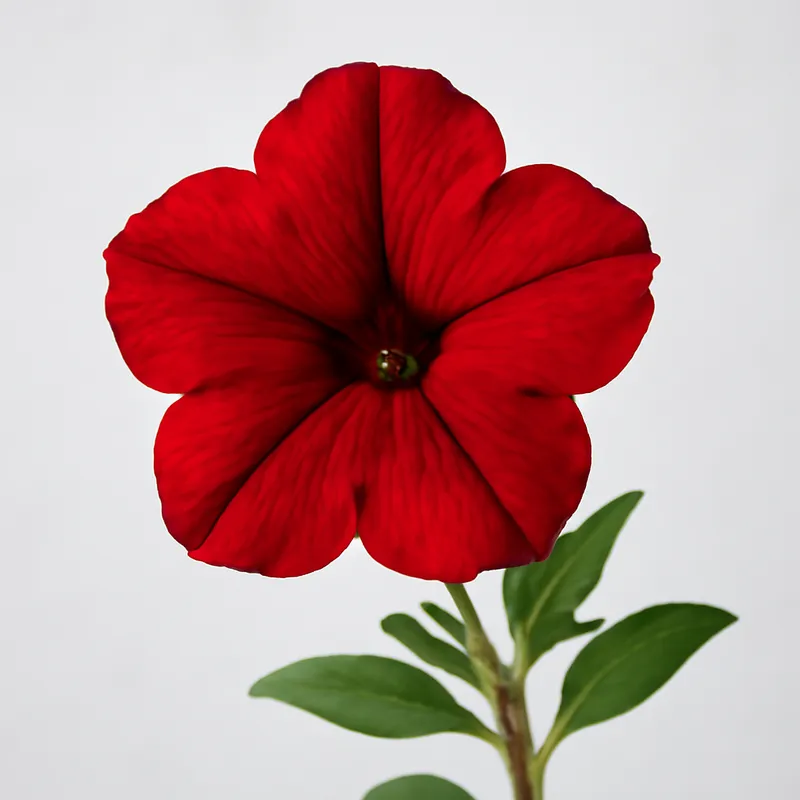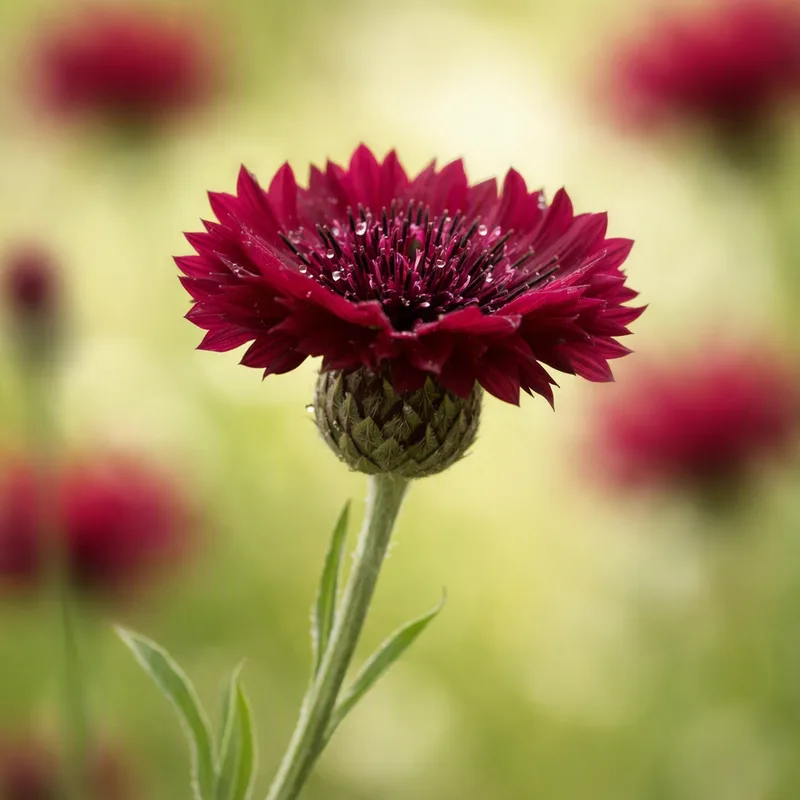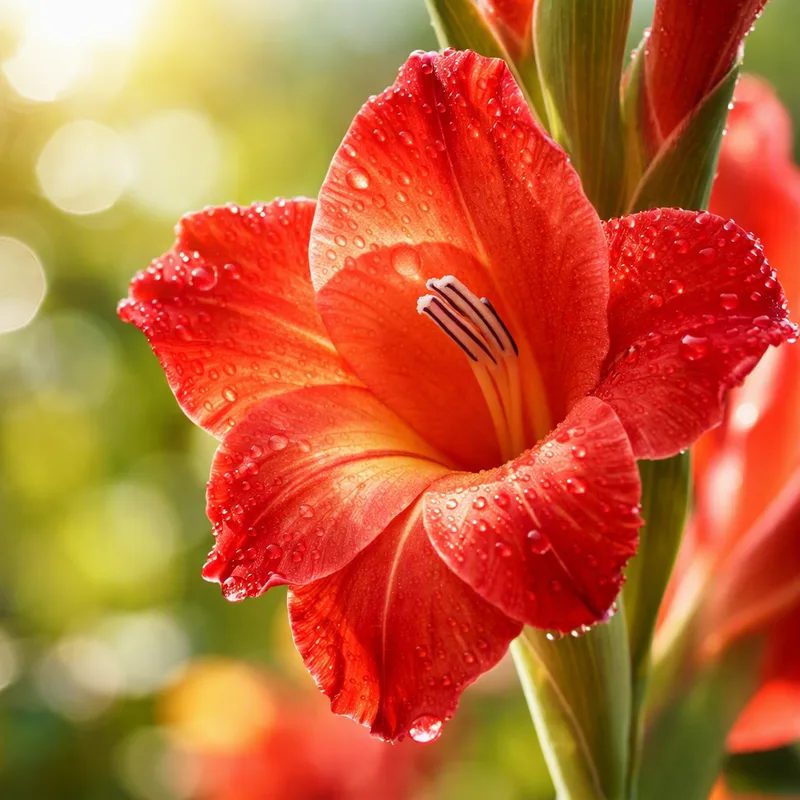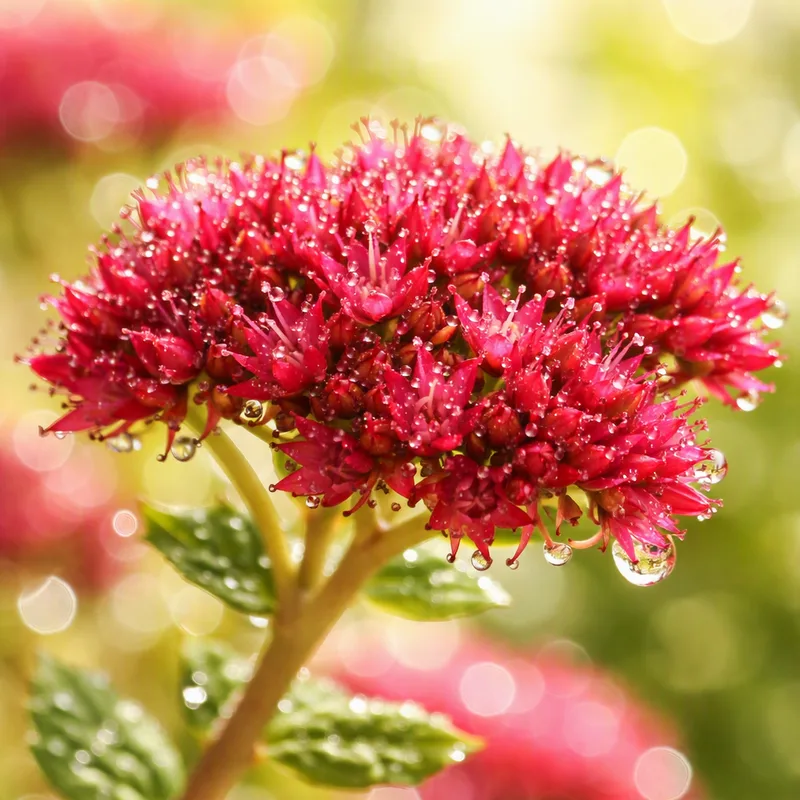
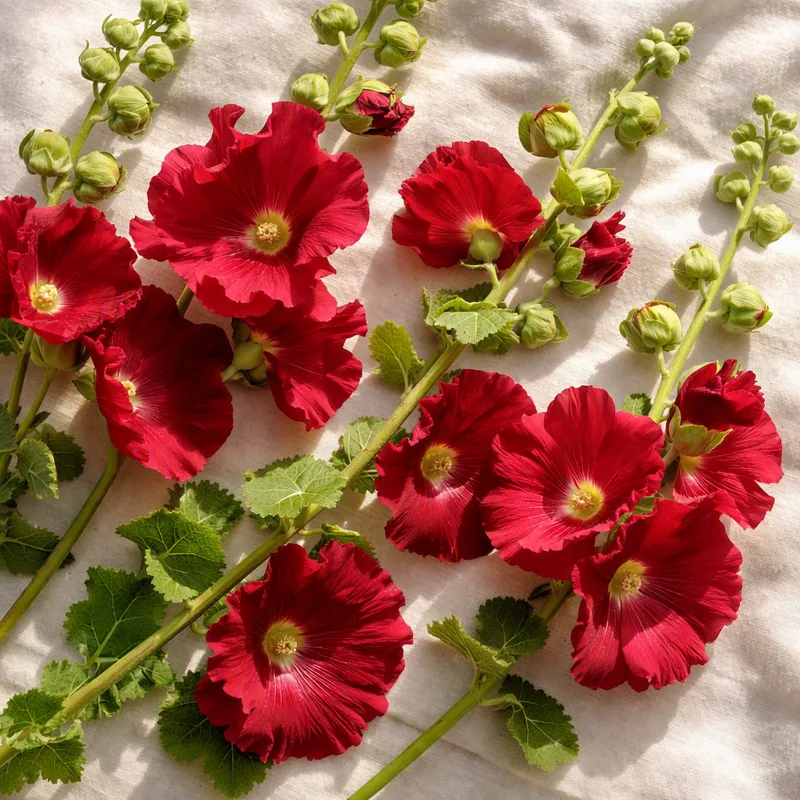
Red, crimson and maroon
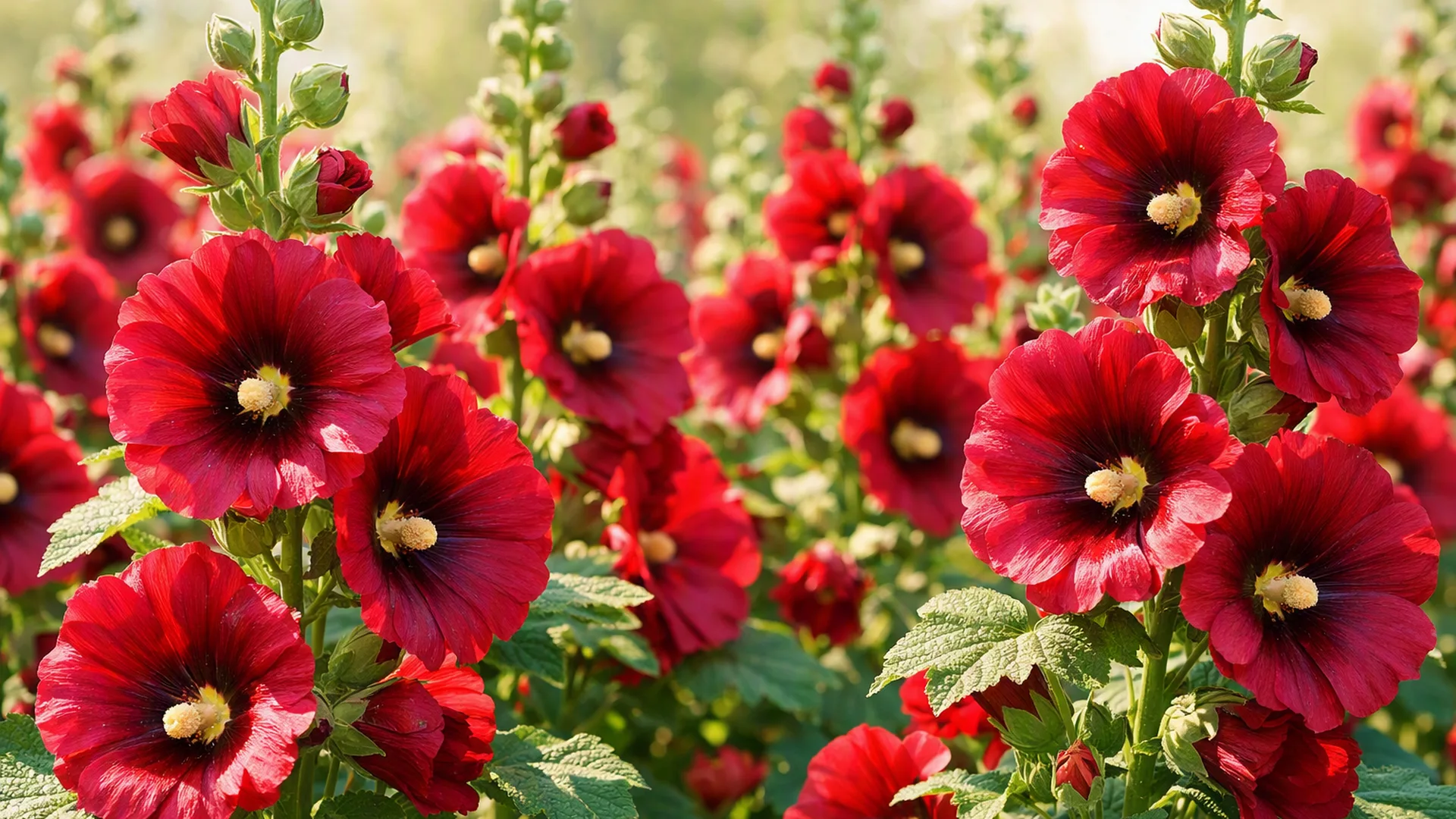
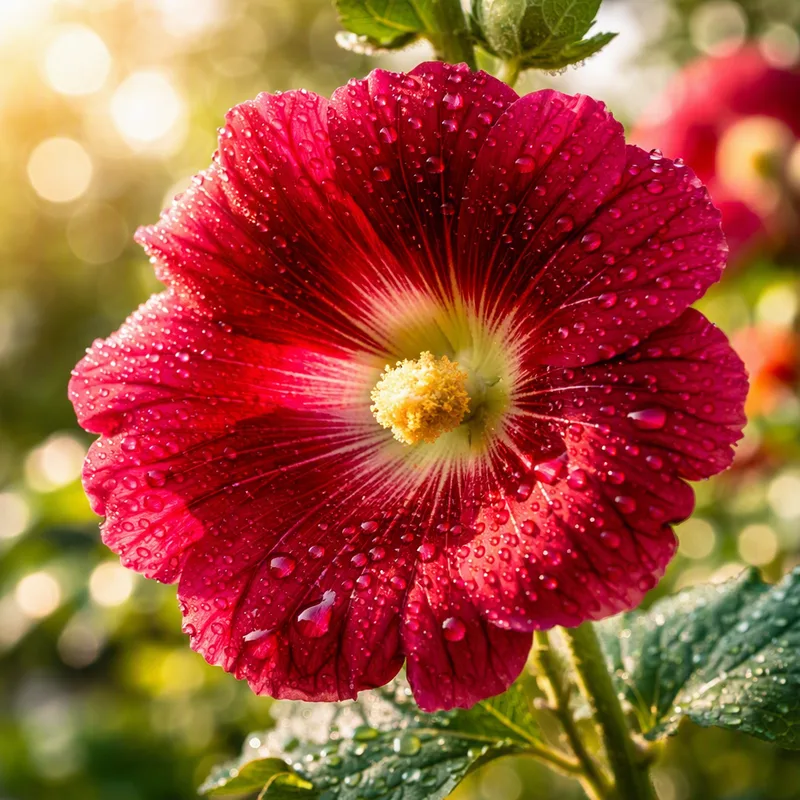
Hollyhocks come in a long list of colours, and red is among the most striking in a sunny border. Seed catalogues sell single colours and mixtures, so a red strain is the safest route to a red display. Very dark maroon forms exist too, and in sunshine they can look close to black, so check the description before you buy.
Why they run into trouble
The main problem with red hollyhocks is the same as with every other colour: rust. This fungal disease marks leaves with orange pustules and can weaken plants after a wet spring. The RHS recommends:
- removing heavily infected leaves through the summer,
- collecting dead and diseased tissue at the end of the season,
- replacing plants after a few years.
Good air movement helps, so avoid planting them hard against a damp wall with no gap. Slugs and caterpillars attack young plants, and flea beetles can chew leaves too.
Keeping the colour going
Because hollyhocks self-seed, the offspring of a red plant may come back in other shades. Lift the seedlings you like while they are small and move them to a better position. If you want to maintain a pure red line, remove any seedlings with the wrong colour as soon as they flower.
Supporting tall stems
A stem that reaches well over head height needs help. Tie it loosely to a bamboo cane at several points, and choose a spot sheltered from strong gusts.
The ASPCA lists the hollyhock as non-toxic to dogs, cats and horses, so a red spire in the garden is not a worry for pets.