

Classic Pansy
Classic pansy is one of our most beloved garden flowers, adorning flower beds and pots with its charming faces. With its botanical name Viola tricolor var. hortensis, this variety represents a refined version of the wild pansy that has grown naturally in nature for centuries.
A Flower with Personality
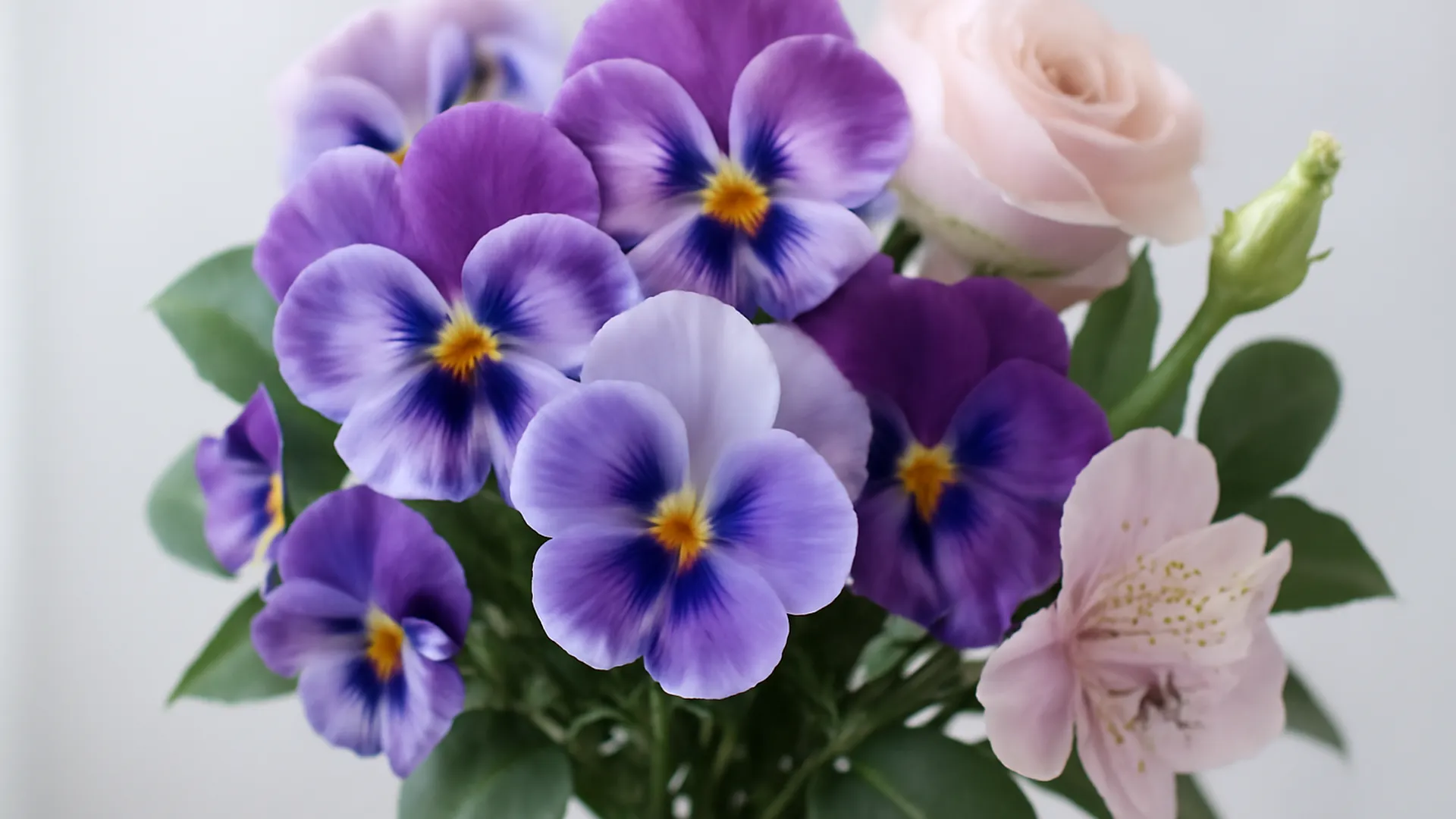
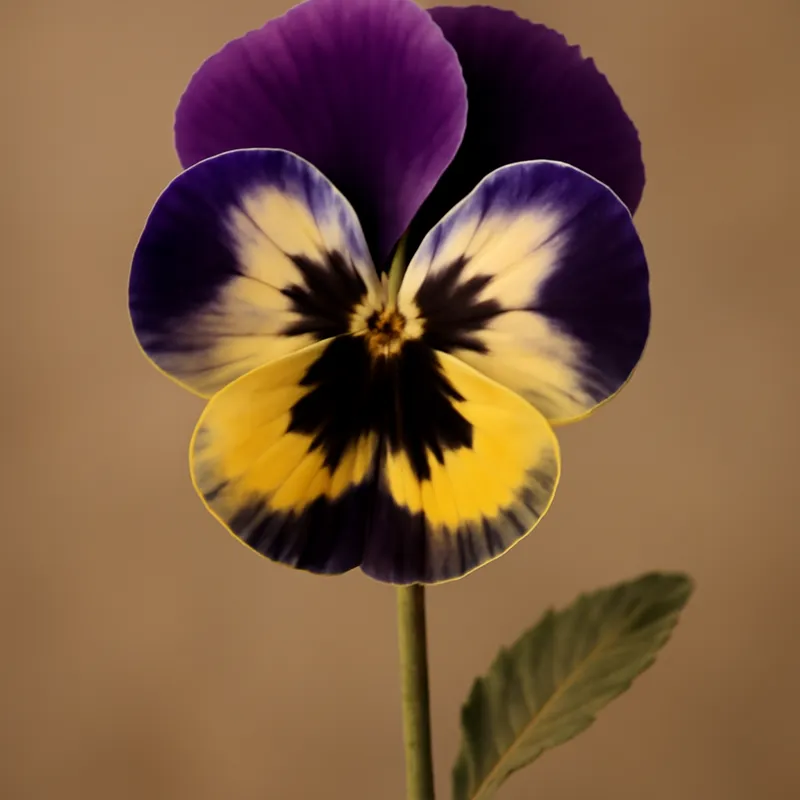
What makes the classic pansy so special is its characteristic flowers that resemble tiny faces. Each bloom has five petals in harmonious colour combinations of purple, yellow and white, often with dark markings that give them their unique expression. The flowers are typically 2-3 centimetres in diameter and sit on short stems above the green foliage.
Growth and Appearance
Classic pansy forms compact, low bushes that reach approximately 15-20 centimetres in height and spread. The leaves are oval to heart-shaped with serrated edges and have a fresh green colour. The plant has a dense, clumping growth habit that makes it perfect for edging and as a filler plant in flower beds.
Flowering and Season
One of the classic pansy's greatest advantages is its long flowering period. Blooming begins early in spring and often continues well into autumn, especially if you regularly deadhead spent flowers. The plant thrives best in cooler weather and can even flower through mild winters in sheltered locations.
Planting and Position
Classic pansy prefers a sunny to partially shaded spot with well-draining, nutrient-rich soil. The plant is relatively undemanding but gives best results in soil that is kept evenly moist without becoming waterlogged. It is excellent for planting in flower beds, borders, rock gardens and various types of containers.
Care During the Season
Regular watering is important, especially during dry periods. Classic pansy appreciates consistent moisture but cannot tolerate standing water. By removing spent flowers, you stimulate the plant to produce new buds, which significantly extends the flowering period.
Overwintering and Renewal
In many cases, classic pansy is treated as an annual, but it can actually survive mild winters and flower again the following year. In colder climates, the plant can be protected with conifer branches or horticultural fleece. Many gardening enthusiasts, however, prefer to sow new plants each year to ensure abundant flowering.
Garden Combinations
Classic pansy works beautifully alongside other spring and autumn flowers. It complements primulas, daisies and forget-me-nots wonderfully in spring, whilst in autumn it harmonises well with heather, ornamental cabbage and chrysanthemums. Its compact size also makes it ideal as underplanting for taller plants.