Classic Gerbera
Classic Gerbera is one of our most beloved ornamental plants, renowned for its large, colourful flowers that resemble sunflowers in miniature form. This charming plant from the daisy family originates from tropical regions of Africa and Asia, but has become a popular choice worldwide thanks to its striking blooms and relatively easy care requirements.
Characteristics of the Gerbera
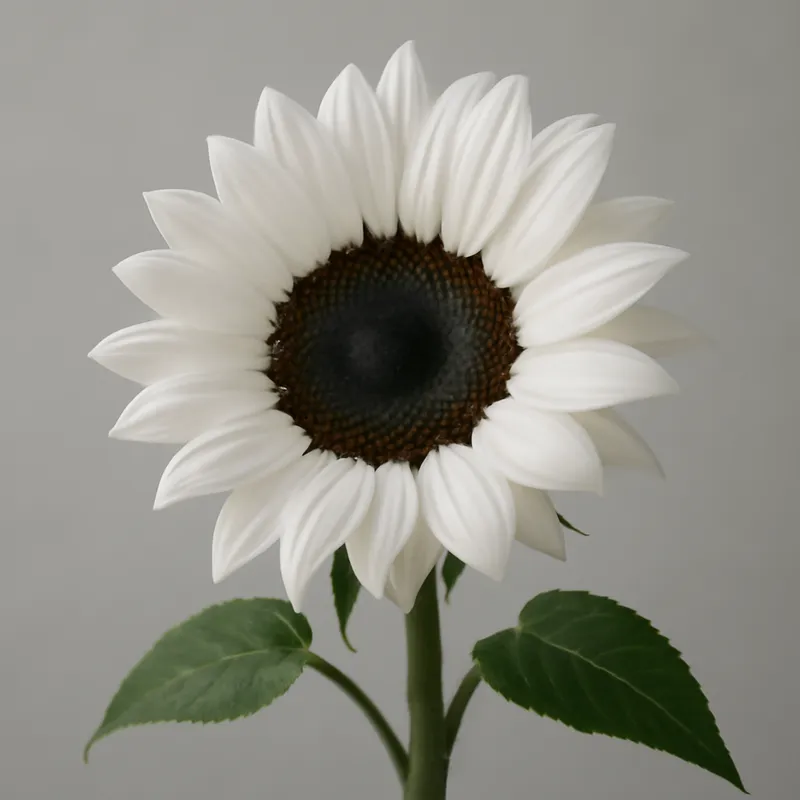
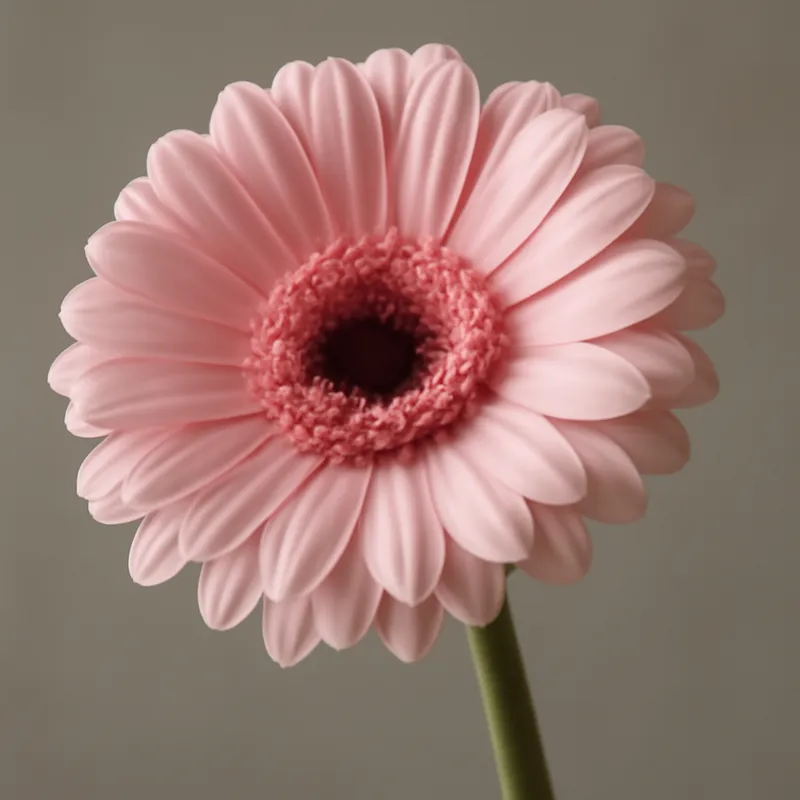
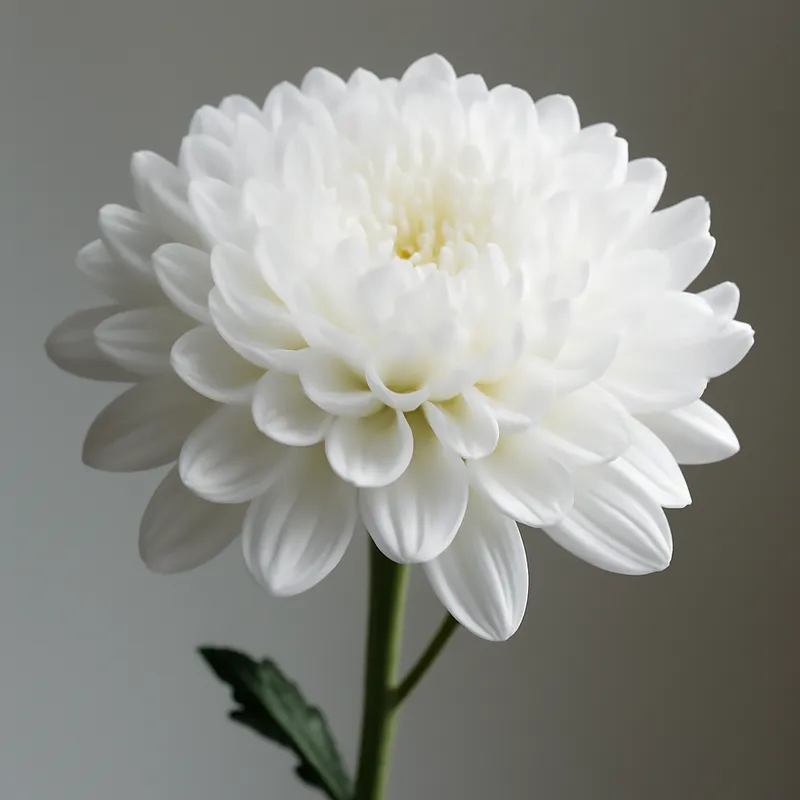
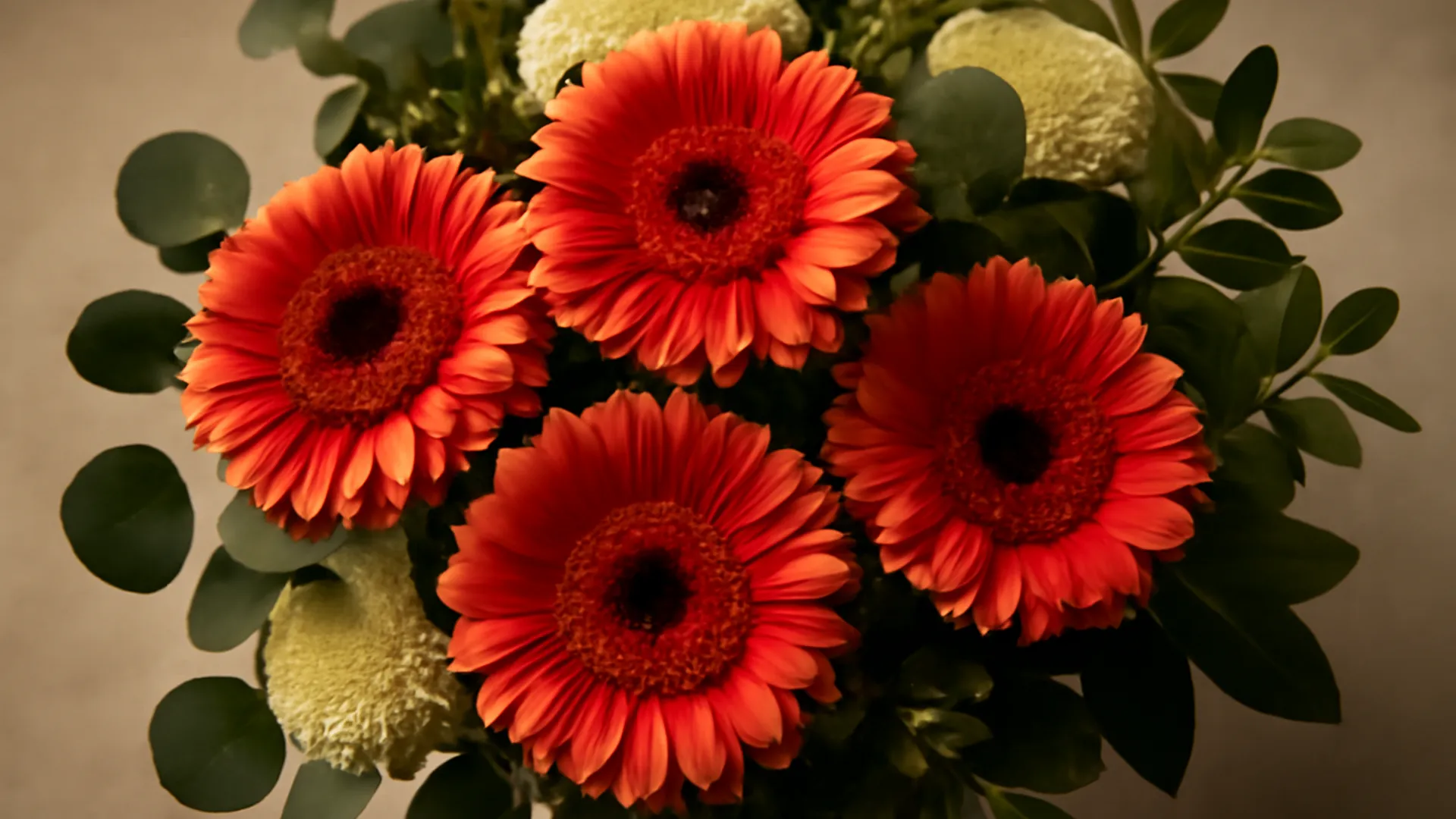
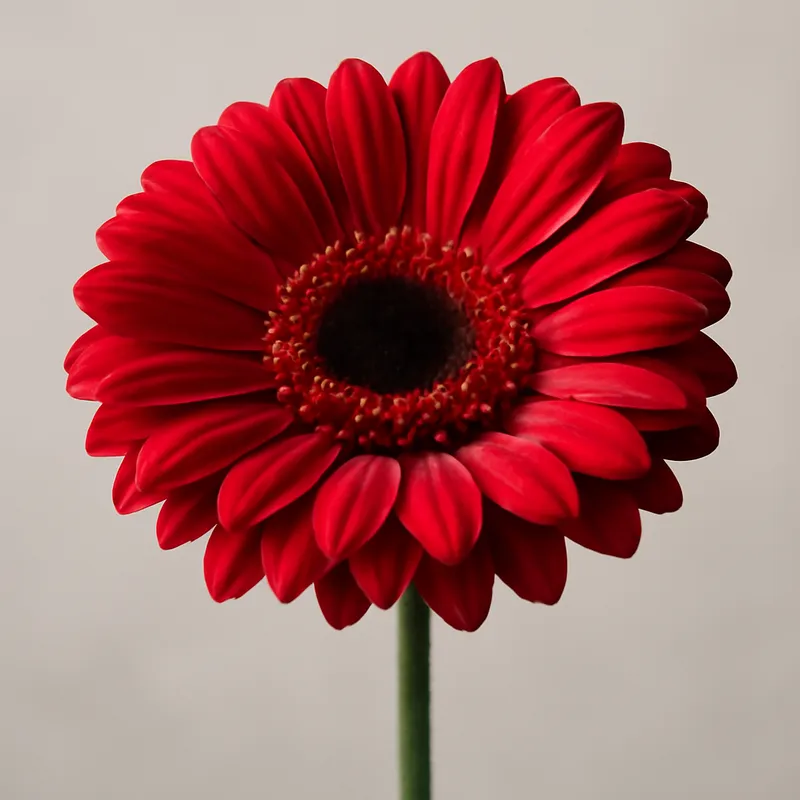
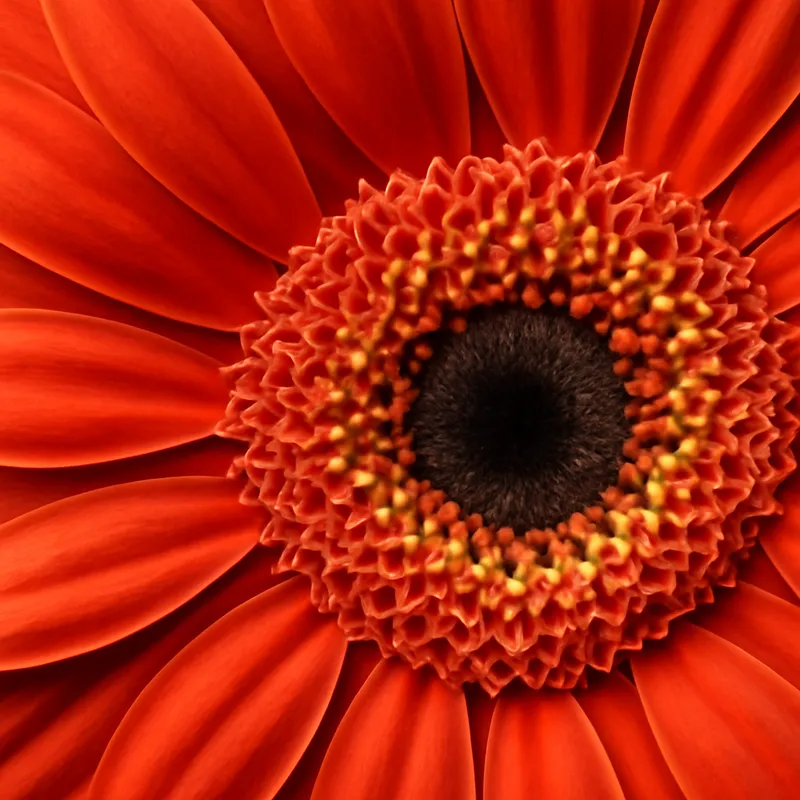
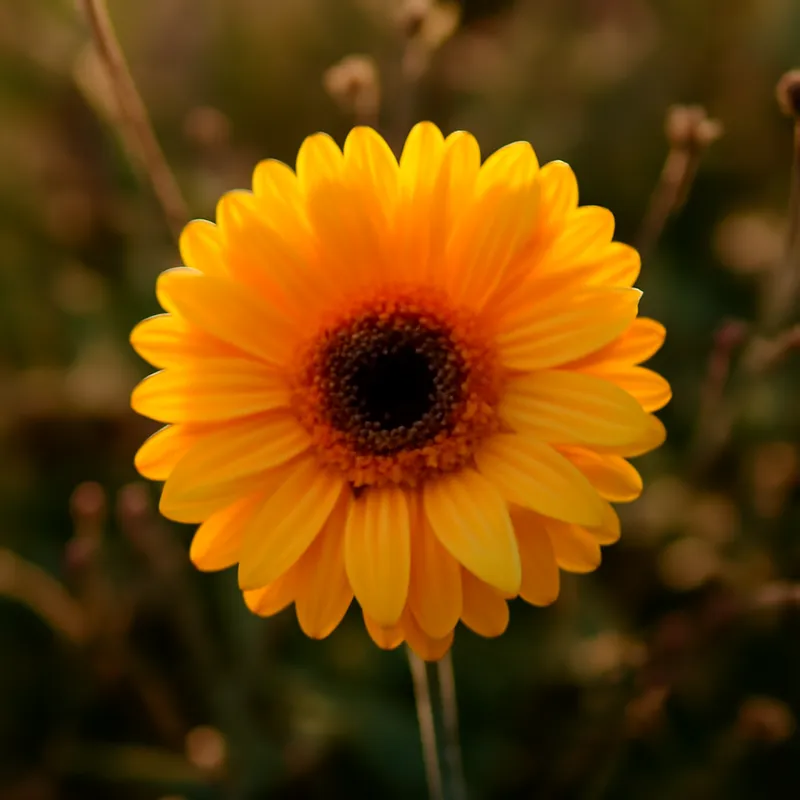
The classic Gerbera is distinguished by its large, daisy-like flowers, which can measure anywhere from 8 to 12 centimetres in diameter. The blooms come in a fantastic palette of colours – from deep reds and orange tones to soft pinks, yellows and whites. The leaves are green, slightly downy and form a rosette at ground level.
Growing and Planting Gerbera
Gerbera thrives best in well-draining soil with good permeability. Choose a location with plenty of light but avoid direct sunlight during the hottest hours of the day. As a potted plant, it performs excellently on balconies and patios where it can receive morning or evening sun. Plant Gerbera in spring once the risk of frost has passed, or grow it as an indoor potted plant year-round.
Watering and Feeding for Optimal Growth
Regular but moderate watering is the key to success with Gerbera. The soil should be kept slightly moist but never waterlogged, as overwatering easily leads to root rot. Water preferably at the base and avoid getting water on the leaves. During the growing season, the plant benefits from regular feeding with a balanced plant fertiliser every two weeks.
Care and Maintenance Throughout the Season
To encourage continuous flowering, it is important to regularly remove faded flowers. Cut off the entire flower stem down to the base once the bloom begins to fade. This stimulates the plant to produce new buds. Also watch out for yellowing or damaged leaves, which should be removed to prevent disease.
Overwintering and Long-term Care
In cooler climates, Gerbera is often treated as an annual plant, but it can overwinter indoors under the right conditions. Move potted plants to a bright, cool location indoors before the first frost. Reduce watering during winter but do not allow the soil to dry out completely. With proper care, Gerbera can flower for several years, bringing you joy season after season.
Why Choose Classic Gerbera
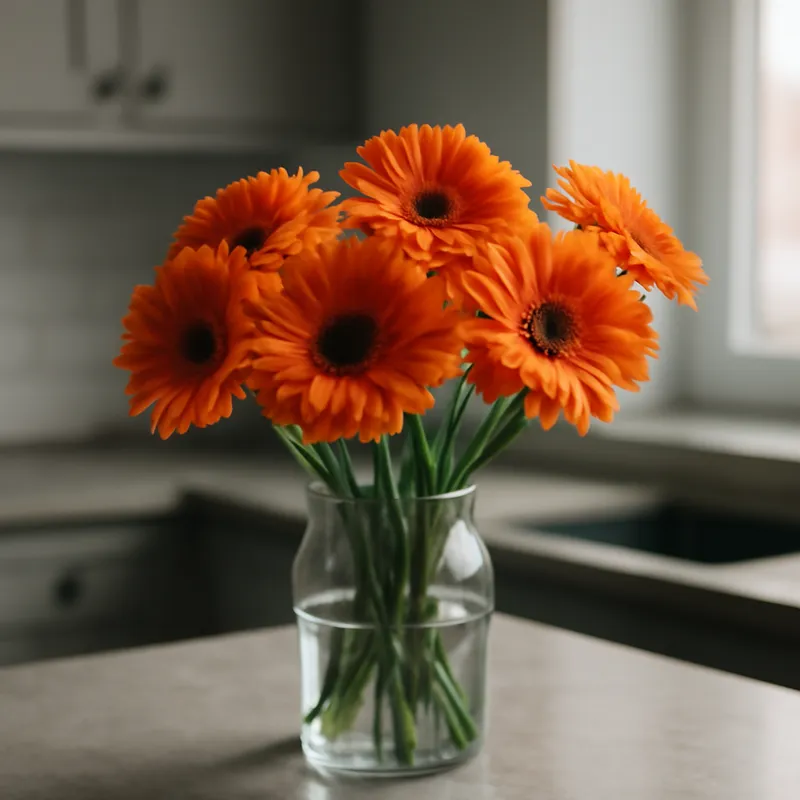
Classic Gerbera is an excellent choice for both beginners and experienced gardening enthusiasts. Its long flowering period, from early summer to late autumn, makes it a reliable splash of colour in the garden. As a cut flower, Gerbera also lasts well in a vase, making it popular for bouquets and arrangements.