The plant with the white sail
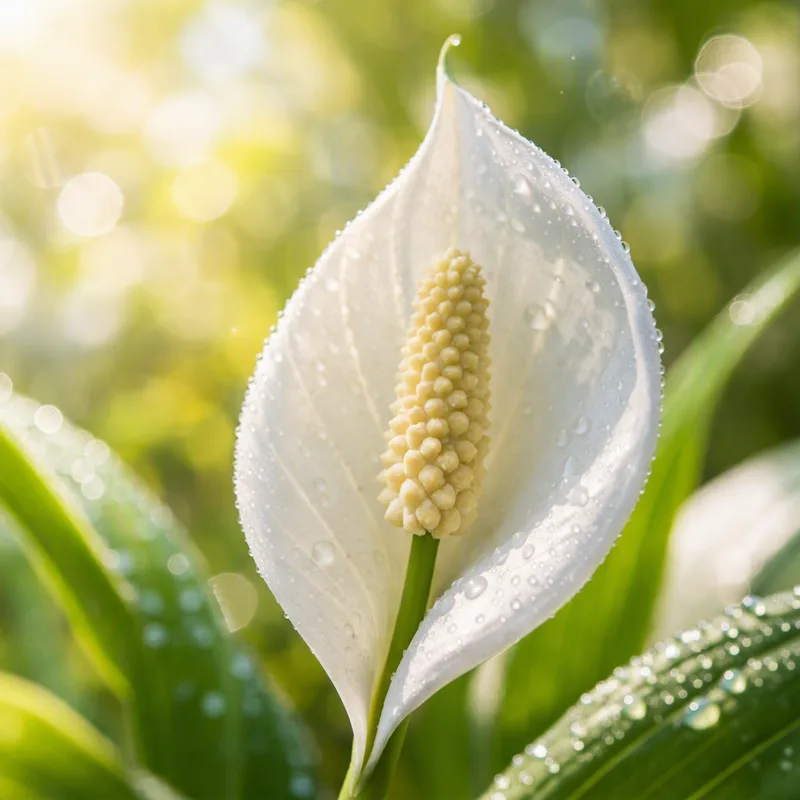
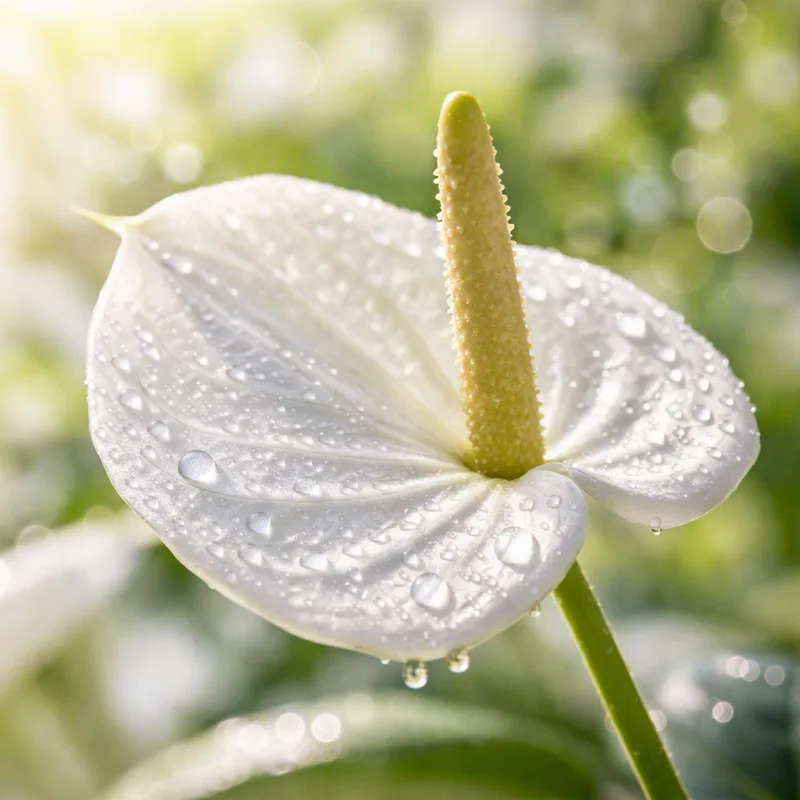
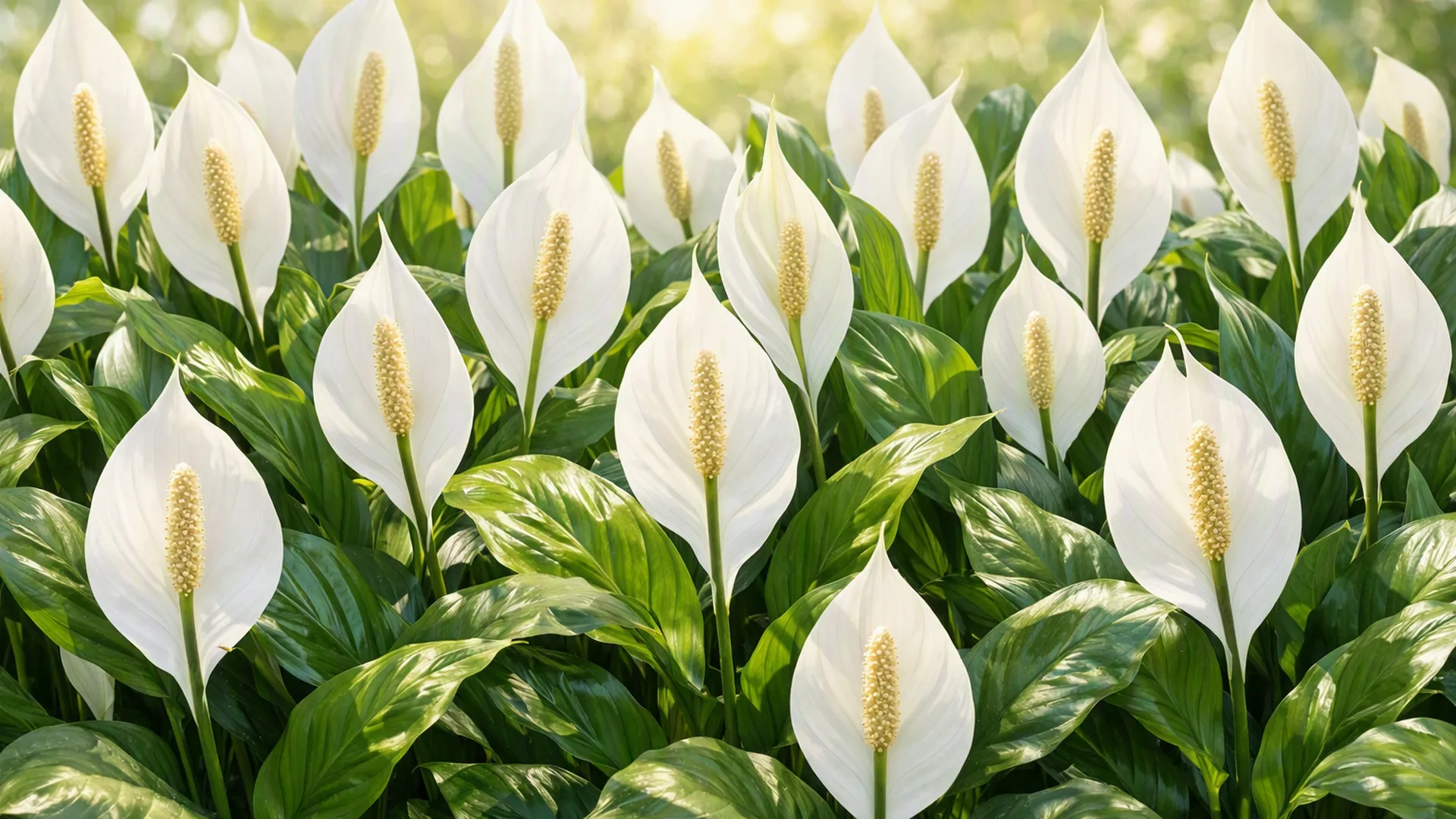
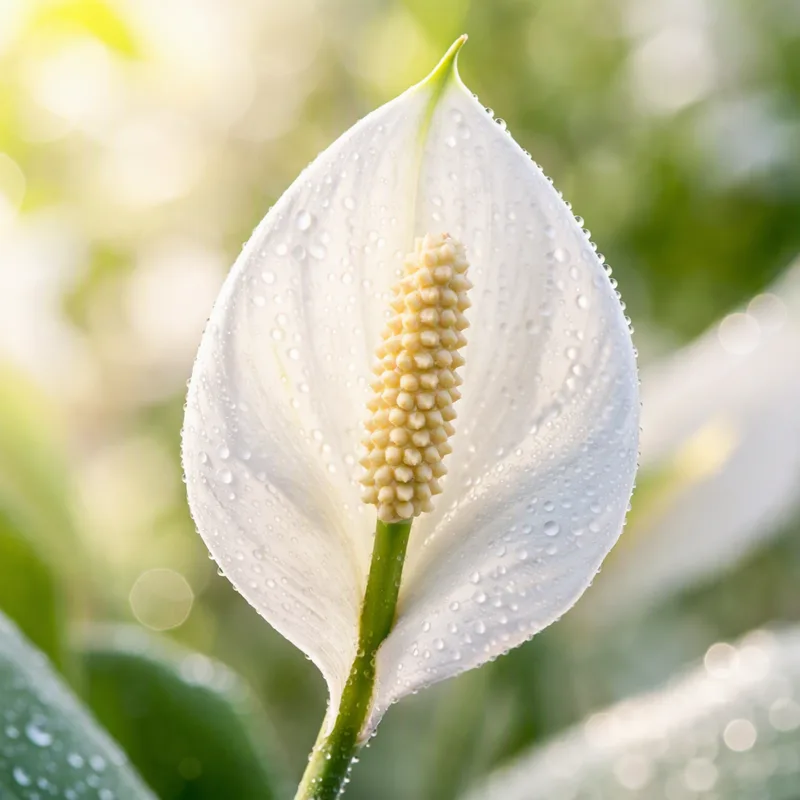
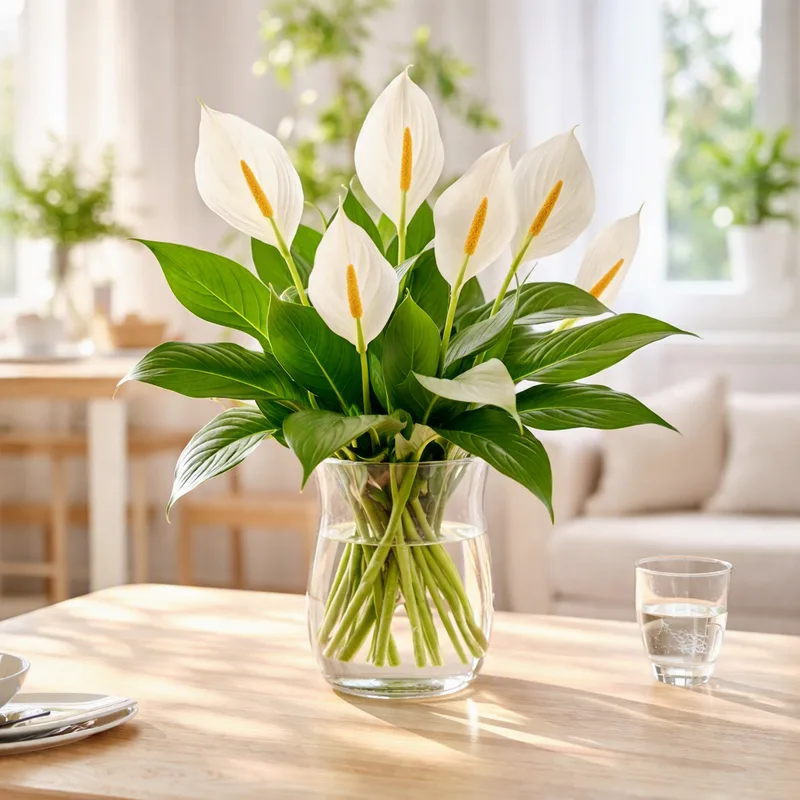
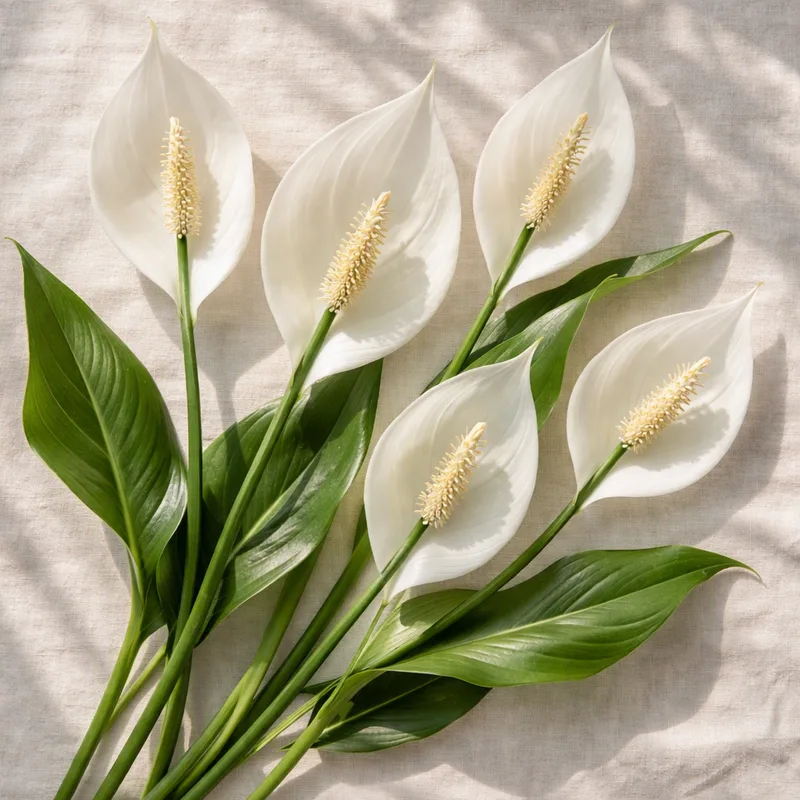
Every peace lily carries a white or greenish-white spathe above glossy dark foliage. The contrast is why it is such a common houseplant. A single plant on a table looks tidy, calm and uncluttered, which may be why it is a regular choice for sympathy gifts and for the entrances of offices.
What does the name suggest?
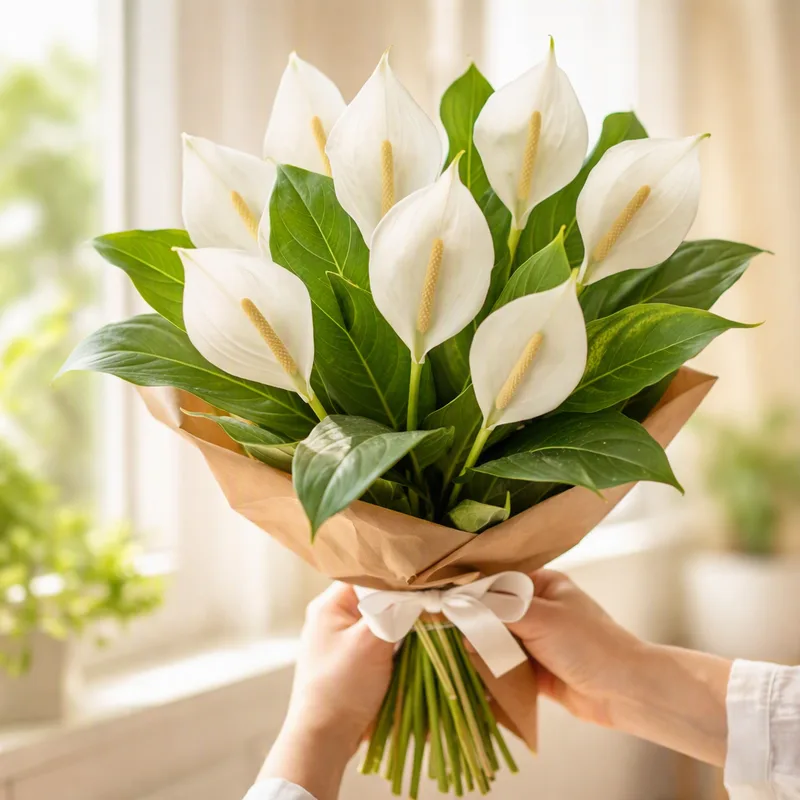
The common name points to peace, and the white spathe looks a little like a flag of truce. People often give it to mark a bereavement or a fresh start. As with all plant symbolism, this is custom rather than botany, and no authority sets rules about what it must mean.
White lily or white peace lily?
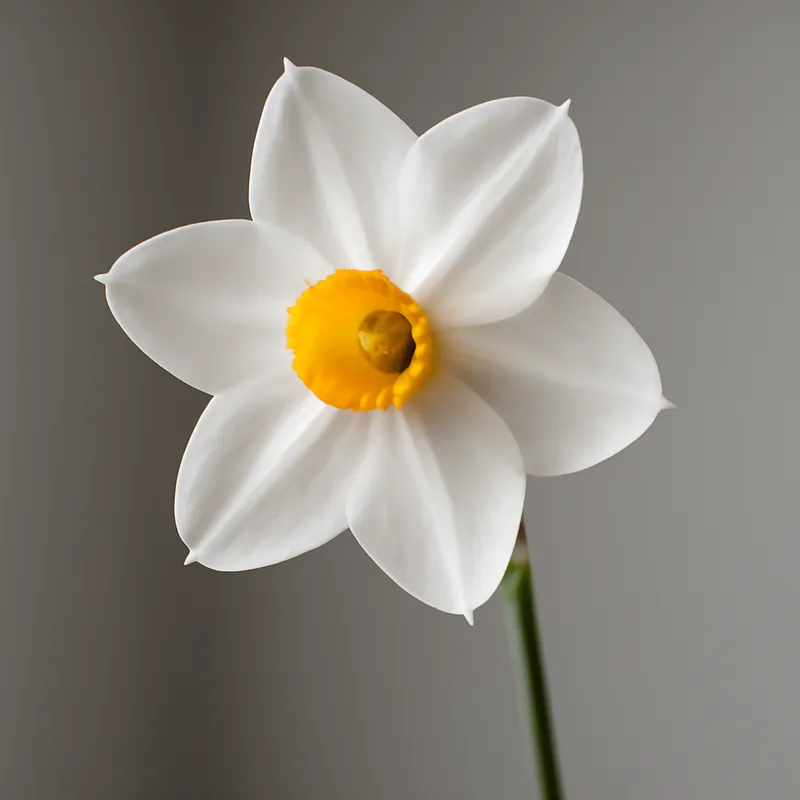
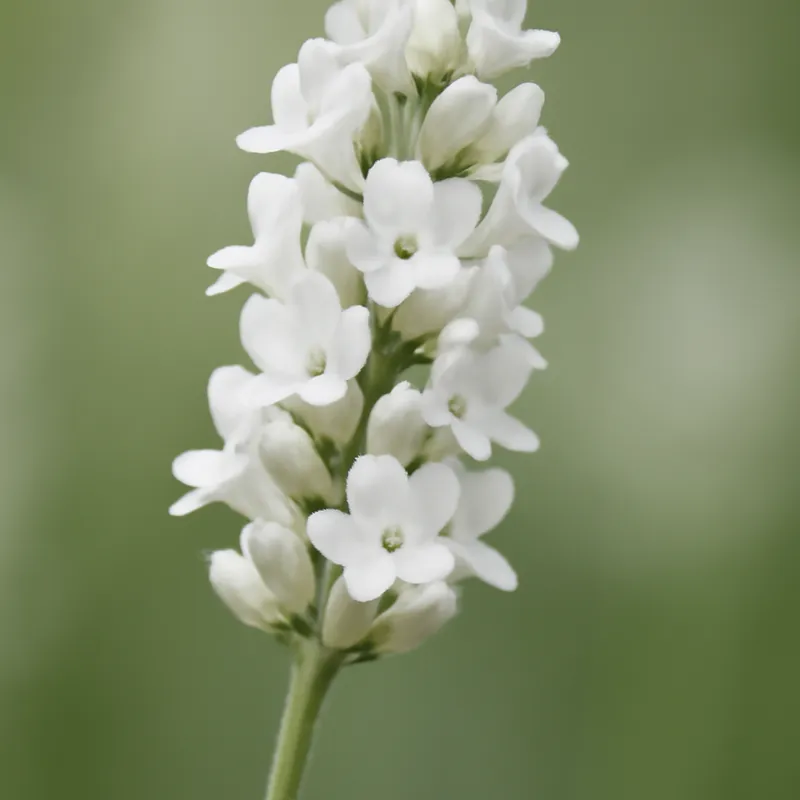
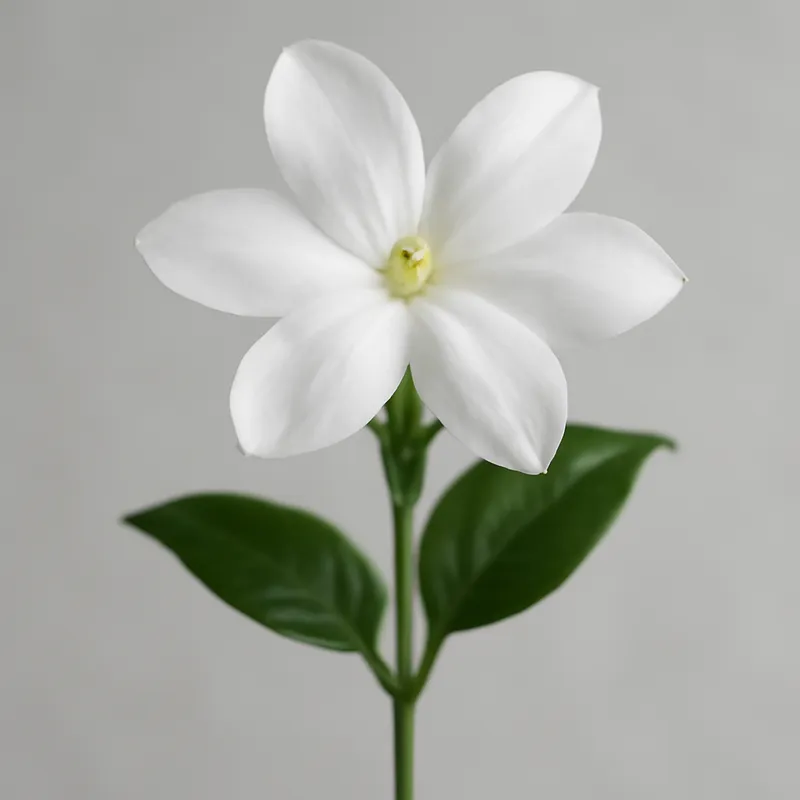
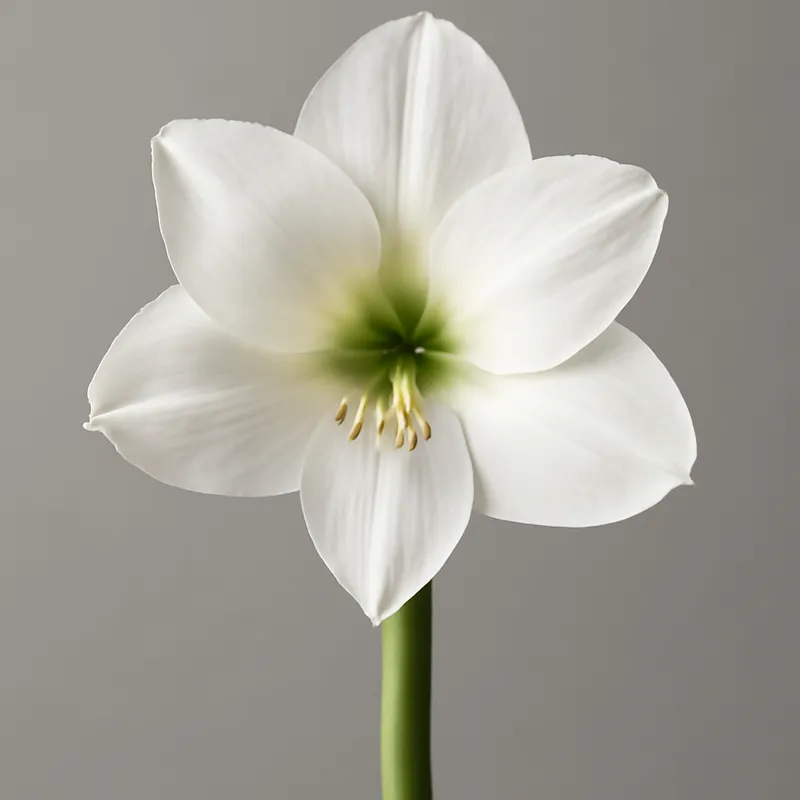
Searches for "white lily" and "lilywhite flower" mix two plants up. A true white lily, such as Lilium, is a bulb with petals and is dangerous to cats. A peace lily is a leafy tropical houseplant. They differ in care, in appearance and in risk.
Keeping it flowering
- Put it in bright light out of direct sun.
- Water when the top of the compost feels dry, and empty the saucer.
- Wipe the leaves occasionally to remove dust.
- Remove a flower stalk at its base once the spathe has turned green.
A plant that never flowers is usually too dark, or too young.
Animals and children
The ASPCA says peace lily is toxic to dogs and cats because of calcium oxalate crystals, which cause burning in the mouth, drooling and vomiting. If an animal has chewed some, call your vet. For a child, NHS 111 can advise.