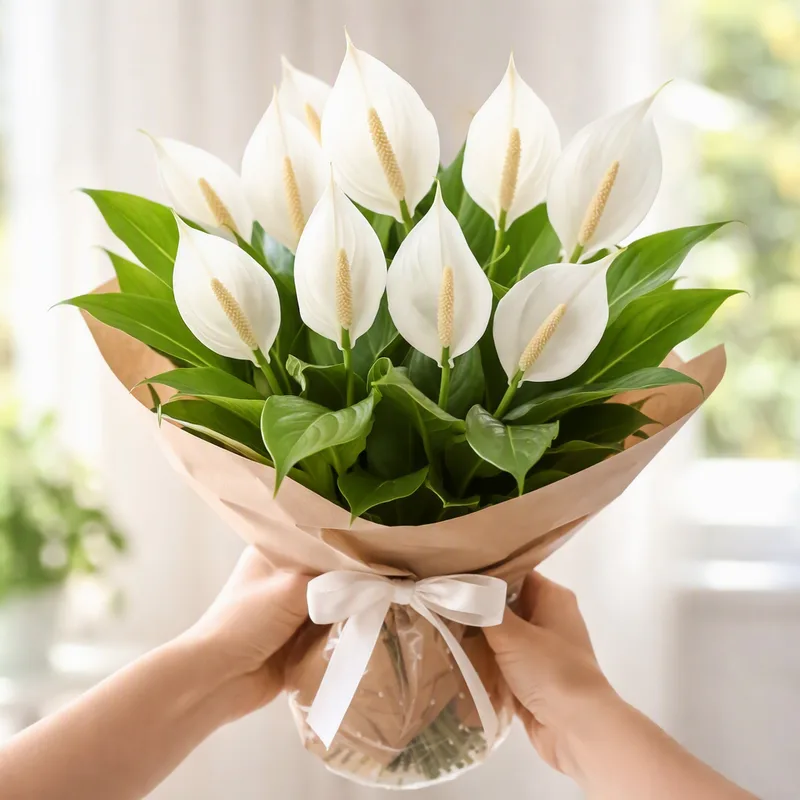
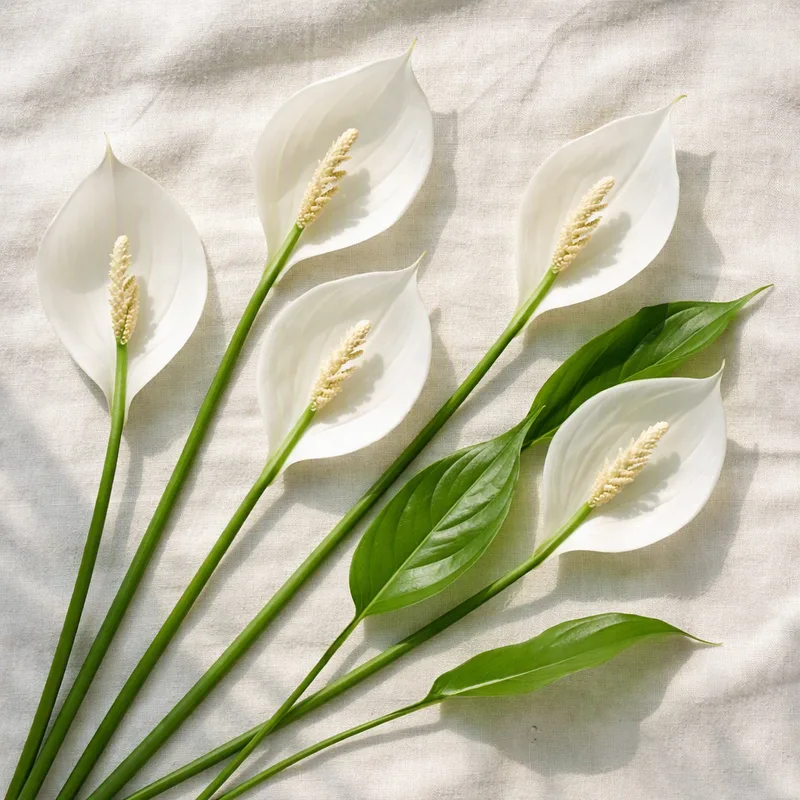
Not a lily at all
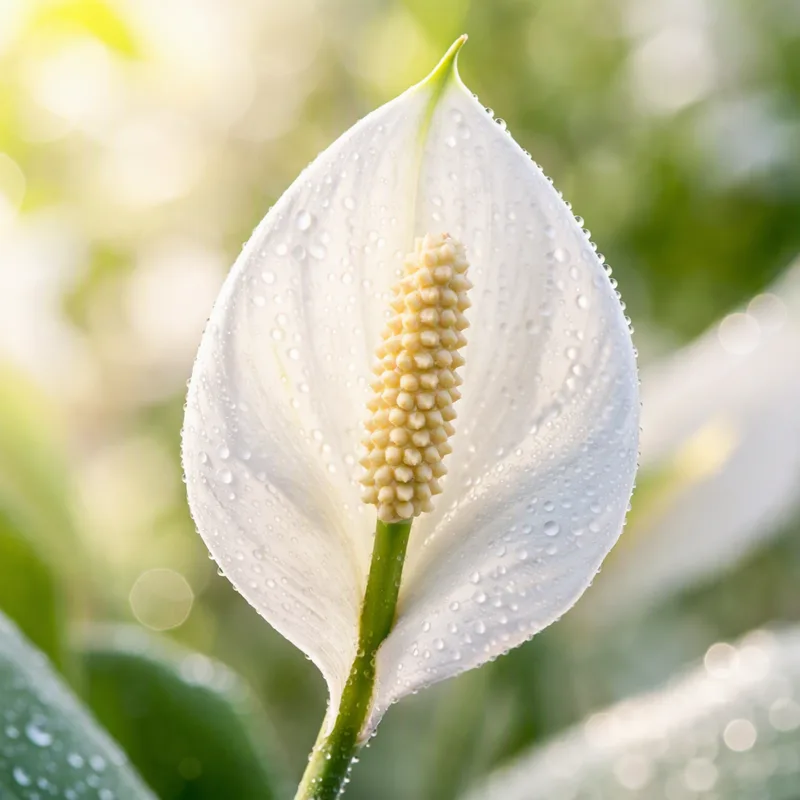
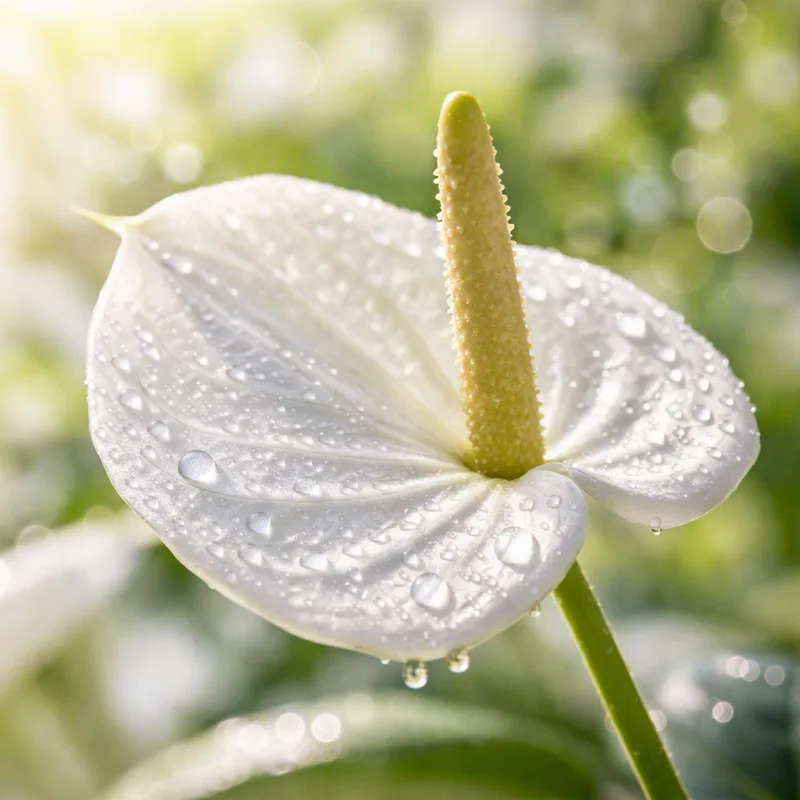
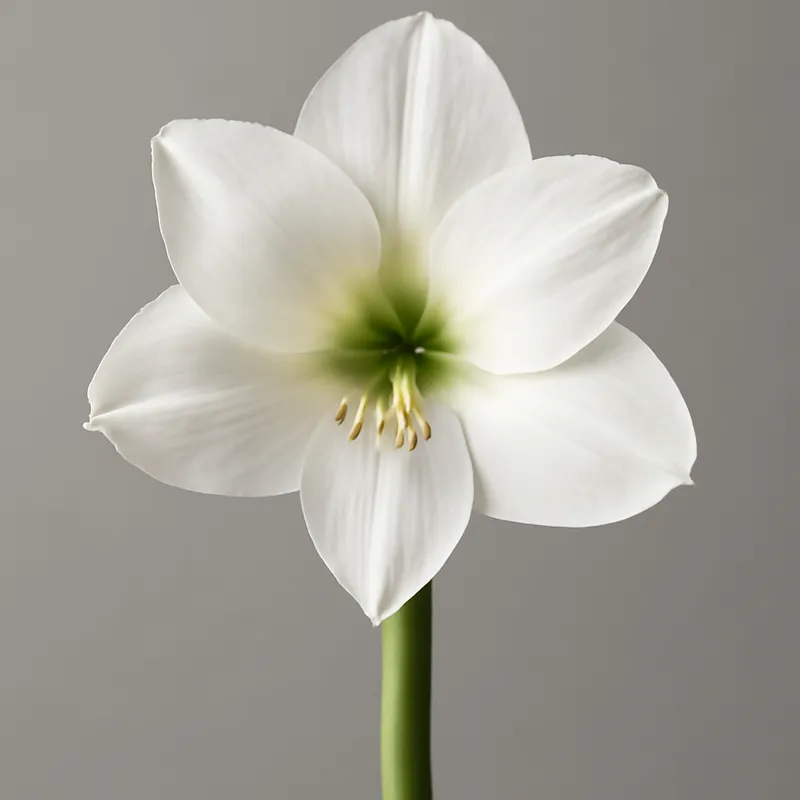
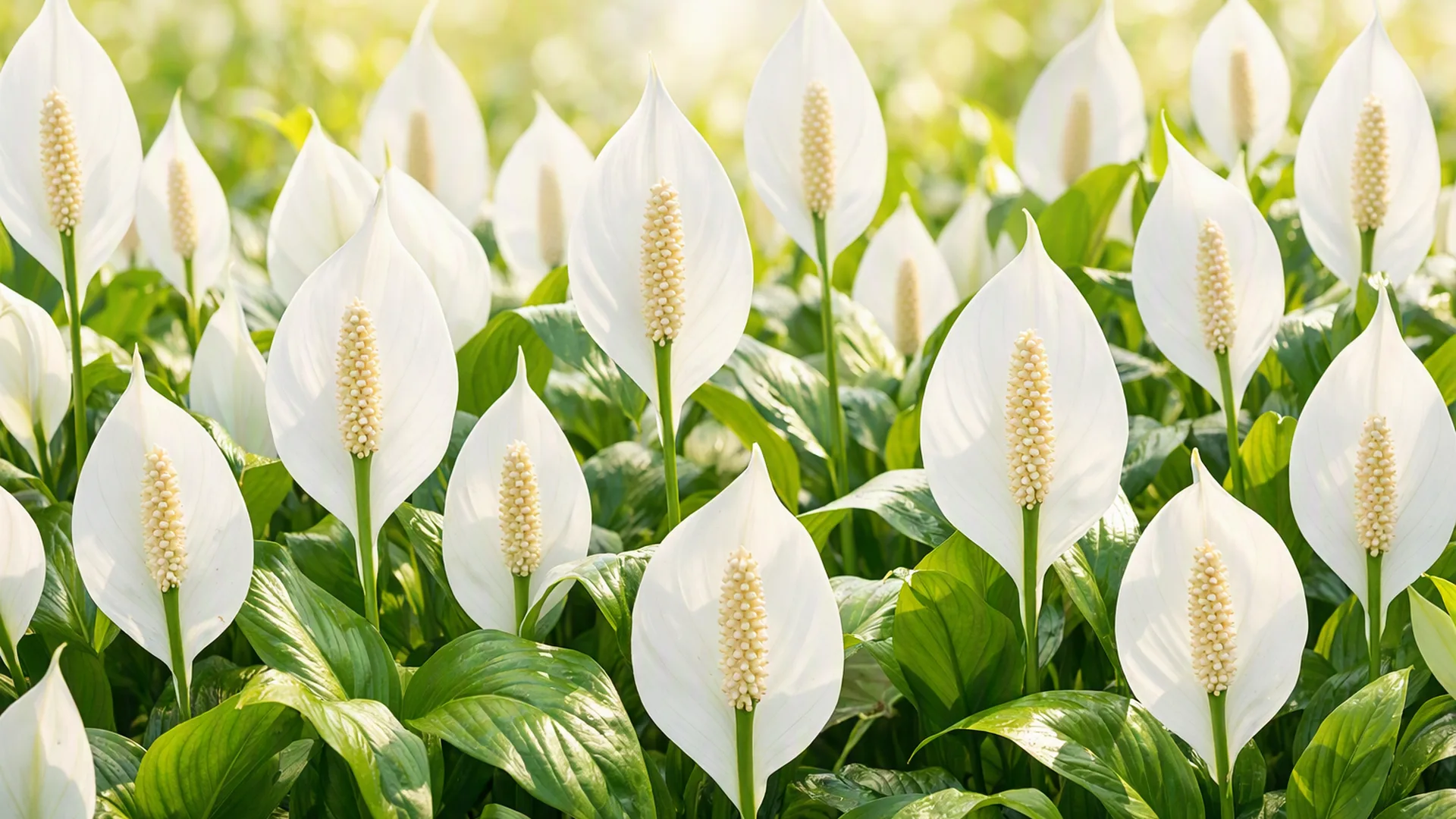
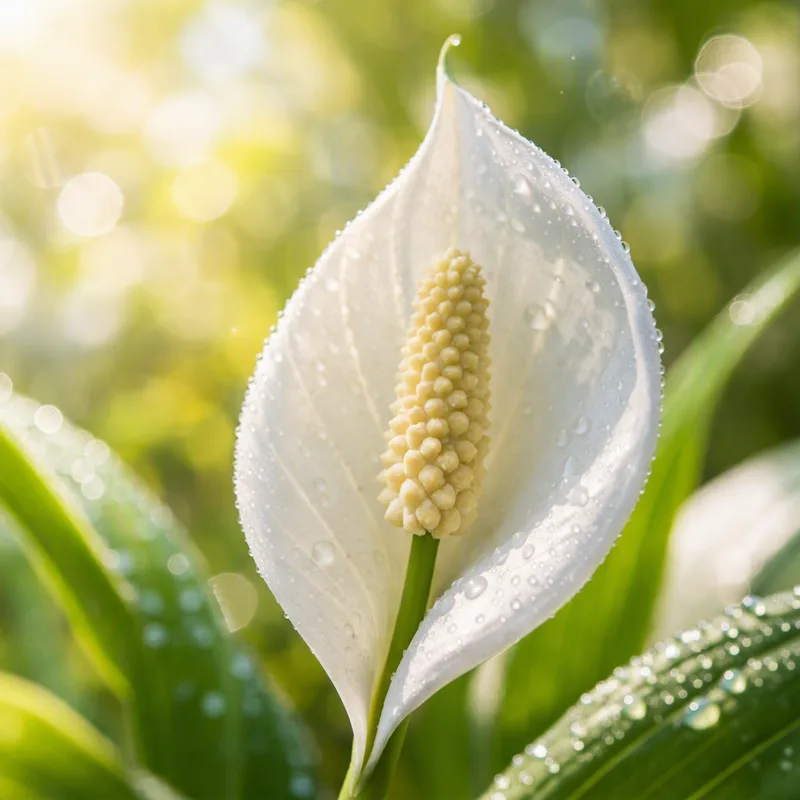
Spathiphyllum belongs to the arum family, Araceae, and is not related to true lilies (Lilium). Several dozen species grow on the forest floor in tropical Central and South America and in South-East Asia, which explains its liking for shade and humidity. The white blade is a spathe, a modified leaf, and the tiny true flowers sit on the spike in front of it.
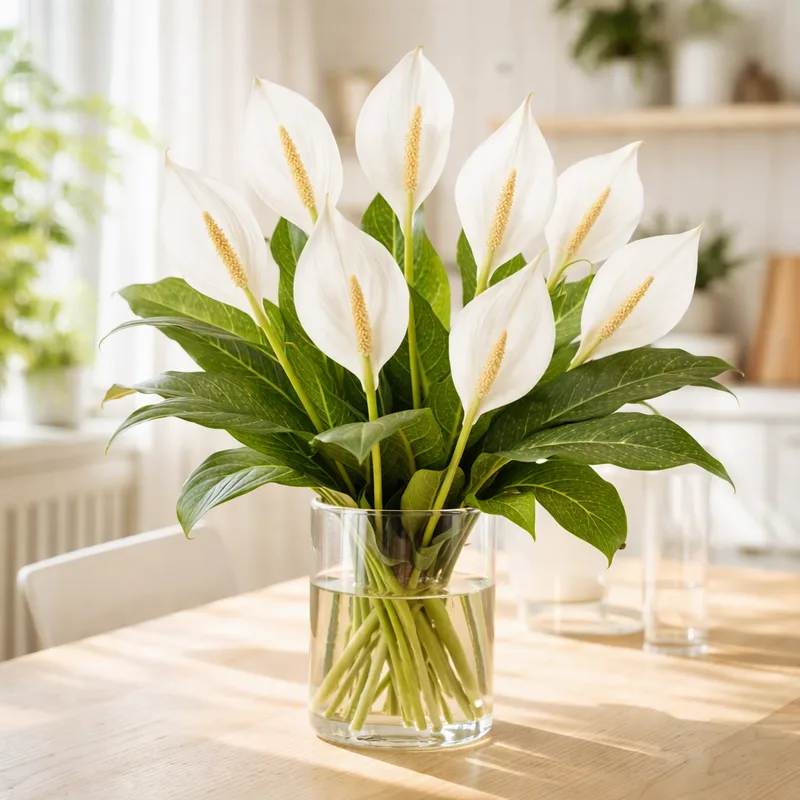
The plant copes with modest light and is easy to keep, so it is a staple of offices and living rooms. The cultivar 'Mauna Loa' has gained the RHS Award of Garden Merit.
Everyday care
- Light: bright, indirect light gives the most flowers; deep shade means leaves but few blooms.
- Water: keep the compost moist, and let the top layer dry slightly between waterings. Never leave the pot standing in water.
- Warmth: ordinary room temperatures suit it, and cold draughts cause damage.
- Feeding: a weak liquid feed in the growing season is enough.
A drooping peace lily recovers quickly when watered, which has earned it a reputation for being forgiving. If tips turn brown, check for dry compost or hard tap water.
Cats, dogs and calcium oxalate
The ASPCA lists peace lily as toxic to dogs and cats. The cause is insoluble calcium oxalate crystals, which burn the mouth and tongue and lead to drooling, vomiting and trouble swallowing. True lilies are far more dangerous to cats, because they can cause kidney failure; the peace lily does not. Even so, keep it where pets cannot chew it, and phone a vet if one has.