

No pillar-box red
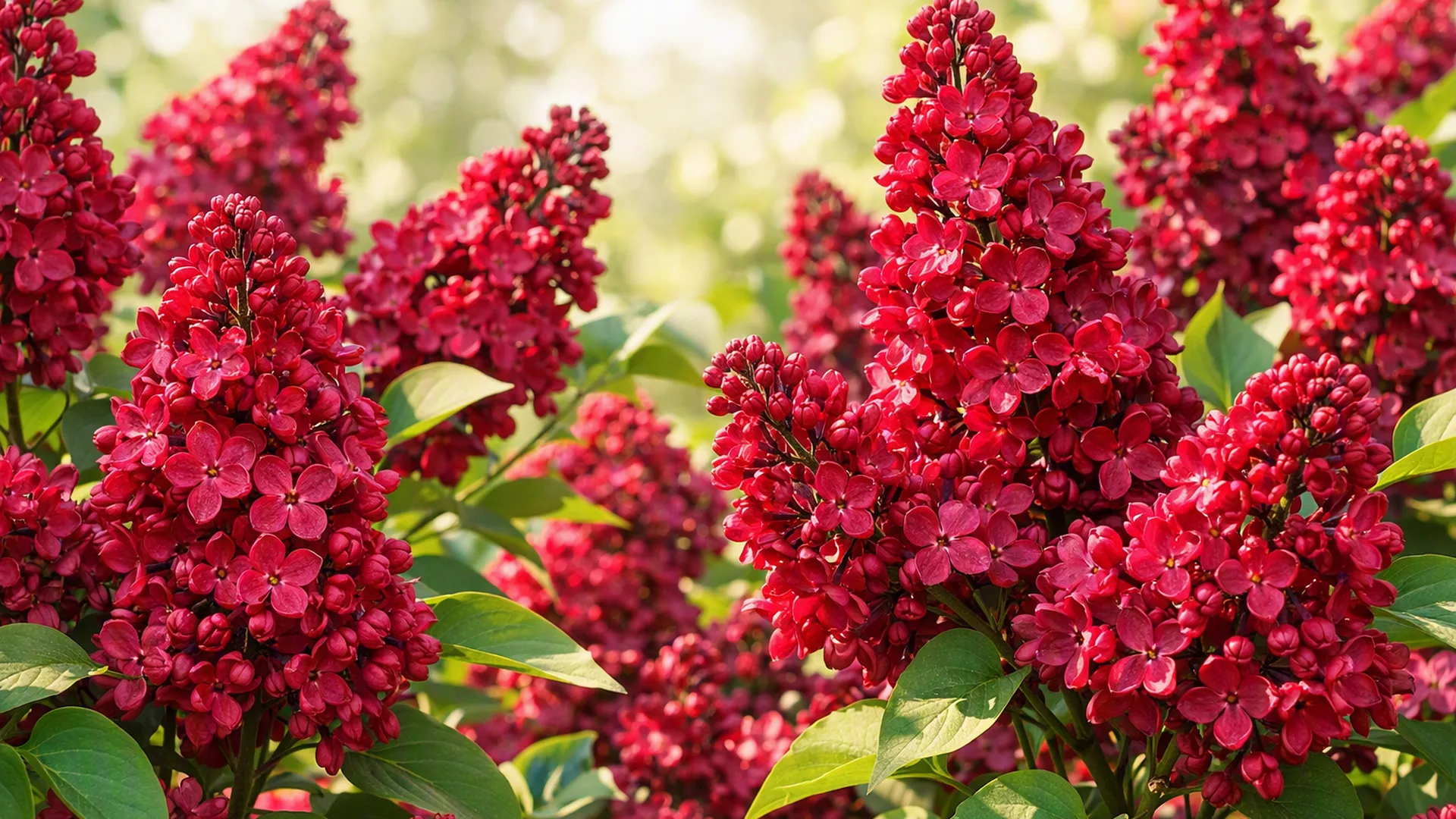
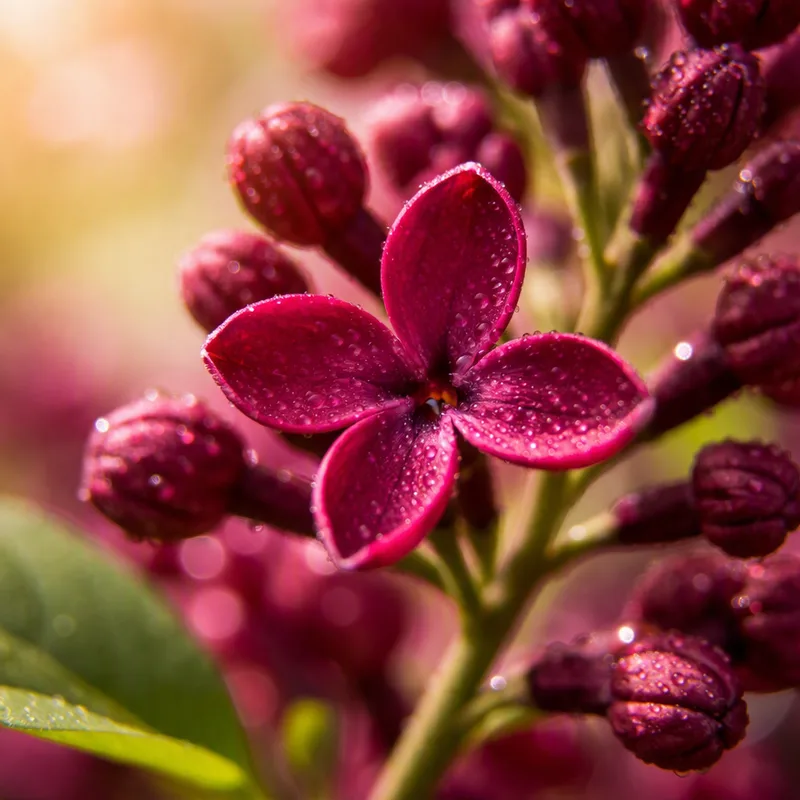
Lilac flowers contain purple and pink pigments, and none of the cultivars of Syringa vulgaris is a pure scarlet or red. When the trade talks about red lilac it means the richest purple-reds, such as claret, magenta and plum. 'Andenken an Ludwig Spaeth' is a dark purple variety and 'Charles Joly' is often described as double magenta-wine; both appear in specialist nurseries. Garden catalogues sometimes list them as red or burgundy for convenience.
Planting for deep colour
Dark flowers show up best against a pale background. Plant them in front of a light wall, near white-flowered shrubs or beside silvery foliage. In dull light the petals can look almost brown, while strong sunlight can fade them a little.
- Choose full sun for the most flowers.
- Add organic matter to poor, light ground and lime to acid soil if needed.
- Prune straight after flowering, taking out dead wood and a few of the oldest stems.
- Mulch in spring.
A shrub for the whole country
Lilac is fully hardy, so late frosts in northern England and Scotland are less of a threat than in a tender plant. Spring frost can still catch young buds in a hollow where cold air collects.
Safety
The ASPCA toxic list includes Persian lilac, which is a different tree, Melia azedarach. Common lilac does not appear on it.